

Diabetes in dogs requires precise coordination between meals and insulin injections to maintain stable blood glucose levels. When a diabetic dog stops eating, it disrupts this balance, risking hypoglycemia or hyperglycemia. Owners must act quickly with safe strategies to stimulate appetite while adjusting insulin appropriately.
Understanding Diabetes and Meal Dependency in Dogs
Canine diabetes mellitus occurs when the pancreas fails to produce sufficient insulin, preventing glucose from entering cells for energy. This results in elevated blood sugar and cellular starvation, leading to symptoms like excessive thirst, urination, and weight loss. Treatment typically involves twice-daily insulin injections paired with consistent meals.
Unlike free-feeding, diabetic dogs thrive on scheduled meals—usually two per day—where food is offered, consumption is confirmed, and then insulin is administered. This ‘feed first, inject second’ protocol prevents dangerous blood sugar fluctuations. Skipping meals complicates management, as uneaten food means potential overdose risks from insulin.
Common Triggers for Appetite Loss in Diabetic Dogs
Several factors can cause a diabetic dog to reject food, ranging from dietary issues to serious health concerns. Identifying the root cause guides effective interventions.
- Dietary dissatisfaction: Treats, table scraps, or unappealing food may fill them up or bore their palate.
- Environmental stress: Changes in routine, new pets, or household disruptions can suppress hunger.
- Illness or pain: Infections, dental problems, gastrointestinal upset, or pancreatitis often reduce appetite.
- Medication side effects: Insulin imbalances or concurrent treatments may affect eating drive.
Observing patterns—such as selective eating or associated symptoms like vomiting—helps pinpoint issues. Persistent refusal beyond 24 hours signals the need for professional evaluation.
Practical Strategies to Encourage Eating
Before altering insulin, try these home-based tactics to tempt your dog back to meals. Always prioritize vet-approved options to avoid disrupting their specialized diet.
Warming and Enhancing Food Appeal
Slightly warming canned or wet food releases aromas that mimic fresh prey, stimulating appetite. Add vet-recommended low-sodium broth or plain boiled chicken for flavor without spiking sugars.
Hand-Feeding Techniques
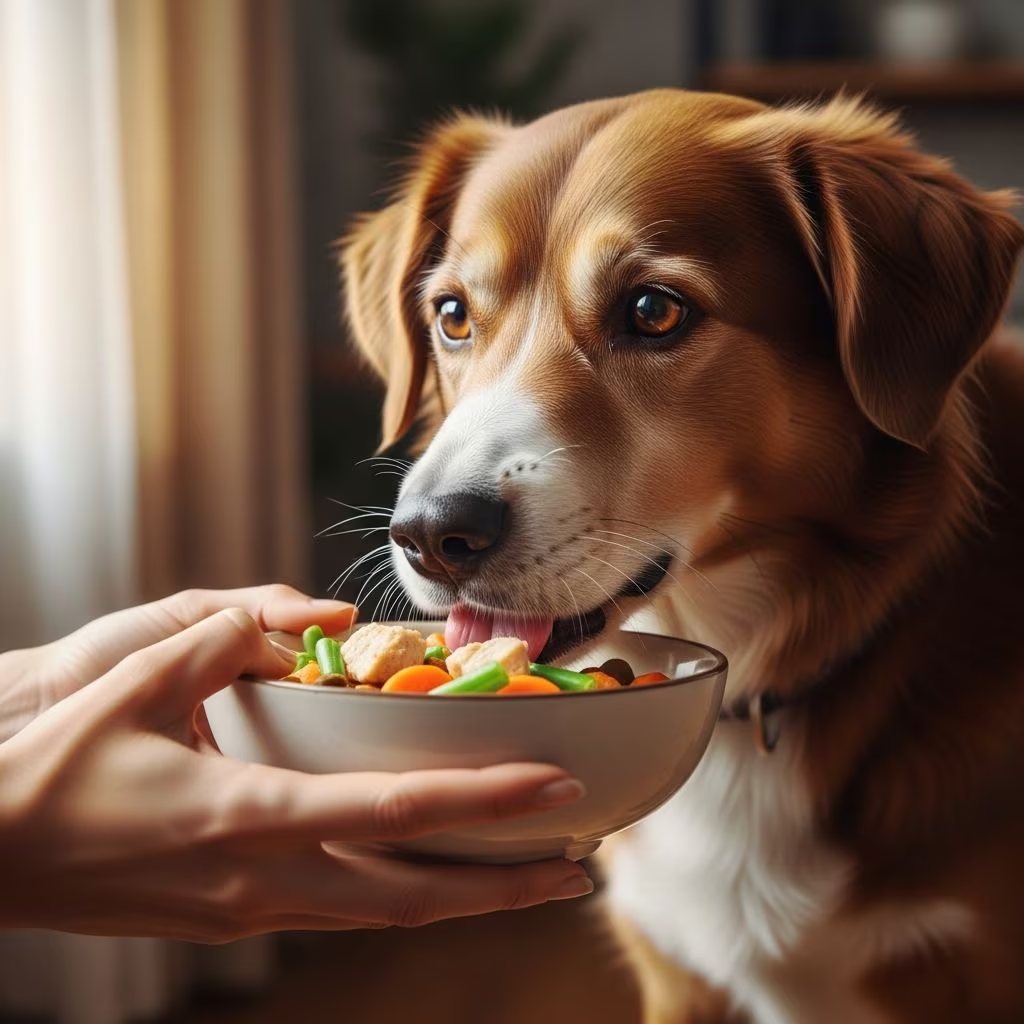
Gently offering small portions by hand builds trust and excitement. Start with tiny bites of familiar food, praising successes to create positive associations. Avoid force-feeding, which risks aspiration or aversions.
Environmental Adjustments
Ensure a quiet, comfortable feeding area free from distractions. Clean bowls thoroughly to eliminate off-putting residues, and stick to consistent mealtimes.
| Strategy | How to Implement | Expected Benefit |
|---|---|---|
| Warm Food | Microwave briefly (10-15 sec) | Enhances smell |
| Hand-Feed | Small pieces, gentle coaxing | Builds interest |
| Reduce Treats | Eliminate extras for 24 hrs | Restores hunger |
| Toppers | Low-sodium broth (vet OK) | Improves palatability |
Safe Insulin Management During Meal Refusals
Insulin dosing hinges on food intake. Never inject full doses if meals are skipped to prevent life-threatening hypoglycemia.
- Single skipped meal: Administer half the usual dose (round down for odd units). Monitor closely for low sugar signs like weakness or tremors.
- Partial eating: Scale insulin proportionally—half eaten means half dose.
- No eating after 30-60 minutes: Withhold insulin entirely and contact your vet.
Blood glucose monitoring via home glucometers empowers precise adjustments. Target ranges (80-150 mg/dL fasting) guide decisions.
Recognizing Emergency Signs and When to Call the Vet
Not all appetite loss is benign. Seek immediate care if refusal persists over 24 hours or accompanies:
- Vomiting or diarrhea
- Lethargy or weakness
- Excessive panting or collapse
- High ketone smells on breath (ketoacidosis risk)
Hospitalization may involve IV fluids, short-acting insulin, and appetite stimulants like mirtazapine. Early intervention prevents crises.
Long-Term Prevention and Monitoring
Prevent recurrences through routine vet check-ups, weight tracking, and urine glucose tests. Prescription diabetic diets maintain steady energy without blood sugar spikes.
Partner with your veterinarian for tailored plans, including potential switches to longer-acting insulins or continuous glucose monitors. Log meals, insulin, and behaviors daily for patterns.
Frequently Asked Questions (FAQs)
What if my dog eats some but not all of their meal?
Give insulin proportional to intake, e.g., half dose for half eaten. Recheck blood sugar soon after.
Can I skip insulin entirely if no food is consumed?
For one meal, yes—but consult your vet immediately, as prolonged skips risk hyperglycemia.
Is it safe to use human baby food?
Plain meat varieties (no onion/garlic) may be okay short-term; confirm with vet first.
How often should I check blood glucose at home?
Twice daily initially, or more during appetite issues, per vet guidance.
What diet changes help diabetic dogs eat consistently?
High-fiber, low-glycemic prescription foods promote satiety and stability.
References
- My Diabetic Dog Won’t Eat: Now What? — Dr. Buzby, ToeGrips. 2023. https://toegrips.com/diabetic-dog-wont-eat/
- Diabetes Mellitus: Insulin Treatment in Dogs — VCA Animal Hospitals. 2024-01-15. https://vcahospitals.com/know-your-pet/diabetes-mellitus-insulin-treatment-in-dogs
- Managing Canine Diabetes — Cornell University College of Veterinary Medicine. 2023-05-10. https://www.vet.cornell.edu/departments-centers-and-institutes/riney-canine-health-center/canine-health-information/managing-canine-diabetes
- Diabetic Ketoacidosis in Dogs: Urgent Care Guide & Warning Signs — GSVS. 2024. https://gsvs.org/blog/diabetic-ketoacidosis-dogs-urgent-care/
- How to Manage a Diabetic Dog That Won’t Eat Enough Food — Lancaster Puppies. 2023. https://www.lancasterpuppies.com/pet-advice/how-to-manage-a-diabetic-dog-that-wont-eat-enough-food.html
- YIKES! My Diabetic Dog Won’t Eat! — Shop PetTest. 2023-08-20. https://shoppettest.com/blog/yikes-my-diabetic-dog-wont-eat-/



