

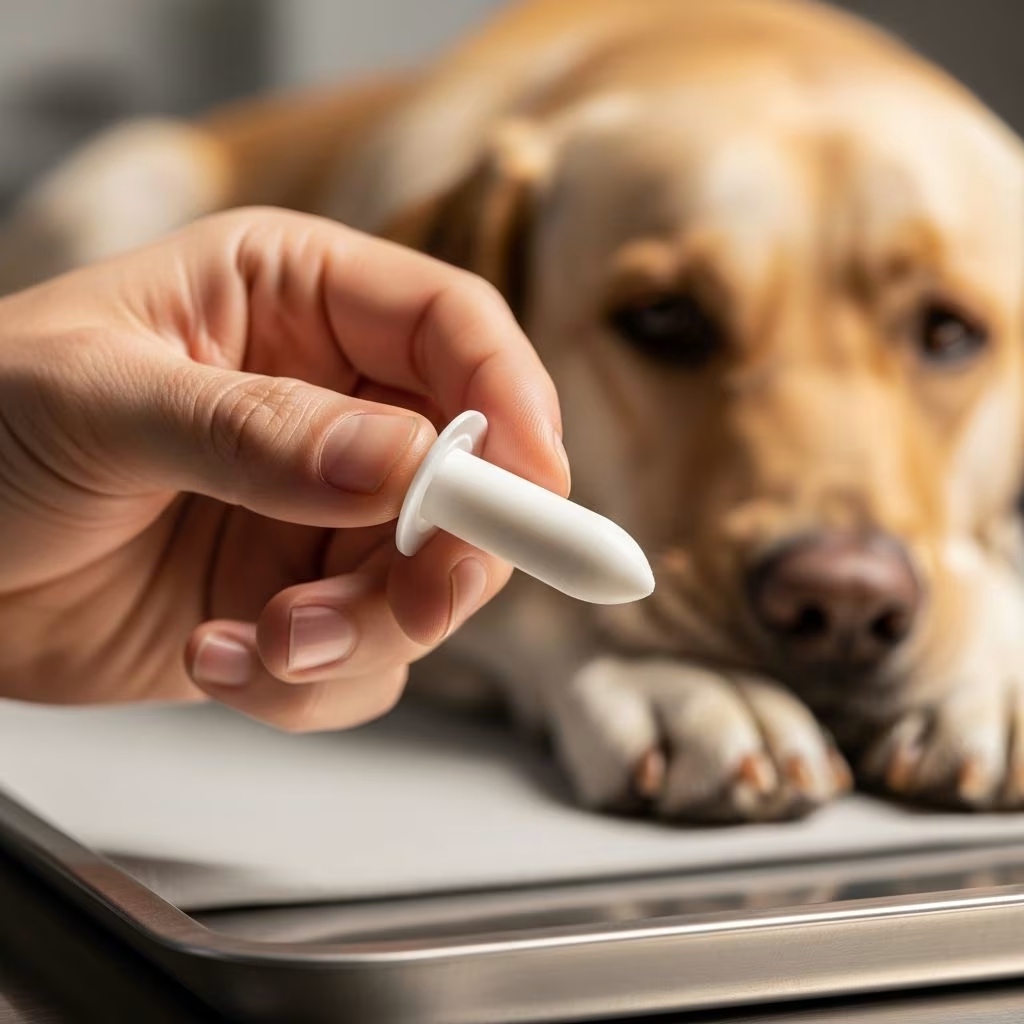
Constipation in dogs is a common issue that can cause discomfort and distress for your pet. While veterinary intervention is always recommended first, suppositories offer a targeted relief option in some cases under professional guidance. This article provides an in-depth look at understanding, treating, and preventing constipation using suppositories and complementary strategies.
Understanding Constipation in Canines
Constipation occurs when a dog struggles to pass hard, dry stools, often due to dehydration, low-fiber diets, lack of exercise, or underlying medical conditions. Unlike occasional firmness, true constipation involves infrequent or painful defecation, leading to straining and potential complications like obstipation or megacolon. Early recognition prevents escalation.
Recognizing Signs of Digestive Blockage
- Infrequent bowel movements: Less than once daily for small breeds or every 1-2 days for larger ones.
- Hard, dry stools: Small, pebble-like output indicates dehydration or slow transit.
- Straining or discomfort: Whining, circling, or unproductive squatting during attempts.
- Loss of appetite: Reduced eating paired with lethargy signals severity.
- Vomiting or bloating: Advanced signs requiring immediate vet attention.
Monitor for 24-48 hours; beyond this, consult a vet to rule out obstructions.
Primary Causes Behind Canine Constipation
| Cause Category | Examples | Prevalence |
|---|---|---|
| Dietary | Low fiber, bones, foreign objects | High |
| Lifestyle | Sedentary habits, dehydration | Common |
| Medical | Anal gland issues, tumors, hypothyroidism | Moderate |
| Age-Related | Megacolon in seniors | Increasing with age |
These factors slow colonic motility, hardening feces. Veterinary exams, including bloodwork and rectal checks, pinpoint roots.
Why Consider Suppositories as a Remedy?
Suppositories deliver medication directly to the rectum, softening stool and stimulating evacuation faster than oral options. Glycerin-based types draw water into the colon, easing passage without systemic effects. They’re suitable for mild cases post-vet approval, avoiding risks of DIY enemas.
Preparing for Safe Suppository Use
Consult your vet for product selection (e.g., pediatric glycerin suppositories sized for dogs). Gather supplies: gloves, lubricant (pet-safe petroleum jelly), treats, and a quiet space. Weigh your dog to dose accurately—typically 1-2g for small breeds, up to 5g for large. Ensure fresh water access to aid hydration.
Step-by-Step Guide to Administering Suppositories
- Calm your dog: Use treats or play to relax them on a non-slip surface.
- Position properly: For small dogs, hold upright tail-up; larger ones on side with hind legs extended.
- Glove and lubricate: Wear latex gloves; coat suppository tip generously.
- Gently insert: Lift tail, insert 1-2 inches bevel-first, aiming midline.
- Hold in place: Clench cheeks for 1-2 minutes to prevent expulsion.
- Monitor effects: Expect results in 15-60 minutes; walk to stimulate.
Repeat only as vet-directed, max 1-2 times daily.
Potential Risks and How to Mitigate Them
- Irritation or injury: Use ample lube; stop if resistance met.
- Overuse leading to dependency: Limit to short-term.
- Allergic reactions: Watch for swelling or worsened straining.
Never use human adult doses; toxicity risks exist.
Complementary Treatments for Enhanced Relief
Pair suppositories with:
- Fiber boosts: Canned pumpkin (1-4 tbsp/day) or Metamucil.
- Hydration aids: Broth or wet food.
- Exercise: 20-30 min walks daily.
- Probiotics: FortiFlora for gut balance.
- Laxatives: PEG 3350 (1/8-1/4 tsp BID).
Table of Common Home Supports
| Remedy | Dosage Guideline | Vet Approval Needed? |
|---|---|---|
| Pumpkin | 1 tsp/small dog; 1-2 tbsp/large | Yes |
| Probiotics | Per package, daily | Yes |
| Exercise | Daily walks | No |
| Milk (small amt) | 1-2 oz goat/cow | Yes |
When to Rush to the Veterinarian
Seek emergency care if: no poop in 72 hours, blood in stool, severe pain, or swelling. Vets may use professional enemas, manual extraction, or meds like cisapride. Blood tests detect dehydration or infections.
Long-Term Prevention Strategies
Maintain:
- Balanced diet: High-fiber kibble.
- Consistent routine: Scheduled meals/walks.
- Regular checkups: For anal glands, prostate.
- Weight management: Obesity worsens motility.
Probiotics prevent recurrence.
FAQs on Dog Constipation and Suppositories
Can I give my dog a suppository without vet advice?
No—risks include injury or masking serious issues. Always consult first.
How quickly do suppositories work in dogs?
Typically 15-60 minutes by softening stool locally.
Is glycerin safe for all dogs?
Generally yes for short use, but avoid in dehydrated or obstructed cases.
What if the suppository doesn’t work?
Don’t repeat; contact vet for alternatives like enemas.
Can diet alone fix chronic constipation?
Often, with fiber and water, but underlying causes need diagnosis.
Expert Insights from Veterinary Sources
Vets emphasize professional oversight: “Enemas and manual removal carry risks if not done correctly”. Therapeutic diets and stimulants like PEG are staples. Probiotics support microbiome health.
By integrating suppositories judiciously with lifestyle tweaks, most dogs regain comfort swiftly. Prioritize vet partnerships for tailored care.
References
- Why is My Dog Constipated & What to Do — Rancho Veterinary Hospital. 2023-09-15. https://www.ranchovet.com/site/blog/2023/09/15/dog-constipated–what-to-do
- Constipation in Dogs: Causes, Symptoms & Treatment — St. Louis Animal Emergency Center. 2023-06-30. https://www.stlouisanimalemergencyclinic.org/site/blog/2023/06/30/constipation-dogs
- How to Help a Constipated Dog — Pets Doctors of America. 2024-08-15. https://www.petdoctorsofamerica.com/site/blog/2024/08/15/dog-constipation
- Constipation in Dogs — VCA Animal Hospitals. N/A. https://vcahospitals.com/know-your-pet/constipation-in-dogs
- Constipation, Obstipation, and Megacolon in Small Animals — Merck Veterinary Manual. N/A. https://www.merckvetmanual.com/digestive-system/diseases-of-the-large-intestine-in-small-animals/constipation-obstipation-and-megacolon-in-small-animals
- What Can I Give My Dog To Ease Occasional Constipation? — PetMD. N/A. https://www.petmd.com/dog/general-health/what-give-constipated-dog



