

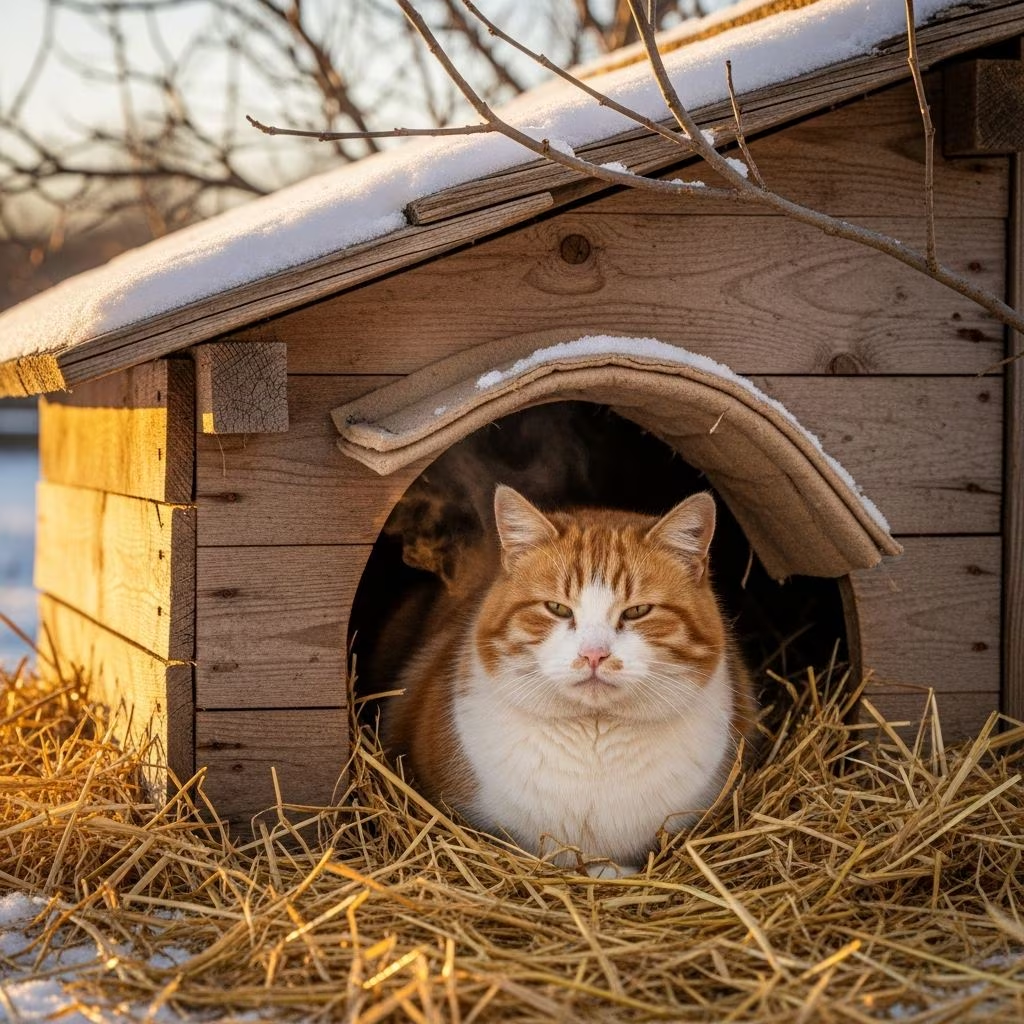
Helping Your Barn Cat Survive Winter
Barn cats are invaluable members of farm life, providing pest control and companionship while living primarily outdoors. However, when winter arrives, these working felines face significant challenges from freezing temperatures, limited food sources, and harsh weather conditions. Helping your barn cat through the winter requires intentional preparation, proper shelter, adequate nutrition, and ongoing monitoring. By implementing the strategies outlined in this guide, you can ensure your barn cat not only survives but thrives during the coldest months of the year.
Create Adequate Shelter for Winter
The foundation of winter survival for barn cats is a properly constructed shelter that protects them from wind, snow, and freezing temperatures. Unlike indoor cats, barn cats rely entirely on their environment and whatever protection you provide to maintain their body heat.
Building an Effective Cat Shelter
Your barn often serves as the primary shelter for your cats. However, a dedicated cat shelter is essential if your barn is exposed or inadequately insulated. The most cost-effective approach is to build your own shelter using simple materials and basic construction techniques.
Your shelter design should prioritize compactness and insulation. A shelter that is too large requires more energy for cats to heat with their body warmth, while one that is appropriately sized allows cats to huddle together effectively. Elevate the shelter off the ground to protect it from moisture and dampness. The entrance should be positioned away from prevailing winds and, ideally, facing a wall to minimize cold air infiltration.
Proper Insulation Materials
Choosing the right insulation material is critical for your barn cat’s survival. Straw is an excellent choice as it allows cats to burrow and create cozy nests. You can also stuff pillowcases loosely with packing peanuts and shredded newspaper to create insulated bedding that cats can nest in.
For extremely cold climates where you cannot check shelters regularly, consider lining the shelter’s inner walls and floor with Mylar blankets. These reflective blankets are safe for cats to lie on and reflect body heat back to the animals, making them significantly more effective than traditional bedding materials in severe conditions.
Materials to Avoid
While it may seem intuitive to add blankets, towels, or folded newspaper to a shelter, these materials actually absorb body heat and chill cats who lie on them. Similarly, avoid using hay as insulation, as it may irritate cats’ noses and cause allergic reactions. These materials absorb moisture and create a damp, cold environment rather than a warm refuge.
Shelter Maintenance
Regular maintenance of your cat shelters is essential throughout winter. Replace straw and newspaper if they become moist or soiled, and wash and re-stuff pillowcases as needed. After significant snowfall, check shelter entrances to ensure cats are not inadvertently snowed in and unable to access their refuge.
Provide Adequate Food and Water
Winter dramatically increases the caloric needs of outdoor cats as they expend significant energy maintaining body temperature. Proper nutrition and hydration are critical components of winter survival.
Increasing Food Portions
Cats benefit from extra food during winter months. Increase food portions to help them conserve energy and maintain adequate body weight. Canned or wet food is particularly beneficial during winter as it requires the least amount of energy to digest, meaning cats can dedicate more energy to fighting the cold.
Provide fresh food and water daily or twice daily rather than allowing leftovers to freeze. In winter conditions, food spoils more slowly due to cold temperatures, but you should still prioritize freshness to maintain your cats’ health.
Preventing Food From Freezing
Several strategies can help keep food from freezing solid:
- Serve wet food in plastic containers rather than ceramic or thin plastic bowls
- Warm canned food and water before serving, or use heated electric bowls
- Provide mainly dry food, which will not freeze, though remember that dry food requires more energy to digest
- Spray insulation foam into the underside of plastic feeding dishes to prevent food from freezing as quickly
- Place a microwavable heating pad under bowls, or create a homemade heating pad by filling fabric pouches with rice and heating them in the microwave
Managing Water in Winter
Keeping water from freezing is one of the most challenging aspects of winter cat care. A thick plastic water container that is deep and wide provides better insulation than thin plastic or ceramic containers. Avoid metal bowls entirely, as they conduct cold and freeze water more quickly.
Several methods can prevent water from freezing:
- Use a solar-heated water bowl to prevent or delay freezing
- Use deep rather than wide bowls and place them in sunny areas when possible
- Warm water before serving, or offer lukewarm water during winter months
- If a water spigot is available, run water slightly as moving water freezes more slowly than still water
- Consider using a water fountain or bowl with a fountain feature to keep water from freezing
Do not place water bowls inside the shelter, as water is easily spilled and a wet shelter becomes counterproductive, feeling more like a refrigerator than a warm haven. Instead, locate water outside the shelter where spills will not create moisture problems.
Building a Feeding Station
For community or multiple barn cats, building a feeding station is an excellent approach. An insulated feeding station constructed similarly to a cat shelter shields food, water, and the cats from wind and precipitation. Position the doorway so it is only large enough for cats to enter, and consider adding a door flap to keep out cold air and potential predators.
Strategic Shelter Placement
Where you place your cat shelters significantly impacts their effectiveness. Shelters should be elevated off the ground for protection from dampness and positioned away from prevailing winds. Ideally, face the entryway toward a wall so only cats can access the shelter.
If you have multiple shelters, consider strategic placement near feeding stations. One approach involves placing two shelters with doorways facing each other, approximately 2 feet apart. Create a canopy by securing a wide board from one roof to the other, and place food and water under this canopy. This arrangement keeps food and water accessible while protecting them from the worst weather and minimizing the distance cats must travel in severe conditions.
Winter-Specific Considerations
Temperature Thresholds
Most barn cats can tolerate temperatures of 30°F or warmer within their insulated shelters. However, if you cannot provide a heated shelter and temperatures drop below this threshold, consider bringing cats inside, particularly during extreme cold snaps.
Preparing for Severe Weather
Weather forecasts allow you to prepare for significant snowstorms or harsh conditions. Before an expected storm that might confine you to your home, ensure community cats have sufficient food and water to last more than a day. Once conditions improve, clear snow away from areas cats frequent, particularly around shelters and feeding stations, to maintain accessibility.
Antifreeze and Chemical Safety
Do not store antifreeze in areas accessible to cats or use salt and chemical ice melts in spaces where cats may walk. These substances are toxic to cats and can cause serious harm or death if ingested when cats lick them from their paws or fur. Instead, use animal-friendly deicers available at most pet stores, or spread sand or gravel to provide traction.
Vehicle Safety
Before driving, always check under the hood of your vehicle, between tires, and in wheel wells. Animals seeking warmth frequently climb underneath cars or into engines during winter, and starting your vehicle without checking can cause serious injury or death.
Trap-Neuter-Return Considerations in Winter
If you are managing community cats through trap-neuter-return (TNR) programs, winter presents both challenges and opportunities. Do not attempt TNR during winter unless you can return cats to adequately heated shelters.
However, winter trapping has distinct advantages. Fewer cats are pregnant during winter months, making surgeries less complicated and reducing the stress on animals. Successfully trapping and neutering cats in winter prevents the birth of many kittens come spring, when the majority are born. If you proceed with winter TNR, trap during warmer times of day and adjust feeding schedules so cats are active during ideal trapping hours. Check traps frequently and never leave them unattended, as confined cats lose body heat quickly.
Remember that cats recovering from spay or neuter surgery require temperature-controlled environments year-round, but this becomes even more critical during winter. Be mindful of temperature during every step, including transport.
Frequently Asked Questions
Q: What temperature is too cold for barn cats without heated shelter?
A: Barn cats can typically tolerate temperatures of 30°F or warmer within properly insulated shelters. Below this threshold, especially during extreme cold snaps, consider bringing cats indoors or providing heated shelter.
Q: How much extra food do barn cats need in winter?
A: While specific quantities depend on individual cats and local temperatures, significantly increase portions compared to warmer months. Cats expend considerable energy maintaining body heat, so they require additional calories. Wet food is particularly beneficial as it requires less energy to digest.
Q: Can I use blankets and towels to insulate cat shelters?
A: No. Blankets, towels, and folded newspaper absorb body heat and moisture, making shelters colder rather than warmer. Use straw, Mylar blankets, or packing peanuts with shredded newspaper instead.
Q: How often should I check outdoor cat shelters in winter?
A: Check shelters regularly to ensure they remain in good condition, particularly after significant snowfall. Verify that entrances are accessible and shelters are not blocked, and replace any damp or soiled insulation.
Q: What is the best way to keep water from freezing for barn cats?
A: Use deep plastic containers (avoid metal), place bowls in sunny areas when possible, use solar-heated water bowls, warm water before serving, or use water fountains with circulation features.
Q: How many cats should I keep in one barn for safety?
A: Four cats per barn is recommended for their safety and protection, allowing them to provide warmth to one another during cold months while maintaining adequate hunting territory.
References
- How to Care for Outdoor Cats in Winter — Humane World for Animals. https://www.humaneworld.org/en/resources/how-care-outdoor-cats-winter
- How to Raise Barn Cats — Azure Farm Life. https://www.azurefarmlife.com/farm-blog/barn-cats
- Cold Weather Tips for Cats — Alley Cat Allies. https://www.alleycat.org/resources/cold-weather-tips-for-cats/
- Barn Cats: How to Care for the Working Feline — Timber Creek Farm. https://www.timbercreekfarmer.com/barn-cats-how-to-care-for-the-working-feline/
- Barn Cats — South County Cats. https://www.southcountycats.org/barn-cats
- How Cold is Cutoff for Barn Cats Needing to Come Inside House? — Chron of the Horse Forum. https://forum.chronofhorse.com/t/how-cold-is-cutoff-for-barn-cats-needing-to-come-inside-house/442314



