

Understanding Dog Anxiety: What Pet Parents Need to Know
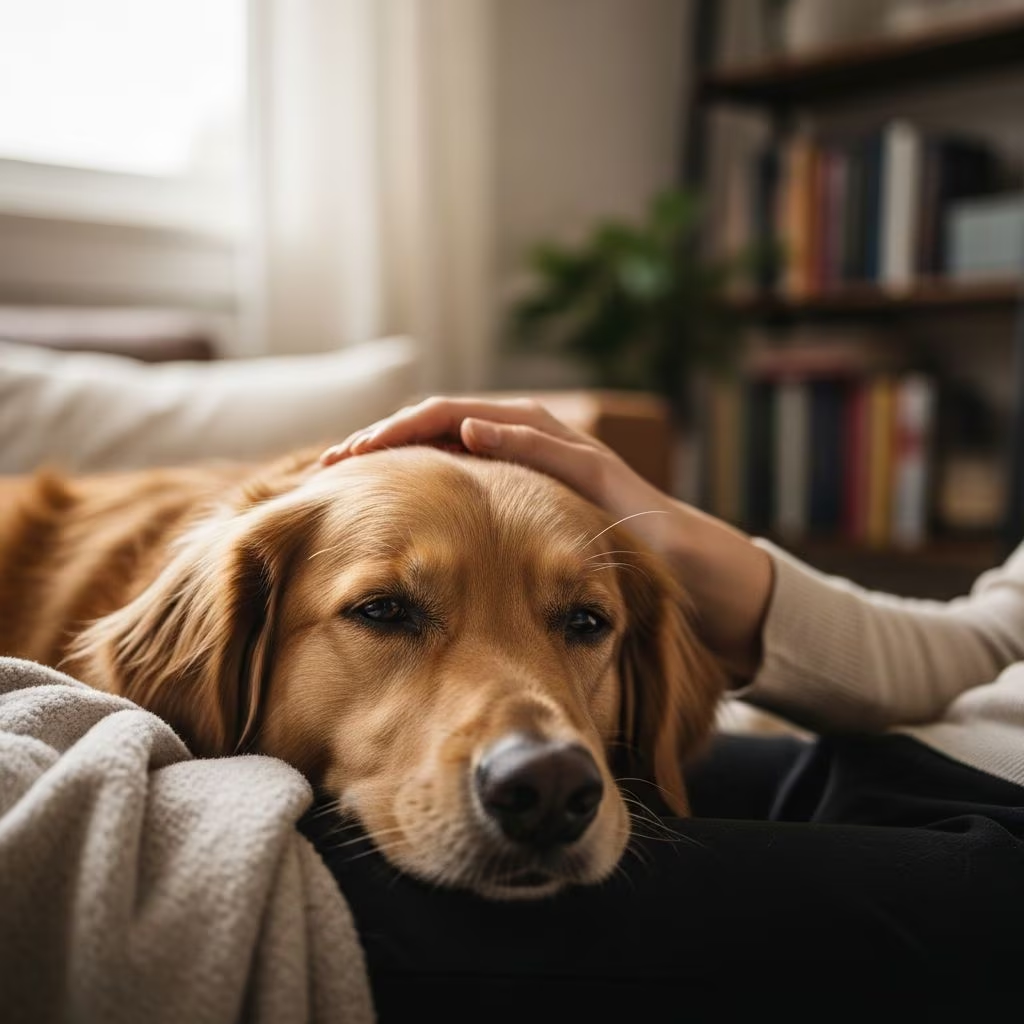
Dog anxiety is a common behavioral issue that affects many pets and their owners. When your dog experiences anxiety, it impacts not only their quality of life but also the harmony of your household. Understanding the root causes and recognizing the signs of anxiety in your dog is the first critical step toward providing effective support and relief. Research shows that anxious pet parents often raise more anxious dogs, with stress levels transmitting between owners and their pets through emotional contagion.
Dogs can experience anxiety for various reasons, including separation from their owners, loud noises, unfamiliar environments, or past traumatic experiences. The good news is that with patience, proper techniques, and sometimes professional help, you can significantly reduce your dog’s anxiety and help them lead a happier, more balanced life.
Recognizing Signs of Anxiety in Your Dog
Identifying anxiety in dogs is essential for early intervention. While some signs are obvious, others are more subtle and easily overlooked. Pet parents who are attuned to their dog’s behavior can catch anxiety early and prevent it from escalating into more serious behavioral problems.
Common signs of anxiety in dogs include:
- Excessive barking or whining
- Destructive behavior, such as chewing furniture or scratching doors
- Panting and drooling
- Pacing or restlessness
- Loss of appetite or changes in eating habits
- Excessive licking or grooming
- Trembling or shaking
- Hiding or attempting to escape
- Aggression or fear-based reactions
- Accidents in the house despite being housetrained
Understanding these signs allows you to intervene early and provide your anxious dog with the support they need. Some dogs display obvious behavioral changes, while others may show only subtle physiological responses like increased heart rate or changes in breathing patterns.
The Connection Between Owner Stress and Dog Anxiety
Research has demonstrated a significant relationship between pet parent stress levels and dog anxiety. Studies conducted at Queen’s University Belfast found that when pet parents’ heart rates increase due to stress, their dogs’ heart rates increase as well. This phenomenon, known as emotional contagion, reveals that dogs are highly attuned to their owners’ emotional states and physiological responses.
A 2018 study showed that pet parents who scored low on emotional stability traits were more likely to have dogs with behavioral issues, including fear, aggression, and separation anxiety. Additionally, research from Michigan State University involving 1,681 dog parents found that those with higher negative emotionality scores had pets who were more fearful, excitable, and less responsive to training.
Dog behaviorist Kim Brophey notes that many dog breeds have been specifically selected for attentiveness to human emotions and relationships, making them especially vulnerable to absorbing the emotional states of their owners. This means that managing your own stress levels is not just beneficial for you—it’s a crucial component of helping your anxious dog.
Creating a Calm Environment for Your Dog
One of the most effective ways to help an anxious dog is to establish a calm, safe environment. Dogs thrive in predictable, low-stress settings where they feel secure and protected.
Key strategies for creating a calm environment include:
- Designated safe space: Create a quiet, comfortable area where your dog can retreat when feeling anxious. This could be a crate, a specific room, or a cozy corner with their bed.
- Minimize loud noises: Reduce exposure to triggers like loud music, traffic sounds, or fireworks. Use white noise machines or calming music designed for dogs to mask disruptive sounds.
- Maintain consistent routines: Dogs find comfort in predictability. Establish regular schedules for feeding, walks, play, and sleep.
- Reduce visual stimuli: Close curtains or blinds to limit outside distractions that might trigger anxiety responses.
- Use calming products: Consider pheromone diffusers, calming sprays, or anxiety wraps that can help soothe your dog.
- Keep the environment organized: A clutter-free space feels calmer to anxious dogs.
By intentionally designing your home environment to be soothing and predictable, you provide your anxious dog with the foundation they need to feel secure.
Behavioral Techniques to Reduce Dog Anxiety
Beyond environmental changes, specific behavioral techniques can effectively reduce anxiety in dogs. These methods work by desensitizing your dog to anxiety triggers and building confidence over time.
Gradual Desensitization involves slowly exposing your dog to anxiety triggers at low intensities. For example, if your dog is anxious about car rides, start by simply sitting in the parked car without driving. Gradually increase exposure over multiple sessions, only moving forward when your dog shows signs of comfort.
Counter-conditioning pairs anxiety-triggering stimuli with positive experiences. If your dog is afraid of thunderstorms, you might reward calm behavior during light rain with treats and praise, helping them associate storms with positive outcomes rather than fear.
Positive reinforcement training encourages calm behavior by rewarding your dog when they respond well to previously anxiety-inducing situations. Consistency and patience are essential for success with these techniques.
Exercise and mental stimulation are critical for anxiety reduction. A tired dog is often a calmer dog. Daily walks, playtime, puzzle toys, and training sessions help burn off nervous energy and provide healthy outlets for stress.
Managing Your Own Stress as a Pet Parent
Since research confirms that owner stress directly impacts dog anxiety, managing your own emotional well-being is a vital component of helping your anxious dog. When you’re calm and centered, your dog benefits from your stable emotional presence.
Consider these stress management strategies:
- Practice deep breathing or meditation, particularly before interacting with your anxious dog
- Engage in regular physical exercise to reduce your stress levels
- Seek social support from friends, family, or pet parent communities
- Establish healthy boundaries between work and personal time
- Consider speaking with a therapist or counselor about your stress
- Spend time in nature or engage in activities that bring you joy
- Prioritize adequate sleep and nutrition
By taking care of your mental health, you’re directly contributing to your dog’s well-being. Your calm presence is contagious—just as stress transmits from owner to pet, so does calmness and confidence.
Supplements and Nutritional Support
Several supplements and dietary approaches may help support your anxious dog’s emotional well-being. Before introducing any new supplements, consult with your veterinarian to ensure they’re appropriate for your dog’s specific health situation.
Potentially helpful options include:
- L-theanine: An amino acid that promotes relaxation without drowsiness
- Omega-3 fatty acids: May support brain health and mood regulation
- Probiotics: Growing research suggests gut health affects emotional well-being
- Adaptogenic herbs: Plants like ashwagandha may help dogs cope with stress
- High-quality diet: Proper nutrition supports overall brain health and emotional stability
A balanced, nutrient-rich diet forms the foundation for your dog’s physical and emotional health. Discuss specific supplement recommendations with your veterinarian.
When to Seek Professional Help
While many anxiety cases can be managed through environmental changes and behavioral techniques, some situations require professional intervention. Consider consulting a certified dog behaviorist or veterinary behaviorist if:
- Your dog’s anxiety is severe or worsening despite your efforts
- Your dog shows signs of aggression or fear-based reactivity
- Anxiety is significantly impacting your dog’s quality of life
- You’re unsure about the underlying causes of your dog’s anxiety
- Your dog has experienced trauma or abuse
- Behavioral techniques alone are insufficient
A professional can conduct a thorough assessment, identify specific triggers, and develop a customized treatment plan. In some cases, anti-anxiety medication prescribed by a veterinarian may be necessary as part of a comprehensive approach to managing severe anxiety.
Building Long-Term Confidence in Anxious Dogs
Helping an anxious dog is often a long-term commitment, but with consistent effort, most dogs show significant improvement. The goal is to gradually build your dog’s confidence and resilience so they can navigate their world with greater ease.
Focus on celebrating small victories. Did your dog show slightly less anxiety during a car ride? That’s progress worth acknowledging. Did they approach a scary object without hiding? That’s a win. These incremental improvements compound over time, leading to meaningful behavioral changes.
Patience and compassion are essential. Your anxious dog isn’t being difficult—they’re genuinely struggling with fear or uncertainty. Your supportive presence and consistent effort help them feel secure enough to overcome their anxiety.
Frequently Asked Questions
Q: Can separation anxiety in dogs be completely cured?
A: Separation anxiety can be significantly improved through desensitization, counter-conditioning, and sometimes medication, though some dogs may remain somewhat sensitive to separation. Consistent management and professional support yield the best outcomes.
Q: How long does it take to see improvement in an anxious dog?
A: Timelines vary depending on the severity of anxiety and consistency of treatment, but many dogs show noticeable improvement within 4-8 weeks. Some may require several months of dedicated work to achieve significant behavioral changes.
Q: Is medication necessary for treating dog anxiety?
A: Medication isn’t always necessary, but it can be helpful for severe cases or as part of a comprehensive treatment plan. Work with your veterinarian to determine if anti-anxiety medication is appropriate for your dog.
Q: Can exercise alone reduce my dog’s anxiety?
A: While exercise is beneficial and helps reduce stress, it works best as part of a comprehensive approach that includes behavioral training, environmental management, and sometimes professional support.
Q: How can I tell if my dog’s anxiety is getting worse?
A: Signs of worsening anxiety include increased frequency or intensity of anxious behaviors, new behavioral problems developing, loss of appetite, or aggressive responses that weren’t present before. Contact your veterinarian if you notice these changes.
Q: Does my stress directly cause my dog’s anxiety?
A: Research shows that owner stress significantly contributes to dog anxiety through emotional contagion, where dogs pick up on physiological and emotional cues from their owners. Managing your own stress is beneficial for both you and your dog.
Q: Are certain dog breeds more prone to anxiety?
A: Some breeds have been selectively bred for heightened sensitivity to human emotions, making them more prone to anxiety. However, anxiety can occur in any breed and is influenced by genetics, early socialization, experiences, and owner stress levels.
References
- Do Anxious Dog Parents Raise More Anxious Dogs? — Kinship. 2024. https://www.kinship.com/dog-behavior/do-anxious-pet-parents-raise-more-anxious-dogs
- Dogs Stress Levels Mirror Humans’, New Study Finds — Kinship. 2024. https://www.kinship.com/dog-behavior/dogs-mirror-human-stress-levels-study
- Pet and owner personality and mental wellbeing associate with attachment style — National Institutes of Health. 2024. https://pmc.ncbi.nlm.nih.gov/articles/PMC10709106/
- Stressed Dogs: How to Tell if Your Dog is Stressed — Kinship. 2024. https://www.kinship.com/dog-behavior/stressed-dogs
- Recognizing Abnormal Canine Stress and Dog Anxiety — PetHub. 2024. https://www.pethub.com/articles/242692/recognizing-abnormal-canine-stress-and-dog-anxiety



