

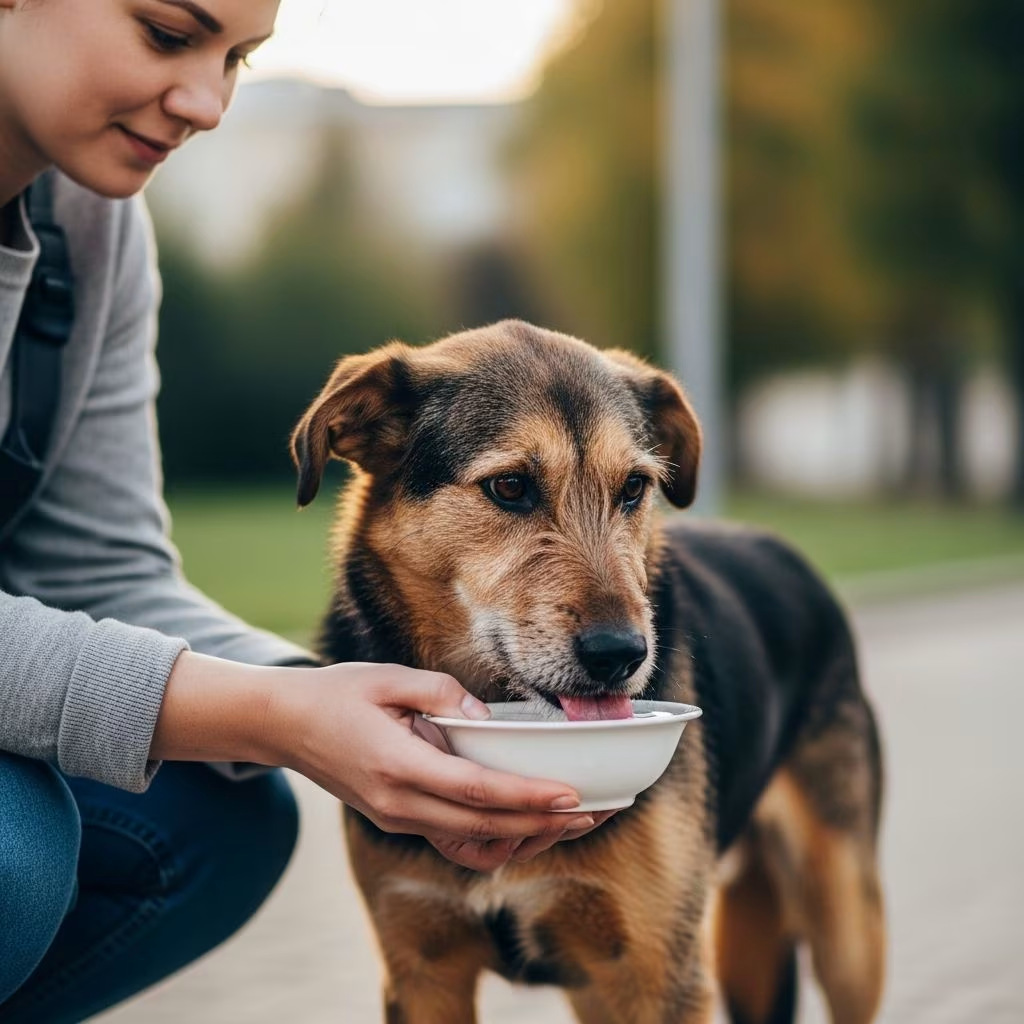
Finding a stray dog presents an opportunity to make a positive impact on an animal’s life. Acting thoughtfully prioritizes the dog’s welfare, your safety, and community resources. This guide outlines a structured approach based on established animal care protocols, drawing from veterinary and shelter best practices.
Initial Assessment and Safety Measures
The first moments after spotting a stray dog are critical. Observe from a distance to gauge the dog’s demeanor. A fearful or aggressive posture—such as tucked tail, raised hackles, or growling—signals the need for caution. Approach slowly with calm energy, avoiding direct eye contact, which can be perceived as threatening.
- Use a gentle voice to soothe the dog.
- Offer high-value treats like small pieces of meat to build trust without forcing interaction.
- Never corner the dog; always provide an escape route.
If the dog seems friendly, secure it with a makeshift leash from a belt or shoelace looped loosely around the neck. Transport in a secure carrier or vehicle crate to prevent escapes during movement. According to Best Friends Animal Society, housing strays in escape-proof areas like bathrooms minimizes risks upon arrival home.
Searching for the Owner
Many strays are lost pets with anxious owners nearby. Immediate outreach maximizes reunion chances. Start locally:
- Knock on nearby doors and post notices with a clear photo, description, and your contact info.
- Check for collars, tags, or tattoos, which may include owner details.
Expand efforts digitally and traditionally:
| Method | Details | Timeline |
|---|---|---|
| Post on social media | Local lost pet groups on Facebook, Nextdoor | Immediate |
| Flyers in area | Vet clinics, parks, stores | Within 24 hours |
| Newspaper ad | Found pet section | Day 2 |
Best Friends recommends flyers and door-to-door inquiries as effective grassroots methods. Contact animal control only after exhausting personal searches to avoid shelter overcrowding.
Health Check and Microchip Verification
Professional evaluation is non-negotiable. Transport the dog to a veterinarian or shelter for a microchip scan—a quick, painless procedure identifying up to 80% of lost pets with implants. ToeGrips veterinary advice stresses scanning before any adoption assumptions, as unseen chips often reunite families.
During the visit:
- Conduct a full physical exam for injuries, parasites, or illnesses.
- Perform fecal tests and deworming.
- Administer flea/tick preventatives and initial vaccines if healthy.
Quarantine is vital, especially with other pets at home. Isolate for at least 7-14 days to prevent disease transmission like parvo or kennel cough. AVMA transport guidelines emphasize clean, ventilated enclosures during this period.
Creating a Safe Home Environment
Prepare a dedicated space: a quiet room with bedding, water, and food bowls. Provide a crate or box for security, as strays often seek enclosed spots. Monitor intake subtly—many won’t eat in view initially.
Daily routine fosters stability:
- Short, leashed potty breaks.
- Gradual exposure to household sounds.
- Fresh water always available; small food portions multiple times daily.
Avoid free roam to prevent destructive behavior from stress. PAWS for Hope standards mandate consistent routines to minimize public safety risks.
Introducing to Existing Pets
Integrations require patience to avert conflicts. Use a proven protocol from Best Friends:
- Visual introduction: Separate by a gate; observe body language for stiffness or staring.
- Scent swapping: Exchange blankets to familiarize smells.
- Supervised meetings: Parallel walks first, then short leashed encounters.
Signs of trouble include lunging, excessive barking, or resource guarding. Interrupt calmly with a sharp noise and separate. HumanePro best practices advocate using calm role-model pets to demonstrate positive behaviors.
Nutrition and Basic Training Foundations
Feed a bland diet initially—boiled chicken and rice—to ease digestion. Transition to quality commercial food suited to age and condition. ToeGrips recommends vet-guided nutrition to support recovery.
Begin gentle training:
- Teach “sit” with treats for mealtime calm.
- Practice leash manners in the yard.
- Crate train for comfort during absences.
Positive reinforcement builds confidence quickly.
Long-Term Planning: Rehoming or Adoption
If no owner emerges after 7-10 days, decide on fostering, adopting, or shelter transfer. Assess your lifestyle fit: time, space, experience. Rescue standards from PAWS emphasize professional behavior assessments.
For fostering, partner with reputable rescues following HumanePro guidelines for efficiency and humane outcomes. Spay/neuter before permanent placement prevents litters.
Frequently Asked Questions (FAQs)
What if the stray dog is aggressive?
Contact animal control or a professional trapper. Do not risk personal safety.
How long should I wait before considering adoption?
At least 7 days for owner claims; longer if microchip registered.
Can I bathe the stray immediately?
Wait 48 hours post-exam; use mild shampoo to avoid skin stress.
What vaccinations are priority?
Rabies, distemper combo; vet determines based on health.
Is heartworm testing necessary?
Yes, especially in endemic areas; preventatives start post-test.
Community Impact and Prevention
Stray encounters highlight broader issues like pet overpopulation. Support local spay/neuter programs and microchipping campaigns. Shelters report higher reunions with proactive public involvement.
By following these steps, you contribute to animal welfare while mitigating risks. Responsible actions turn chance meetings into life-changing interventions.
References
- Care for Stray or Lost Pet — Best Friends Animal Society. 2023. https://bestfriends.org/pet-care-resources/how-care-stray-or-lost-pet
- 7 Helpful Tips for Bringing a Stray Puppy or New Dog Into Your Home — ToeGrips. 2022. https://toegrips.com/stray-puppy-new-dog-home/
- RELOCATION OF DOGS AND CATS FOR ADOPTION WITHIN THE UNITED STATES — American Veterinary Medical Association (AVMA). 2020. https://www.avma.org/sites/default/files/2020-03/AWF-TransportAdoptionBestPractices.pdf
- ANIMAL RESCUE STANDARDS OF PRACTICE — PAWS for Hope. 2021. https://www.pawsforhope.org/uploads/pdf/AWANBC_Rescue_Standards.pdf
- Rescue Group Best Practices Guide — HumanePro. 2022. https://humanepro.org/sites/default/files/documents/RescueGroupBestPracticesGuide.pdf



