

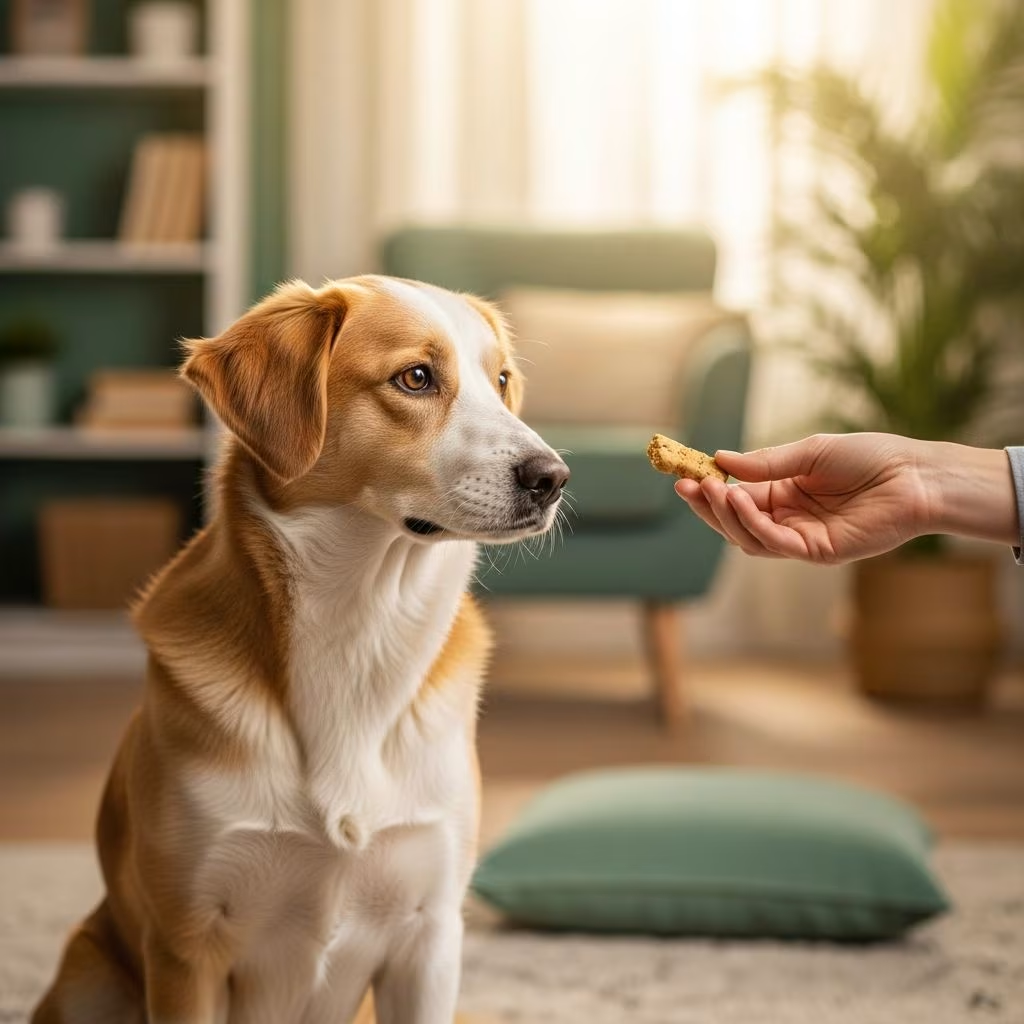
Understanding Shy and Reserved Dogs
A shy or reserved dog is one who typically doesn’t seek out interaction with other dogs or people. These dogs may feel uncomfortable in new situations and often move close to their owners or back away from unfamiliar activity. While a dog’s personality may vary depending on the situation, their cautious behaviors are usually driven by a sense of unease or caution in unfamiliar settings or around unknown people.
It’s important to recognize that not every dog is outgoing and full of energy. Some dogs are naturally more introverted and don’t need to be the center of attention. However, understanding the underlying reasons for a dog’s shy behavior and providing the right support can help them feel more comfortable and confident in their daily lives.
Recognizing Signs of Shyness in Dogs
Identifying whether your dog is shy or reserved is the first step toward helping them build confidence. Dogs display shyness in various ways, and recognizing these signs can help you respond appropriately to your pet’s needs.
One of the biggest indicators of shyness in dogs is moving away from the action and staying close to their owner when in uncomfortable situations. Beyond this primary sign, there are several other behaviors that characterize a shy or reserved dog:
- Hesitation – They show reluctance to approach new situations or unfamiliar environments
- Reduced activity – They may freeze or show minimal exploration when encountering unfamiliar settings for the first time
- Avoidance – They often avoid eye contact and won’t eagerly approach new people
- Hiding – They seek shelter under furniture or position themselves behind their human
- Less vocal – Shy dogs tend to be quieter than outgoing dogs, preferring to observe rather than draw attention
- Self-soothing behaviors – Yawning or lip licking can indicate stress or anxiety
- Low posture – Their body language may include a tucked tail, flattened ears, and lowered head
- Trembling or pacing – Physical signs of nervousness or stress
It’s crucial to understand that shyness differs from anxiety. While a shy dog may hang back or stay close to their owner without necessarily showing fear, an anxious dog typically displays persistent signs such as panting, trembling, drooling, withdrawing from their owner, or exhibiting a tucked tail and pinned-back ears.
Why Dogs Develop Shy or Reserved Behavior
Understanding the root causes of shyness in dogs is essential for addressing the issue effectively. Several factors contribute to shy or reserved behavior, ranging from genetics to environmental experiences.
Genetic Factors
Just like people, dogs inherit temperament traits from their parents. Certain breeds are naturally more reserved or cautious than others. Ancient or primitive breeds such as Shiba Inus, Chow Chows, and Akitas tend to be among the shyest dog breeds. Herding breeds like Border Collies may also appear shy, cautious, and anxious. Other independent breeds that can appear reserved include Basenjis, Karelian Bear Dogs, and livestock guardian dogs like Anatolian Shepherds and Great Pyrenees.
However, it’s important to note that breed isn’t a guarantee of behavior. Individual dogs within a breed can vary significantly, and exceptions always exist. For example, an independent Shar-Pei might be snuggly, while a typically outgoing Golden Retriever may prefer alone time.
Lack of Socialization and Early Environment
Early socialization plays a critical role in shaping a dog’s behavior. Dogs who weren’t adequately socialized or had limited human interaction during the critical period of puppyhood—typically the first three to four months—may develop shyness around unfamiliar people, animals, or situations.
The amount of time puppies spend with their littermates and the breadth of their early social circle significantly impact their comfort levels. Dogs exposed to only a small group of people or animals during puppyhood may show increased shyness when encountering unfamiliar individuals or groups. This early foundation is crucial because a scared puppy can develop into a dog who is afraid of many situations throughout their life.
Negative Experiences and Trauma
Dogs who have experienced abuse, neglect, or traumatic events—particularly during their formative years—may develop shy or fearful behavior as a defense mechanism. It’s possible for a puppy who starts out outgoing and confident to undergo a complete personality change following a traumatic event, transforming them from an extroverted personality to a reserved one.
Distinguishing Shyness from Anxiety
While shyness and anxiety may appear similar, they represent distinct behavioral states. Shyness is a personality trait, similar to introversion in humans. Shy dogs have a low-key personality and need more time to connect and reach out comfortably. They’re easily overwhelmed by large groups, noise, and busy environments.
Shyness is typically observed more often in specific social situations, whereas anxiety tends to be more persistent and pervasive. An anxious, fearful dog almost always exhibits signs such as excessive panting, pacing, trembling, drooling, hiding, withdrawing from their owner, barking, growling, a low or tucked tail, pinned-back ears, and dilated pupils. Understanding this distinction helps pet owners respond appropriately to their dog’s needs.
Eight Proven Strategies to Build Confidence in Shy Dogs
There are numerous evidence-based approaches to help shy or reserved dogs overcome their social anxiety and build confidence. Here are eight effective strategies:
1. Create a Safe Foundation
Before introducing your shy dog to new experiences, establish a secure home environment where they feel completely safe. This includes maintaining a consistent routine, providing a designated safe space like a crate or quiet room, and ensuring they have access to their favorite toys and comfort items. A stable foundation gives your dog confidence to venture into new situations.
2. Implement Gradual Exposure and Desensitization
Introduce your shy dog to new situations, people, and other dogs gradually and at their own pace. Rushing the process can reinforce fear and anxiety. Start with low-stress environments and slowly increase complexity as your dog gains confidence. Use positive reinforcement consistently throughout this process.
3. Utilize Positive Reinforcement Training
Reward brave behavior with high-value treats, praise, and playtime. When your dog takes even small steps toward new situations or people, immediately reinforce that behavior. Positive reinforcement teaches your dog that brave actions lead to good outcomes, gradually building their confidence.
4. Maintain a Consistent Routine
Predictability reduces anxiety in shy dogs. Establish consistent schedules for meals, walks, play, and training. A predictable routine helps your dog feel more secure and confident because they know what to expect.
4. Practice Controlled Socialization
Organize carefully managed social experiences with calm, friendly people and well-behaved dogs. One-on-one interactions are often more successful than group settings for shy dogs. Allow your dog to approach others at their own pace rather than forcing interactions.
6. Provide Mental and Physical Stimulation
Exercise and mental enrichment help reduce anxiety and build confidence. Regular walks, play sessions, puzzle toys, and training exercises provide outlets for nervous energy and create positive experiences. A stimulated dog is often a more confident dog.
7. Work with Professional Trainers
Consider enlisting help from a certified dog trainer or animal behaviorist experienced in working with shy or anxious dogs. Professionals can create customized training plans tailored to your specific dog’s needs and personality.
8. Practice Patience and Celebrate Progress
Building confidence takes time. Celebrate small victories and be patient with setbacks. Each positive experience contributes to your dog’s growing confidence, so acknowledge progress and maintain realistic expectations for your pet’s development.
The Role of Breed Characteristics
Understanding your dog’s breed characteristics helps contextualize their reserved nature. Herding breeds like Australian Cattle Dogs and Australian Shepherds often display natural caution with unfamiliar people and situations. These breeds typically form strong attachments to their owners and can be protective of their family.
Livestock guardian breeds such as Great Pyrenees are confident, independent, and reserved by nature. These dogs were bred to work autonomously and make their own decisions, which can manifest as aloofness rather than true shyness.
Understanding these breed tendencies helps owners distinguish between normal breed behavior and problematic shyness that requires intervention.
When to Seek Professional Help
While many shy dogs respond well to patient owner-directed interventions, some situations warrant professional assistance. Consider consulting a veterinary behaviorist or certified dog trainer if your shy dog:
- Shows signs of severe anxiety or panic in everyday situations
- Exhibits reactive or aggressive behaviors as a fear response
- Doesn’t improve after consistent training efforts over several months
- Shows persistent physical signs of stress like excessive panting or trembling
- Engages in destructive behaviors or house-training accidents related to anxiety
Creating a Supportive Environment
The home environment significantly influences your shy dog’s confidence development. Minimize sudden loud noises, unexpected visitors, and chaotic situations during the initial confidence-building phase. Gradually introduce these stimuli as your dog becomes more comfortable. Create a calm atmosphere where your dog feels protected and secure.
Allow your dog to retreat to their safe space when overwhelmed. Forcing interaction often backfires with shy dogs, while respecting their boundaries builds trust and gradually increases their willingness to engage.
Frequently Asked Questions
Q: Can a shy dog ever become completely confident?
A: While some dogs may always retain some reserved traits, most can make significant progress toward confidence with patience, proper training, and positive experiences. The goal is to help your dog feel comfortable enough to enjoy daily life, not necessarily to transform them into an extroverted personality.
Q: How long does it take to build confidence in a shy dog?
A: The timeline varies depending on the dog’s age, the severity of shyness, and the consistency of training efforts. Some dogs show improvement within weeks, while others may take months or longer. Consistency is more important than speed.
Q: Should I force my shy dog to interact with other dogs and people?
A: No, forcing interaction typically increases anxiety and can worsen shy behavior. Instead, create opportunities for voluntary interaction at your dog’s pace, always respecting their comfort level and boundaries.
Q: Can medication help with dog shyness?
A: In some cases, veterinary behaviorists may recommend medication to reduce anxiety while behavioral training is implemented. Consult your veterinarian to determine if this approach is appropriate for your dog.
Q: What’s the difference between a naturally reserved dog and one with a behavioral problem?
A: A naturally reserved dog may be cautious but can still function comfortably in daily life with their family. A dog with behavioral problems often experiences significant distress, engages in reactive behaviors, or shows signs of anxiety that interfere with their quality of life.
References
- 8 Ways To Help a Shy or Reserved Dog Gain Confidence — Chewy. 2025. https://www.chewy.com/education/dog/training-and-behavior/reserved-dog
- Have an Introverted Dog? Here’s How To Help Them Be Happy — PetMD. https://www.petmd.com/dog/behavior/introverted-dogs
- Why is My Dog Scared of Everything? Understanding Reservation in Rural Rescue Dogs — Wag and Train. https://www.wagandtrain.com/why-is-my-dog-scared-of-everything-understanding-reservation-rural-rescue-dogs
- Is Your Dog Introverted or Extroverted? — USA Dog Behavior, LLC. https://www.usadogbehavior.com/blog/2022-7-20-is-your-dog-introverted-or-extroverted



