

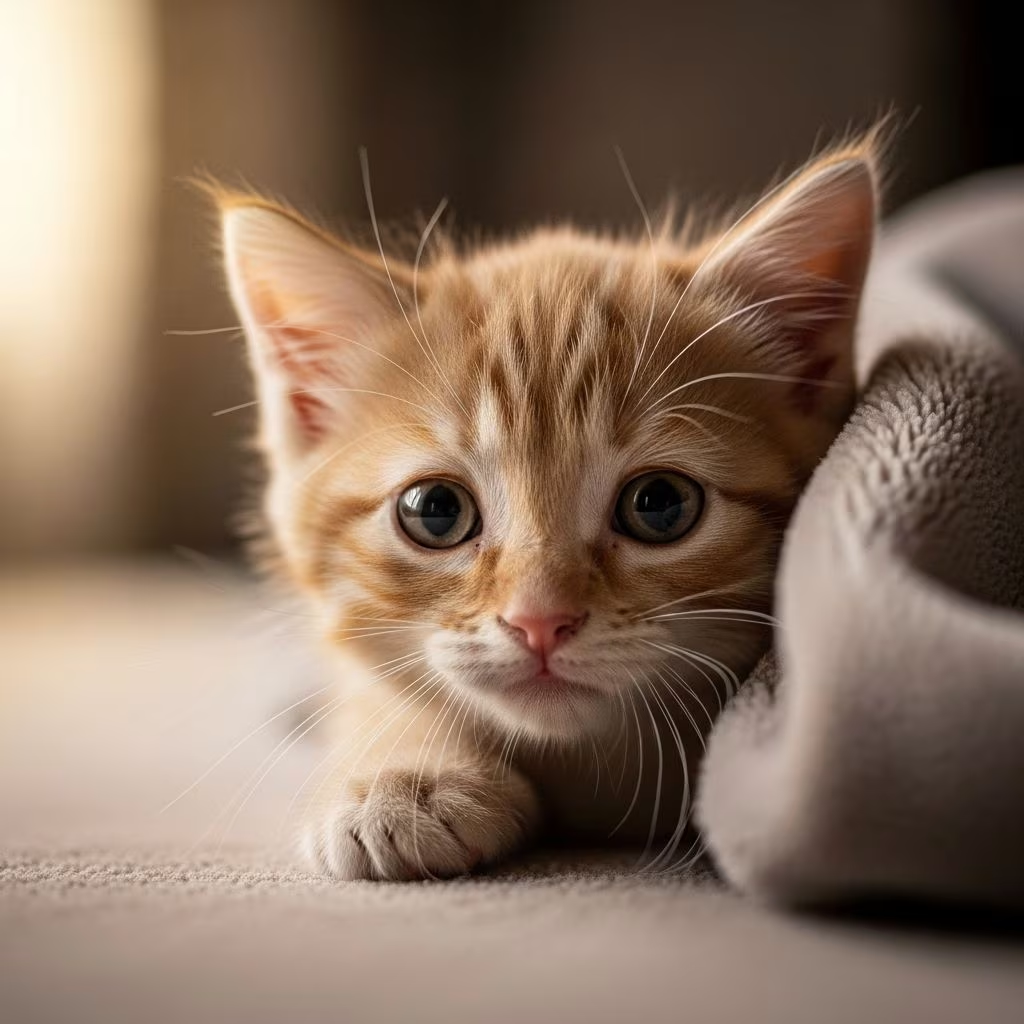
Understanding Your Scared Kitten’s Behavior
Bringing home a new kitten is an exciting experience, but some kittens arrive with fear and anxiety that can make the adjustment challenging for both you and your new companion. Fear in kittens can stem from various causes, including lack of early socialization, previous negative experiences, or simply having a naturally cautious temperament. Understanding that fear is a normal response and recognizing the signs of anxiety in your kitten is the first step toward helping them feel secure and confident in their new environment.
A frightened kitten may display several behavioral indicators including hiding, hissing, growling, flattened ears, dilated pupils, a tucked tail, or refusing to eat. These behaviors are communication signals that your kitten is experiencing stress or fear. Rather than punishing these reactions, it’s essential to recognize them as legitimate expressions of emotion that deserve respect and compassionate intervention. The good news is that with patience, consistency, and the right approach, most scared kittens can gradually overcome their fears and develop into confident, affectionate cats.
Setting Up a Safe Space for Your Fearful Kitten
Creating a secure, controlled environment is crucial when bringing home a scared kitten. The initial setup you provide will significantly influence how quickly your kitten adjusts to their new home and begins to trust you.
Establishing the Perfect Safe Room
Set up a large dog crate in a small room, ideally a bathroom or an empty space where you can control the environment. This designated safe space should be large enough to accommodate their food bowl, water dish, litter box, a few toys, and a hiding spot where they can retreat from view. The confined space prevents your kitten from darting out when you open the door or hiding in unsafe or hard-to-reach locations like behind appliances or inside walls.
The safe room should be quiet, free from high traffic, and away from loud appliances or noises. Keep the room temperature comfortable and ensure there’s adequate lighting that isn’t too bright. You might consider using soft lighting or natural light during the day to create a calming atmosphere. Leave the crate door propped open so your kitten can choose when to retreat to this familiar space, giving them agency and control over their environment.
Essential Supplies in the Safe Space
Stock your kitten’s safe room with everything they need for comfort and survival:
– High-quality kitten food and fresh water- A clean litter box placed away from food and water bowls- Soft bedding or a cozy cat bed- Hiding spots such as boxes, tunnels, or enclosed cat beds- Safe toys appropriate for their age and size- A scratching post or pad
The Critical First 24-48 Hours
The initial adjustment period after bringing your kitten home is absolutely crucial for their emotional development and long-term relationship with you. These first 24 to 48 hours require patience and restraint on your part, even though your instinct may be to interact with and comfort your new kitten immediately.
Minimizing Interaction During Adjustment
During this critical window, refrain from attempting to handle, pet, or play with your kitten. Instead, allow them to decompress and adjust to their new surroundings without pressure or expectation. Your role during these initial hours is to maintain their basic needs through quiet, slow movements and soft speaking. When entering the room, move deliberately and speak in hushed tones to avoid startling your kitten. Refill food and water bowls, clean the litter box, and perform other necessary tasks with minimal interaction.
This restraint is difficult for many cat owners who want to bond immediately, but resisting the urge to force interaction actually accelerates the bonding process. By respecting your kitten’s need for space and safety, you’re demonstrating that you’re trustworthy and that your presence doesn’t pose a threat.
Subtle Communication Techniques
Even during this low-interaction period, you can communicate care and safety to your kitten through subtle methods. If your kitten looks at you, offer slow blinks, which in feline body language signifies affection and peaceful intent. This non-threatening gesture can help your kitten begin to associate you with safety.
Spend time in the room engaged in your own activities—read a book, watch television, play games on your phone, or work on your laptop. Your calm, non-threatening presence helps your kitten become accustomed to you without the pressure of direct interaction. This passive companionship is incredibly valuable for building trust.
Building Positive Associations
One of the most effective strategies for helping a scared kitten overcome fear is creating positive associations between yourself, food, treats, and safe interactions.
Using Food and Treats as Trust Builders
After the initial 24-48 hour adjustment period, you can begin introducing high-value foods and treats when you’re in the room. Canned food, squeezable treats, or even chicken-flavored baby food serve as powerful motivators for fearful kittens. Place treats near where your kitten is hiding or eating, gradually establishing a connection between your presence and positive outcomes.
The principle of pairing is essential here: when your kitten experiences something positive (like a delicious treat) in association with you, they begin to create positive neural pathways connected to your presence. Over time, this repeatedly reinforced positive association builds confidence and trust.
Gentle Petting and Touch
Once your kitten has begun accepting treats from you, you can gradually introduce gentle petting. Begin with the least sensitive areas—around the face, chin, and behind the ears—where most cats enjoy touch. If your kitten is particularly fearful, you might use a soft paintbrush or toothbrush instead of your bare hand initially, as this can feel less threatening while still providing tactile stimulation.
Watch your kitten’s body language carefully during petting sessions. Signs of acceptance include ears remaining upright, tail relaxed and moving away from the body, and slow blinking eyes. If your kitten shows signs of stress such as ears pinning back, tail tucking, or attempts to move away, stop the interaction immediately and end on a positive note with an extra treat. Respecting these boundaries prevents negative associations and demonstrates that you listen to your kitten’s needs.
Understanding and Reading Body Language
Effective communication with your fearful kitten depends on your ability to accurately read and interpret their body language. Learning to recognize signs of relaxation versus stress allows you to adjust your interactions appropriately.
Signs of a Relaxed Kitten
As your kitten becomes increasingly comfortable, watch for these positive indicators:
– Ears no longer pinned flat back against the head- Tail moving freely, away from the body rather than wrapped tightly around it- Slow blinks and softened eyes- Purring when petted- Approaching you voluntarily- Eating treats or meals normally
Signs of Fear and Stress
Recognize these warning signals that indicate your kitten needs space and reduced pressure:
– Flattened ears pressed against the head- Dilated pupils- Hissing, growling, or spitting- Tail tucked tightly or lashing- Body crouched low or attempting to hide- Avoiding eye contact or staring intensely- Refusing food or treats
Gradual Handling and Picking Up Your Kitten
Learning to hold your kitten properly and building tolerance for being held is an important milestone in overcoming fear. This process must be gradual and respect your kitten’s comfort level.
Starting with Short Sessions
Begin by talking to your kitten in a soft, reassuring voice while offering high-value canned food or treats. During these early handling sessions, allow your kitten to remain mostly on the ground while you gently touch and hold different parts of their body. Support their chest and back legs properly, never picking them up by the scruff, paws, or tail.
Short sessions are critical—even just 30 seconds of holding your kitten while they eat a treat constitutes a successful session. Do not release your kitten while they’re struggling, hissing, or showing fear signals, as this reinforces that struggling works. Instead, continue holding them gently while offering food, and release them only when they show relaxation signals such as softened eyes, eating, or purring. This teaches them that calm behavior leads to being set down.
The Burrito Swaddle Technique
For kittens who need extra security, the burrito swaddle can help them feel contained and safe while being held. Gently wrap your kitten in a soft blanket, leaving their head exposed, and hold them securely against your chest. This technique provides physical security and can help anxious kittens relax during handling. Offer treats during the swaddle to create positive associations with being held in this manner.
Progressing to the Taco Swaddle
Once your kitten has relaxed and settled in the burrito swaddle multiple times, you can progress to the taco swaddle, which requires less restraint. When your kitten is already on a cat bed or blanket, simply fold the sides over them and move the entire bundle—kitten and blanket together—into your lap or to another location. This technique feels less restrictive to the kitten while still providing security.
Introducing Play and Engagement
Play is essential for building confidence and helping your kitten feel more secure in their environment. Interactive play also helps them express their natural hunting instincts in a safe, controlled manner.
Choosing the Right Toys
Wand toys with ribbons, strings, or feather attachments are excellent for engaging fearful kittens. These toys allow you to control the play experience and observe your kitten’s comfort level. Hold the wand toy at a low level initially, making tiny jerking motions to mimic the movement of prey like mice or birds.
Play Session Guidelines
Vary your wand toy movements between wiggling it on the floor and lifting it through the air to determine what captures your kitten’s interest most. Importantly, start and stop the movement frequently rather than continuously whipping the toy around nonstop. Constant motion can become overwhelming and cause fearful kittens to retreat. Short bursts of interesting movement followed by pauses keep your kitten engaged without overwhelming them.
As your kitten gains confidence during play sessions, they’ll emerge from hiding spots and engage with the toy more readily. After each play session ends, reward them with a tasty treat to create a positive association with playtime and interactive engagement with you.
Expanding Your Kitten’s World
Graduating from the Safe Room
When your kitten displays consistently relaxed body language, chooses to approach you regularly, and allows handling without towel support or restraint, they’re ready to explore beyond their initial safe room. This expansion is another critical milestone that should be approached thoughtfully.
Before opening up the larger space, double-check for hiding spots and remove any items that could be dangerous for a curious kitten to investigate. Leave the crate door propped open so your kitten can retreat to their familiar safe spot whenever they need to decompress.
Managing the Transition
Your kitten may initially hide as they experience the additional space, new objects, and unfamiliar smells. This is completely normal and indicates they’re still learning that people are safe and processing how to adapt to change. Continue spending time with them in the expanded space, offering canned food and engaging in play sessions until they display more relaxed body language.
In this larger environment, you can introduce new enrichment items such as cat scratchers, cat towers, and larger toys that wouldn’t fit in the crate. Introduce these items gradually and always pair them with treats and positive interactions to help your kitten view them as safe and interesting elements of their environment.
Avoiding Common Mistakes
Never Use Punishment
Punishing a scared kitten for hiding, hissing, growling, fleeing, or other fear responses is counterproductive and harmful. These behaviors are legitimate expressions of fear and should be respected, not punished. Never yell at your kitten, spray them with water or air, tap or smack them, use loud noises to startle them, or employ any form of punishment. Such tactics only increase fear and stress, creating negative associations with you and their home that can take years to overcome.
Respecting Boundaries
Allow your kitten to have a choice in interactions. Don’t force handling, petting, or play if your kitten is showing signs they’re not ready. Respecting these boundaries demonstrates that you listen to their communication and can be trusted.
Building Confidence Through Routine and Consistency
Cats, especially fearful ones, thrive on predictable routines. Establish consistent times for feeding, play, petting, and quiet companionship. When your kitten can predict what’s going to happen next, they feel more secure and in control, which naturally reduces anxiety.
Stay calm yourself—cats are remarkably perceptive and will pick up on your stress or anxiety. If you’re calm, patient, and consistent, your kitten will gradually learn to mirror that calm energy.
When to Seek Professional Help
While most scared kittens respond well to the strategies outlined above, some may benefit from professional assistance. Consider consulting with a veterinary behaviorist or certified animal behaviorist if your kitten:
– Shows extreme fear that doesn’t improve after several weeks- Displays aggressive behaviors such as frequent biting or scratching- Refuses to eat or use the litter box- Shows signs of illness or injury that might be contributing to fear- Has a history of trauma or abuse that requires specialized intervention
Frequently Asked Questions
Q: How long will it take my scared kitten to feel comfortable?
A: Timeline varies depending on the kitten’s personality and background. Some kittens show improvement within days, while others may take several weeks. Consistency and patience are key. Most kittens show significant progress within 2-4 weeks of implementing these strategies.
Q: Is it okay to use a towel when holding my fearful kitten?
A: Yes, initially using a soft towel or blanket for handling can help a fearful kitten feel secure and contained. As they become more comfortable, gradually reduce your reliance on the towel until you can handle them with just your hands.
Q: What if my kitten hisses or swats at me?
A: Hissing and swatting are fear responses, not aggression. Stay calm, stop whatever action triggered the response, and give your kitten space. Never punish these behaviors. They’re your kitten’s way of communicating that they need more time and a gentler approach.
Q: Can I bring other pets or children into the safe room before my kitten is ready?
A: No. Keep the safe room reserved for your kitten and yourself alone during the initial adjustment period. Additional stimuli can overwhelm a fearful kitten. Introduce other household members only after your kitten has become noticeably more confident in one-on-one interactions.
Q: What should I feed my scared kitten to help build trust?
A: High-value foods work best for trust-building. Canned kitten food, squeezable treats like Churu, cooked chicken (unseasoned), or chicken-flavored baby food are excellent choices. These foods are more enticing than dry kibble and create stronger positive associations.
Q: Is it normal for a kitten to hide constantly?
A: Some hiding is normal during the adjustment period, but if your kitten is refusing to eat, use the litter box, or shows no improvement in comfort level after 3-4 weeks, consult your veterinarian to rule out illness or injury.
References
- Socializing a Fearful Kitten — Wisconsin Humane Society. https://www.wihumane.org/socializing-fearful-kitten
- Socialization and Fear Prevention in Kittens — VCA Animal Hospitals. https://vcahospitals.com/know-your-pet/socialization-and-fear-prevention-in-kittens
- Shy and Fearful Cats: The Complete Guide — San Diego Humane Society. https://sdhumane.org/resources/shy-and-fearful-cats-complete/
- How to Help a Nervous Cat — PDSA (People’s Dispensary for Sick Animals). https://www.pdsa.org.uk/pet-help-and-advice/looking-after-your-pet/kittens-cats/how-to-help-a-nervous-cat
- Interacting with a Shy Kitten — Animal Rescue Fund of the Hamptons. https://arfhamptons.org/interacting-with-a-shy-kitten/
- Behavior and Environmental Needs: Kittens — American Animal Hospital Association (AAHA). https://www.aaha.org/resources/2021-aaha-aafp-feline-life-stage-guidelines/behavior-and-environmental-needs-kittens/



