

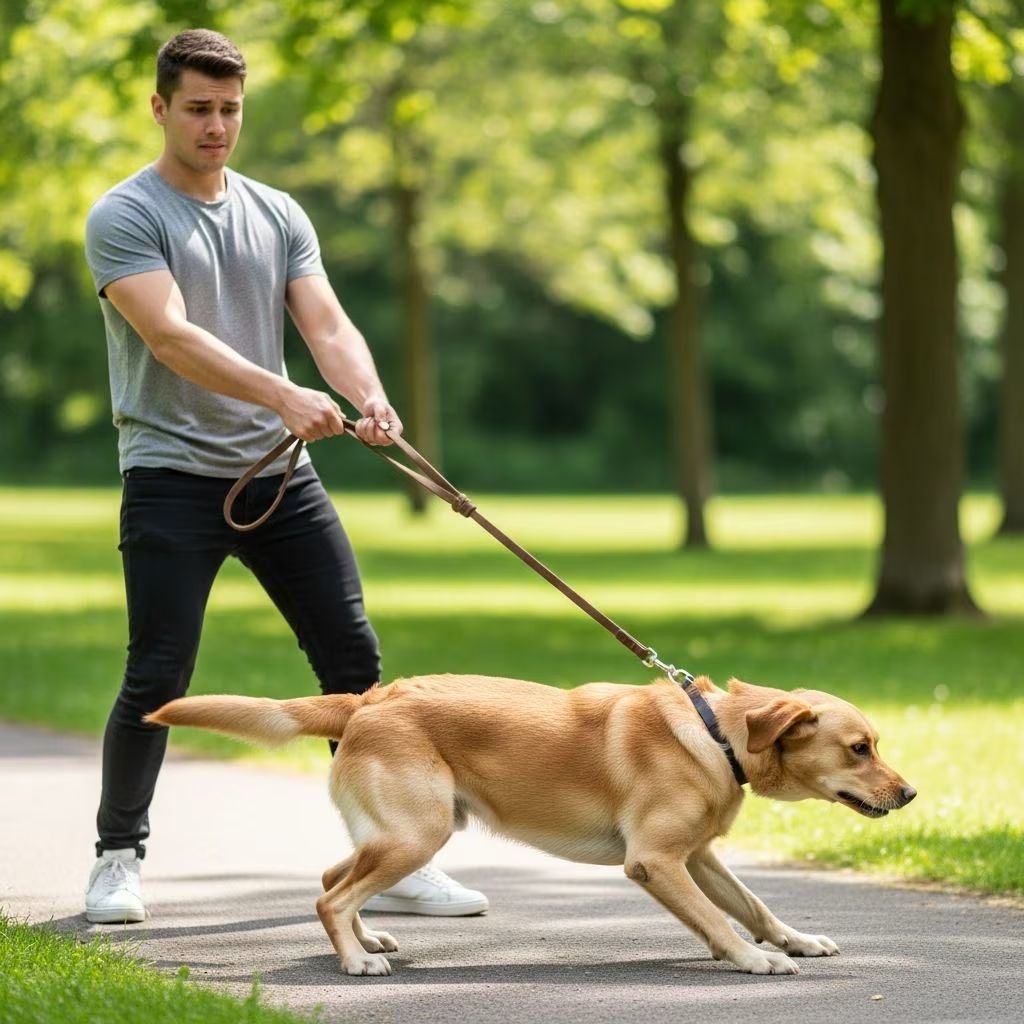
Walking your dog should be a relaxing, bonding routine. When your dog pulls hard on the leash, though, every outing can feel like a tug-of-war. The good news is that leash manners are a teachable skill for almost any dog, and you do not need harsh tools or punishment to make progress.
Why Dogs Pull on the Leash
Leash pulling is not your dog trying to be stubborn or dominant; it is usually a combination of instinct, excitement, and learned habits. Understanding these causes makes it easier to choose the right training plan.
Common Reasons for Leash Pulling
- They want to move faster: Most dogs walk more quickly than humans and naturally surge ahead to get where they want to go.
- Opposition reflex: When your dog feels pressure on the leash or collar, they instinctively lean into it and pull harder rather than slowing down.
- Exciting environment: New smells, sights, people, and other animals make dogs eager to investigate, so they race toward whatever catches their interest.
- Reinforced behavior: If pulling has repeatedly led to reaching the park, sniffing a tree, or greeting another dog, your dog has been rewarded for pulling and will keep doing it.
- Lack of training: Loose-leash walking is a complex skill and does not come naturally. Dogs need repetition and clear feedback to understand it.
Is Leash Pulling Dangerous?
Persistent pulling is more than just annoying; it can create safety and health risks for both you and your dog.
- Injury to humans: Strong pulls or sudden lunges may cause falls, sprains, or more serious injuries, especially in older adults or children.
- Injury to dogs: Pressure from collars, especially with jerking, can strain the neck, trachea, or spine, and some training collars work by causing pain.
- Escapes and traffic risk: A dog that pulls hard is more likely to slip out of poorly fitting gear or drag you toward roads or other hazards.
- Less exercise: If every walk is a battle, humans may walk their dogs less often or for shorter distances, which can affect the dog’s physical and mental health.
Before You Start Training
Setting your dog up for success makes leash training faster and less frustrating. Address their basic needs and choose safe, comfortable equipment.
Check Your Dog’s Needs First
Some pulling problems improve when you adjust your routine outside of walks.
- Physical exercise: High-energy dogs may pull simply because they have too much pent-up energy. Extra off-leash play in a safe, fenced area or on a long line can help.
- Mental enrichment: Puzzle feeders, scent games, and training sessions can reduce restlessness and help your dog focus on you during walks.
- Sniffing time: Dogs experience the world through their noses. Allowing structured sniff breaks can satisfy this need so they feel less frantic about getting to every smell.
- Health check: If your dog suddenly starts pulling more, seems uncomfortable, or resists walking normally, consult your veterinarian to rule out pain or illness.
Choosing Humane Walking Equipment
While equipment alone will not solve pulling, it can make training safer and more comfortable for your dog.
| Equipment | How It Works | Pros | Considerations |
|---|---|---|---|
| Flat collar | Sits around the neck; leash clips to a ring. | Simple, common, holds ID tags. | Not ideal for heavy pullers; can put pressure on neck. |
| Front-clip harness | Harness wraps the body; leash attaches at the front of chest. | Helps turn the dog toward you when they pull; reduces neck strain. | Still needs training; must be fitted properly to avoid rubbing. |
| Back-clip harness | Leash attaches on the dog’s back. | Comfortable, good for small or sensitive dogs. | Can give dogs more leverage to pull if not paired with training. |
| Head halter | Fits around muzzle and behind ears; gently turns head. | Gives extra control for large, strong dogs. | Requires careful introduction and gentle handling to avoid discomfort. |
| Choke, prong, shock collars | Apply pain or discomfort when the dog pulls. | Can stop pulling in the moment. | Rely on pain, risk physical and behavioral side effects, and are not recommended by many veterinary behavior experts. |
Many veterinary and humane organizations advise avoiding aversive tools like choke, prong, and shock collars because they work by causing pain and can increase fear or aggression over time.
Core Principles of Loose-Leash Training
Teaching your dog to walk calmly on a loose leash depends on clear, consistent rules and positive reinforcement.
What Is Loose-Leash Walking?
Loose-leash walking means your dog moves beside you or slightly in front with the leash forming a soft curve, not a tight line. Your dog does not need to heel perfectly at your side; the main goal is a relaxed leash and safe, controlled movement.
Key Training Principles
- Reinforce what you want: The behavior that gets rewarded will grow stronger. Treat and praise your dog whenever the leash is slack and they are near you.
- Pulling never works: If pulling still gets your dog where they want to go, they have no reason to stop. Consistently prevent pulling from leading to forward motion.
- Train in low-distraction areas first: Start indoors or in a quiet yard so your dog can learn the skill before adding the distractions of a busy street or park.
- Short, frequent sessions: Multiple short practice sessions are often more effective than one long, exhausting walk.
- Patience and consistency: Loose-leash walking is one of the more challenging skills for pet dogs and may take weeks of steady practice.
Step-by-Step: Teaching Your Dog Not to Pull
The following exercises build leash manners gradually, from quiet environments to more exciting walks.
Step 1: Foundation Indoors or in the Yard
Begin where your dog is calm enough to focus.
- Clip the leash to your dog’s harness or collar.
- Stand still and wait. The moment the leash loosens or your dog turns toward you, say a marker word like “Yes!” and give a treat near your leg.
- Take one or two steps forward. If the leash stays loose, mark and reward again.
- If your dog starts to pull, stop moving and wait for slack before continuing.
This exercise teaches your dog that staying near you on a loose leash makes treats and forward motion happen.
Step 2: The “Red Light, Green Light” Game
This method helps your dog learn that they control whether the walk moves or stops based on leash tension.
- Walk at a normal pace with your dog.
- When the leash tightens, become a “red light”: stop immediately and plant your feet.
- Wait silently for your dog to look back, step closer, or otherwise loosen the leash.
- As soon as the leash slackens, mark the moment and become a “green light”: move forward again and praise.
Over time, your dog learns that pulling makes the fun stop, while a loose leash keeps the walk going.
Step 3: Adding Direction Changes
Changing direction teaches your dog to pay attention to your movements instead of charging straight ahead.
- Walk forward with your dog on a loose leash.
- Before the leash tightens, turn 90 or 180 degrees and walk a different way.
- Reward your dog whenever they quickly adjust and catch up to your new direction.
These frequent changes create the habit of checking in with you and staying close.
Step 4: Gradually Increase Distractions
Once your dog is doing well in low-distraction places, carefully add more challenging environments.
- Move from indoors to a quiet sidewalk, then to slightly busier areas.
- Keep treats highly rewarding when distractions increase.
- If your dog struggles, step back to an easier environment or distance from triggers.
What Not to Do When Your Dog Pulls
Certain responses can make pulling worse or create new behavior problems.
- Do not jerk or “pop” the leash: Sudden corrections can hurt your dog’s neck and make walks scary, increasing anxiety or reactivity.
- Avoid punishment-based collars: Prong, choke, and shock collars work through pain and can be associated with higher stress and aggression risks.
- Do not yell: Raising your voice rarely teaches a specific alternative behavior and can undermine your dog’s trust.
- Do not keep walking while they pull: If pulling still leads to progress, your dog learns that pulling is effective.
Realistic Expectations and Progress Tips
Every dog learns at a different pace. Setting fair expectations helps you stay motivated.
- Age matters: Puppies and adolescent dogs often have more energy and shorter attention spans, so they may take longer to master leash manners.
- Breed and temperament: Some breeds were developed to pull or track, which can make loose-leash walking more challenging but still achievable with patience.
- History: Rescue dogs or those with a long history of pulling may need extra time and gentle guidance.
- Professional support: If you feel stuck, a qualified, reward-based trainer or veterinary behaviorist can tailor a plan for your dog’s specific needs.
Frequently Asked Questions (FAQs)
Q: How long will it take to stop my dog from pulling?
A: It depends on your dog’s age, energy level, and history. Some dogs improve in a few weeks of daily practice; others need several months of consistent, positive training. Short, frequent sessions and clear rules about not moving forward when the leash is tight will help you progress faster.
Q: Can an older dog still learn loose-leash walking?
A: Yes. Dogs can learn at any age, though older dogs with a long pulling history may need more repetition. Keep sessions gentle, watch for signs of discomfort, and consult your veterinarian if you suspect pain or mobility issues are affecting training.
Q: Is a harness better than a collar for pullers?
A: Many experts recommend a well-fitted front-clip harness for dogs that pull because it reduces neck pressure and can give you more control without pain. However, equipment alone will not solve the problem—you still need to teach your dog that a loose leash is what makes walks continue.
Q: Should I let my dog sniff during walks if I want good leash manners?
A: Yes, in a structured way. Sniffing is important enrichment and can make walks more satisfying and calming. Build in “sniff breaks” where you cue your dog that they may explore, then end the break with a cue and resume loose-leash walking so they learn to shift between both modes.
Q: When is it time to seek professional help?
A: Seek help from a qualified trainer or veterinary behaviorist if your dog’s pulling is accompanied by lunging, barking, or aggression, if you feel unsafe on walks, or if you are not seeing progress despite consistent practice. Look for professionals who use reward-based methods and avoid coercive or pain-based tools.
References
- Controlling Pulling on Walks — VCA Animal Hospitals. 2022-03-15. https://vcahospitals.com/know-your-pet/controlling-pulling-on-walks
- Companion Animal Welfare and Training: Dog Training Methods — American Veterinary Society of Animal Behavior (AVSAB). 2021-07-28. https://avsab.org/wp-content/uploads/2021/08/AVSAB-Position-Statement-on-Humane-Dog-Training-2021.pdf
- How to Stop a Dog From Pulling on Leash — Best Friends Animal Society. 2023-05-10. https://bestfriends.org/pet-care-resources/how-stop-dog-pulling-leash
- How to Stop Your Dog From Pulling on Leash — American Kennel Club. 2020-09-23. https://www.akc.org/expert-advice/training/expert-tips-dog-leash-issues/
- Loose Leash Walking — Wisconsin Humane Society. 2021-11-02. https://www.wihumane.org/loose-leash-walking
- Why Dogs Pull: Root Causes & Solutions — Dog Owners Academy. 2023-06-14. https://www.dogownersacademy.com/why-dogs-pull-on-leash/



