

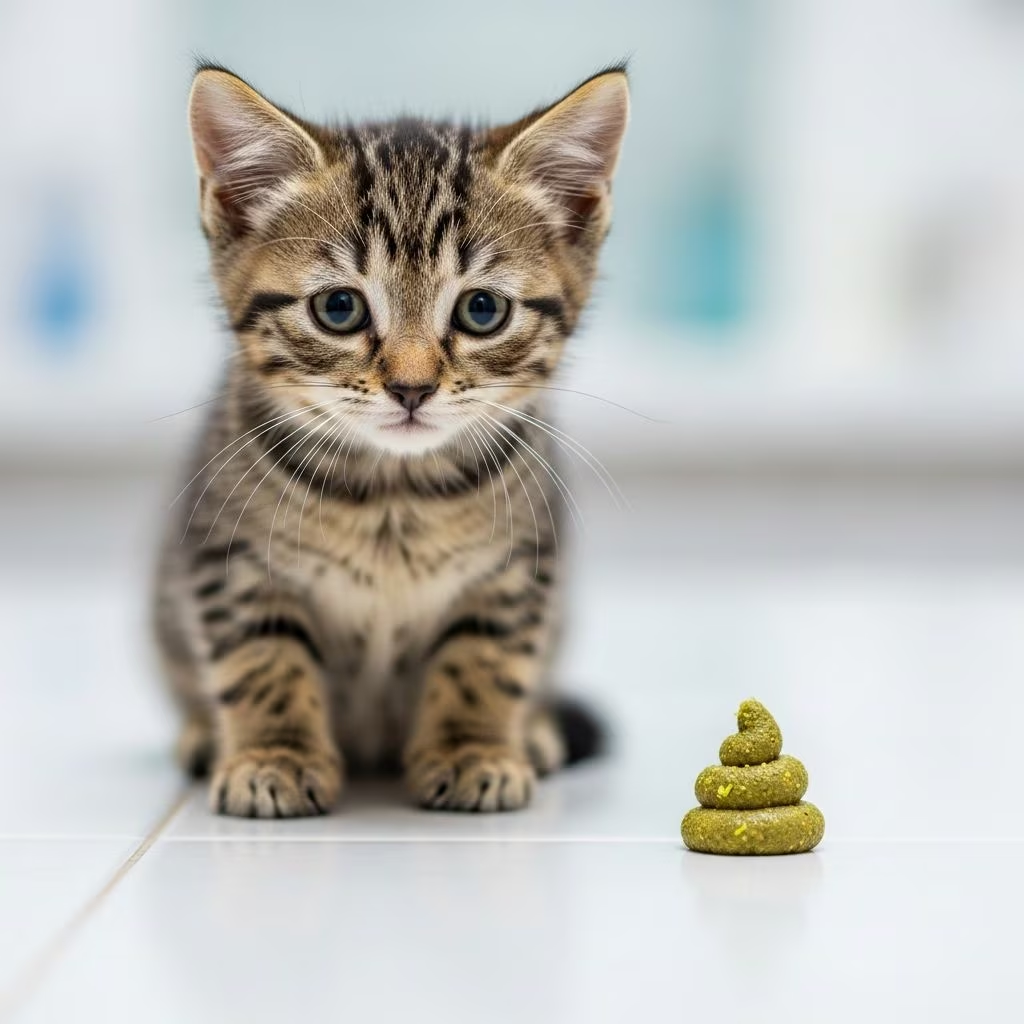
Kittens have sensitive digestive systems, and changes in their poop can signal health issues ranging from minor diet problems to serious infections. Normal kitten stool is firm, brown, sausage-shaped, and passed easily 1-2 times daily. Abnormal poop—like loose, watery diarrhea, hard pellets, blood, or worms—requires prompt attention to prevent dehydration or worse. This guide covers everything from identifying issues to treatments and prevention, helping you keep your kitten healthy.
What Does Normal Kitten Poop Look Like?
Healthy kitten poop is a key indicator of good digestion. It should be:
- Firm and formed: Like a moist banana or sausage, not mushy or liquid.
- Brown color: Medium to dark brown, depending on diet.
- Small to moderate size: Matching the kitten’s body size.
- Passed effortlessly: No straining, crying, or tail tensing.
- Frequency: 1-3 times per day, odor mild.
Variations occur with age and diet—mother’s milk makes softer stools in nursing kittens—but consistency improves with weaning. Track changes using the Bristol Stool Chart adapted for cats: Types 3-4 are ideal.
Types of Abnormal Kitten Poop
Abnormal stool falls into categories like diarrhea, constipation, or unusual colors/textures. Here’s how to spot them:
- Diarrhea: Watery, urgent, frequent. Can be small intestine (liquid, voluminous) or large intestine (mucus/blood, frequent small amounts).
- Constipation: Hard, dry pellets or no poop for 2+ days. Kittens strain, may have liquid leakage.
- Bloody stool: Bright red (lower gut) or black/tarry (upper GI bleed)—emergency!
- Mucousy or wormy: Indicates parasites like roundworms or giardia.
- Other: Yellow (liver issues), greasy (malabsorption), foul-smelling (infections).
| Stool Type | Appearance | Possible Causes | Urgency |
|---|---|---|---|
| Normal | Firm, brown log | Balanced diet | Monitor |
| Diarrhea | Watery, frequent | Parasites, diet change | High |
| Constipation | Hard pellets, straining | Dehydration, hairballs | Medium-High |
| Bloody | Red streaks or tarry | Parasites, IBD | Emergency |
| Worms visible | White segments/strings | Intestinal parasites | High |
Common Causes of Kitten Diarrhea
Diarrhea is the most frequent poop issue in kittens, often from their immature guts. Top causes include:
- Parasites: Roundworms, hookworms, giardia, coccidia—rampant in kittens. Symptoms: watery diarrhea, weight loss, potbelly.
- Diet changes: Sudden food switches or cow’s milk (lactose intolerance). Kittens can’t digest dairy; it causes rapid diarrhea.
- Infections: Viruses (panleukopenia, coronavirus), bacteria (Salmonella, E. coli, Campylobacter). Unvaccinated kittens are vulnerable.
- Stress: New homes, weaning, or litter mates cause gut upset.
- Other: Toxins, foreign objects, allergies, or meds like antibiotics.
In young kittens under 6 months, parasites cause up to 50% of cases; test via fecal exam.
Causes of Constipation in Kittens
Less common but serious, constipation blocks waste. Causes:
- Dehydration: From diarrhea, heat, or low water intake.
- Diet: Low-fiber food, hairballs, or bones.
- Medical: Megacolon, anal gland issues, or obstructions.
Kittens may pass liquid stool around blockages, mimicking diarrhea. Untreated, it leads to toxemia.
Unusual Poop Colors and What They Mean
| Color | Possible Cause | Action |
|---|---|---|
| Green | Bile, rapid transit, infections | Vet check |
| Yellow | Liver/pancreas issues | Urgent |
| Black/Tarry | Upper GI bleed | Emergency |
| Bright Red Blood | Colitis, parasites, polyps | High |
| Gray/White | Bile duct block | Emergency |
Blood always warrants a vet visit—could be giardia or IBD.
When to Worry: Signs to Call the Vet
Not all poop issues need immediate care, but watch for:
- Diarrhea lasting 24+ hours or worsening.
- Kitten under 6 months, senior, or chronic illness.
- Blood, mucus, worms, or black stool.
- Dehydration (skin tenting, dry gums, lethargy).
- Vomiting, no appetite, fever, bloating, weight loss.
Kittens dehydrate fast—act within hours.
Diagnosing Kitten Poop Problems
Vets start with history (diet, vaccines, environment), exam, then:
- Fecal test: Checks parasites, bacteria, viruses via PCR.
- Bloodwork: For infections, organ function.
- Imaging: X-rays for blockages.
- Other: Endoscopy for IBD.
Treating Diarrhea in Kittens
Treatment targets cause while supporting recovery:
- Fluids: SubQ or IV to combat dehydration.
- Diet: Bland (boiled chicken/rice) or prescription.
- Parasite meds: Fenbendazole, metronidazole for giardia.
- Probiotics: Restore gut flora.
- Anti-diarrheals: Kaolin-pectin, sparingly.
Most resolve in 3-5 days with care.
Treating Constipation
- Enemas: Vet-administered for severe cases.
- Laxatives: Lactulose, cisapride.
- Diet: High-fiber, pumpkin (1 tsp/day).
- Exercise: Encourage play.
Home Remedies for Mild Cases
For short-term issues:
- Withhold food: 12-24 hours, then bland diet.
- Hydration: Pedialyte (unflavored, diluted).
- Probiotics: FortiFlora.
- Pumpkin: Plain canned, 1/2 tsp.
Never use human anti-diarrheals like Imodium—toxic to cats.
Preventing Poop Problems in Kittens
- Vaccinate: Core vaccines prevent viruses.
- Deworm regularly: Every 2 weeks until 12 weeks, then monthly.
- Quality diet: Kitten-specific, gradual changes.
- Clean litter: Daily scooping.
- No milk/table scraps.
- Stress reduction: Feliway, routine.
Frequently Asked Questions (FAQs)
Q: How long can kitten diarrhea last before seeing a vet?
A: 24 hours max for mild cases; sooner if young or with other symptoms.
Q: Can I give my kitten milk if they have diarrhea?
A: No—most are lactose intolerant, worsening it.
Q: What if I see worms in kitten poop?
A: Vet for dewormer; common in kittens.
Q: Is bloody stool always an emergency?
A: Yes, especially bright red or tarry—rule out bleeding.
Q: How to hydrate a kitten with diarrhea at home?
A: Offer water, broth; subQ fluids if vet-trained. Monitor closely.
References
- Rational Approach to Diagnosing and Managing Infectious Causes of Diarrhea in Kittens — PMC/NCBI. 2020-04-01. https://pmc.ncbi.nlm.nih.gov/articles/PMC7152495/
- 18 Common Causes of Diarrhea in Cats and Kittens — CareCredit. 2023-01-15. https://www.carecredit.com/well-u/pet-care/what-causes-kitten-diarrhea/
- Kitten Diarrhea: Common Causes, Symptoms and Treatment — BluePearl Pet Hospital. 2024-06-10. https://bluepearlvet.com/medical-articles-for-pet-owners/kitten-diarrhea/
- Diarrhea — VCA Animal Hospitals. 2023-11-20. https://vcahospitals.com/know-your-pet/diarrhea-in-cats



