

Help Cats Adapt to Divorce: Vet-Reviewed Strategies for Your Feline Friend
Divorce is one of life’s most challenging transitions, and its complications extend far beyond just the human family members involved. When a marriage ends, cats often become overlooked casualties of the upheaval, experiencing significant stress and behavioral changes due to the disruption of their familiar environment and routines. Unlike children who can understand explanations about separation, cats lack the cognitive ability to comprehend why their world has suddenly changed. They rely entirely on the stability, predictability, and emotional security provided by their human caregivers, making divorce particularly disorienting for these sensitive creatures.
Cats are creatures of habit who thrive on consistency and routine. They have spent months or years developing a sense of security within their household, bonding with their caregivers, and establishing patterns that govern their daily lives. When divorce disrupts this equilibrium—whether through changes in living arrangements, alterations to feeding schedules, reduced time with one parent, or complete relocation to a new home—cats often struggle to adapt. The good news is that while you cannot eliminate the changes that come with divorce, you can significantly minimize their emotional impact on your feline companion through thoughtful planning, communication with your ex-partner, and strategic interventions.
Understanding How Divorce Affects Cats
Cats are remarkably perceptive animals that pick up on the emotional tenor of their household. Cats can sense stress, tension, and anxiety in their human companions, and they respond to these emotional cues with their own stress responses. When household discord increases—evidenced by raised voices, arguments, or emotional volatility—cats perceive this discord and become anxious themselves. The uncertainty of impending change, combined with the emotional instability they sense around them, creates a perfect storm of stress for feline companions.
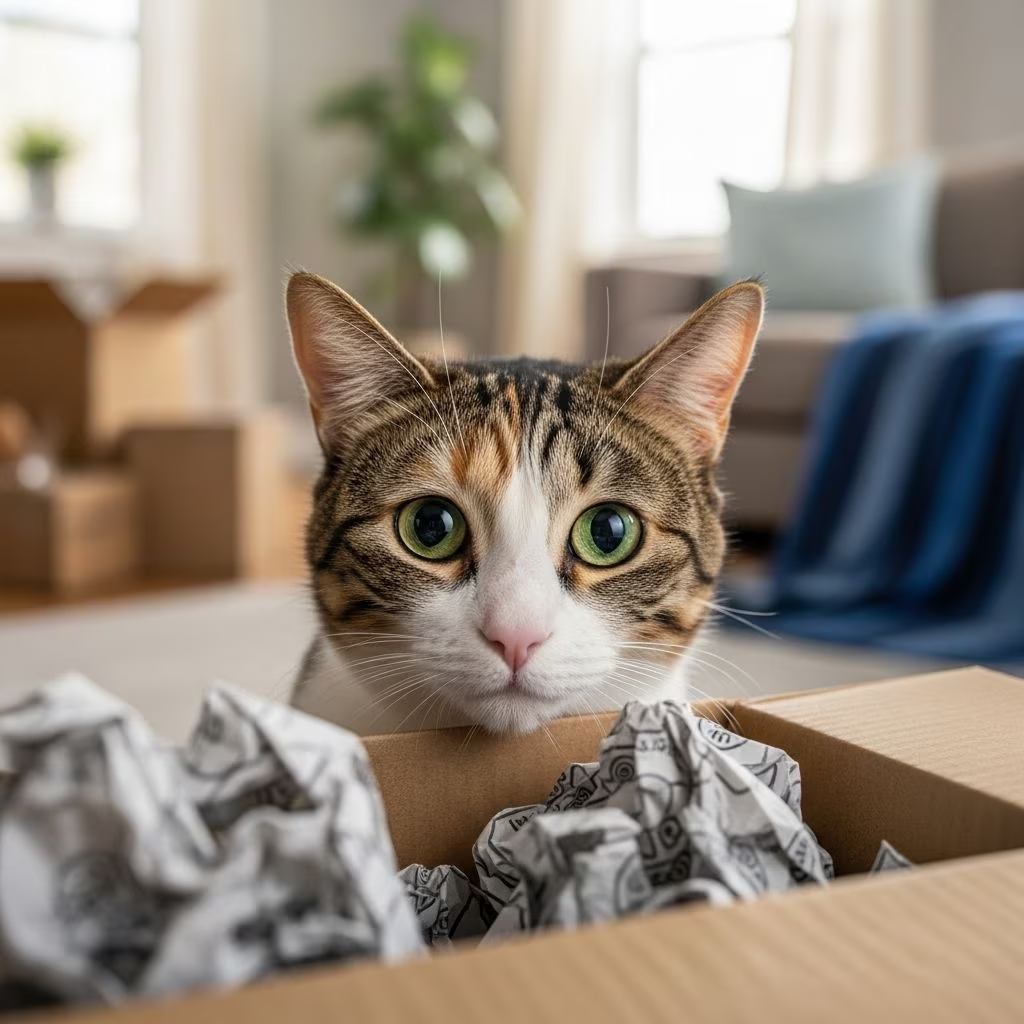
Beyond emotional sensitivity, cats are also highly attuned to physical changes in their environment. They notice when a parent begins spending less time at home, when furniture is rearranged or removed, when new boxes appear for packing, and when the daily rhythm of household activity shifts. All of these signals communicate to a cat that something significant is changing, triggering anxiety and stress responses.
Recognizing Signs of Stress in Your Cat
Understanding how your cat expresses stress is crucial for identifying when intervention is needed. Cats manifest stress and anxiety through a variety of behavioral and physical indicators:
- Inappropriate elimination – One of the most common stress responses, cats may urinate or defecate outside the litter box, or engage in urine spraying on walls and furniture
- Excessive grooming – Stressed cats often over-groom, which can lead to hair loss and skin irritation
- Hiding behavior – Withdrawal and hiding more than usual is a classic sign that your cat is feeling insecure
- Changes in appetite – Cats may refuse to eat or show decreased interest in food
- Reduced social interaction – Loss of interest in toys, treats, and interaction with family members
- Litter box avoidance – Changes in litter box habits beyond inappropriate elimination
- Vocalization changes – Excessive meowing or silence, depending on the individual cat
- Aggression – Some cats become more aggressive or irritable when stressed
- Decreased affection – Cats may become less affectionate or distant from their caregivers
If your cat displays any of these behaviors, it’s important to monitor the situation closely. Persistent or worsening behavioral changes, or physical symptoms like vomiting or diarrhea, warrant a consultation with your veterinarian to rule out underlying health issues and discuss stress management strategies.
The Critical Importance of Routine During Divorce
Perhaps the single most important factor in helping your cat adapt to divorce is maintaining as much routine as possible. Cats thrive on predictability and find security in knowing what to expect throughout their day. Feeding times, play sessions, litter box cleaning schedules, and sleep patterns provide a framework of stability that helps cats feel safe and in control of their environment.
When divorce necessitates changes to these routines—such as altering feeding times, reducing the frequency of walks or play sessions, or changing sleep arrangements—cats become anxious and confused. If routine modifications are unavoidable due to custody agreements or lifestyle changes, implement these adjustments gradually and use positive reinforcement to help your cat adapt. For example, if a cat accustomed to two daily play sessions will now receive only one, gradually transition to the new schedule over several weeks rather than making an abrupt change.
Work with your ex-partner to coordinate feeding schedules, play times, and other routines between households. If your cat alternates between two homes, try to maintain identical routines in each location—feeding at the same times, using the same type of litter, and providing similar play opportunities. This consistency across both residences helps your cat feel secure regardless of which parent they’re with.
Managing Environmental Changes
One of the most significant challenges during divorce is managing the physical environmental changes your cat must navigate. Moving to a new home is particularly stressful for cats, who are highly sensitive to changes in their surroundings. Cats derive a sense of security from familiar smells, locations of furniture, and the overall layout of their territory.
When moving with your cat, take these steps to ease the transition:
- Pack gradually, allowing your cat to become accustomed to the sight of boxes over time rather than sudden, complete packing
- Designate a safe room in the new home where your cat can retreat initially, equipped with their litter box, food and water bowls, favorite toys, and bedding that carries familiar scents
- Maintain familiar items from the previous home—beds, toys, scratching posts, and other possessions that carry comforting scents
- Allow your cat to explore the new home at their own pace, rather than forcing them to navigate the entire space immediately
- Use pheromone diffusers (such as Feliway) to create a calming environment and reduce stress in the new home
If your cat alternates between two homes rather than moving permanently, consistency in the physical environment becomes even more critical. Encourage your ex-partner to maintain similar furniture arrangements, litter box locations, and room layouts in their home to minimize your cat’s disorientation when transitioning between households.
Communication and Cooperation with Your Ex-Partner
Successfully helping your cat adapt to divorce requires open communication and cooperation with your ex-partner. While divorce often involves significant conflict, prioritizing your cat’s welfare above personal disputes is essential. Discuss and agree upon:
- Custody arrangements that minimize disruption to your cat’s primary attachment and routine
- Consistent feeding schedules, portion sizes, and food types across both households
- Identical litter box types and litter materials in each home
- Coordinated play and exercise schedules
- Shared responsibility for veterinary care and medical expenses
- Arrangements for medication or special care needs
- Communication protocols for reporting behavioral changes or health concerns
Many couples find it helpful to formalize these agreements in writing, either as part of divorce settlement documents or as a separate pet care agreement. This removes ambiguity and helps ensure both parents follow through with commitments to your cat’s welfare. Some couples even decide to continue living together during their cat’s final illness or end-of-life care, demonstrating that prioritizing pet welfare can sometimes facilitate unexpected cooperation.
Expect Your Pets to Be Stressed
It’s crucial to enter this transition with realistic expectations. Your cat will likely experience stress and anxiety during divorce, and you must be patient and compassionate as they navigate this difficult period. Change is inherently unsettling for cats, who prefer consistency because it makes them feel secure. Divorce brings tremendous changes that your cat may be ill-equipped to handle without support and understanding.
Rather than expecting your cat to immediately adjust to new circumstances, recognize that adaptation takes time. Some cats may require weeks or months to feel truly comfortable in a new situation. During this adjustment period, maintain realistic expectations about behavior, provide extra reassurance and attention, and refrain from punishing stress-related behavioral problems. Your cat isn’t misbehaving deliberately—they’re expressing distress and fear.
Focus your efforts on demonstrating to your cat that despite the changes occurring around them, they will continue to receive the love, care, and attention they’ve always known. This reassurance is the most powerful tool you have for helping your feline companion feel secure during an unstable time.
Providing Environmental Enrichment and Mental Stimulation
During times of stress, cats benefit significantly from environmental enrichment and mental stimulation. Interactive play, puzzle feeders, window perches for bird watching, and rotating toys help keep your cat engaged and provide healthy outlets for anxiety and stress. These activities also strengthen the bond between you and your cat, providing reassurance through positive interaction.
Dedicate time each day to interactive play sessions with your cat. Laser pointers, feather wands, and balls provide excellent forms of exercise and mental stimulation. Puzzle feeders that require problem-solving to access food offer both mental engagement and the satisfaction of a successful hunt. Window perches allow indoor cats to observe outdoor activity, providing entertainment and sensory stimulation.
When to Seek Professional Help
If your cat’s stress-related behaviors persist despite your efforts, or if behavioral changes escalate, consult with your veterinarian or a feline behaviorist. In some cases, temporary anti-anxiety medication may be beneficial, such as Clomicalm, which veterinarians sometimes prescribe to help cats cope with separation anxiety and stress. A professional can also identify whether behavioral issues stem from stress or underlying medical conditions.
Legal Considerations for Pet Custody
While most divorcing couples are able to work out pet custody arrangements amicably, understanding your legal options is important. Pet custody laws vary significantly by jurisdiction. Some courts treat pets as property to be divided like furniture or vehicles, while others increasingly recognize pets as family members deserving consideration similar to children.
Some jurisdictions allow joint custody arrangements for pets, particularly when both parents are equally bonded to the animal. In Illinois, a judge awarded a childless couple joint custody of their dog specifically because the dog was attached to both parents, demonstrating that courts are becoming more thoughtful about pet welfare.
To protect your cat’s interests, consider including pet custody provisions in your divorce agreement that address where your cat will live, how veterinary decisions will be made, how costs will be shared, and what happens if circumstances change. This prevents future disputes and ensures your cat’s needs remain prioritized.
Creating a Safe Space for Your Cat
Regardless of custody arrangements, your cat needs a dedicated safe space where they can retreat when feeling overwhelmed. This space should include:
- A comfortable bed or furniture for resting
- Easy access to food and water
- A clean litter box, placed away from food and water
- Favorite toys and enrichment items
- Familiar scents from their previous environment
- Low lighting or dim areas for hiding if needed
- Height options, such as cat trees or shelves, where cats feel secure observing their territory
This safe haven provides your cat with a place to decompress, reduces stress, and helps them feel they maintain some control over their environment during a time of significant change.
Frequently Asked Questions
Q: Can cats really sense divorce and family conflict?
A: Yes, cats are sensitive to their owner’s emotions and household dynamics. They can pick up on stress, tension, and changes in routine, which triggers their own anxiety responses. Cats are attuned to the emotional tenor of their household and respond accordingly.
Q: How long does it take for a cat to adapt to divorce changes?
A: Adaptation timelines vary by individual cat. Some may adjust within weeks, while others require months to feel secure in new circumstances. Patience, consistency, and continued emotional support facilitate faster adaptation.
Q: Is joint custody a viable option for cats?
A: Yes, joint custody is possible when both parents are bonded to the cat and willing to cooperate. However, some cats do better staying primarily with one parent. Consider your cat’s temperament and primary attachment when determining custody arrangements.
Q: What should I do if my cat’s stress behaviors don’t improve?
A: If stress-related behaviors persist or worsen, consult your veterinarian. They can rule out medical issues, assess stress severity, and discuss medication options or referrals to feline behaviorists.
Q: Can I use medication to help my cat during divorce?
A: Yes, veterinarians can prescribe anti-anxiety medications like Clomicalm when behavioral interventions prove insufficient. Discuss this option with your vet to determine if medication would benefit your cat.
Final Thoughts
Pet owners frequently underestimate the profound effects that significant life changes like divorce can have on their cats. Felines are remarkably attuned to household dynamics and respond to change with visible stress and behavioral shifts. Your goal throughout this transition should be making this new chapter as non-threatening and predictable as possible for your feline companions.
Cats don’t like change, and they cannot understand explanations about why their world is shifting. However, they can understand consistency, routine, and continued affection. By reassuring your cat that despite the changes around them, they will continue receiving the same level of care, attention, and love, you help them navigate this difficult period with greater resilience and emotional security. The effort you invest now in supporting your cat’s well-being during divorce pays dividends in their long-term happiness, health, and your relationship with them.
References
- Divorce Can Be Hard on the Family Cat — PetPlace.com. Accessed 2026-01-15. https://www.petplace.com/article/cats/pet-behavior-training/divorce-can-be-hard-on-the-family-cat
- The Impact of Divorce and Separation on Domestic Pets — Pet Blog Lady. 2024-10. https://petbloglady.com/2024/10/the-impact-of-divorce-and-separation-on-domestic-pets.html
- Stuck in the Middle: Divorce and Pets — Westgate Pet and Bird Hospital. Accessed 2026-01-15. https://www.westgatepetandbird.com/blog/stuck-in-the-middle-divorce-and-pets
- Can cats get stressed during a divorce? — Dial a Vet. Accessed 2026-01-15. https://www.dialavet.com/vet-answers/cat-hiding-under-bed-52779
- How to Help Cats Adapt to a Divorce: Vet Reviewed Techniques — Catster. Accessed 2026-01-15. https://www.catster.com/lifestyle/how-to-help-cats-adapt-to-a-divorce/
- Helping Your Pet Adjust to a Divorce — Nathan Law Offices. Accessed 2026-01-15. https://www.nathanlawoffices.com/blog/helping-your-pet-adjust-to-a-divorce.cfm
- Splitting Pets Up During a Divorce? Here’s What You Need to Consider — Pet Wellbeing. Accessed 2026-01-15. https://petwellbeing.com/blogs/news/splitting-pets-up-during-a-divorce-heres-what-you-need-to-consider



