

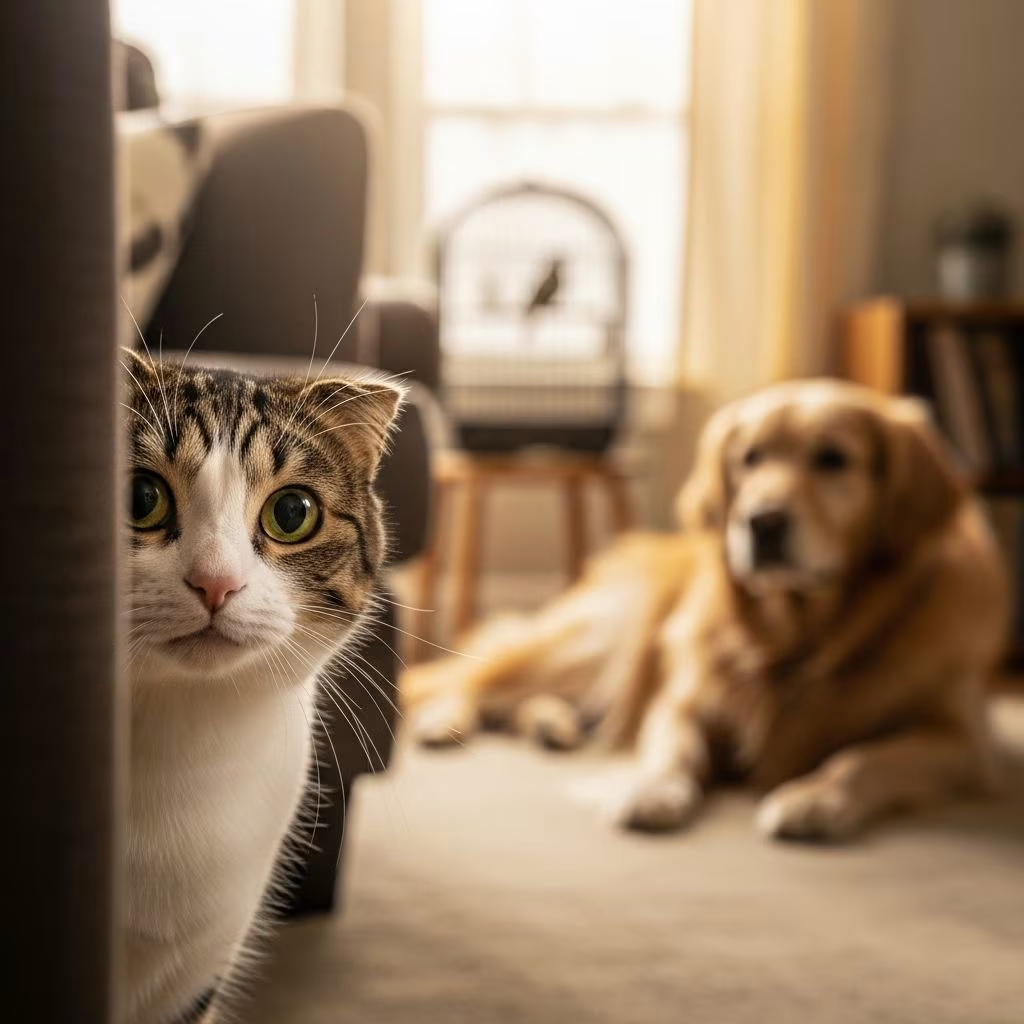
How to Help a Cat Scared of Dogs or Other Pets
If your cat is showing signs of fear toward your dog, another cat, or other pets in your home, you’re not alone. Many cat owners face this challenging situation, and the good news is that with patience, proper planning, and consistent effort, you can help your fearful cat become more comfortable living alongside other animals. However, before implementing any behavior modification strategies, it’s crucial to understand the root cause of your cat’s fear and rule out any underlying health issues.
Understanding Why Your Cat Might Be Afraid
Health Considerations First
If your cat is suddenly displaying fear of a dog or another pet that previously coexisted peacefully in your home, this change in behavior warrants a veterinary evaluation. Many feline health problems can cause significant behavior changes, including anxiety, fear, and avoidance. Your veterinarian can rule out medical conditions that might be contributing to your cat’s fearfulness before you proceed with behavior modification techniques. Once health issues have been eliminated, you can focus on environmental and behavioral interventions.
Why Cats Fear Dogs
Cats have legitimate reasons for being wary of dogs. Most dogs are larger than cats and naturally smell like predators. Additionally, many dogs possess an instinctive prey drive that compels them to chase fast-moving objects smaller than themselves. This predatory behavior can be terrifying for cats, and even a single negative interaction can leave a lasting impression. Your cat might learn to avoid your dog permanently after just one frightening experience, which can explain sudden behavioral changes even if your pets previously got along well.
Creating a Safe Environment for Your Fearful Cat
The foundation of helping a scared cat involves creating a living space where your cat feels secure and protected. Environmental modifications are often the most immediate and effective intervention you can implement.
Vertical Spaces and Escape Routes
Cats naturally seek elevated positions when feeling threatened. Providing multiple high spaces gives your cat a sense of control and security:
- Clear bookshelves or install cat trees throughout your home to create elevated retreats
- Ensure these elevated spaces are accessible and away from other pets’ reach
- Position cat trees near windows for additional mental stimulation
Hidden Refuge Areas
In addition to vertical spaces, your cat needs ground-level hiding spots where they can feel concealed and protected. These refuge areas provide psychological comfort even when your cat isn’t actively using them:
- Add skirts around tables or chairs to create enclosed hiding spaces
- Place cardboard boxes with two entrance holes throughout your home—the dual opening allows your cat to escape if another animal enters
- Consider covered cat beds or enclosed cat tunnels
Strategic Gate Placement
Baby gates can be effective tools for managing interactions between pets. While cats can typically jump over or squeeze through gates, gates provide valuable control and create visual barriers:
- Place baby gates in doorways to separate pets when necessary
- Use screen doors as alternative barriers
- Invest in cat collars that signal cat door openers, allowing only your fearful cat access to specific rooms
The “House of Plenty” Strategy
One of the most important environmental modifications involves ensuring your fearful cat doesn’t need to compete with other pets for essential resources. Dominant or highly confident animals often guard food, water, toys, and your attention, preventing anxious cats from accessing these necessities. This resource scarcity can intensify fear and anxiety. Instead, implement the “house of plenty” approach:
- Provide multiple food and water stations throughout your home, placed in different locations
- Install several litter boxes (typically one per cat plus one extra)
- Place some resources in protected areas, such as on elevated counters where dogs can’t reach them
- Ensure your fearful cat has access to water and litter without encountering other pets
- Distribute toys and attention throughout the day rather than concentrating them in one area
Desensitization and Counterconditioning: The Behavior Modification Approach
Beyond environmental modifications, behavior modification techniques called desensitization and counterconditioning are among the most effective strategies for helping cats become comfortable with dogs and other pets. These evidence-based techniques work by gradually exposing your cat to the presence of other animals while creating positive associations.
Preparation and Setup
Before beginning desensitization exercises, you’ll need to establish proper conditions and gather necessary materials:
- Collect high-value treats, toys, or other rewards that your cat genuinely enjoys
- Establish complete control over your other pet(s)—this might mean having your dog perform a “down-stay,” keeping another cat occupied with food, tethering your dog, placing cats behind baby gates, or recruiting a human helper
- Plan for multiple sessions over several weeks or months
- Choose quiet times when you can give full attention to the process
Finding Your Starting Distance
The crucial first step is determining the appropriate starting distance for your exercises. This distance should be far enough that your fearful cat displays absolutely no signs of anxiety, arousal, or aggression toward the other pet:
- Your cat should appear completely calm and feel safe at this distance
- The distance will vary significantly depending on your cat’s temperament and the behavior of your other pet
- You can work through a closed door if necessary
- Watch your cat’s body language closely to identify this threshold
The Behavior Modification Protocol
Once you’ve identified the proper starting distance, follow this systematic approach:
Session Structure: Begin each session by placing your fearful cat at the predetermined starting distance from the other pet. Watch your cat’s behavior and body language intensely. As long as your cat remains calm and non-anxious, immediately reward this behavior with high-value treats, engaging play, or gentle petting. Keep each session brief—typically just a few minutes—and always end on a positive note with a reward.
Gradual Distance Reduction: Over multiple sessions, gradually and incrementally decrease the distance between your cat and the other pet. You can accomplish this by moving your cat’s food bowl closer, luring your cat forward with treats or toys, or simply repositioning your cat slightly nearer. Watch your cat closely for any signs of anxiety or stress. If your cat remains calm, repeat the session several times before decreasing the distance further in subsequent sessions.
Managing Anxiety During Sessions
If your cat displays anxiety signals during a session, immediately increase the distance between your cat and the other pet until your cat is no longer fearful. At this new, safer distance, reward your cat’s calm behavior to conclude the session on a positive note. During your next session, return to this comfortable distance and work from there. This prevents negative associations and maintains your cat’s trust in the process.
Reading Body Language: Knowing When to Proceed
Successfully implementing these techniques requires developing skill in reading feline and canine body language. Understanding these signals helps you gauge your cat’s emotional state and adjust your approach accordingly.
Cat Body Language Indicators
A relaxed cat that is adjusting well to other pets will display specific body language cues:
- Moves about calmly and confidently
- Maintains a neutral gaze, not staring fixedly at the other pet
- Does not attempt to flee or hide
Conversely, signs of discomfort and fear include:
- Ears pinned back against the head
- Tail swishing back and forth rapidly
- Growling or hissing sounds
- Attempts to scratch or swat
- Attempts to escape or hide
Dog Body Language and Prey Drive
Understanding your dog’s body language is equally important when assessing whether it’s safe to proceed with closer interactions:
- A relaxed dog shows normal, loose body posture and attention that can be easily redirected
- Warning signs include stiffening, intense staring or glaring, barking, whining, or fixation on the cat
- If your dog becomes fixated on your cat, don’t allow closer contact yet
Environmental Variables and Context Matters
An important consideration that many pet owners overlook is that a cat’s—or dog’s—interaction with another pet can vary significantly depending on the environment. Your cat might feel perfectly comfortable with your dog indoors but feel more exposed and fearful in the backyard. Similarly, your dog might remain calm inside but fixate on your cat outdoors where they have more space and fewer restraints.
This means you should carefully supervise body language in each new situation until you understand how your pets respond to each other in that specific context. Indoor comfort doesn’t guarantee outdoor harmony, and you shouldn’t assume past positive interactions will continue in new environments.
When Professional Help Is Needed
While many cases of cat fear can be successfully managed through environmental modifications and behavior techniques, some situations may require professional intervention. If you’ve implemented these strategies for several weeks without improvement, or if your cat continues to show severe anxiety, consider consulting with a certified animal behaviorist or veterinary behaviorist. They can provide customized guidance based on your specific situation and may recommend additional interventions such as anxiety medications.
Frequently Asked Questions
Q: How long does it take for a cat to get used to a dog?
A: The timeline varies significantly depending on your individual cat’s temperament, previous experiences, and the dog’s behavior. Some cats may show improvement within weeks, while others may require months of consistent work. Patience and consistency are essential.
Q: Should I punish my cat for being afraid?
A: Never punish a fearful cat. Punishment will worsen anxiety and damage your trust relationship. Instead, use positive reinforcement through rewards when your cat displays calm behavior.
Q: Can all cats and dogs eventually live together peacefully?
A: Unfortunately, no. Some dogs have such strong prey drives or aggressive tendencies that they cannot safely share space with cats. If you cannot trust your dog around your cat, keep them permanently separated, especially when unsupervised. Your pet’s safety is the top priority.
Q: What should I do if my cat becomes injured by the dog?
A: Seek immediate veterinary care. Separate the pets completely and reassess whether they can safely coexist. Dogs can injure or kill cats very quickly, and vice versa.
Q: Can these techniques work for cats afraid of other cats?
A: Yes, the same desensitization and counterconditioning principles apply to cats fearful of other cats. The same environmental modifications and gradual distance-reduction techniques are effective.
References
- How to Help a Cat Scared of Dogs or Other Pets — Best Friends Animal Society. November 2025. https://bestfriends.org/pet-care-resources/how-help-cat-scared-dogs-or-other-pets
- How to Introduce Cats to Dogs — Best Friends Animal Society. November 2025. https://bestfriends.org/pet-care-resources/how-introduce-cats-dogs
- How to Introduce a Dog to a Cat — Best Friends Animal Society. November 2025. https://bestfriends.org/pet-care-resources/how-introduce-dog-cat
- Why Is My Cat Shy Around Strangers? Tips for Anxious Cats — Best Friends Animal Society. November 2025. https://bestfriends.org/pet-care-resources/why-my-cat-shy-around-strangers-tips-anxious-cats
- Behavior & Socialization — Best Friends Animal Society. November 2025. https://bestfriends.org/pet-care-resources/issues/behavior-socialization



