

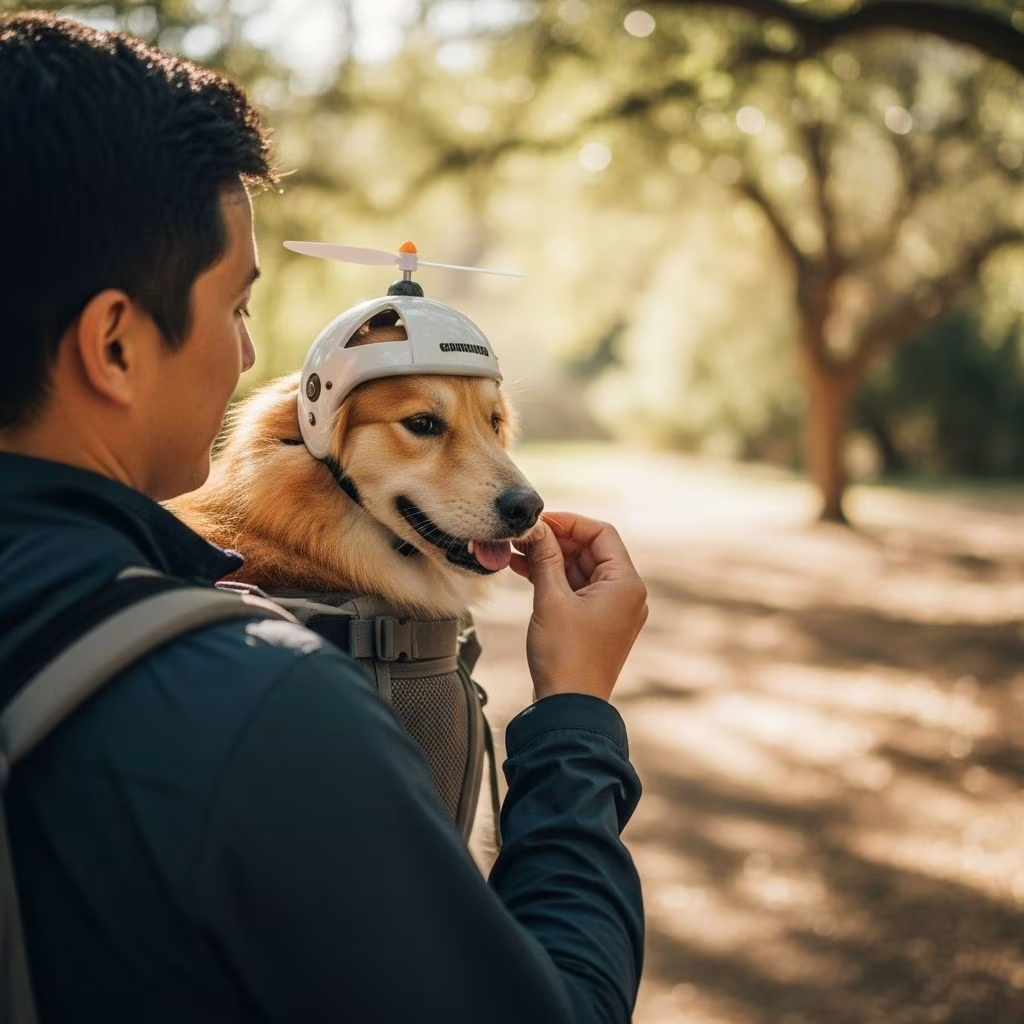
Helicopter dog parenting mirrors the human trend of over-involved child-rearing, where pet owners constantly hover over their dogs, rarely allowing independence. This style often stems from love but can lead to behavioral issues like separation anxiety and dependence.
What Is a Helicopter Dog Parent?
A **helicopter dog parent** constantly supervises their dog, intervening in every situation, much like parents who hover over children to prevent mishaps. These owners rarely leave their dogs alone, follow them everywhere, and struggle to let pups play independently.
This behavior creates dogs that become overly dependent, developing anxiety when separated or attention-seeking habits like excessive barking. Dog trainer observations note that such parents, often home frequently due to remote work or retirement, fail to teach solitude, leading to severe issues like separation anxiety, which is harder to fix than prevent.
Signs You’re a Helicopter Dog Parent
Recognizing helicopter tendencies helps adjust for your dog’s benefit. Common indicators include:
- Never leaving your dog alone: Second-guessing errands like grocery runs due to pup anxiety, or always taking them along.
- Constant supervision at the dog park: Watching every moment and intervening in normal play, unable to distinguish roughhousing from real danger.
- Avoiding household chores that startle your dog: Skipping vacuuming or mopping to keep them comfortable, instead of desensitizing.
- Overreacting to minor changes: Calling vets for slight behavior shifts, showing hyper-vigilance to health.
- Not placing dog on ground outdoors: Fearing external dangers like hawks, keeping pups clung to legs.
- Interrupting natural behaviors: Stopping sniffing, play growls, or humping to maintain a ‘perfect’ image.
These habits, while protective, prevent dogs from building resilience and coping skills.
Problems Caused by Helicopter Dog Parenting
Overprotection hinders development. Dogs of helicopter parents often:
- Develop **separation anxiety**: Panic when alone, as they’re never taught to self-entertain.
- Show **attention-seeking behaviors**: Crying or barking excessively for interaction.
- Become **stressed in challenges**: Lacking experience with manageable stress, they falter in new situations.
- Fail to learn **independent functioning**: Clinging nervously when not hovered over.
Research suggests moderate neuroticism and clinginess benefit pets more than kids, correlating with conscientious care. However, extremes lead to ill-equipped dogs, unable to handle life’s stresses.
How Helicopter Parenting Affects Your Dog
Dogs thrive on balanced parenting allowing natural behaviors and gradual independence. Helicopter styles mute sniffing, play, and exploration, denying mental stimulation and freedom to be dogs.
Without alone time, pups don’t learn self-soothing, leading to dependency. A case of a dog named Gerald illustrates: never grounded outdoors, he shook in panic when placed down, solely due to parental over-fear.
UC Berkeley study notes ‘dog people’ show extraversion but less openness, with neurotic traits aiding affection—yet balance prevents harm.
Good Dog Parenting vs. Helicopter Dog Parenting
| Aspect | Helicopter Parenting | Good Parenting |
|---|---|---|
| Supervision | Constant hovering and intervention | Attentive but allows independence |
| Alone Time | Rarely leaves dog alone | Gradual, structured absences |
| Play Style | Interrupts natural behaviors | Encourages sniffing, rough play |
| Training | Overprotects from stress | Teaches cues for communication |
| Outcome | Anxiety, dependence | Confident, resilient dog |
Good parenting provides nutrition, exercise, training, and freedom, fostering thriving dogs.
How to Stop Being a Helicopter Dog Parent
Transitioning promotes healthier bonds:
- Teach basic cues early: Sit, down, come, stay build communication, aiding appropriate behavior in public.
- Practice separations: Leave daily, varying times, starting short. Use crates/pens for safety during house-training.
- Desensitize to triggers: Expose to vacuums, mops with treats/toys in another room.
- Allow park independence: Learn play vs. danger cues; step back gradually.
- Build resilience: Permit manageable stresses for learning adaptation.
Prevention beats cure—start independence training upon adoption.
Benefits of Balanced Dog Parenting
Non-helicopter approaches yield confident, adaptable dogs. They self-entertain, handle solitude, and engage healthily without excess neediness.
Owners enjoy less stress, trusting their trained, resilient pups. Studies affirm affectionate yet independent bonds enhance welfare.
Frequently Asked Questions (FAQs)
Is helicopter parenting bad for dogs?
Yes, it often causes separation anxiety and dependence, preventing self-reliance. Balanced involvement is healthier.
How do I teach my dog to be alone?
Start with short, varied absences daily, using crates if needed. Increase gradually post-house-training.
Can helicopter parenting be good?
Moderate protectiveness aids care, per research on neurotic traits, but extremes harm independence.
What if my dog panics when I leave?
Practice desensitization; consult trainers. Prevention via early alone time is key.
How much alone time should puppies have?
Short sessions initially, building up. Never exceed age-appropriate limits during training.
References
- Can Pet Parents Be Helicopter Parents? — 4Knines. 2023. https://4knines.com/blogs/4knines-blog-home-page/can-pet-parents-be-helicopter-parents
- 9 Signs You’re A Pet Helicopter Parent — Pawp. 2023. https://pawp.com/9-signs-youre-a-pet-helicopter-parent/
- Good Dog Parenting vs. Helicopter Dog Parenting — Far Fetched Acres. 2025-09. https://www.farfetchedacres.com/postcards/2025/9/dog-parenting-is-not-an-extreme-sport-but-it-can-feel-like-one-7nlw8
- Am I Too Attached to my Dog? | Helicopter Dog Parents — SpotOn Fence. 2023. https://spotonfence.com/blogs/training-tips/helicopter-dog-parent
- Helicopter parenting better for pets than for kids, study suggests — UC Berkeley News. 2015-01-14. https://news.berkeley.edu/2015/01/14/pet-parenting/



