Hedgehog Feeding Guide: Diet, Nutrition & Care Tips
Complete guide to feeding pet hedgehogs with proper nutrition and dietary recommendations.
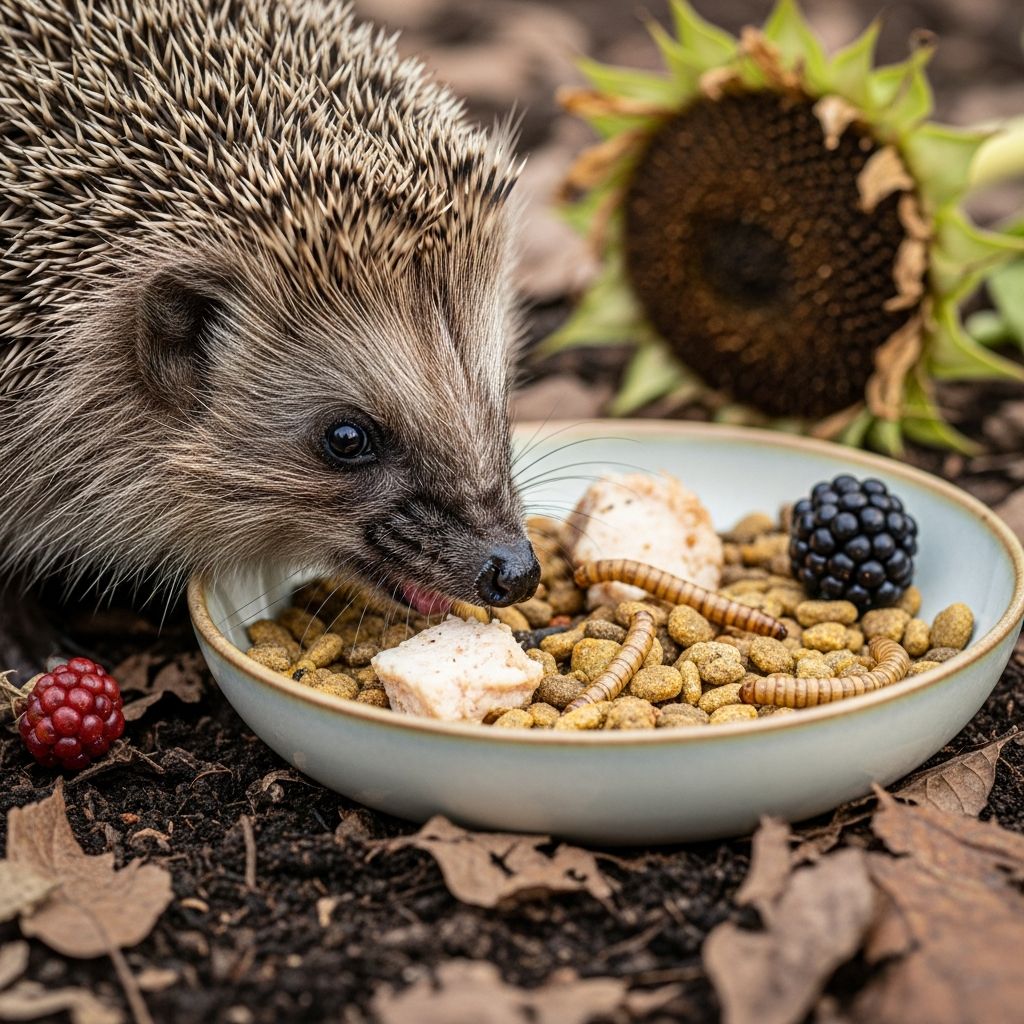
Hedgehog Feeding Guide: Ensuring Proper Nutrition for Your Pet
Providing your pet hedgehog with a balanced and nutritious diet is one of the most critical aspects of responsible pet ownership. Hedgehogs have specific dietary requirements that differ significantly from other small pets, and understanding these needs is essential for maintaining their health and longevity. A well-planned feeding regimen will help prevent obesity, ensure proper digestive function, and support overall wellness throughout your hedgehog’s life.
Pet hedgehogs are insectivorous mammals that require a diet carefully formulated to meet their unique nutritional needs. Unlike omnivorous pets, hedgehogs have evolved to thrive on a primarily protein-based diet consisting of insects and invertebrates. In captivity, replicating this natural diet requires a combination of commercially prepared foods, live insects, and carefully selected supplements.
How Should I Feed My Pet Hedgehog?
The foundation of a healthy hedgehog diet consists of high-quality hedgehog food mixed with high-quality, low-fat cat food. This combination provides the essential proteins, fats, and nutrients necessary for optimal health. The primary diet should make up the bulk of your hedgehog’s daily caloric intake, with supplemental foods offered in controlled portions.
Main Diet Components
Your pet hedgehog’s daily diet should primarily consist of commercially formulated hedgehog pellets or kibble. These specially designed foods typically contain approximately 30% protein or higher and maintain fat content below 20%, making them ideal for preventing obesity while supporting energy levels. Feed your hedgehog 3 to 4 teaspoons of the main diet daily, adjusted based on your individual pet’s weight and activity level.
Since hedgehogs are naturally crepuscular and nocturnal creatures, it is best to feed them during the evening hours when they are most active and alert. This feeding schedule aligns with their natural behavior and promotes better digestion and nutrient absorption.
Gut-Loaded Insects as Protein Supplements
The following supplemental foods can be offered two to three times per week in small amounts:
Gut-loaded insects represent an excellent protein source and should be included in your hedgehog’s diet. Gut loading refers to feeding insects a nutritious diet before offering them to your hedgehog, ensuring your pet receives maximum nutritional benefit from the prey. Suitable insects include:
– Mealworms (5 mealworms per feeding)- Crickets (1-2 crickets per feeding)- Earthworms (particularly nutritious)- Waxworms
Insects should always be purchased from reputable pet stores or raised in your home. Avoid collecting insects from gardens or outdoor areas where insecticides and fertilizers have been applied, as these chemicals can be toxic to your hedgehog. Your veterinarian may be able to provide helpful tips for successfully raising your own insect colonies at home.
Fresh Fruits and Vegetables
Fresh produce should be incorporated into your hedgehog’s diet as supplemental nutrition. Recommended fruits and vegetables include:
– Apples- Pears- Bananas- Carrots (cooked)- Peas- Broccoli- Tomatoes- Green beans- Squash- Leafy greens- Berries
Offer 1 to 2 teaspoons of fresh produce daily or every other day. It is crucial to cook certain vegetables, particularly carrots and other hard vegetables, to prevent them from becoming lodged in the roof of your hedgehog’s mouth. Always chop vegetables into appropriately sized pieces to minimize choking hazards.
Additional Protein Sources
Hard-boiled or scrambled eggs provide excellent protein and can be offered occasionally as treats. Cooked chicken and other lean meats also serve as nutritious supplements to the primary diet when offered in moderation.
Water Requirements
Fresh water must always be available to your hedgehog and should be changed daily to prevent bacterial contamination. Some hedgehogs prefer drinking from a water bottle, while others favor a shallow water bowl. Provide both options and observe your pet’s preferences. A heavy ceramic bowl is preferable to plastic, as it prevents tipping and maintains water quality throughout the day.
Foods to Avoid: What Should I NOT Feed My Pet Hedgehog?
Certain foods are inappropriate or dangerous for hedgehogs and should never be offered:
–
Avocados
— Toxic to hedgehogs and should be strictly avoided-Lettuce and celery
— Low in nutritional value and offer minimal benefit-Raw meats or raw eggs
— Present bacterial contamination risks-Milk and milk-based products
— Hedgehogs are lactose intolerant; consumption may cause diarrhea-Nuts and seeds
— Can become lodged in the roof of the mouth-Hard foods such as raw carrots
— May cause choking or mouth injuries-Peanut halves
— Particularly prone to getting stuck in the mouth-General people food
— Always consult your veterinarian before offering any human foodThese restrictions exist to protect your hedgehog from potential harm, nutritional deficiencies, and digestive distress. When in doubt about whether a particular food is safe, contact your veterinarian before offering it to your pet.
Do I Need to Give My Hedgehog Vitamins?
Hedgehogs do not require additional vitamin or mineral supplements if fed a properly balanced diet. A well-formulated commercial hedgehog food combined with appropriate supplemental foods provides all necessary nutrients. However, some veterinarians recommend supplementing calcium-rich foods for growing animals and reproductively active females. Always consult with your exotic pet veterinarian before introducing any supplements to your hedgehog’s diet, as improper supplementation can lead to nutritional imbalances.
Can I Offer My Hedgehog Treats?
Hedgehogs do not require treats, although an occasional offering of fresh vegetables, fruits, and grains is acceptable and can provide enrichment. Treats should comprise no more than 10% of your hedgehog’s total daily caloric intake. Insects should be provided as treats in moderation, with a recommended guideline of 1-2 insects per day to prevent overfeeding and maintain healthy body weight.
When offering treats, remember that hedgehogs are prone to obesity in captivity. Food should be rationed carefully to maintain your pet at a healthy weight. Monitor your hedgehog’s body condition regularly and adjust portion sizes as needed based on activity level and overall health.
Preventing Obesity in Pet Hedgehogs
African hedgehogs are particularly prone to obesity when kept in captivity, making portion control essential. The combination of limited activity space and overfeeding can quickly lead to excessive weight gain, which increases the risk of health problems including diabetes, heart disease, and reduced mobility.
To prevent obesity:
– Feed appropriate portion sizes based on weight and activity level- Provide regular enrichment and exercise opportunities- Avoid excessive treats and high-calorie supplements- Monitor body condition monthly- Discuss weight management with your veterinarian during annual checkups
Feeding Supplies and Equipment
Appropriate feeding equipment contributes to successful meal administration and hygiene:
– Heavy ceramic bowls for food and water that resist tipping- Water bottles with drip-free nozzles- Shallow water dishes as an alternative to bottles- Food storage containers to keep pellets fresh
Ensure all feeding equipment is cleaned daily and replaced regularly to prevent bacterial growth and contamination. Some hedgehogs can be litter box trained, reducing soiling of feeding areas and maintaining better hygiene standards throughout the enclosure.
Frequently Asked Questions About Hedgehog Feeding
Q: How often should I feed my hedgehog?
A: Feed your hedgehog once daily during evening hours, offering 3-4 teaspoons of the main diet. Supplemental foods can be offered 2-3 times per week.
Q: Can hedgehogs eat cat food?
A: Yes, high-quality, low-fat cat food can be mixed with commercial hedgehog food. Select cat food with less than 20% fat content and at least 30% protein.
Q: What is gut loading, and why is it important?
A: Gut loading is feeding nutritious food to insects before offering them to your hedgehog. This ensures your pet receives maximum nutritional benefit from the prey insects.
Q: Are there specific hedgehog foods you recommend?
A: Spike’s Delight and Mazuri Insectivore Diet are reputable brands that meet modern nutritional standards for hedgehogs and are widely recommended by veterinarians.
Q: How much water should a hedgehog drink daily?
A: Hedgehogs should have constant access to fresh water. The amount consumed varies by individual, but water should always be available and changed daily.
Q: Can I feed my hedgehog wild-caught insects?
A: Avoid wild insects from areas treated with pesticides or fertilizers. Pet store insects or home-raised insects are safer alternatives.
Q: What signs indicate my hedgehog is overweight?
A: An overweight hedgehog may have difficulty curling into a tight ball, show reduced mobility, display excessive panting, or have visible fat deposits. Consult your veterinarian for weight assessment.
Q: Can hedgehogs eat bread?
A: Bread is low in energy and nutritional value, offering minimal benefit to hedgehogs. It should be avoided as it provides empty calories without essential nutrients.
Conclusion
Proper feeding is fundamental to maintaining your pet hedgehog’s health, vitality, and longevity. By providing a balanced diet consisting of high-quality commercial hedgehog food, nutritious supplemental foods, and fresh water, you establish the foundation for a long and healthy life. Remember that each hedgehog is an individual with unique nutritional needs based on age, activity level, and health status. Regular veterinary checkups and open communication with your exotic pet veterinarian ensure your hedgehog receives optimal nutrition throughout every life stage. With patience, knowledge, and proper planning, you can provide your spiky companion with the nutritional support necessary for a happy and thriving life in your care.
References
- Hedgehog Care Sheet: Habitat, Food, and Care — PetMD. Accessed November 28, 2025. https://www.petmd.com/exotic/hedgehog-care-sheet
- Hedgehogs – Feeding — VCA Animal Hospitals. https://vcahospitals.com/know-your-pet/hedgehogs—feeding
- Hedgehog Information and Care Recommendations — MedVet. Accessed November 28, 2025. https://www.medvet.com/hedgehog-information-care-sheet/
- Management of Hedgehogs — Merck Veterinary Manual. https://www.merckvetmanual.com/exotic-and-laboratory-animals/hedgehogs/management-of-hedgehogs
- Hedgehog Care Guide — Long Island Bird & Exotics Veterinary Clinic. Accessed November 28, 2025. https://www.birdexoticsvet.com/hedgehog-care-guide
- Beginners Guide to Owning a Pet Hedgehog — Broomfield Veterinary Hospital. Accessed November 28, 2025. https://broomfieldvet.com/blog/beginners-guide-to-owning-a-pet-hedgehog/
- Your Basic Hedgehog Care Guide — Huntersville Carolina Veterinary. May 30, 2024. https://www.huntersville.carolinavet.com/site/huntersville-veterinary-blog/2024/05/30/hedgehog-care
Similar Articles







Read full bio of medha deb