Hedgehog Care: Complete Guide To Housing, Diet, And Health
Comprehensive guide to housing, feeding, handling, and health for thriving pet hedgehogs.
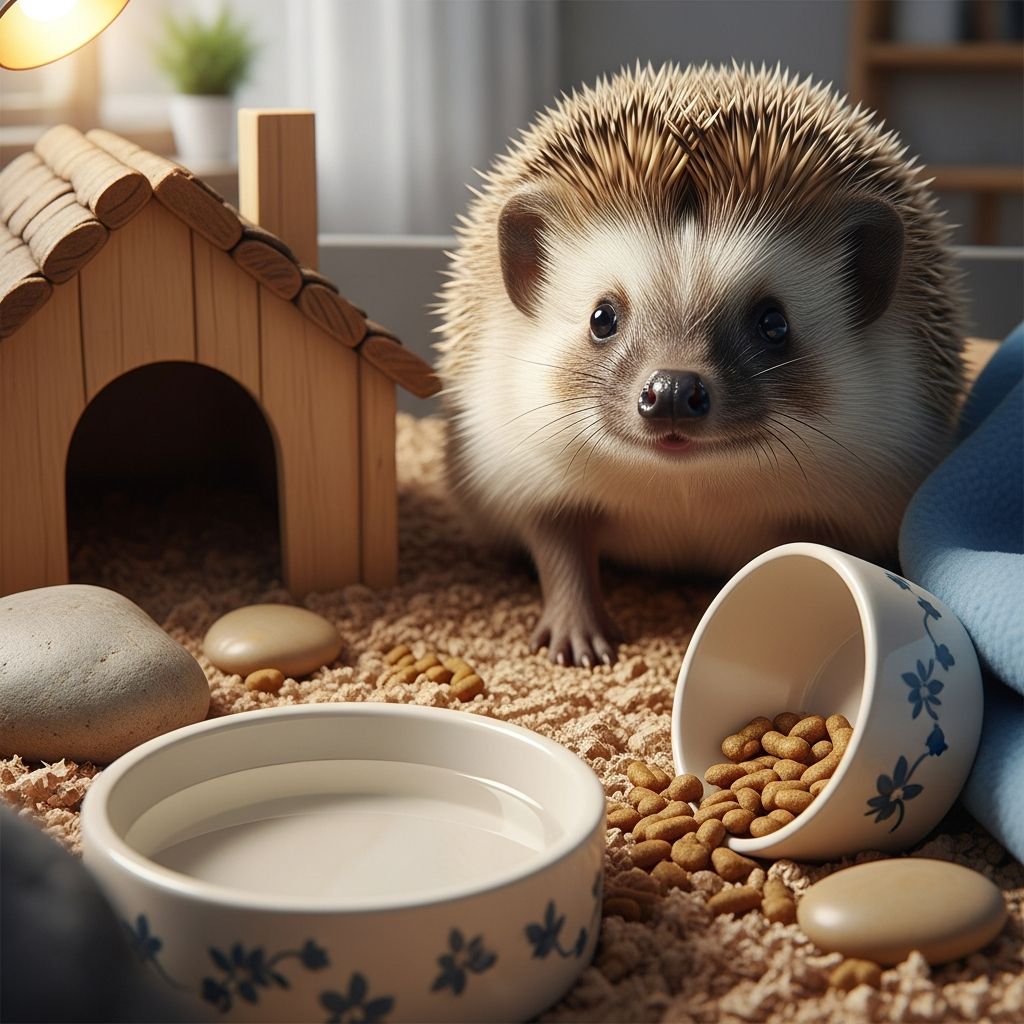
Pet hedgehogs make fascinating companions due to their nocturnal habits and unique personalities. Proper management involves replicating their natural environment through suitable housing, nutrition, and routine care to promote physical and behavioral health.
Creating the Ideal Living Space
A well-designed enclosure is fundamental for hedgehog well-being. Opt for a spacious cage with minimum dimensions of 4 feet by 2 feet to allow ample room for exploration and exercise. Wire-bottom cages should be avoided to prevent foot injuries; solid floors with deep substrate are preferable.
- Use paper-based bedding or fleece liners at least 3-4 inches deep to satisfy their burrowing instincts.
- Avoid cedar, pine shavings, clay litters, or anything ingestible that could harm respiration or digestion.
- Incorporate hiding spots like igloos or tunnels, plus platforms for climbing.
Maintain temperatures between 72-80°F using a ceramic heat emitter and thermostat; monitor with digital gauges. Low humidity under 40-50% prevents respiratory issues. Place the enclosure in a quiet, draft-free area away from direct sunlight.
Nutrition and Feeding Strategies
Hedgehogs thrive on high-protein diets mimicking their insectivorous wild menu. Base meals on commercial insectivore kibble or low-fat cat food supplemented daily.
| Daily Staples | Supplements (1-2 tsp) | Treats (2-3x/week) |
|---|---|---|
| Insectivore kibble (main diet) | Chopped veggies (carrots, peas, squash) | Mealworms, crickets |
| Fruits (banana, apple, berries) | Earthworms, waxworms | |
| Low-fat canned pet food | Cooked eggs or meat |
Feed in the evening to align with their active hours. Provide fresh water daily via bottle or shallow dish. Cook vegetables to avoid impaction; limit fruits to prevent obesity. Overfeeding treats can lead to weight gain, so portion carefully.
Daily and Routine Maintenance
Consistent cleaning sustains hygiene and prevents illness. Spot clean daily by removing waste, uneaten food, and soiled bedding.
Weekly Tasks
- Full cage disassembly and disinfection with mild soap.
- Bedding replacement and wheel scrubbing.
- Toy washing and substrate refresh.
Grooming involves shallow warm baths every 1-2 weeks using fragrance-free shampoo if soiled. Dry thoroughly to avoid chills. Nails may need trimming monthly by a vet.
Promoting Physical Activity and Mental Stimulation
Hedgehogs are natural roamers, covering miles nightly. A solid-surface exercise wheel (12-inch diameter) is essential to prevent boredom and obesity.
- Supervise out-of-cage playtime in a secure, hedgehog-proof room 3-4 times weekly.
- Offer toys like balls, tunnels, and foraging puzzles.
- Rotate items to maintain interest.
Activity supports digestion, muscle tone, and stress reduction.
Building Trust Through Gentle Handling
Initially shy, hedgehogs curl into balls when scared. Approach slowly, scooping from below onto a towel or lap.
- Start with short 5-10 minute sessions daily.
- Handle in evenings when active.
- Use gloves initially if quills prick.
- Reward with treats to associate you positively.
Regular interaction from young age fosters tameness. Never force unrolling; patience builds bonds.
Recognizing and Preventing Health Issues
Monitor for lethargy, quill loss, sneezing, diarrhea, or appetite loss. Common concerns include mites, obesity, dental problems, and hibernation attempts from cold.
- Annual vet exams by an exotic specialist.
- Quarantine new hedgehogs 30 days.
- Wash hands post-handling to avoid salmonella.
For ill hedgehogs, raise warmth to 80-85°F and offer palatable foods like warmed canned diets. Seek prompt veterinary care for persistent symptoms.
Breeding and Rearing Young
Breeding should be planned with experienced guidance. Gestation lasts 4 weeks; litters average 3-4 hoglets. Provide deep nesting materials.
Hand-rearing is challenging with high risks; use canine milk replacer if needed. Wean at 5-6 weeks, separate sexes at 8 weeks. Early handling tames offspring.
Seasonal and Long-Term Considerations
In cooler months, vigilant temperature control prevents hibernation. Annual weigh-ins track health. Lifespan reaches 4-6 years with optimal care; seniors need softer foods and easier access.
Frequently Asked Questions
Can hedgehogs be litter trained?
Yes, many learn to use a corner box with paper pellets. Place soiled substrate there initially to encourage use.
What if my hedgehog is overweight?
Reduce treats, increase wheel access, and measure portions. Consult a vet for tailored plans.
Are hedgehogs good for children?
Supervise interactions; their nocturnal nature suits older kids better.
How do I know if my hedgehog is cold?
Signs include reduced activity, balling more, or seeking heat sources. Adjust thermostat immediately.
What vaccines do hedgehogs need?
None routinely, but regular parasite checks and exams are vital.
References
- Hedgehog Care Guide: Cage Setup, Diet, and More — INKBIRD. 2023. https://www.inkbird.com/blogs/aquarium-terrarium/hedgehog-care-guide
- Hedgehog Care Sheet: Habitat, Food, and Care — PetMD. 2024. https://www.petmd.com/exotic/hedgehog-care-sheet
- Management of Hedgehogs — Merck Veterinary Manual. 2024. https://www.merckvetmanual.com/exotic-and-laboratory-animals/hedgehogs/management-of-hedgehogs
- Hedgehog Information and Care Recommendations — MedVet. 2023. https://www.medvet.com/hedgehog-information-care-sheet/
- Hedgehog Care Tips — Live Oak Veterinary Hospital. 2024-02-01. https://liveoakvet.com/2024/02/01/hedgehog-care-tips/
Similar Articles








Read full bio of medha deb