
Heatstroke in Pets: Risks and Solutions
Protect dogs and cats from deadly heatstroke with vital signs, immediate actions, and proven prevention strategies for pet safety.
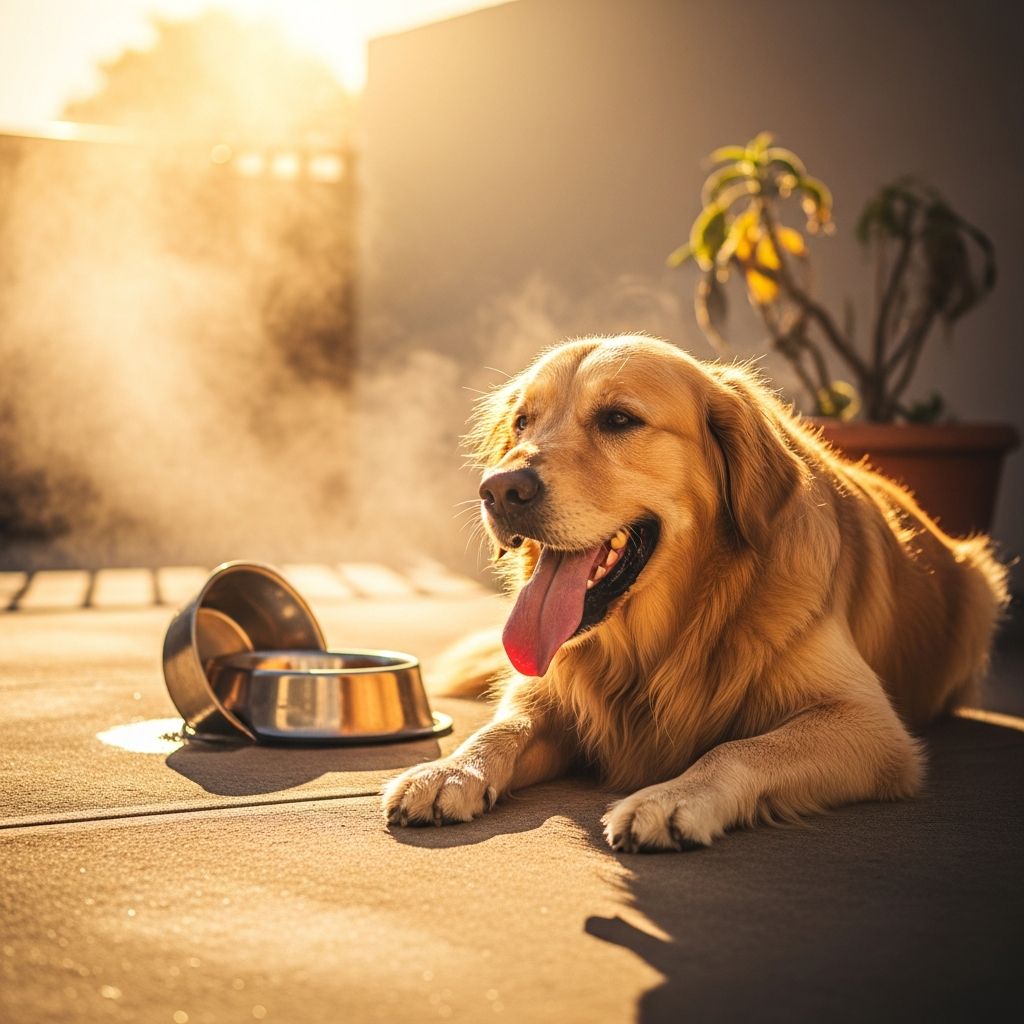
Heatstroke poses a severe threat to dogs and cats, occurring when their body temperature exceeds 104°F, leading to organ damage and potential death if not addressed promptly. Unlike humans, pets rely mainly on panting for cooling, making them vulnerable in hot environments.
Understanding the Physiology of Heat-Related Illness
Pets experience heat-related issues when their cooling mechanisms fail under high temperatures, humidity, or confinement. Dogs and cats pant to evaporate moisture from their tongues and lungs, but thick fur, limited sweat glands, and brachycephalic breeds’ narrowed airways hinder this process. Heat exhaustion precedes full heatstroke, with temperatures around 103-104°F causing initial distress, while surpassing 104°F triggers inflammation, protein breakdown, and multi-organ failure.
Humidity exacerbates the problem by impeding evaporation, creating a dangerous heat index even at moderate temperatures. Indoor overheating from poor ventilation or outdoor exposure in cars or direct sun can rapidly escalate risks.
Common Triggers for Heatstroke in Companion Animals
Several scenarios commonly lead to heatstroke in pets:
- Leaving animals in vehicles, where temperatures can rise 20°F in 10 minutes regardless of cracked windows.
- Intense exercise during warm weather, especially for overweight or flat-faced breeds like Bulldogs or Persians.
- High ambient heat combined with humidity, affecting all pets but seniors, puppies, and those with heart or respiratory conditions most severely.
- Confined spaces without shade or water, such as hot garages or fenced yards in peak sun.
- Overgrooming or matted fur trapping heat in long-haired cats and dogs.
Breeds with short muzzles, such as Pugs, Boston Terriers, and Himalayan cats, face heightened dangers due to inefficient breathing.
Recognizing Early Warning Signs
Early detection saves lives. Watch for these progressive symptoms in dogs and cats:
| Stage | Dogs Symptoms | Cats Symptoms |
|---|---|---|
| Early (Heat Exhaustion) | Heavy panting, restlessness, drooling, sweaty paws | Panting (rare), lethargy, sweaty paws, excessive grooming |
| Advanced (Heatstroke) | Red gums, vomiting/diarrhea (possibly bloody), weakness, seizures, collapse | Disorientation, reddened gums, bloody vomit/diarrhea, labored breathing, pinpoint bleeding (petechiae) |
Behavioral changes like staggering, tremors, or unconsciousness signal critical stages. Measure rectal temperature if possible; above 104°F demands immediate action.
Immediate First Aid Protocols
Act swiftly but safely upon suspecting heatstroke:
- Relocate pet to a cool, shaded, air-conditioned area.
- Wet fur with cool (not ice-cold) water focusing on ears, paws, belly, armpits, and groin to promote vasodilation.
- Use damp towels or fans; avoid ice packs that constrict vessels and trap heat.
- Offer small amounts of cool water or ice cubes if conscious and willing; never force.
- Transport to a vet immediately—do not delay for full home cooling.
Overcooling risks shock or hypothermia, so brief home measures stabilize until professional care.
Veterinary Interventions and Care
At the clinic, vets prioritize rapid, controlled cooling alongside supportive therapies:
- IV Fluids: Rehydrate, combat shock, and support organs.
- Cooling Methods: Room-temperature water baths, enemas, or pads on key areas.
- Oxygen Therapy: For respiratory distress.
- Monitoring: Continuous temperature checks, blood tests for organ function (liver, kidneys), electrolytes.
- Medications: Anti-seizure, gut protectants, pain relief, antibiotics if needed.
Hospitalization may last days for severe cases, with follow-up for delayed organ damage.
Long-Term Recovery and Monitoring
Survivors require rest in cool environments, bland diets, and observation for complications like kidney failure or clotting disorders appearing days later. Gradual reintroduction to activity prevents relapse. Annual bloodwork for at-risk pets ensures ongoing health.
Proven Prevention Strategies for Pet Owners
Avoid heatstroke through proactive measures:
- Schedule walks and play before 9 AM or after 7 PM; use heat index apps.
- Provide constant access to shade, water, and fans indoors.
- Never leave pets in cars; use pet-safe cooling vests or mats for outdoors.
- Groom regularly to remove undercoat; clip fur only if vet-approved.
- Maintain ideal weight; condition brachycephalic pets with vet guidance.
Acclimate pets slowly to heat and recognize personal thresholds.
Special Considerations for High-Risk Pets
Puppies, seniors, obese animals, and those with medical issues need extra vigilance. Indoor cats risk overheating from closed windows or appliances. Multi-pet homes should have cooling stations and emergency plans.
FAQs on Pet Heatstroke
What temperature is dangerous for my dog or cat?
Anything over 104°F rectally indicates heatstroke; 103-104°F signals exhaustion.
Can indoor pets get heatstroke?
Yes, from stuffy rooms, direct sun, or poor ventilation.
Is ice water safe for cooling?
No—use cool water only to prevent vessel constriction.
How long does recovery take?
Hours to days with treatment; monitor for weeks.
Which breeds are most at risk?
Brachycephalic types like French Bulldogs, Persians, and overweight pets.
This comprehensive guide empowers owners to safeguard pets year-round. Stay vigilant, especially in rising temperatures.
References
- Heatstroke in Cats: Signs, Treatment, and Prevention — PetMD. 2023. https://www.petmd.com/cat/conditions/systemic/heatstroke-cats
- Heatstroke in Cats – Symptoms & What You Should Do — Pet Vet Care Centers. 2024-08-15. https://www.petvetcarecenters.com/site/blog/2024/08/15/heatstroke-cats
- Heatstroke in Cats – What You Need to Know — Carolina Vet. 2024-02-15. https://www.rock-hill.carolinavet.com/site/blog/2024/02/15/cat-heatstroke
- Heatstroke Guide For Cats And Dogs — RSPCA Pet Insurance. 2024. https://www.rspcapetinsurance.org.au/pet-care/health-and-wellbeing/heatstroke-hyperthermia
- Heatstroke in pets: What every pet owner should know — Virginia Tech Vet Med. 2024. https://vth.vetmed.vt.edu/animal-care-tips/vetmed-pet-heatstroke.html
- Everything You Need to Know About Heatstroke in Cats & Dogs — DoveLewis. 2024. https://www.dovelewis.org/blog/everything-you-need-know-about-heatstroke-cats-dogs
- Pet Heatstroke Symptoms Treatment — Horton Animal Hospital. 2024. https://hortondiscovery.com/news/pet-heatstroke-symptoms-treatment
Similar Articles








Read full bio of medha deb


