
Heatstroke in Dogs: Signs, Treatment & Prevention
Learn how to recognize, treat, and prevent heatstroke in dogs this summer season.
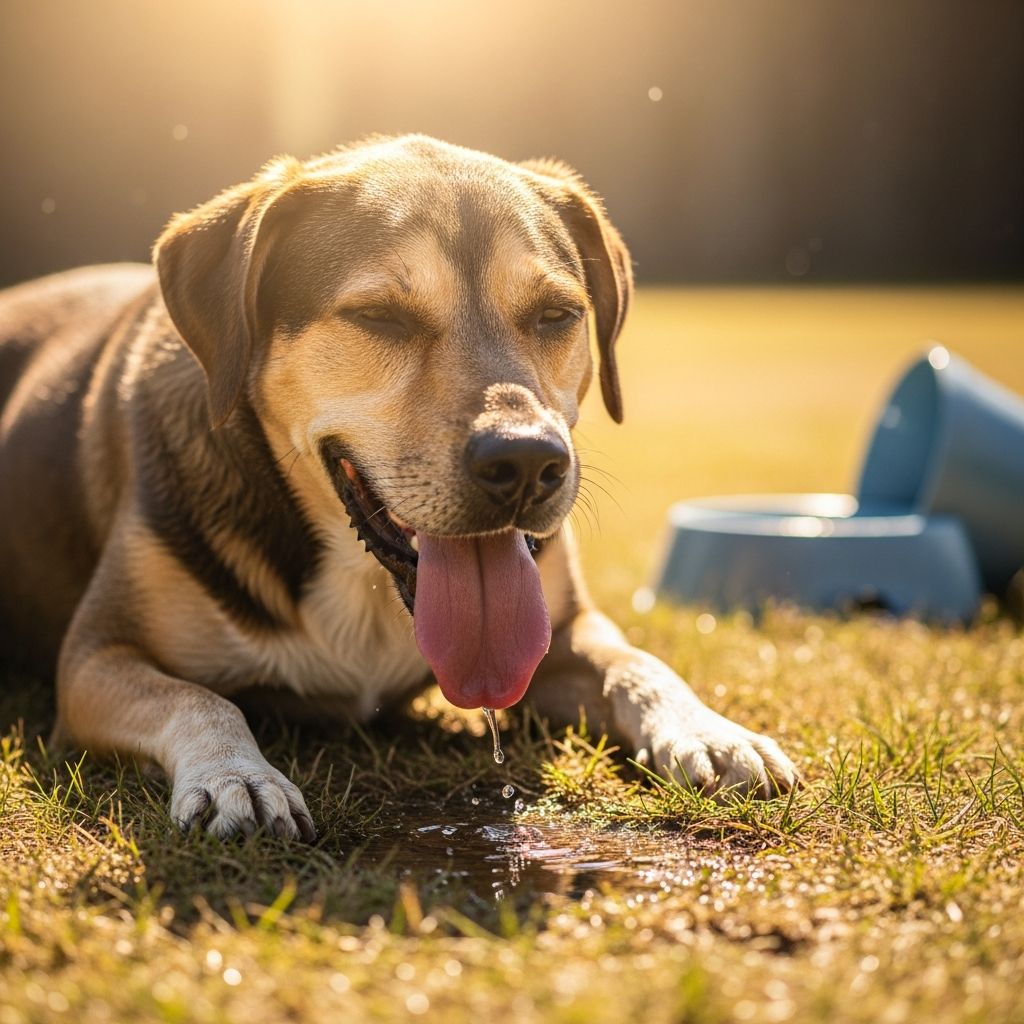
Heatstroke in Dogs: A Serious Health Emergency
Heatstroke in dogs is a life-threatening medical emergency that occurs when a dog’s body temperature rises dangerously above normal levels, typically exceeding 104°F (40°C). Unlike humans, dogs cannot efficiently regulate their body temperature through sweating. Instead, they rely primarily on panting and limited evaporation through their paw pads to cool themselves. When environmental temperatures become excessive or a dog engages in strenuous activity in hot conditions, their body’s cooling mechanisms can become overwhelmed, leading to potentially fatal heatstroke. Understanding the signs, appropriate first aid response, and prevention strategies is essential for every dog owner, particularly during warm months.
What Causes Heatstroke in Dogs
Heatstroke can develop from various circumstances, some obvious and others less apparent to pet owners. The primary cause is prolonged exposure to high temperatures, particularly when combined with high humidity levels that impair evaporative cooling. Dogs left in parked vehicles are at extreme risk, as temperatures inside cars can skyrocket within minutes, even on moderately warm days.
Other contributing factors include:
- Intense exercise or vigorous play during hot weather
- Lack of access to fresh water and shade
- Obesity or excess weight
- Brachycephalic (flat-faced) breeds with compromised respiratory systems
- Age-related factors in senior dogs
- Underlying health conditions affecting temperature regulation
- Heavy or dark-colored coats that absorb heat
- Excessive fur matting that traps heat
Recognizing the Signs and Symptoms
Early recognition of heatstroke symptoms is critical for improving outcomes. The condition progresses through stages, with early signs being more subtle and later signs indicating severe, life-threatening emergency.
Early Signs of Heatstroke
In the initial stages, affected dogs typically display:
- Heavy panting and rapid breathing
- Excessive drooling, often with thick or ropy saliva
- Restlessness, agitation, or pacing
- Bright red gums and tongue
- Dry mucous membranes
- Seeking shade or water sources
- Glazed or anxious expression
Progressive Signs Indicating Severe Heatstroke
As heatstroke worsens, more serious symptoms emerge: The dog may develop pale or blue-tinged mucous membranes, white or blue gums, and exhibit signs of shock. A very rapid, irregular heartbeat accompanied by a significant drop in blood pressure becomes evident. The dog may hyperventilate and show severe dehydration. Muscle tremors develop, pupils dilate abnormally, and the dog becomes lethargic and unwilling to move. In critical cases:
- Vomiting or diarrhea, sometimes containing blood
- Inability to control urination or defecation
- Seizures or muscle tremors
- Loss of consciousness or coma
- Collapse and inability to stand
- Difficulty walking in a straight line
First Aid Response to Heatstroke
If you suspect your dog is experiencing heatstroke, immediate action is essential. Studies show that dogs actively cooled before arriving at the hospital have significantly lower mortality rates (19%) compared to those not cooled prior to arrival (49%). Every minute counts in a heatstroke emergency.
Step-by-Step First Aid
Stop further heat exposure: Immediately remove your dog from the hot environment, whether it’s a vehicle, outdoor area, or building. Cease any activity or exercise that may be contributing to overheating.
Cool the dog gradually: Pour cool (not cold) water over your dog’s body, focusing on areas including the neck, stomach, armpits, and thighs. Avoid pouring water over the head, as dogs already experiencing breathing difficulties may find this counterproductive. If available, submerge your dog’s body in cool water such as a paddling pool or stream, provided the water temperature is cooler than the dog’s body temperature. For unconscious, elderly, or health-compromised dogs, spray them with room temperature water instead.
Create air circulation: Use a fan or create a breeze to promote evaporative cooling. Position your dog in an air-conditioned environment if possible.
Offer water: Provide small sips of water if your dog is conscious and able to swallow. Do not force water consumption, as this may cause aspiration or vomiting.
Seek veterinary care: Transport your dog to an emergency veterinary clinic immediately, even if symptoms appear to improve. Internal organ damage may not be immediately apparent, and professional monitoring is essential.
What NOT to Do
Avoid applying ice packs directly to your dog’s skin, as this can cause vasoconstriction and paradoxically reduce heat loss. Do not cover wet dogs with towels or blankets, as this prevents evaporative cooling. Ice baths are no longer recommended for heatstroke treatment, as the resulting vasoconstriction can impede peripheral cooling and cause complications.
Veterinary Treatment for Heatstroke
Professional veterinary care is critical for heatstroke management, as the condition affects multiple organ systems and requires comprehensive treatment protocols.
Initial Stabilization
Upon arrival at a veterinary hospital, the veterinary team immediately focuses on stabilizing the patient. Controlled cooling continues as a priority, with the goal of safely reducing body temperature to approximately 103°F (39.4°C), at which point active cooling is discontinued to prevent hypothermia.
Fluid Therapy
Intravenous (IV) fluid administration is considered the cornerstone of heatstroke treatment. Upon establishment of IV access, room-temperature crystalloid fluids are administered. An initial bolus is beneficial for dogs experiencing hypovolemic (low blood volume) and hemoconcentrated conditions. Crystalloids provide cardiovascular support by expanding intravascular volume and increasing blood flow to the periphery, which aids the cooling process. Maintenance fluid therapy continues to replace ongoing losses from continued vomiting, diarrhea, and other factors.
Oxygen Therapy
Low-concentration oxygen therapy is provided to dogs experiencing breathing difficulties or respiratory distress. In severe cases where the dog is unconscious or having significant difficulty breathing, anesthesia and airway intubation may be necessary.
Blood Work and Monitoring
Comprehensive blood tests assess the severity of dehydration, test for clotting disorders, and evaluate organ function including liver and kidney damage. Blood work reveals important parameters such as aspartate aminotransferase (AST) levels indicating hepatic injury, creatinine levels revealing renal damage, and creatinine kinase levels showing muscle damage from rhabdomyolysis. Vital signs including blood pressure, heart rate, and organ function are continuously monitored. Dogs may require intensive care unit admission for ongoing observation and treatment.
Gastrointestinal Protection
Heatstroke causes direct thermal injury to the gastrointestinal tract, often resulting in ulceration. Gastric protectants including proton pump inhibitors such as omeprazole and pantoprazole are administered to prevent or treat gastric ulceration. Antiemetics (anti-nausea medications) including metoclopramide, dolasetron, and maropitant are beneficial when gastrointestinal damage or central nervous system abnormalities cause nausea. Sucralfate acts as a local protectant binding to ulcers and preventing further damage.
Additional Treatment Considerations
Antibiotics may be administered to prevent secondary sepsis (blood poisoning), which can develop after heatstroke. Pain relief medications address discomfort from thermal injury. Dogs with clotting problems may receive blood or plasma transfusions. Cardiac medications address arrhythmias or other cardiac complications, and anti-seizure medications manage seizure activity if it develops.
Long-Term Recovery and Prognosis
Heatstroke can affect multiple organ systems, including the brain, liver, kidneys, heart, and gastrointestinal tract. The severity of organ damage determines the dog’s recovery trajectory. Dogs receiving prompt treatment and aggressive veterinary care have the best chance of recovery. However, severe cases may result in permanent organ damage, requiring extended hospitalization and ongoing management.
Follow-up veterinary evaluations are essential to monitor organ function recovery. Blood tests should be repeated to assess trends in organ damage markers. Some dogs may experience long-term complications including chronic kidney disease or liver dysfunction. Others may fully recover with no lasting effects if organs were not severely damaged.
Prevention Strategies
Prevention is far more effective than treatment when managing heatstroke risk. Dog owners should implement multiple protective strategies:
- Never leave dogs in vehicles: Never leave your dog unattended in a parked car, even briefly or with windows cracked open. Interior temperatures can become dangerously hot within minutes.
- Limit outdoor activity: Avoid strenuous exercise during the hottest parts of the day. Exercise dogs early in the morning or later in the evening when temperatures are cooler.
- Provide constant water access: Ensure your dog has continuous access to fresh, clean water. Bring water on outings and offer frequent drinking breaks.
- Create shaded areas: Provide shaded rest areas in your yard or outdoor space where your dog can escape direct sun exposure.
- Maintain proper grooming: Regular brushing removes excess coat and prevents dangerous matting that traps heat. However, do not shave double-coated breeds excessively, as their coats provide insulation and protection.
- Watch high-risk dogs closely: Senior dogs, puppies, obese dogs, and brachycephalic breeds require extra monitoring during warm weather.
- Use cooling aids: Consider cooling vests, elevated beds that allow air circulation, or kiddie pools for water-loving dogs.
Frequently Asked Questions
Q: At what temperature do dogs get heatstroke?
A: Heatstroke typically occurs when body temperature exceeds 104°F (40°C), but heat-related illness can develop at lower temperatures when combined with humidity, exercise, or poor cooling ability. Some dogs may show signs of heat stress before reaching this threshold.
Q: Can a dog recover from heatstroke?
A: Yes, many dogs recover from heatstroke with prompt treatment. Dogs receiving immediate cooling and aggressive veterinary care have better outcomes. However, recovery depends on the severity of organ damage and how quickly treatment was initiated.
Q: What are the long-term effects of heatstroke?
A: Long-term effects may include permanent kidney or liver damage, heart complications, neurological issues, or chronic health problems. Some dogs recover completely without lasting effects if organs were not severely damaged.
Q: Which dog breeds are most susceptible to heatstroke?
A: Brachycephalic breeds with shortened muzzles (Bulldogs, Pugs, Boston Terriers) are particularly vulnerable due to compromised airways. Thick-coated breeds, obese dogs, seniors, and puppies are also at increased risk.
Q: Is it safe to use ice to cool a dog with heatstroke?
A: Ice packs are no longer recommended. Ice causes vasoconstriction (blood vessel constriction), which can paradoxically reduce heat loss and cause complications. Cool water and evaporative cooling methods are safer.
References
- Heat Stroke in Dogs — VCA Animal Hospitals. Accessed 2025. https://vcahospitals.com/know-your-pet/heat-stroke-in-dogs
- Heat Stroke In Dogs – Signs, Symptoms & Treatment — Animal Emergency Service. Accessed 2025. https://animalemergencyservice.com.au/blog/heat-stroke-in-dogs/
- Heatstroke in Dogs — Today’s Veterinary Practice. Accessed 2025. https://todaysveterinarypractice.com/emergency-medicine-critical-care/todays-technician-heatstroke-in-dogs/
- Heatstroke: A Medical Emergency — Cornell University Riney Canine Health Center. Accessed 2025. https://www.vet.cornell.edu/departments-centers-and-institutes/riney-canine-health-center/canine-health-information/heatstroke-medical-emergency
- How to Recognise and Treat Heatstroke in Dogs — RSPCA. Accessed 2025. https://www.rspca.org.uk/adviceandwelfare/pets/dogs/health/heatstroke
- Heatstroke in Dogs: Signs, Symptoms, Treatments — American Kennel Club. Accessed 2025. https://www.akc.org/expert-advice/health/heatstroke-in-dogs/
Similar Articles








Read full bio of Sneha Tete




