

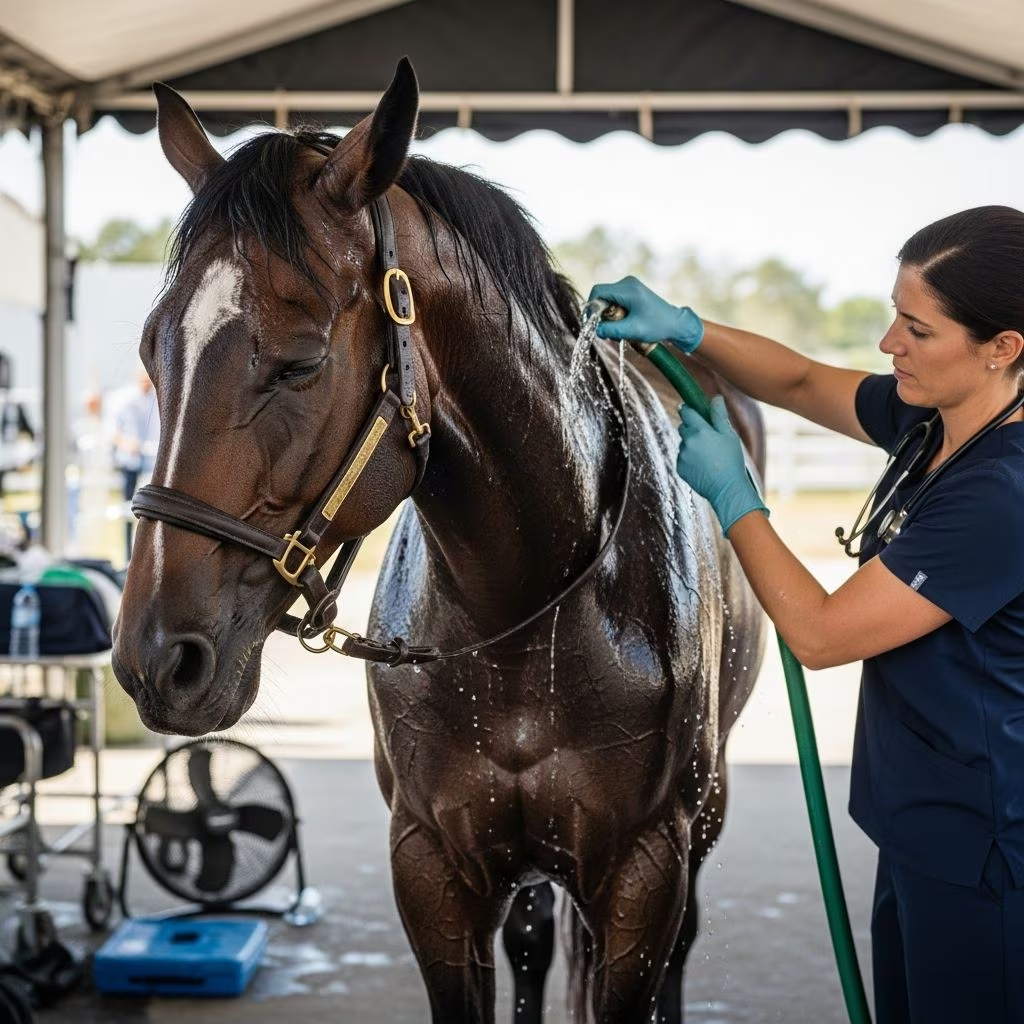
Thermal injuries represent a significant emergency in equine medicine, demanding immediate recognition and specialized treatment protocols. When horses encounter extreme heat exposure or direct flame contact, the resulting tissue damage extends far beyond surface-level burns. The cascade of physiological responses triggered by heat trauma can lead to life-threatening complications including cardiovascular instability, respiratory compromise, and systemic infection. Understanding the mechanisms of thermal injury and implementing appropriate emergency interventions can mean the difference between recovery and fatal outcomes for affected animals.
Recognizing Heat-Related Tissue Damage
Heat trauma in equines manifests across a spectrum of severity, classified by the depth of tissue involvement and the extent of structural damage. Each classification level presents distinct clinical presentations and treatment requirements, necessitating careful assessment to determine appropriate management strategies.
Classification Framework for Thermal Damage
| Damage Level | Tissue Involvement | Observable Characteristics |
|---|---|---|
| First-degree | Outer epidermal layer only | Redness without fluid discharge, swelling, significant pain response, spontaneous healing without intervention |
| Second-degree (superficial) | Epidermis and upper dermis | Fluid-filled blisters, redness, pain sensitivity, typically resolves without complications |
| Second-degree (deep) | Epidermis extending into lower dermis | Redness, swelling, formation of hardened tissue layers, diminished pain response, potential progression to deeper injury |
| Third-degree | Complete skin loss into subcutaneous tissue | Varied coloration (white to charred black), severe fluid loss, absence of pain sensation, high infection risk |
| Fourth-degree | Extends through all skin layers into muscle and bone | Charred tissue appearance, extensive tissue gaps, no pain perception, unfavorable prognosis with persistent defects |
The distinction between these classifications guides clinical decision-making regarding prognosis and treatment intensity. Superficial injuries typically follow uncomplicated healing trajectories, while deep and full-thickness burns require aggressive intervention to prevent life-threatening complications.
Clinical Presentation of Burned Horses
Horses experiencing thermal injuries display a characteristic constellation of signs reflecting both local tissue damage and systemic physiological derangement. The appearance may include singed hair coat, soot accumulation on the body surface, and varying degrees of skin damage ranging from simple redness to actual tissue loss. Ocular involvement commonly occurs, manifesting as eyelid spasms, excessive tearing, and corneal surface damage.
Respiratory manifestations frequently develop secondary to smoke inhalation or direct thermal injury to airways. Affected animals may demonstrate labored breathing and productive coughing. In severe, extensive injuries affecting large body surface areas, horses often display generalized weakness, elevated heart rate exceeding normal parameters, significant dehydration, and progression toward shock or complete collapse. These systemic signs indicate the development of burn shock—a critical emergency requiring immediate intensive management.
Understanding Burn Shock and Systemic Consequences
The most life-threatening aspect of significant thermal injury is not the local tissue damage, but rather the dramatic cardiovascular collapse termed burn shock. This condition parallels hypovolemic shock in its pathophysiology and consequences. When extensive heat exposure occurs, the body’s capillary networks undergo profound permeability changes in response to multiple inflammatory mediators including prostaglandins, vasoactive compounds, nitric oxide derivatives, and oxygen-related free radicals.
This capillary dysfunction permits massive fluid escape from the intravascular space into surrounding tissues, resulting in profound hypovolemia despite no external hemorrhage. The animal’s blood volume becomes progressively inadequate to maintain organ perfusion, leading to multiple organ dysfunction and potential death if not aggressively corrected with rapid fluid administration.
Emergency Stabilization Protocols
Immediate First-Response Actions
When encountering a thermally injured horse, the priority sequence follows standard emergency medicine principles: stabilization precedes definitive wound management. Remove all coverings, blankets, and wraps that may be trapping residual heat against the skin surface. Within the immediate minutes following injury, tepid water application may assist with heat dissipation, though extreme cold exposure should be avoided as it may exacerbate tissue damage.
Initiate aggressive treatment for shock and respiratory compromise. Establish vascular access for fluid administration, which represents the cornerstone of early thermal injury management. Supplemental oxygen should be provided, particularly when smoke inhalation is suspected. Administer analgesics and sedative medications as needed to manage severe pain and prevent self-injury.
Fluid Resuscitation Calculations and Administration
The fluid deficit in burn patients can be precisely calculated using the formula: 4 mL/kg multiplied by the percentage of body surface area affected by the burn. For example, a 500-kilogram horse with 10% body surface involvement would require approximately 20 liters of total replacement fluid. The treatment protocol divides this calculated deficit: one-half administered over the initial 8-hour period, with the remaining half titrated according to cardiovascular response and blood pressure stability.
Two primary fluid strategies exist for burn shock management. The traditional approach uses isotonic crystalloid solutions such as lactated Ringer’s solution for the full calculated volume. An alternative method begins with hypertonic saline administration (4 mL per kilogram intravenously) followed by isotonic crystalloid fluids. Some practitioners incorporate colloid products including plasma, hetastarch, or both, though careful monitoring becomes essential when using these more concentrated solutions.
Multimodal Pain Management Strategies
The intense pain associated with thermal injuries necessitates a thoughtful, layered analgesic approach rather than reliance on single agents. Flunixin meglumine provides both analgesia and anti-inflammatory effects, administered at 0.25 to 1.0 milligram per kilogram intravenously every 12 to 24 hours. Alternative non-steroidal anti-inflammatory options include phenylbutazone at 2 to 4 milligrams per kilogram orally or intravenously twice daily, or fibrocoxib at 0.1 milligram per kilogram daily by mouth.
Clinicians must remain cognizant of long-term complications associated with sustained non-steroidal use, particularly regarding gastrointestinal, renal, and colonic function. For more severe burns, stronger opioid analgesia becomes appropriate: morphine at 0.1 milligram per kilogram administered intravenously or intramuscularly at 6 to 24-hour intervals, or ketamine as a constant rate infusion at 0.4 to 0.8 milligram per kilogram per hour.
Additional pharmaceutical agents enhance the therapeutic approach. Pentoxifylline, administered at 8.0 milligrams per kilogram intravenously every 12 hours, improves tissue perfusion by reducing blood viscosity. Dimethyl sulfoxide (DMSO) at 1 gram per kilogram given intravenously within the first 24 hours reduces inflammation and pulmonary fluid accumulation.
Wound Assessment and Local Management
Comprehensive Wound Evaluation
Detailed wound examination should be conducted following stabilization of systemic parameters. The clinician must carefully assess burn extent, depth, and anatomical location. Special attention should be directed toward burns involving the face and eyes, perineal region, tendons, and joints, as these locations present unique healing challenges and may significantly impact long-term function or survivability. Evaluation of major blood vessel involvement in the lower limbs is particularly critical, as vascular compromise may necessitate euthanasia consideration.
Prognosis becomes increasingly guarded when thermal injuries involve 30 to 50 percent of total body surface area in deep partial-thickness or full-thickness configuration. Such extensive injuries carry substantial risk for fatal complications despite maximal intervention.
Wound Treatment Principles
The goals of wound management include preventing and controlling bacterial infection, removing contamination through appropriate debridement, and preventing further tissue deterioration. Initially, clip hair from the wound margins and surrounding area to improve visualization and facilitate treatment application. Perform copious lavage using sterile 0.05% chlorhexidine solution to remove debris and reduce bacterial burden.
For first-degree burns, apply cool compresses and topical wound coverings without aggressive intervention. Second-degree superficial burns should be managed by preserving intact fluid-filled blisters for 24 to 36 hours, as the contained blister fluid provides natural antimicrobial protection. Following this interval, partial blister removal with application of antibacterial dressings (particularly silver sulfadiazine) facilitates appropriate eschar formation and gradual tissue debridement.
Water-based antibiotic ointments should be applied liberally to affected areas, serving multiple purposes: preventing heat and moisture loss, protecting the eschar from mechanical trauma, preventing bacterial invasion, and facilitating loose removal of necrotic tissue and debris. This gradual, biological debridement allows natural separation of damaged tissue without aggressive surgical intervention that might damage healing tissue.
Managing Infection Risk and Systemic Complications
Thermal injuries suppress immune function significantly, rendering horses highly susceptible to serious infections. Bacterial contamination typically originates from Staphylococcus or Streptococcus species, with infections frequently manifesting 2 to 4 weeks post-injury. Antibiotic selection should address this predictable infection pattern. Options include penicillin monotherapy or dual therapy combining ceftiofur at 2 to 4 milligrams per kilogram intravenously every 12 hours with metronidazole at 15 to 25 milligrams per kilogram orally every 6 to 8 hours.
When respiratory tract involvement is suspected from smoke or heat inhalation, crystalloid fluids should be the primary resuscitation fluid. Supplemental humidified oxygen delivered through intranasal catheterization supports gas exchange in compromised lungs. Nebulization with albuterol or aminoglycosides may provide additional respiratory support.
Addressing Corneal and Ocular Damage
Ocular thermal injury requires specialized attention to prevent vision loss. When corneal damage has occurred, the affected tissue should be debrided following appropriate tranquilization and topical anesthetic application. Apply topical antibiotics and cycloplegic agents (atropine) while strictly avoiding corticosteroid administration to the damaged corneal surface. A third eyelid flap may be necessary to protect exposed corneal tissue from further mechanical damage and environmental contamination.
Controlling Pruritus and Preventing Self-Injury
During the inflammatory phase and eschar separation period, horses commonly experience intense itching that leads to severe self-mutilation of healing wounds if left uncontrolled. The most intense pruritic episodes typically occur in the initial weeks during active inflammation and when hardened tissue layers begin sloughing. Cross-tying combined with chemical restraint becomes essential during this period. Reserpine at 2.5 milligrams per 500-kilogram horse administered orally for 7 to 10 days effectively reduces scratching urges by interrupting the itch-scratch cycle. Additional sedation with acepromazine (avoid in breeding stallions) may provide further protection, and antihistamines offer supplementary support.
Nutritional Support and Long-Term Recovery
Thermal injuries impose severe metabolic demands as the body directs energy toward tissue repair and immune function. Gradual increase in dietary concentrate, supplementation with vegetable oil to boost caloric density, and provision of free-choice alfalfa hay support the enhanced nutritional requirements. Careful monitoring of gastrointestinal function becomes essential, particularly when antimicrobial therapy is prolonged. The use of omeprazole may warrant consideration for gastric ulcer prevention in severely stressed animals.
Prognostic Considerations and Outcome Factors
Successful recovery from thermal injuries depends substantially on burn extent, depth, location, and the owner’s commitment to prolonged intensive care. Even horses surviving the initial injury may develop loss of athletic function secondary to scarring that restricts joint and tendon movement. Extensive burns involving critical anatomical areas carry guarded prognoses despite aggressive treatment.
Continued patient reassessment remains paramount throughout recovery, as complications may emerge at any stage. Early and aggressive intervention provides the best opportunity for favorable outcomes, making specialized equine emergency care crucial for thermally injured horses.
References
- Merck Veterinary Manual: Thermal Injuries in Horses — Merck Sharp & Dohme Corp. 2024. https://www.merckvetmanual.com/emergency-medicine-and-critical-care/emergency-medicine-in-horses/thermal-injuries-in-horses
- Management of Thermal Injuries in Large Animals — PubMed Central, National Center for Biotechnology Information. https://pubmed.ncbi.nlm.nih.gov/6377659/
- Understanding Burns in Horses — The Webinar Vet. 2024. https://thewebinarvet.com/blog/burns-in-horses



