

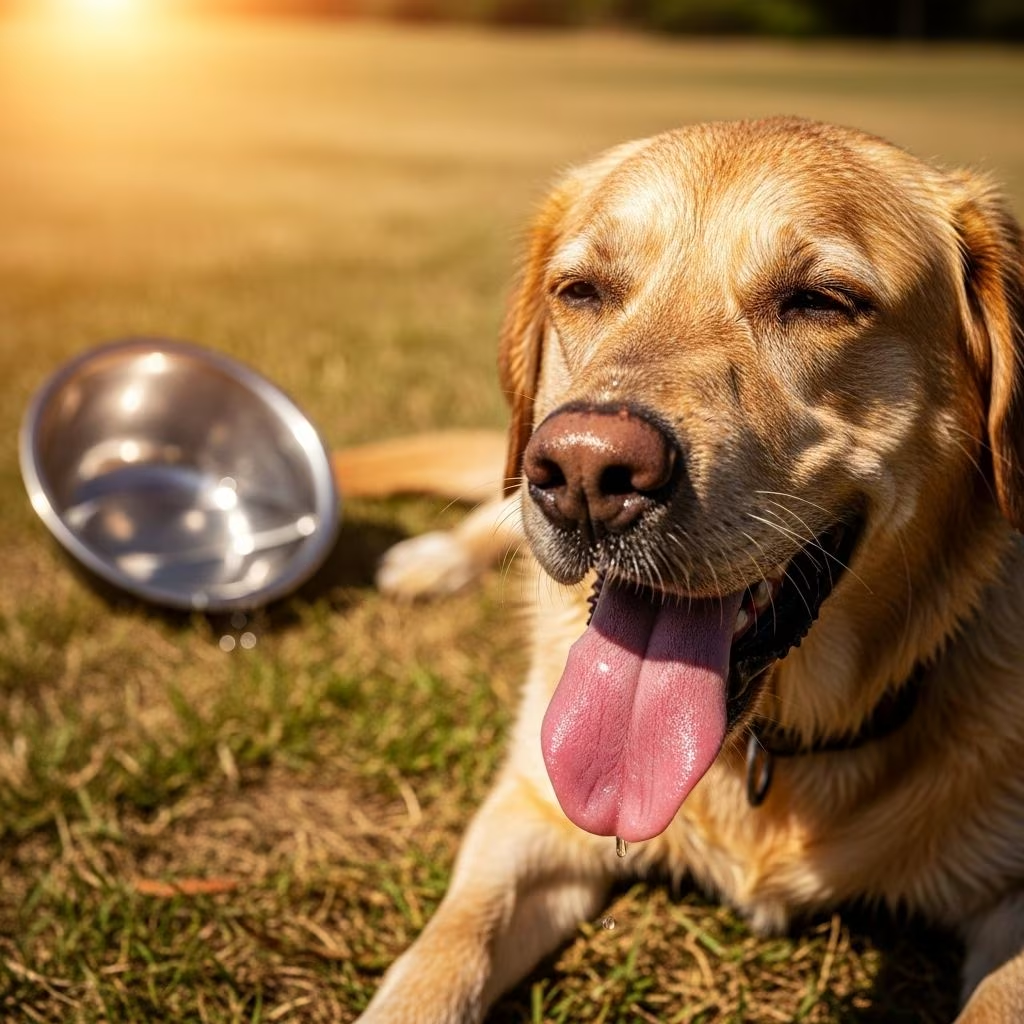
Understanding Heat Stroke in Dogs
Heat stroke, medically known as hyperthermia, is a life-threatening emergency condition that occurs when a dog’s body temperature rises to dangerous levels. When a dog’s temperature reaches 43 degrees Celsius (approximately 109.4 degrees Fahrenheit) or higher, the proteins that form the foundation of all cells in the body begin to break down. This cellular damage leads to multiple organ failures and can result in death if treatment is not administered immediately. Heat stroke is particularly common during summer months and affects dogs at varying severity levels depending on environmental conditions, duration of exposure, and individual risk factors.
The critical nature of heat stroke cannot be overstated—every second counts when a dog is experiencing this condition. Even suspected heat stroke requires immediate veterinary attention, as delayed treatment significantly reduces the chances of recovery and increases the risk of permanent organ damage or fatality.
Recognizing the Signs and Symptoms of Heat Stroke
Early recognition of heat stroke symptoms is crucial for improving your dog’s prognosis. Pet owners should be familiar with both the initial warning signs and the more severe symptoms that indicate progressive heat stroke.
Early Warning Signs
The first indicators of heat stroke include:
- High body temperature (above normal range)
- Heavy panting or rapid breathing
- Excessive drooling, often appearing as thick saliva
- Restlessness, agitation, or pacing
- Seeking shade or water persistently
- Bright red or dark red gums and tongue
- Dry mucous membranes
Progressive Symptoms
As heat stroke worsens, the following symptoms may develop:
- Vomiting or diarrhea, sometimes containing blood
- Weakness and lethargy
- Difficulty standing or walking
- Increased heart rate and irregular heartbeat
- Pale, purple, or blue-tinged gums
- Dizziness and loss of coordination
- Muscle tremors
- Seizures
- Collapse or loss of consciousness
Risk Factors and Susceptible Dogs
While all dogs can develop heat stroke, certain breeds, ages, and health conditions put dogs at significantly higher risk. Understanding these risk factors allows owners to take extra precautions during warm weather.
Dogs with the following characteristics are particularly vulnerable to heat stroke:
- Brachycephalic breeds (flat-faced dogs such as Bulldogs, Pugs, and Boxers) with compromised respiratory systems
- Dogs with respiratory diseases or breathing problems, including laryngeal paralysis or collapsing trachea
- Dogs with cardiovascular disease or heart problems
- Dogs with neurological diseases
- Overweight or obese dogs
- Senior dogs with reduced heat tolerance
- Dogs with thick or heavy coats
- Puppies with underdeveloped thermoregulation
- Dehydrated dogs
- Dogs with a history of previous heat stroke
First Aid and Emergency Cooling Techniques
If you suspect your dog is experiencing heat stroke, immediate action is essential. Begin cooling efforts right away, even before reaching a veterinary hospital, as studies show that dogs actively cooled before arriving at the hospital have significantly better survival rates.
Proper Cooling Methods
The following cooling techniques are recommended for heat stroke emergencies:
- Use cool (not cold) water: Pour cool water over the head (avoiding the face), stomach, armpits, and feet. Room temperature water is acceptable if cool water is not immediately available.
- Avoid ice and cold water: Do not use ice baths or extremely cold water, as rapid cooling can cause blood vessel constriction and actually reduce the body’s ability to cool itself effectively.
- Never wrap in wet towels: Wet towels trap heat and prevent the cooling process; remove any coverings that might insulate the dog.
- Use evaporative cooling: Direct a fan toward the dog while misting cool water on their skin. This combination of evaporative and convective cooling is highly effective.
- Submerge if possible: If available and the dog is conscious, place the dog in a cool paddling pool or stream (ensuring the water is cooler than the dog’s body temperature).
- Wet the environment: Pour water around your dog to lower the ambient temperature and create a cooler microclimate.
- Offer water to drink: If the dog is conscious and able to swallow, provide cool water.
What NOT to Do
Avoid these common mistakes during heat stroke emergencies:
- Do not use ice baths or ice packs, which can cause harmful vasoconstriction
- Do not apply rubbing alcohol, which is no longer recommended as a cooling method
- Do not restrict the dog’s breathing by covering their face with water
- Do not delay seeking veterinary care while continuing home treatment
- Do not wrap wet towels around the dog, as this traps heat
Veterinary Treatment and Hospital Care
Once your dog reaches a veterinary hospital, the medical team will implement comprehensive treatment protocols to address heat stroke and prevent organ damage. Treatment focuses on safely reducing body temperature while supporting organ function and preventing complications.
Cooling and Monitoring
Veterinarians continue active cooling at the hospital using controlled methods. Rectal temperature is monitored closely every 5 minutes. Treatment is discontinued once the dog’s temperature reaches 103-104°F (39.7-40°C) to prevent rebound hypothermia—a dangerous condition where the body temperature drops too low.
Intravenous Fluid Therapy
Intravenous fluids are considered a cornerstone of heat stroke treatment. IV access is established immediately upon arrival, and room-temperature crystalloid solutions are administered. A bolus of crystalloids helps address hypovolemia and hemoconcentration by expanding intravascular volume and increasing blood flow to the periphery, which aids the cooling process. Fluid therapy is continued to maintain hydration and replace ongoing losses from vomiting and diarrhea.
Respiratory Support
Low-concentration oxygen therapy is commonly provided to support breathing and improve oxygen delivery to tissues. In severe cases, sedation may be used to calm the dog and reduce oxygen demand. For dogs experiencing severe respiratory distress or unconsciousness, anesthesia and airway intubation may be necessary to maintain a patent airway.
Gastrointestinal Protection
Heat stroke frequently causes gastrointestinal tract damage, including ulceration and tissue death. Veterinarians administer:
- Antiemetics (medications to prevent nausea) such as metoclopramide, dolasetron, or maropitant
- Gastric protectants including proton pump inhibitors like omeprazole or pantoprazole to prevent ulceration
- H2 receptor antagonists such as famotidine to reduce acid production
- Sucralfate as a local protectant that binds to ulcers and prevents further damage
Additional Medical Support
Depending on the severity and complications, additional treatments may include:
- Antibiotics to prevent secondary sepsis (blood poisoning)
- Pain relief medications
- Cardiac medications if arrhythmias develop
- Blood tests to assess dehydration severity, evaluate organ function, and monitor clotting ability
- Blood or plasma transfusions for dogs with clotting abnormalities
- Intensive monitoring in the ICU for continuous observation and adjustment of treatment
Long-Term Prognosis and Recovery
The prognosis for heat stroke varies significantly depending on the severity of the condition, how quickly treatment was initiated, and the dog’s overall health status. Dogs that receive prompt cooling and veterinary care have substantially better outcomes than those with delayed treatment. Research demonstrates that dogs actively cooled before hospital arrival have a mortality rate of approximately 19%, compared to 49% in dogs not cooled prior to arrival.
Even dogs that appear to recover quickly should receive complete veterinary evaluation and monitoring, as complications can develop days or weeks after the initial incident. Some dogs may experience permanent organ damage or ongoing health issues following severe heat stroke.
Prevention Strategies
Preventing heat stroke is far more effective than treating it. Pet owners should implement the following precautions during warm weather months:
- Never leave dogs in parked vehicles, even with windows cracked
- Provide constant access to fresh, cool water
- Ensure adequate shade and ventilation in outdoor areas
- Limit exercise during peak heat hours (typically midday to late afternoon)
- Avoid hot pavement and asphalt that can burn paw pads and elevate body temperature
- Consider cooling vests or cooling beds for high-risk dogs
- Groom heavily coated dogs to reduce insulation during summer
- Maintain proper hydration and monitor water intake
- Recognize early warning signs and remove dogs from heat immediately
- Provide climate-controlled environments during extremely hot weather
Frequently Asked Questions About Heat Stroke in Dogs
Q: What is the normal body temperature for a dog?
A: Normal dog body temperature ranges from 101.5 to 102.5 degrees Fahrenheit (38.6 to 39.2 degrees Celsius). Heat stroke is typically defined as a body temperature exceeding 103 degrees Fahrenheit (39.4 degrees Celsius), with critical danger occurring at 106 degrees Fahrenheit (41.1 degrees Celsius) and above.
Q: Can heat stroke occur in cold climates?
A: While heat stroke is most common during summer, it can occur year-round in any climate. Dogs left in vehicles without proper ventilation, those exercised intensely indoors, or those with compromised cooling mechanisms can develop heat stroke in cooler seasons.
Q: How quickly can heat stroke develop?
A: Heat stroke can develop within minutes under extreme conditions, such as a dog left in a closed vehicle in direct sunlight. Onset depends on ambient temperature, humidity, sun exposure, the dog’s age and health status, and coat type.
Q: Can a dog recover fully from heat stroke?
A: Many dogs recover completely with prompt treatment, but severe heat stroke can result in permanent organ damage. Dogs should be monitored closely during recovery, and some may require ongoing veterinary care or develop chronic health issues.
Q: Is panting always a sign of heat stroke?
A: Panting is a normal cooling mechanism in dogs, but excessive, persistent panting combined with other symptoms like drooling, restlessness, or gum color changes warrants immediate investigation for heat stroke.
Q: Should I give my dog ice water during heat stroke?
A: No. Use cool (not ice-cold) water. Extremely cold water can cause vasoconstriction and reduce the body’s ability to cool itself effectively. Room temperature water is also acceptable.
Q: Do all dogs require the same cooling methods?
A: Cooling methods should be adapted to the individual dog. Elderly dogs, dogs with health conditions, or unconscious dogs should be sprayed with room temperature water rather than submerged, to prevent shock.
References
- Heat Stroke in Dogs — VCA Animal Hospitals. 2024. https://vcahospitals.com/know-your-pet/heat-stroke-in-dogs
- Heat Stroke In Dogs – Signs, Symptoms & Treatment — Animal Emergency Service. 2024. https://animalemergencyservice.com.au/blog/heat-stroke-in-dogs/
- Heatstroke in Dogs — Today’s Veterinary Practice. 2024. https://todaysveterinarypractice.com/emergency-medicine-critical-care/todays-technician-heatstroke-in-dogs/
- How to Recognise and Treat Heatstroke in Dogs — RSPCA. 2024. https://www.rspca.org.uk/adviceandwelfare/pets/dogs/health/heatstroke
- Heatstroke: A Medical Emergency — Cornell University College of Veterinary Medicine. 2024. https://www.vet.cornell.edu/departments-centers-and-institutes/riney-canine-health-center/canine-health-information/heatstroke-medical-emergency
- Heatstroke in Dogs and Cats — Royal Veterinary College. 2024. https://www.rvc.ac.uk/small-animal-vet/teaching-and-research/fact-files/heatstroke-in-dogs-and-cats
- Heatstroke in Dogs: Signs, Symptoms, Treatments — American Kennel Club. 2024. https://www.akc.org/expert-advice/health/heatstroke-in-dogs/



