

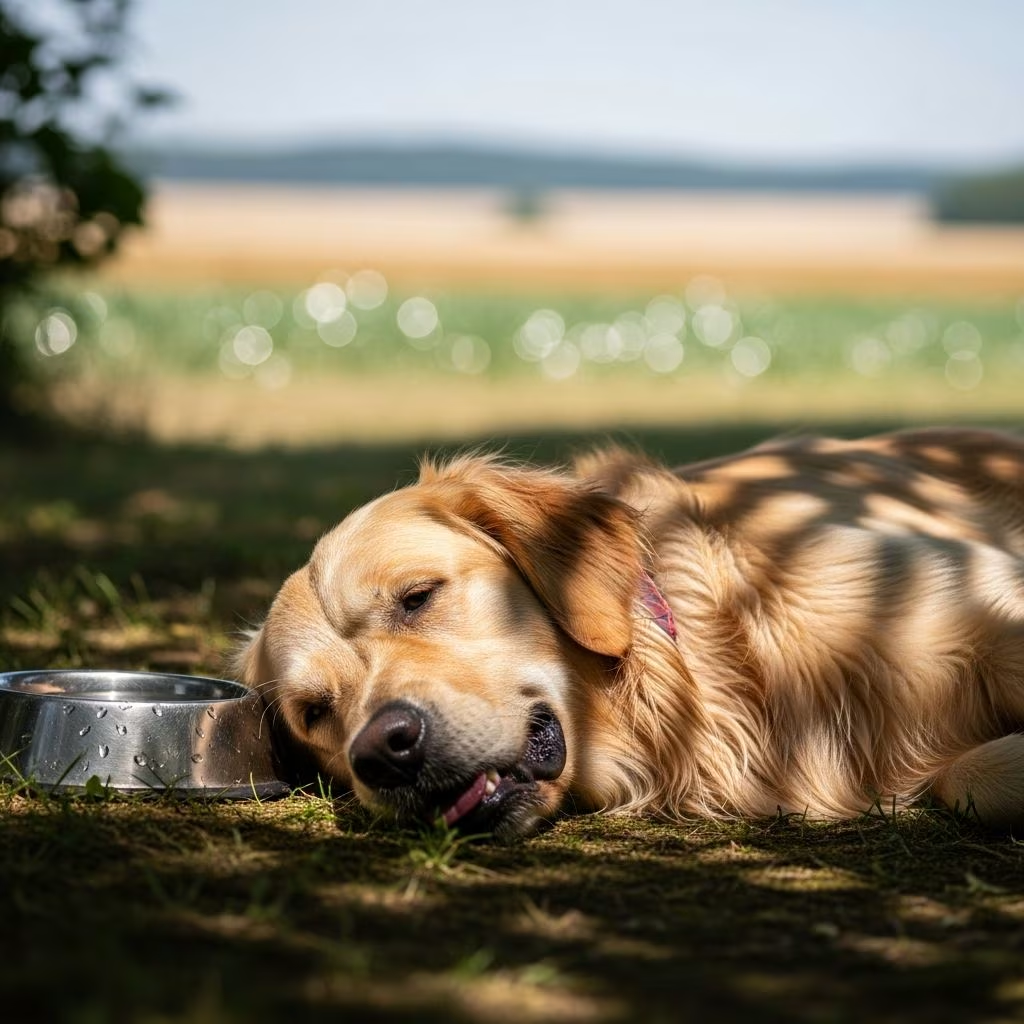
Heat exhaustion in dogs occurs when their body overheats due to high temperatures, humidity, or strenuous activity, leading to potentially life-threatening conditions if not addressed promptly. Dogs primarily cool themselves through panting and paw pad evaporation, but extreme heat can overwhelm these mechanisms, progressing from mild heat stress to severe heatstroke.
Understanding the Stages of Heat-Related Illness
Heat-related issues in dogs develop progressively through distinct phases, each with escalating symptoms requiring immediate intervention. Recognizing these stages early can prevent escalation to critical emergencies.
- Stage 1: Heat Stress – Initial signs include excessive panting, increased thirst, lethargy, and warm-to-touch skin. Dogs may show reduced activity, pasty saliva, and brick-red gums.
- Stage 2: Heat Exhaustion – Symptoms intensify with weakness, stumbling, uncontrollable panting, sunken eyes, dry gums, vomiting, diarrhea, and muscle tremors. Dehydration becomes evident through poor skin elasticity.
- Stage 3: Heatstroke – Critical phase marked by body temperature over 104°F, disorientation, seizures, collapse, rapid heart rate, and organ dysfunction risks like bloody diarrhea or breathing difficulties.
These stages highlight why prompt action is crucial; untreated heat stress can rapidly advance, damaging heat shock proteins that protect cells from thermal stress.
Common Symptoms to Watch For
Pet owners should monitor for a range of indicators, as symptoms can vary by breed, age, and health status. Early detection through observation during hot weather or exercise is key.
| Symptom | Description | Stage Typically Seen |
|---|---|---|
| Excessive Panting | Heavy, rapid breathing that doesn’t subside in shade | 1-3 |
| Weakness/Collapse | Lethargy, stumbling, or inability to stand | 2-3 |
| Reddened Gums | Bright red or pale mucous membranes | 1-3 |
| Vomiting/Diarrhea | Possibly bloody; leads to further dehydration | 2-3 |
| Seizures/Disorientation | Confusion, tremors, or convulsions | 3 |
Additional signs include drooling, elevated heart rate, dry nose, and tachycardia. Brachycephalic breeds like Bulldogs or Pugs often show symptoms sooner due to airway restrictions.
Immediate First Aid Steps
If you suspect heat exhaustion, act swiftly with these evidence-based cooling protocols before heading to a vet. Prioritize stopping heat exposure and gradual cooling to avoid shock.
- Move to a cool, shaded, ventilated area immediately.
- Offer cool (not ice-cold) water; encourage small sips to combat dehydration.
- Wet the body with room-temperature water focusing on paw pads, belly, neck, and thighs; avoid the head to prevent aspiration.
- Use fans or breezes for evaporative cooling; lightly dab rubbing alcohol on ear tips, armpits, and groin if available (evaporates quickly).
- Do not use ice baths, as they constrict blood vessels and worsen core heat retention.
Monitor temperature if possible; aim to reduce gradually below 103°F. Transport to a vet promptly even if symptoms improve.
Veterinary Diagnosis and Treatment
Professional care is essential post-first aid. Vets diagnose via physical exam, temperature check (over 104°F confirms heatstroke), bloodwork for organ function, and ECG for heart issues.
Treatment involves hospitalization with:
- IV fluids for rehydration and electrolyte balance.
- Anti-emetics (e.g., Cerenia), gastroprotectants (e.g., sucralfate), and antibiotics to prevent complications.
- Seizure control with diazepam or mannitol for brain swelling.
- Oxygen therapy, plasma transfusions for clotting issues, and blood pressure support.
Monitoring includes vital signs, repeat labs, and mental status. Prognosis varies; mild cases recover well, but severe ones risk permanent damage or fatality.
Breeds and Dogs at Higher Risk
Not all dogs handle heat equally. Factors increasing vulnerability include:
- Brachycephalic (short-nosed) breeds: Pugs, Boston Terriers, Shih Tzus.
- Overweight or obese dogs: Excess fat insulates heat.
- Seniors, puppies, or those with heart/lung conditions.
- Thick-coated or dark-furred dogs in humid climates.
Exertional heatstroke affects active breeds like Labs during exercise, even in moderate temperatures.
Proven Prevention Strategies
Prevent heat exhaustion through proactive habits, especially in summer or humid conditions.
- Exercise during cooler times: Early morning or evening; avoid midday heat.
- Provide constant fresh water and shaded rest areas.
- Never leave dogs in cars; interior temps soar rapidly.
- Groom for summer: Trim but not shave coats; brush regularly.
- Acclimate gradually to heat and maintain fitness without overexertion.
Use cooling mats, vests, or pools. Watch humidity; high levels impair panting efficiency.
FAQs on Canine Heat Exhaustion
What is the normal temperature for dogs?
Dogs’ normal rectal temperature ranges from 99.5°F to 102.5°F. Anything over 103°F signals heat stress; 104°F+ is heatstroke.
How long does heat exhaustion last in dogs?
With prompt cooling and vet care, recovery can take 24-48 hours for mild cases, but severe ones may require days of hospitalization.
Can dogs get heat exhaustion from walking?
Yes, especially short-nosed breeds or in high humidity; short walks in peak heat can trigger symptoms.
Is heat exhaustion fatal in dogs?
It can progress to fatal heatstroke affecting organs, clotting, and the brain if untreated.
How to check for dehydration in dogs?
Pinch skin on the neck; it should snap back instantly. Sunken eyes, dry gums, and tacky saliva indicate dehydration.
Long-Term Care After an Episode
Post-recovery, schedule follow-ups for bloodwork to check kidneys, liver, and heart. Adjust exercise, diet for weight management, and monitor during warm weather. Some dogs develop lasting sensitivities, requiring shaded living and AC.
Expand on recovery: Cardiac monitoring if arrhythmias occurred. Nutritional support with electrolytes during reintroduction to activity.
References
- Heatstroke in Dogs: Signs, Treatment, and Prevention — PetMD. 2023-06-15. https://www.petmd.com/dog/conditions/systemic/heatstroke-dogs
- The Three Progressive Stages Of Heat-related Illness In Dogs — Eukanuba. 2024-05-20. https://www.eukanuba.com/articles/dog-care/the-three-progressive-stages-of-heat-related-illness-hri
- How to Recognise & Treat Heatstroke in Dogs — RSPCA. 2025-03-10. https://www.rspca.org.uk/adviceandwelfare/pets/dogs/health/heatstroke
- Signs of Heat Exhaustion in Dogs — Chimacum Valley Veterinary. 2024-07-12. https://chimacumvet.com/blog/signs-of-heat-exhaustion-in-dogs/
- Recognizing and Preventing Heat Exhaustion — Tampa Vet. 2024-06-05. https://www.tampavet.com/DrWebsters-Blog/preventing-heat-exhaustion-dogs/
- Heat Stroke in Dogs: Causes, Symptoms, and Treatment — Veg.com. 2025-01-22. https://www.veg.com/post/dog-heat-stroke



