

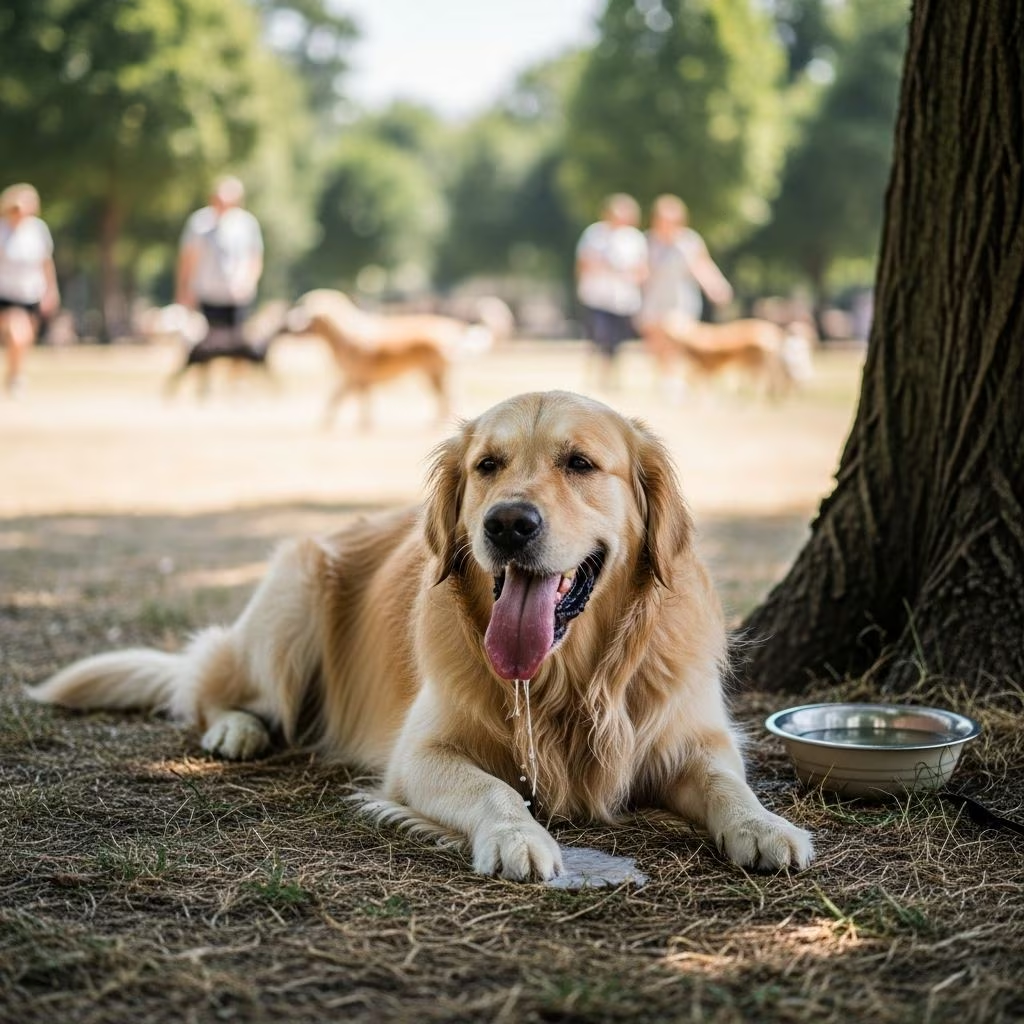
Dogs rely primarily on panting to regulate their body temperature, making them vulnerable to overheating in warm environments. Heat exhaustion occurs when a dog’s core temperature rises dangerously, often progressing to life-threatening heatstroke if untreated. Normal canine body temperature ranges from 100.5°F to 102.5°F (38.1°C to 39.2°C); anything above 105°F (40.6°C) signals an emergency.
Understanding the Physiology of Overheating
Unlike humans, who sweat through skin pores, dogs cool mainly via evaporation from their tongue and paw pads during panting. High humidity impairs this process, trapping heat. Factors like thick fur, obesity, or respiratory issues exacerbate the risk, as these limit efficient cooling. Brachycephalic breeds (e.g., Bulldogs, Pugs) with short snouts struggle more due to narrowed airways.
Risk Factors and Vulnerable Breeds
Certain dogs face higher odds of heat-related distress:
- Brachycephalic breeds: Pugs, French Bulldogs, Boston Terriers – obstructed airways hinder breathing.
- Overweight or obese dogs: Excess fat insulates heat, straining the heart.
- Seniors and puppies: Immature or declining organ function impairs thermoregulation.
- Thick-coated breeds: Huskies, Sheepdogs retain heat longer.
- Dogs with health conditions: Heart disease, laryngeal paralysis, or epilepsy.
Environmental triggers include leaving pets in cars, hot yards without shade/water, or exercising in peak heat. Even moderate temperatures (above 80°F/27°C with humidity) pose dangers indoors without AC.
Stages of Heat Exhaustion: From Mild to Critical
Heat exhaustion unfolds in progressive stages, each demanding swift intervention.
| Stage | Temperature Range | Key Symptoms |
|---|---|---|
| Heat Stress (Mild) | 102.5°F–104°F (39.2°C–40°C) | Increased thirst, moderate panting, alertness intact but restlessness. |
| Heat Exhaustion (Moderate) | 104°F–106°F (40°C–41.1°C) | Heavy panting, weakness, collapse possible, mental awareness but fatigue. |
| Heatstroke (Severe) | Above 106°F (41.1°C) | Disorientation, seizures, coma, organ failure risk. |
Early detection hinges on monitoring behavior and vitals like gum color (should be pink, moist) and pulse.
Recognizing Warning Signs
Owners must spot subtle cues before crisis:
- Respiratory changes: Excessive, rapid panting; breathing distress.
- Gum and tongue issues: Bright red, sticky, or blue-tinged; dry nose.
- Behavioral shifts: Lethargy, confusion, dizziness, unwillingness to move.
- Gastrointestinal distress: Vomiting, diarrhea (possibly bloody in severe cases).
- Physical signs: Drooling, tremors, warm ears/feet, rapid heartbeat.
Seizures or unconsciousness indicate heatstroke, requiring immediate action.
Immediate First Aid: What to Do Right Away
Time is critical – act fast to lower temperature safely.
- Relocate: Move to a cool, shaded, ventilated area; use AC if available.
- Cool gradually: Wet with cool (not ice-cold) water on belly, armpits, paws, groin. Avoid head to prevent aspiration.
- Enhance evaporation: Fan over damp fur or mist with water; never wrap in wet towels (traps heat).
- Hydrate carefully: Offer small sips of cool water; avoid force-feeding.
- Monitor temperature: Rectal thermometer if possible; aim below 103°F (39.4°C), then stop cooling.
- Seek vet: Go immediately, even if improving – internal damage may lurk.
Dangerous myths: Skip ice baths (cause vasoconstriction), alcohol rubs, or cold towels.
Veterinary Interventions and Hospital Care
At the clinic, expect aggressive support:
- IV fluids for hydration, shock reversal, internal cooling.
- Oxygen therapy for breathing issues.
- Blood tests assessing clotting, organs, electrolytes.
- Medications: Anti-nausea, gastroprotectants, antibiotics, pain relief, anti-seizure.
- Plasma transfusions for coagulopathies.
- ICU monitoring; sedation if needed.
Prognosis improves with rapid treatment, but mortality rises with delays or comorbidities.
Prevention Strategies for Safe Summers
Proactive habits safeguard your dog:
- Schedule wisely: Walk/exercise dawn/dusk; skip midday heat.
- Hydration stations: Constant fresh water access; add ice cubes.
- Shade and ventilation: Never leave in cars (temp soars 20°F in minutes); provide fans/AC.
- Grooming tips: Summer clips for thick coats (don’t shave to skin).
- Build tolerance: Gradual heat acclimation; know breed limits.
- Know limits: Shorten play in humidity >60%; watch obese/senior pets closely.
Hot car facts: Windows cracked isn’t enough – interior hits 120°F+ quickly.
Long-Term Recovery and Monitoring
Post-incident, dogs may need weeks of care. Watch for kidney/liver damage, clotting issues. Follow vet rechecks, low-protein diets if indicated, and restricted activity until cleared. Some develop lasting sensitivities, requiring permanent precautions.
Frequently Asked Questions (FAQs)
What temperature is dangerous for dogs?
Above 105°F (40.6°C) is critical; 103°F warrants monitoring.
Can dogs get heat exhaustion in 70°F weather?
Yes, especially humid conditions or with exercise in vulnerable breeds.
Is a wet towel safe for cooling?
No – it traps heat; use fans with misting instead.
How long do symptoms last after cooling?
Immediate relief possible, but vet evaluation essential for hidden damage.
Which breeds need extra caution?
Brachycephalics, obese, seniors, thick-coated dogs.
Seasonal Preparedness Checklist
- Acquire pet thermometer, cooling mats.
- Stock electrolyte solutions (vet-approved).
- Emergency vet numbers handy.
- AC unit or fans for indoor safety.
- Regular weight checks to prevent obesity.
By understanding risks and acting decisively, you can prevent tragedies. Heat exhaustion is avoidable with vigilance.
References
- Heat Stroke In Dogs – Signs, Symptoms & Treatment — Animal Emergency Service. 2023. https://animalemergencyservice.com.au/blog/heat-stroke-in-dogs/
- Heat Stroke in Dogs — VCA Animal Hospitals. 2024. https://vcahospitals.com/know-your-pet/heat-stroke-in-dogs
- Heat Stroke in Dogs: Causes, Symptoms, and Treatment — VEG. 2023. https://www.veg.com/post/dog-heat-stroke
- How to Recognise & Treat Heatstroke in Dogs — RSPCA. 2024. https://www.rspca.org.uk/adviceandwelfare/pets/dogs/health/heatstroke
- Prevent, Detect, and Treat Heat Exhaustion in Canines — Jefferson Animal Hospitals. 2023. https://jeffersonanimalhospitals.com/prevent-detect-and-treat-heat-exhaustion-in-canines/
- Heatstroke: A medical emergency — Cornell University College of Veterinary Medicine. 2024. https://www.vet.cornell.edu/departments-centers-and-institutes/riney-canine-health-center/canine-health-information/heatstroke-medical-emergency



