

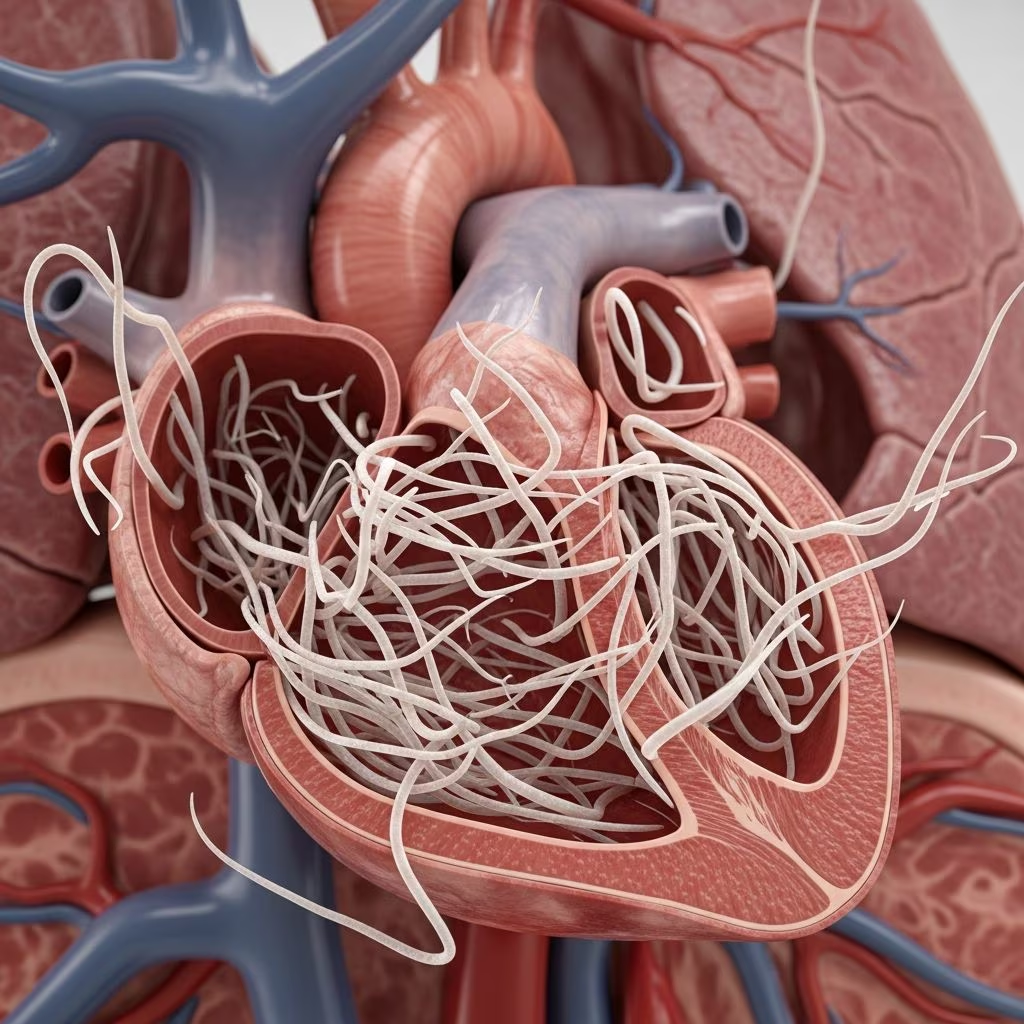
Heartworm disease poses a serious risk to dogs, caused by parasitic worms that target the heart, lungs, and blood vessels. Transmitted exclusively through mosquito bites, this condition can remain undetected for months, leading to severe organ damage if not addressed promptly. Dog owners must prioritize awareness and proactive measures to protect their pets from this preventable yet potentially fatal illness.
The Nature of Heartworm Parasites
Heartworms, scientifically known as Dirofilaria immitis, are foot-long nematodes that reside primarily in a dog’s pulmonary arteries and right ventricle. Infected mosquitoes deposit microscopic larvae, called microfilariae, into the dog’s skin during a blood meal. These larvae undergo a complex migration: they enter the bloodstream, travel to the lungs, and mature into adults within 6-7 months. Mature females produce new microfilariae, perpetuating the cycle when ingested by another mosquito.
This lifecycle explains why symptoms often appear only after significant worm burden accumulates. Even indoor dogs face risk in mosquito-prevalent areas, as a single bite suffices for infection. The disease affects dogs of all ages, breeds, and lifestyles, though certain regions with warm climates see higher prevalence.
Recognizing Early Warning Signs
Heartworm infections progress silently in initial stages, with many dogs showing no outward signs. As worms multiply, subtle changes emerge, escalating to critical conditions. Vigilance is key, as early detection via annual veterinary screening dramatically improves outcomes.
- Mild initial indicators: Occasional cough, reduced energy after play, slight weight loss despite normal appetite.
- Moderate progression: Persistent cough (dry or productive), exercise reluctance, rapid fatigue, panting without exertion.
- Advanced distress: Labored breathing, swollen abdomen from fluid buildup, pale gums, bloody urine, collapse, or sudden death.
Veterinarians classify severity into four classes: Class 1 (asymptomatic or mild cough), Class 2 (moderate cough, tiredness), Class 3 (debilitating signs like heart failure), and Class 4 (caval syndrome, a blockage causing shock). Auscultation often reveals abnormal lung or heart sounds, enlarged organs, or murmurs.
Risk Factors and Transmission Dynamics
Mosquitoes thrive in humid, temperate environments, making southern and coastal U.S. regions hotspots. However, climate change expands ranges northward. Puppies as young as 6 months can be vulnerable, underscoring the need for early prevention starting at 7-8 weeks.
| Risk Factor | Impact on Dogs |
|---|---|
| Geographic Location | Higher in mosquito-heavy areas |
| Outdoor Exposure | Increased bite opportunities |
| Age | Puppies and seniors more susceptible |
| Concurrent Illness | Worsens prognosis |
Hunting or herding breeds with frequent outdoor time face elevated threats. Urban dogs aren’t immune, as mosquitoes breed in standing water anywhere.
Diagnostic Approaches in Veterinary Practice
Suspicion prompts antigen testing (detecting female worm proteins) via blood draw, ideal 6-9 months post-exposure. Microfilariae checks confirm active reproduction. Advanced cases may require echocardiography, X-rays, or ultrasound to assess organ damage. Annual testing is mandatory, even on preventives, due to rare failures or gaps in administration.
False negatives occur early or in low-worm burdens, so retesting ensures accuracy. Positive results necessitate immediate stabilization before treatment.
Proven Prevention Strategies
Prevention trumps treatment in efficacy, cost, and safety. FDA-approved options, prescribed by vets, target larval stages before maturity. Administer year-round, regardless of season, as indoor mosquitoes persist.
- Oral chewables: Ivermectin-based (e.g., Heartgard Plus), milbemycin (Interceptor), covering heartworms plus intestinal parasites.
- Topicals: Applied monthly to skin, repelling mosquitoes alongside prevention.
- Injectables: Every 6-12 months, convenient for compliance-challenged owners.
Combination products tackle fleas, ticks, and worms simultaneously. Mosquito repellents like collars or sprays augment protection. Eliminate breeding sites: empty containers, use fans outdoors, screen windows.
Treatment Protocols: Step-by-Step Recovery
Treatment is multi-phased, demanding strict rest to avert clots from dying worms. Success rates exceed 95% with adherence, but risks rise in advanced cases.
- Stabilization: Prednisone reduces inflammation; doxycycline (4 weeks) targets Wolbachia bacteria symbiotically weakening worms.
- Microfilariae control: Preventives eliminate larvae.
- Adulticide therapy: Melarsomine injections (two or three doses in deep muscle, 30 days apart) kill adults. Post-injection soreness is common; crate rest essential.
- Monitoring: Follow-up tests confirm clearance; lifelong prevention resumes.
Caval syndrome demands surgical extraction. Alternatives like slow-kill preventives are suboptimal, prolonging damage. Costs range $500-$1500+, excluding complications.
Potential Complications and Long-Term Management
Untreated, worms cause pulmonary hypertension, right-heart failure, organ failure. Post-treatment, residual scarring may require lifelong meds for pulmonary fibrosis. Puppies risk stunted growth; breeding dogs face fertility issues.
Holistic support includes low-sodium diets, omega-3 supplements, and gradual exercise resumption. Annual rechecks track heart health.
FAQs on Heartworm Disease in Dogs
Can indoor dogs get heartworms?
Yes, mosquitoes enter homes via screens or doors, biting anytime.
How often should I test my dog?
Annually, per American Heartworm Society guidelines, starting at 7 months.
Is heartworm prevention safe for all dogs?
Generally yes; breed sensitivities (e.g., Collies to ivermectin) require vet guidance and testing.
What if I miss a preventive dose?
Test immediately; resume and consult vet for bridging coverage.
Does heartworm affect other pets?
Cats and ferrets suffer similar, often more acute disease; prevent accordingly.
Empowering Owners for Lifelong Protection
Heartworm disease is 100% preventable with diligence. Partner with your vet for tailored plans, stay vigilant for symptoms, and commit to monthly dosing. Early intervention saves lives and preserves joyful companionship. Regular wellness exams fortify your dog’s defenses against this insidious parasite.
References
- Heartworm Disease — Cornell University College of Veterinary Medicine. 2023. https://www.vet.cornell.edu/departments-centers-and-institutes/riney-canine-health-center/canine-health-information/heartworm-disease
- Heartworm Basics — American Heartworm Society. 2024. https://www.heartwormsociety.org/pet-owner-resources/heartworm-basics
- The Facts about Heartworm Disease — U.S. Food and Drug Administration. 2023-06-15. https://www.fda.gov/animal-veterinary/animal-health-literacy/keep-worms-out-your-pets-heart-facts-about-heartworm-disease
- Heartworm Disease in Dogs: Symptoms, Causes and Treatment — PetMD (veterinary reviewed). 2025. https://www.petmd.com/dog/conditions/infectious-parasitic/heartworm-disease-in-dogs
- Heartworm in Dogs: Why You Shouldn’t Wait Until There are Symptoms — San Mateo Veterinary Clinic. 2024. https://sanmateoveter.com/services/dogs/blog/heartworm-dogs-why-you-shouldnt-wait-until-there-are-symptoms



