

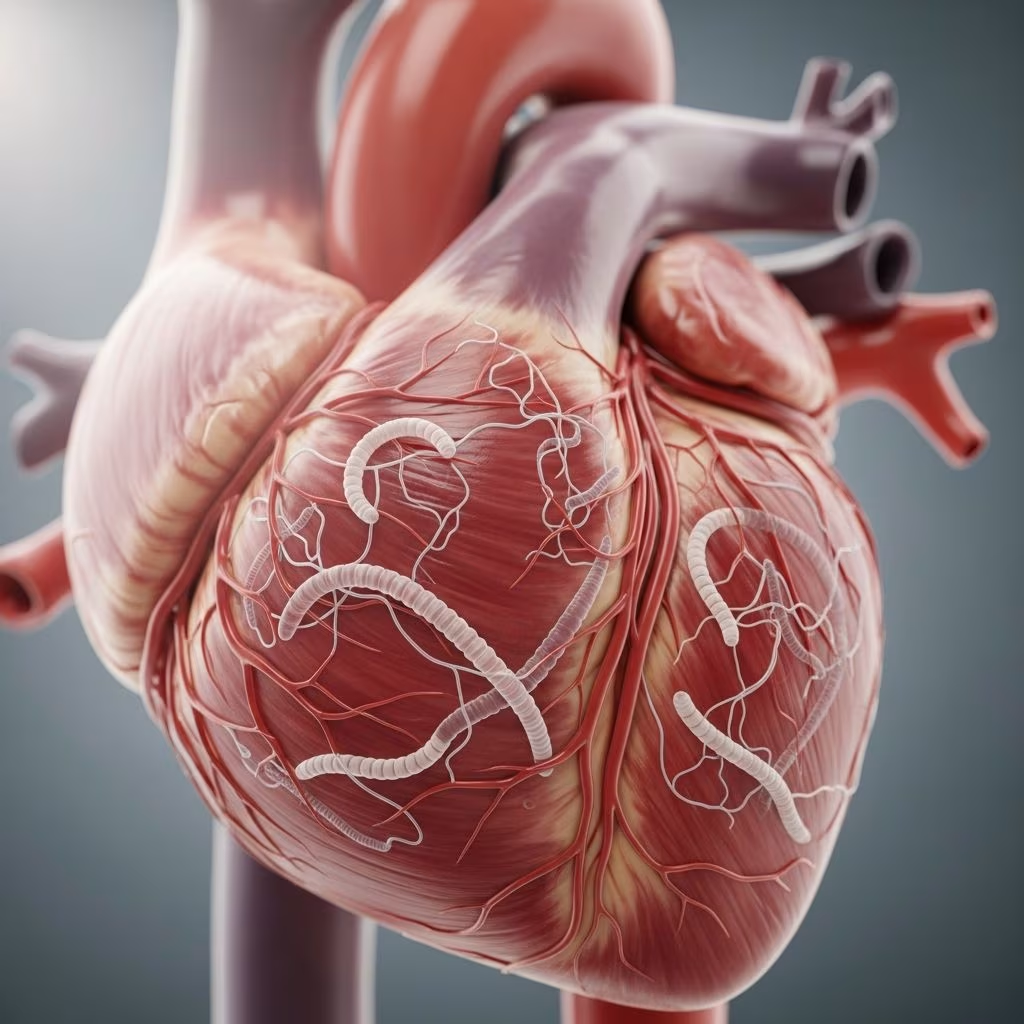
Heartworm disease is one of the most serious parasitic conditions that can affect your canine companion. This potentially life-threatening disease is caused by foot-long worms that establish themselves in the heart, lungs, and blood vessels of infected dogs, leading to severe organ damage and, if left untreated, death. Understanding heartworm disease is essential for every dog owner because prevention is far more effective and affordable than treating an active infection. This comprehensive guide will help you understand the disease, recognize its symptoms, explore treatment options, and implement effective prevention strategies to protect your beloved pet.
What Is Heartworm Disease?
Heartworm disease, medically known as dirofilariasis, is caused by a parasitic worm called Dirofilaria immitis. Adult female heartworms can grow between 6 to 14 inches long and approximately 1/8 inch wide, while males are roughly half the size of females. These parasites primarily reside in the heart, pulmonary artery, and adjacent large blood vessels of infected dogs. In severe cases, a single dog may harbor as many as 300 worms at the time of diagnosis.
What makes heartworm disease particularly dangerous is the longevity of these parasites. Once mature, heartworms can survive for 5 to 7 years in dogs, meaning that repeated mosquito exposure during each season can lead to a progressively increasing worm burden. This accumulation compounds the damage to your dog’s cardiovascular and respiratory systems over time.
Understanding the Heartworm Lifecycle
To effectively prevent heartworm disease, it’s important to understand how the parasite spreads. The heartworm lifecycle involves multiple stages and requires both a mosquito vector and a canine host.
Transmission Process
At least 70 species of mosquitoes can transmit heartworm disease, making the infection risk substantial in most regions. The lifecycle begins when an infected female mosquito bites an infected dog and ingests microfilariae (immature heartworms) during a blood meal. Within the mosquito’s gut, these microfilariae develop for 10 to 14 days under appropriate environmental conditions, eventually entering the mosquito’s mouthparts where they become infective larvae.
When this infected mosquito subsequently bites another dog, the infective larvae are deposited onto the surface of the dog’s skin and enter through the mosquito’s bite wound. This is why even indoor dogs can become infected if a mosquito enters the home.
Development in the Host
Once inside a new host, it takes approximately 6 to 7 months for the larvae to mature into adult heartworms. During this development period, the worms travel through the bloodstream and eventually settle in the heart, lungs, and associated blood vessels. Adult heartworms then mate, and females release their offspring—microfilariae—into the dog’s bloodstream, completing the lifecycle and potentially infecting more mosquitoes.
Risk Factors and Susceptibility
Heartworm disease has been reported in most countries with temperate, semitropical, or tropical climates, including the United States, Canada, Australia, Latin America, and southern Europe. However, certain factors increase your dog’s risk of infection.
Most infections are diagnosed in medium to large-sized dogs between 3 and 8 years old. Dogs that spend time outdoors, particularly those in warmer climates or during mosquito season, face the greatest infection risk. However, it’s important to note that any dog—whether indoor or outdoor—is capable of being infected; all it takes is a single bite from a mosquito carrying infective larvae.
Additionally, small dogs do not tolerate heartworm infections as well as larger dogs. This is because small dogs have smaller blood vessels and heart chambers, so they can tolerate fewer worms before experiencing vessel damage or blockage.
Signs and Symptoms of Heartworm Disease
The symptoms of heartworm disease vary depending on the number of worms present, the dog’s immune response, the duration of infection, and the dog’s activity level. Early detection is crucial because symptoms may not appear until the disease has progressed significantly.
Early Warning Signs
In the early stages of heartworm infection, symptoms may be mild or even absent. Common early signs include:
- A mild, persistent cough
- Reluctance to exercise or engage in normal activities
- Fatigue after moderate activity or playtime
- Decreased appetite
- Weight loss or failure to grow properly
These subtle signs are often overlooked by pet owners, which is why regular veterinary checkups and heartworm testing are essential.
Advanced Symptoms
As heartworm disease progresses, more severe clinical signs develop. Dogs may exhibit labored or difficult breathing, exercise intolerance, and abnormal lung or heart sounds detected during a veterinary examination. Some dogs develop a swollen belly due to excess fluid accumulating in the abdomen, a condition called ascites. Additional signs in advanced cases include blue or purplish discoloration of the skin and gums, spitting up blood, fainting episodes, and nosebleeds.
Caval Syndrome: A Life-Threatening Emergency
Dogs with large numbers of heartworms can develop caval syndrome, a life-threatening condition where worms create a physical blockage of blood flow within the heart. This sudden cardiovascular collapse is characterized by a sudden onset of labored breathing, pale gums, and dark bloody or coffee-colored urine. Without prompt surgical removal of the heartworm blockage, few dogs survive. Caval syndrome represents the most severe form of heartworm disease and requires immediate emergency veterinary intervention.
Diagnosis of Heartworm Disease
Early diagnosis of heartworm infection can significantly improve treatment outcomes. However, it’s important to understand that heartworm antigenemia (detectable heartworm antigens in the blood) and microfilaremia (detectable microfilariae in the blood) don’t appear until approximately 5 to 6.5 months after infection, respectively. This means that a dog infected recently may test negative even though parasites are developing.
Testing Methods
Veterinarians typically use serological testing to identify heartworm infections. Blood tests can detect heartworm antigens or microfilariae, providing confirmation of infection. For dogs showing clinical signs, thoracic radiography (chest X-rays) provides the most comprehensive information about disease severity. X-rays can reveal enlargement of the pulmonary artery, right ventricular enlargement, and other changes indicative of pulmonary hypertension and lung damage.
Treatment Options for Heartworm Disease
Treatment for heartworm disease is complex and varies based on the severity of infection and the dog’s overall health condition. The goals of treatment include killing adult worms, eliminating microfilariae, and managing complications from dead worm reactions.
Killing Adult Heartworms
Treatment to eliminate adult heartworms requires an injectable medication called melarsomine (brand names include Immiticide® and Diroban®). This drug is administered in a series of injections specifically designed to kill adult heartworms in the heart and adjacent blood vessels. Your veterinarian will determine the specific injection schedule based on your dog’s condition and disease severity.
Treatment Protocols
The standard treatment typically involves an initial injection, followed by a 30-day period of rest, and then two additional injections given 24 hours apart. However, many veterinarians prefer a 3-dose protocol that introduces a delay in the treatment schedule. Under this alternative approach, the dog receives a single injection initially, then one month later receives two additional injections 24 hours apart. Many veterinarians choose the 3-injection treatment regardless of heartworm disease stage because it may be safer for the dog and more efficient at killing all parasites.
Managing Wolbachia Bacteria
An important consideration in heartworm treatment is the bacterial organism Wolbachia pipiens, which lives within heartworms. This bacteria contributes to the damage caused by heartworm disease and is necessary for the normal development and reproduction of heartworms. Your veterinarian will likely include medication to kill these bacteria as part of the comprehensive treatment plan.
Post-Treatment Care
After receiving melarsomine injections, dogs may experience “dead worm reactions” as the parasites die and decompose within the body. To minimize these reactions, all dogs should be confined (restricted from exercise) throughout treatment and for 4 to 6 weeks after the final injection. During this recovery period, your dog should avoid strenuous activity, jumping, running, and play that could strain the cardiovascular system.
Dogs should be placed on heartworm preventive medication (usually before treatment with melarsomine begins) and tested again after 8 to 12 months to ensure all worms have been eliminated. If your dog tests positive after this period, retesting may be required, and a new round of treatment might be necessary.
Emergency Treatment for Caval Syndrome
For dogs with caval syndrome, the only treatment option is quick surgical removal of the heartworm blockage. However, this surgery is risky, and even with immediate surgical intervention, most dogs with caval syndrome die. This emphasizes the critical importance of prevention and early detection.
Heartworm Prevention Strategies
Prevention is undoubtedly the most effective and cost-efficient approach to protecting your dog from heartworm disease. Multiple preventive options are available, allowing you to choose the method that best suits your dog’s lifestyle and your preferences.
Year-Round Prevention
Heartworm prevention should be administered year-round in most regions. Even during cooler months when mosquito activity decreases, parasites may still be present, and protection ensures comprehensive coverage. Your veterinarian can recommend the most appropriate prevention schedule for your specific geographic location.
Types of Preventive Medications
Several categories of heartworm preventives are available, including oral medications administered monthly, topical treatments applied to the skin, and injectable preventives administered by your veterinarian. Each option has distinct advantages, and your veterinarian can help determine which is most suitable for your dog based on age, health status, and lifestyle.
Environmental Management
While heartworm medications are the primary defense, you can reduce mosquito exposure by:
- Limiting time outdoors during peak mosquito activity, typically dawn and dusk
- Using screens on windows and doors to prevent mosquitoes from entering your home
- Eliminating standing water around your property where mosquitoes breed
- Using dog-safe insect repellents when spending extended time outdoors
Heartworm Disease Classification and Severity
Veterinarians classify heartworm infections into different categories based on the presence and severity of clinical signs:
| Classification | Clinical Signs |
|---|---|
| Class 1 (Mild) | No clinical signs or minimal cough |
| Class 2 (Moderate) | Cough, exercise intolerance, abnormal lung sounds |
| Class 3 (Severe) | Cough, exercise intolerance, abnormal heart or lung sounds, difficulty breathing, liver enlargement, fainting, abdominal fluid accumulation |
| Class 4 (Caval Syndrome) | Life-threatening condition with massive worm burden causing blood flow blockage |
Frequently Asked Questions About Heartworm Disease
Q: Can indoor dogs get heartworms?
A: Yes, indoor dogs can contract heartworms if a mosquito carrying the parasite enters the home. All dogs, regardless of whether they spend most of their time indoors or outdoors, require heartworm prevention.
Q: How long does heartworm treatment take?
A: The standard heartworm treatment protocol takes approximately 2 months from the first injection to completion. Additionally, dogs must remain confined for 4 to 6 weeks after the final injection, with a follow-up test 8 to 12 months later to confirm successful treatment.
Q: Is heartworm preventive medication safe?
A: Yes, heartworm preventive medications are safe and effective when administered as directed by your veterinarian. These medications have been used for decades and have an excellent safety profile. Your veterinarian will select the most appropriate preventive based on your dog’s age, weight, and health status.
Q: Can heartworm disease be cured?
A: Yes, heartworm disease can be treated with melarsomine injections and supportive care. However, treatment is more complex, expensive, and carries more risks than prevention. Some dogs may experience lasting damage to the heart and lungs even after successful treatment.
Q: How often should my dog be tested for heartworms?
A: Veterinarians typically recommend annual heartworm testing for dogs on prevention medication and dogs without clinical signs. Dogs not on prevention or those with suspected exposure should be tested more frequently, as recommended by your veterinarian.
Q: What regions are most affected by heartworm disease?
A: Heartworm disease has been reported in most countries with temperate, semitropical, or tropical climates, including the United States, Canada, Australia, Latin America, and southern Europe. All regions with mosquito populations pose some risk, but warm, humid areas have higher infection rates.
Conclusion
Heartworm disease represents a serious threat to canine health, but it is highly preventable with appropriate medication and vigilance. By understanding the disease, recognizing early warning signs, and implementing year-round prevention strategies, you can protect your dog from this potentially fatal condition. Regular veterinary checkups, consistent heartworm preventive medication, and prompt medical attention if symptoms develop will ensure your dog remains healthy and heartworm-free for years to come. Remember that prevention is always preferable to treatment—protecting your dog from heartworm infection should be a cornerstone of responsible pet ownership.
References
- Heartworm in Dogs — American Heartworm Society. 2025. https://www.heartwormsociety.org/heartworms-in-dogs
- Heartworm Disease in Dogs – Dog Owners — Merck Veterinary Manual. 2025. https://www.merckvetmanual.com/dog-owners/heart-and-blood-vessel-disorders-of-dogs/heartworm-disease-in-dogs
- Heartworm Disease in Dogs — VCA Animal Hospitals. 2025. https://vcahospitals.com/know-your-pet/heartworm-disease-in-dogs
- The Facts about Heartworm Disease — U.S. Food and Drug Administration (FDA). 2025. https://www.fda.gov/animal-veterinary/animal-health-literacy/keep-worms-out-your-pets-heart-facts-about-heartworm-disease
- Heartworm Disease in Dogs, Cats, and Ferrets – Circulatory System — MSD Veterinary Manual. 2025. https://www.msdvetmanual.com/circulatory-system/heartworm-disease/heartworm-disease-in-dogs-cats-and-ferrets
- Heartworm Disease — College of Veterinary Medicine, Ohio State University. 2020. https://vet.osu.edu/sites/default/files/documents/Heartworm%20Fact%20Sheet%2020200123.pdf
- Canine Guidelines Summary — American Heartworm Society. 2025. https://www.heartwormsociety.org/images/pdf/Canine-Guidelines-Summary.pdf



