

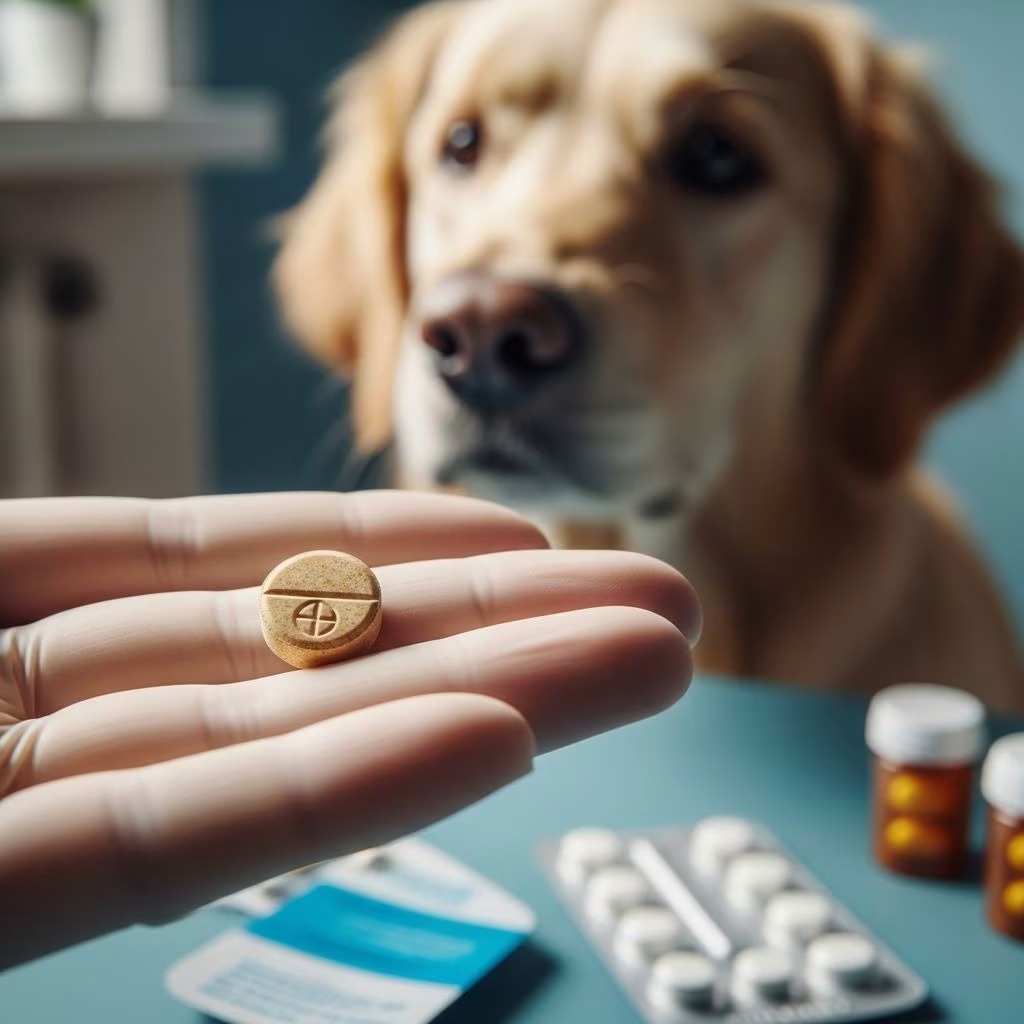
Heartworm disease poses a serious threat to dogs, transmitted through mosquito bites and potentially leading to severe organ damage if untreated. Preventive medications and treatments aim to combat this parasite, but they carry notable risks. Common preventives like oral chewables and injectables can trigger adverse reactions ranging from mild digestive upset to life-threatening neurological issues. Understanding these risks empowers dog owners to make informed choices in consultation with veterinarians.[10]
Why Heartworm Prevention Matters, But Comes with Caveats
Heartworms reside in a dog’s heart, lungs, and associated blood vessels, multiplying rapidly and causing inflammation, heart failure, and even death. Monthly preventives kill larval stages before they mature, while adult treatments involve injections to eliminate established worms. Despite high efficacy, no medication is risk-free; the pesticides used, such as ivermectin, target worm nervous systems but can affect dogs similarly, especially in sensitive breeds or those with heavy infestations.
Preventives are recommended year-round in endemic areas, but missing doses can lead to breakthrough infections. The FDA emphasizes that while effective, treatments for active disease are toxic and demanding, often requiring hospitalization.[10]
Common Side Effects of Preventive Medications
Most dogs tolerate heartworm preventives well, but reactions occur frequently enough to warrant vigilance. Gastrointestinal issues top the list, affecting up to 10-20% of users based on reported data.
- Vomiting: Often occurs shortly after dosing, linked to ingredients like pyrantel in products such as Heartgard Plus.
- Diarrhea: Can be loose or bloody, resolving in 24-48 hours but signaling digestive irritation.
- Lethargy and Anorexia: Dogs may appear tired, refuse food, or show reduced activity.
- Itching or Skin Reactions: Pruritus, hives, or facial swelling from allergic responses.
These symptoms typically self-resolve, but persistent cases need veterinary review.
Severe Reactions: When Preventives Turn Dangerous
Beyond mild effects, some dogs face neurological threats from macrocyclic lactones like ivermectin and milbemycin. Collies, Australian Shepherds, and other herding breeds with MDR1 gene mutations are at higher risk, experiencing toxicity at standard doses.
| Medication Type | Active Ingredients | Severe Side Effects |
|---|---|---|
| Ivermectin-Based (e.g., Heartgard Plus, Tri-Heart Plus) | Ivermectin + Pyrantel | Seizures, ataxia (wobbliness), tremors, blindness, coma |
| Milbemycin-Based (e.g., Interceptor) | Milbemycin Oxime | Convulsions, depression, bloody diarrhea |
| Spinosad Combos (e.g., Trifexis) | Spinosad + Milbemycin | Vomiting leading to dehydration, neurological distress, reported fatalities |
| Injectables (e.g., ProHeart 12) | Moxidectin | Persistent reactions due to slow release, anaphylaxis, liver enzyme spikes |
Underreporting plagues adverse event data; the FDA’s database captures only voluntary submissions, meaning true incidence may be higher. Seizures, for instance, have prompted lawsuits against certain brands.
Treatment for Active Heartworm: High-Stakes Side Effects
Unlike preventives, adult heartworm treatment uses melarsomine injections to kill mature worms, followed by doxycycline to target bacteria aiding worm survival. This protocol is effective but grueling.
- Injection Site Reactions: Soreness, swelling, or abscesses at deep muscle sites.
- Thromboembolism Risks: Dying worms release clots, blocking lung vessels and causing pulmonary crisis.
- Systemic Symptoms: Fever, coughing, rapid breathing, collapse if worm burden is high.
Owners must restrict exercise for months to minimize clot migration. Severe cases demand oxygen therapy or euthanasia considerations.[10]
Breed Sensitivities and Genetic Factors
Certain breeds metabolize heartworm drugs poorly due to the MDR1 mutation, prevalent in 30-70% of herding dogs. Genetic testing via cheek swab can identify carriers, allowing safer alternatives like selamectin topicals (Revolution), though not risk-free.
Puppies under 6 weeks, pregnant dogs, and those with liver disease face amplified risks. Always disclose breed and health history to vets.
Monitoring and Managing Reactions
Post-dosing observation is key: Watch for 24-72 hours after orals, longer for injectables. Home care includes:
- Withholding food before dosing to curb vomiting.
- Hydration support with electrolyte solutions.
- Cool compresses for swelling.
- Benadryl for mild allergies (vet-dosed).
If severe signs emerge—panting, collapse, refusal to eat—rush to emergency care. Vets may administer steroids, anti-seizure meds, or IV fluids.
Alternatives to Conventional Heartworm Meds
Natural prevention gains traction amid drug concerns. Strategies include:
- Mosquito Control: Yard sprays, fans, and screened areas reduce exposure.
- Herbals: Black walnut, wormwood, or neem oils (diluted, vet-guided).
- Immune Boosters: Omega-3s, probiotics, and antioxidants fortify resistance.
- Slow-Kill Protocol: Low-dose ivermectin monthly for positives, avoiding melarsomine toxicity.
These lack FDA approval and efficacy data, so combine with testing every 6 months.
Frequently Asked Questions
Are heartworm preventives safe for all dogs?
No, sensitive breeds and those with health issues face higher risks of neurological toxicity. Genetic testing helps identify vulnerabilities.
Can heartworm meds cause seizures?
Yes, particularly ivermectin and spinosad products; symptoms include trembling, disorientation, and convulsions requiring immediate vet intervention.
What if my dog vomits after a heartworm pill?
Redose if within hours, but consult your vet. Chronic vomiting signals intolerance; switch products.
Is heartworm treatment painful for dogs?
Injections cause localized pain and require strict rest to prevent fatal complications from dying worms.[10]
Do natural alternatives prevent heartworms effectively?
They reduce risk via mosquito deterrence but don’t match drug efficacy; regular testing is essential.
Long-Term Considerations for Pet Owners
Annual heartworm tests, even on preventives, catch failures. Rotate products if reactions occur, and prioritize FDA-approved options over unverified naturals. Discuss slow-kill for mild cases or lifestyle tweaks in low-risk zones. Informed owners balance prevention benefits against side effect realities, fostering healthier canine companions.
References
- Heartworm Treatment in Dogs & Common Side Effects — Matthews Carolina Vet. 2021-08-15. https://www.matthews.carolinavet.com/site/pet-health-blog/2021/08/15/heartwarm-treatment-dogs-side-effects
- The Dangers Of Heartworm Medication: Risks And Side Effects — The Natural Dog Store. N/A. https://thenaturaldogstore.com/blogs/health/the-dangers-of-heartworm-medication
- Treatment for Heartworm Disease in Dogs — Newtown Vets. 2023-03-30. https://www.newtownvets.com/site/blog/2023/03/30/treatment-heartworm-disease-dogs
- The Dangers Of Heartworm Medication — Dogs Naturally Magazine. N/A. https://www.dogsnaturallymagazine.com/risks-of-heartworm-drugs/
- The Facts about Heartworm Disease — U.S. Food and Drug Administration (FDA). N/A. https://www.fda.gov/animal-veterinary/animal-health-literacy/keep-worms-out-your-pets-heart-facts-about-heartworm-disease



