

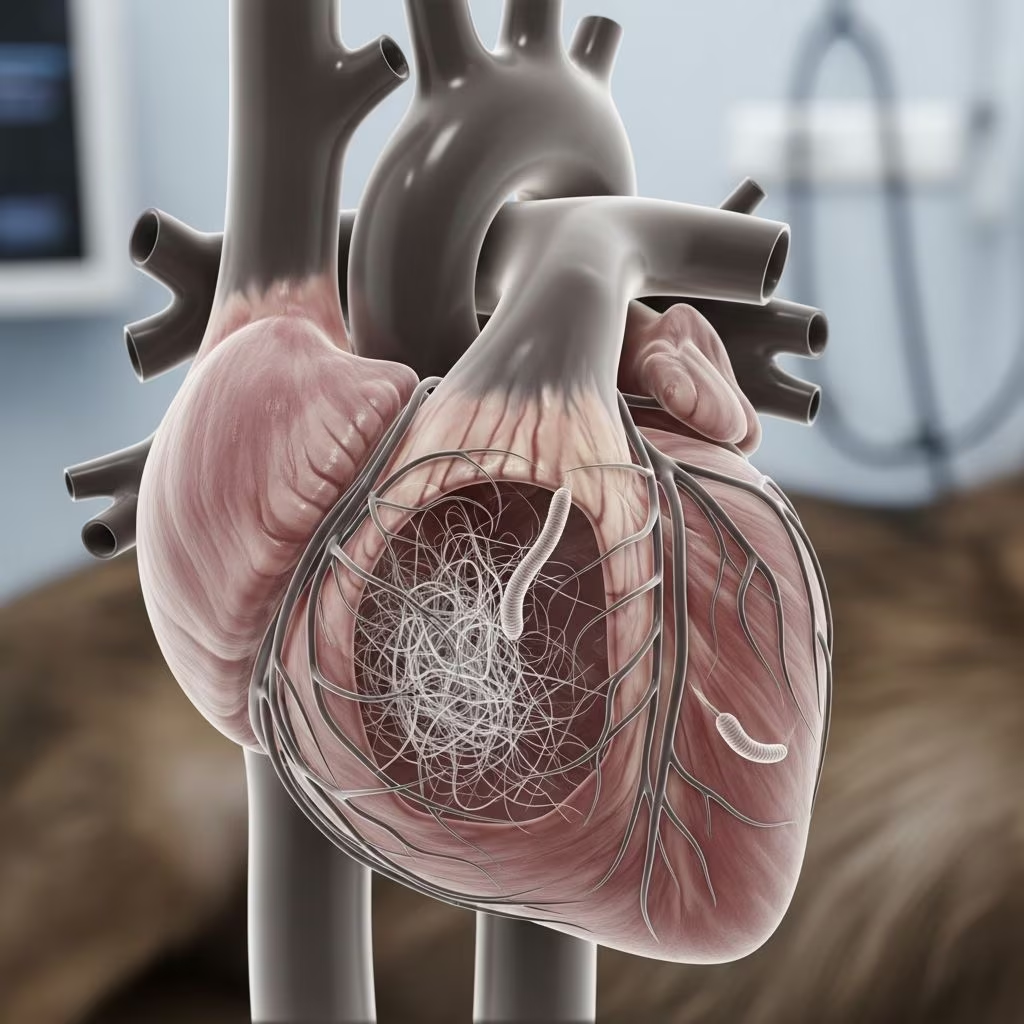
Heartworm disease, caused by the parasitic worm Dirofilaria immitis, poses a serious threat to dogs, leading to heart failure, lung damage, and potentially death if untreated. Transmitted exclusively through mosquito bites, this preventable condition affects dogs across all 50 U.S. states, making year-round vigilance essential for pet owners.
What Is Heartworm Disease?
Heartworm disease is a progressive, potentially fatal condition primarily affecting dogs, where foot-long worms reside in the heart, lungs, and associated blood vessels. Adult worms, resembling strands of cooked spaghetti (males 4-6 inches, females 10-12 inches), can number from 1 to 250 per infected dog, with an average worm burden of 15. These parasites cause lasting vascular damage even after elimination, impacting long-term health and quality of life.
Dogs serve as the definitive host, enabling worms to mature, mate, and produce microfilariae (offspring). Unlike direct transmission between dogs, infection requires an intermediate mosquito host. Cats can contract it but are less susceptible, as worms do not thrive as well in felines.
Heartworm Life Cycle
The heartworm life cycle begins when a mosquito bites an infected dog, ingesting microfilariae into its system. Over 10-14 days in the mosquito (under suitable temperatures), these develop into infective larvae (L3 stage). The mosquito then bites a new dog, depositing larvae that migrate through the skin, enter blood vessels, and reach the lungs and heart over 6 months, maturing into adults with a 5-7 year lifespan in the host.
- Microfilariae release: Adult females shed into bloodstream.
- Mosquito ingestion: Ingested during blood meal.
- Larval development: L1 to L3 in 10-14 days.
- Infection of new host: Larvae migrate to pulmonary arteries.
- Maturation: Adults in 6 months, reproducing.
This cycle underscores why heartworm is not contagious dog-to-dog but geographically widespread due to mosquito activity.
Symptoms of Heartworm Disease in Dogs
Symptoms vary by worm burden, infection duration, host response, and activity level. Early or low-burden infections may be asymptomatic, delaying detection. Severity is classified into four classes:
| Class | Symptoms | Severity |
|---|---|---|
| 1 (Mild) | No symptoms or mild cough, fatigue after exercise | Low worm burden |
| 2 (Moderate) | Cough, exercise reluctance, weight loss | Moderate burden |
| 3 (Severe) | Heart failure signs, swollen belly, labored breathing | Heavy burden, organ damage |
| 4 (Caval Syndrome) | Sudden collapse, pale gums, bloody urine; requires emergency surgery | Life-threatening blockage |
Advanced untreated cases damage heart, lungs, liver, and kidneys, leading to death. Active dogs show symptoms sooner due to increased strain.
Diagnosis of Heartworm in Dogs
Annual antigen testing detects adult female worms in dogs 7+ months old, recommended before starting preventives. A positive test necessitates vet evaluation for severity. Dogs on preventives should test yearly; lapsed prevention requires retesting after 6 months. Microfilariae checks confirm if the dog spreads infection.
Never administer preventives to untested positives, as sudden microfilariae death can cause anaphylactic shock or fatality. Testing ensures safe prevention initiation.
Treatment for Heartworm Disease
Treatment aims to kill adult and immature worms while minimizing complications, involving stabilization, doxycycline (to target Wolbachia bacteria weakening worms), and melarsomine injections (three-dose protocol over months). Strict exercise restriction prevents pulmonary clots from dying worms. Success rates exceed 90% for mild cases but drop with severity; caval syndrome demands risky surgery.
- Pre-treatment: Stabilize with supportive care.
- Adulticide: Melarsomine dihydrochloride injections.
- Exercise restriction: 4-8 weeks per phase.
- Follow-up: Retesting 6-9 months post-treatment.
Treatment is prolonged, costly, and not without risks like thromboembolism, emphasizing prevention.
Heartworm Prevention in Dogs
The American Heartworm Society’s “Think 12” mantra advocates year-round monthly preventives (oral, topical, injectable) for all dogs 7+ months, regardless of location or lifestyle—indoor/outdoor alike at risk. Preventives kill larvae before maturity. Puppies start at 8 weeks with monthly dosing; adults test first.
Options include ivermectin, milbemycin, moxidectin-based products, often bundled with flea/tick control. Consult vets for tailored choice. Lapsed dosing? Restart immediately and retest after 6 months, as larvae take 7 months to detect.
Heartworm Prevention During Low-Risk Seasons
Mosquito activity wanes in winter, but regional variations (e.g., milder climates) sustain risk. Indoor dogs face threats from entering mosquitoes. Skipping prevention risks infection during brief active periods; resuming misses pre-mature larvae. Year-round adherence prevents gaps, aligning with expert consensus despite seasonal temptations.
Can Cats Get Heartworms?
Yes, cats contract heartworms via mosquitoes, though fewer establish (1-3 worms typically). Both indoor/outdoor cats are vulnerable. Symptoms mimic asthma (coughing, vomiting); damage persists post-worm death (Heartworm Associated Respiratory Disease – HARD). Prevention mirrors dogs, with testing less routine due to diagnostic challenges.
Heartworm Disease Statistics
Infections occur in all U.S. states, with surges in warmer Gulf regions but rising northern cases due to climate shifts. Thousands of dogs test positive annually; prevention compliance averts most. Wildlife reservoirs amplify unpredictability.
Frequently Asked Questions (FAQs)
What causes heartworm disease in dogs?
Heartworm disease is caused by Dirofilaria immitis parasites transmitted by infected mosquito bites.
Is heartworm preventable?
Yes, highly preventable with FDA-approved monthly medications killing pre-adult worms.
How often should dogs be tested for heartworms?
Annually for all dogs 7+ months on prevention; more if lapsed.
Can heartworm be cured?
Yes, with melarsomine protocol plus doxycycline and exercise restriction, success >90% in mild cases.
Is heartworm disease fatal?
Untreated, yes—progresses to organ failure; treated early, prognosis excellent.
Do indoor dogs need heartworm prevention?
Yes, mosquitoes enter homes, transmitting anywhere.
References
- The Facts about Heartworm Disease — U.S. Food and Drug Administration (FDA). 2023-05-01. https://www.fda.gov/animal-veterinary/animal-health-literacy/keep-worms-out-your-pets-heart-facts-about-heartworm-disease
- Heartworm Basics — American Heartworm Society. 2024-01-15. https://www.heartwormsociety.org/pet-owner-resources/heartworm-basics
- Heartworm disease – Overview, intervention, and industry perspective — National Center for Biotechnology Information (PMC). 2021-06-01. https://pmc.ncbi.nlm.nih.gov/articles/PMC8163879/



