

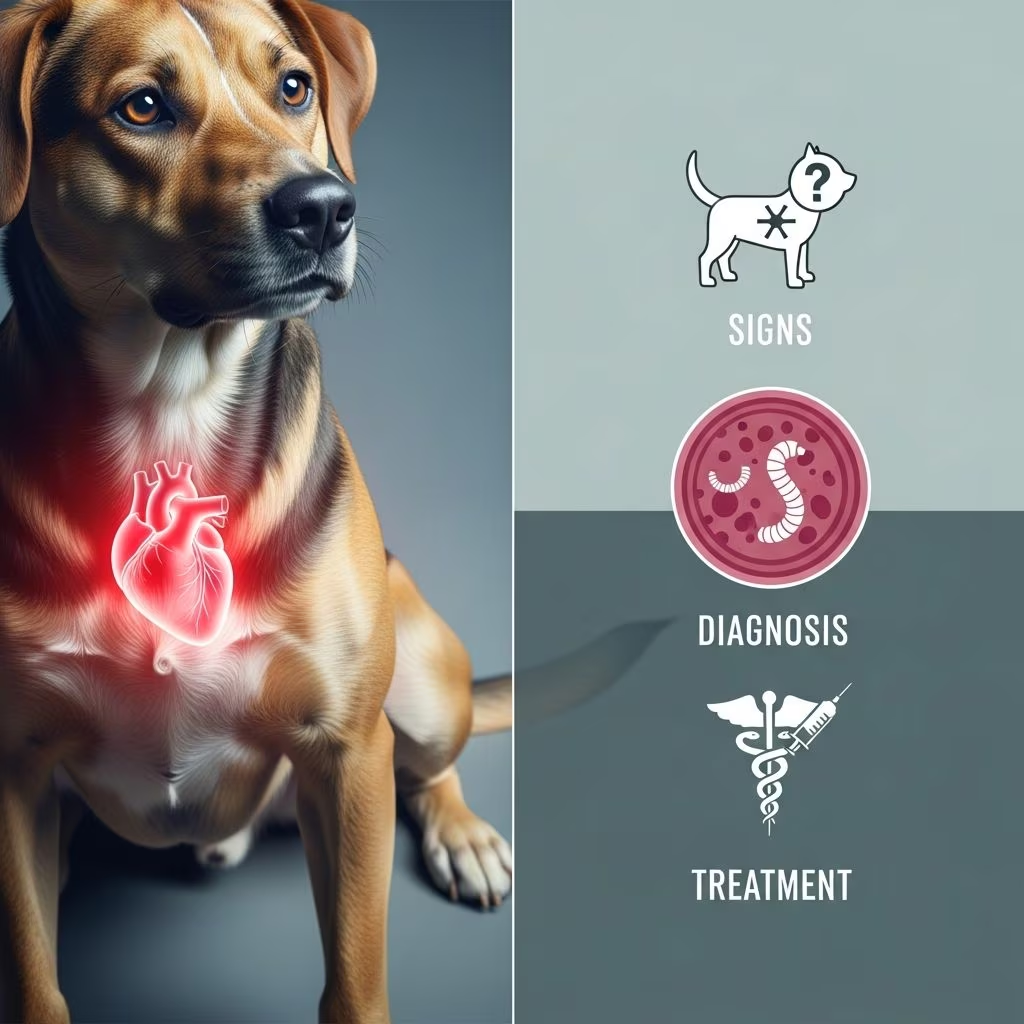
Heartworm disease in dogs, scientifically known as dirofilariasis, is a serious and potentially fatal condition caused by the parasitic worm Dirofilaria immitis. These worms, which can grow up to 14 inches long, reside in the heart, lungs, and associated blood vessels, leading to severe health complications if untreated. Transmitted exclusively through mosquito bites, heartworm poses a risk in all 50 U.S. states, with cases rising even in cats and dogs due to underestimation by pet owners.
What is Heartworm in Dogs?
Heartworm disease develops when infective larvae from a mosquito bite mature into adult worms over 6-7 months inside the dog’s body. Adult females can reach 10-12 inches, males 4-6 inches, resembling strands of cooked spaghetti. The average worm burden is 15 worms, but it can range from 1 to 250, causing pulmonary hypertension, heart failure, and organ damage. Dogs are the definitive hosts where worms mature, mate, and produce microfilariae (offspring) released into the bloodstream. Unlike direct transmission, infection requires a mosquito vector: microfilariae ingested by a mosquito develop into infective larvae over 10-14 days, then enter a new dog via bite. Warmer climates see higher prevalence, but year-round risk exists due to persistent mosquito activity. Even indoor dogs and cats are vulnerable if mosquitoes enter homes, with a 47% rise in feline cases noted recently.
Heartworm Life Cycle
The heartworm life cycle is complex and mosquito-dependent. In an infected dog, adult females release microfilariae into the blood. A feeding mosquito ingests them, and within 10-14 days under suitable conditions (warmth, humidity), they become infective third-stage larvae (L3). When this mosquito bites an uninfected dog, L3 larvae enter through the bite wound, migrate through tissues, reach pulmonary arteries in 70-90 days, and mature into adults in 6 months, restarting the cycle. This 5-7 year worm lifespan in dogs underscores prevention’s importance, as early stages are asymptomatic but infectious. Heartworm is not contagious dog-to-dog; mosquitoes bridge transmission.
- Microfilariae released by adult females into dog’s bloodstream.
- Mosquito ingests microfilariae during blood meal.
- Larvae develop in mosquito (L1 to L3 over 10-14 days).
- Infective L3 enter new dog via mosquito bite.
- Larvae mature to adults in pulmonary arteries (6-7 months).
Symptoms of Heartworm in Dogs
Early heartworm infection is often silent, with symptoms appearing as worms multiply and damage vessels. Mild cases show coughing, fatigue after exercise, and weight loss. Moderate infections add intolerance to activity, reduced appetite, and labored breathing. Severe cases feature swollen abdomen (right-side heart failure), pale gums, dark bloody cough, weakness, and collapse. Class 4 caval syndrome blocks heart blood flow with massive worm burden, requiring emergency surgery—often fatal despite intervention. Progression damages heart, lungs, liver, kidneys, leading to death if untreated. Risk factors include outdoor lifestyle, southern U.S. residence, and lack of prevention.
| Heartworm Class | Symptoms | Severity |
|---|---|---|
| Class 1 (Mild) | No/minimal symptoms; slight cough | Low worm burden |
| Class 2 (Moderate) | Cough, fatigue, weight loss | Moderate burden |
| Class 3 (Severe) | Labored breathing, organ failure signs | High burden |
| Class 4 (Caval Syndrome) | Blood flow blockage, collapse | Life-threatening |
Diagnosis of Heartworm Disease
Veterinarians recommend annual antigen testing per American Heartworm Society guidelines, detecting female worm proteins even in early infection. Positive tests prompt microfilariae checks via blood smear or concentration tests. Radiographs reveal lung patterns/enlarged vessels; ultrasound shows worms in heart. ECHocardiography confirms live adults. Multiple tests ensure accuracy, as false negatives occur in low-burden or male-only infections. Early diagnosis via testing prevents spread, as asymptomatic dogs infect mosquitoes. Banfield data shows steady diagnoses year-round, emphasizing testing beyond summer.
Treatment for Heartworm Positive Dogs
Heartworm treatment is multi-stage, risky due to dying worms causing clots. American Heartworm Society protocol uses melarsomine dihydrochloride (Immiticide) injections to kill adults. Three-dose regimen: two initial 30 days apart, third 30 days later, with strict exercise restriction (crate rest) to minimize complications. Prednisone manages inflammation; doxycycline targets Wolbachia bacteria symbiotic with worms, reducing viability. Monthly preventives kill microfilariae safely post-adulticide. Success rates high (90%+), but treated dogs face 2x higher cardiac disease risk (e.g., heart failure, cardiomyopathy) vs. never-infected dogs. Caval syndrome needs surgical worm extraction. Post-treatment monitoring includes X-rays, bloodwork. Costly ($1,000-$5,000+), emphasizing prevention.
- Stabilization: Manage symptoms, doxycycline 30 days.
- Adulticide: Melarsomine injections + exercise restriction.
- Microfilaricide: Monthly preventives.
- Follow-up: Retesting 6-9 months post-treatment.
Prevention of Heartworm in Dogs
Prevention is safe, effective, FDA-approved. Monthly oral/topical preventives (ivermectin, milbemycin, etc.) kill L3/L4 larvae up to 45 days post-infection. Injectable moxidectin (ProHeart) lasts 6-12 months, reducing positive test risk 72% vs. monthly orals with compliance lapses. Year-round use essential; 50%+ owners skip winter, but diagnoses occur all seasons. No-prevention dogs 2.7x more likely positive vs. monthly users, 6.7x vs. injectables. Test annually before starting. Indoor/outdoor, all dogs need it—mosquitoes ubiquitous.
Heartworm Prevention in Winter
Myth: Heartworm is summer-only. Reality: Mosquitoes active year-round in mild areas; indoor transmission possible. Banfield 2023 data: equal diagnoses across seasons. Larvae survive winter in hosts; prevention kills pre-mature stages. Vets urge 12-month protection, especially southern states.
Heartworm in Cats vs. Dogs
Cats suffer fewer worms (1-3) but severe HARD (Heartworm Associated Respiratory Disease) from dying larvae. No FDA-approved adulticide; supportive care only. 47% diagnosis rise in 5 years; indoor cats at risk. Prevention critical.
Frequently Asked Questions (FAQs)
Can heartworm be transmitted dog-to-dog?
No, only via mosquito bites. Direct contact doesn’t spread it.
Is heartworm preventable year-round?
Yes, use monthly or long-acting preventives continuously; risk persists beyond summer.
What if my dog tests positive?
Follow vet protocol: stabilization, adulticide injections, rest. Prognosis good with treatment, but long-term heart risks elevated.
How often should dogs be tested?
Annually, per American Heartworm Society, especially before prevention.
Are puppies at risk?
Yes; start prevention at 7-8 weeks after initial test.
References
- Heartworm Is on the Rise in Cats and Dogs — Kinship/Banfield. 2023. https://www.kinship.com/pet-health/survey-heartworm-news
- The Facts about Heartworm Disease — U.S. Food and Drug Administration (FDA). 2023-10-20. https://www.fda.gov/animal-veterinary/animal-health-literacy/keep-worms-out-your-pets-heart-facts-about-heartworm-disease
- Prevention and long-term outcomes of naturally occurring canine heartworm disease — Frontiers in Veterinary Science. 2023-11-09. https://www.frontiersin.org/journals/veterinary-science/articles/10.3389/fvets.2023.1334497/full
- Everything You Need to Know About Heartworm Disease in Dogs — Kinship. 2023. https://www.kinship.com/dog-health/heartworm
- My Dog Is Heartworm Positive: Signs, Diagnosis, and Treatments — Kinship. 2023. https://www.kinship.com/dog-health/heartworm-in-dogs
- Heartworm disease – Overview, intervention, and industry perspective — PMC/NCBI. 2021-05-27. https://pmc.ncbi.nlm.nih.gov/articles/PMC8163879/



