

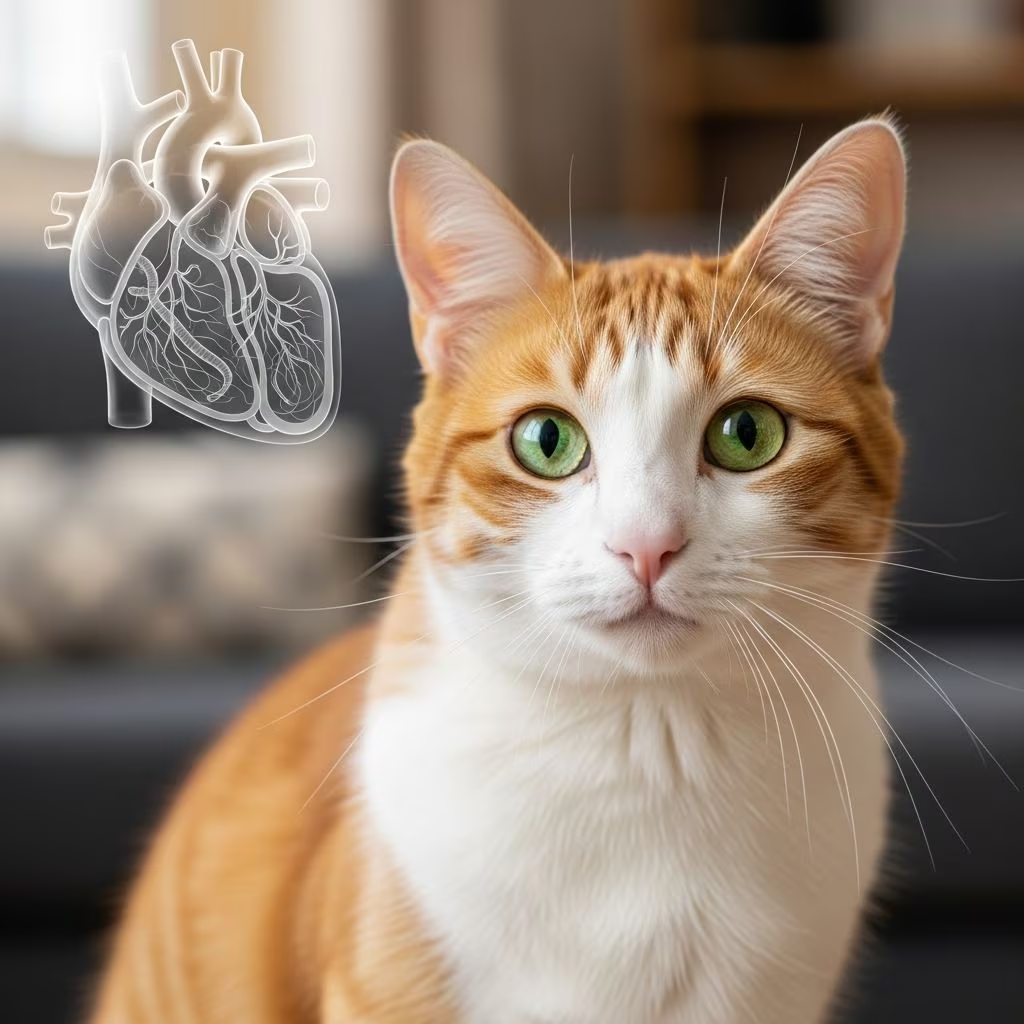
Understanding Heartworm Disease in Cats
Heartworm disease is a serious and potentially fatal parasitic infection that affects cats, dogs, and other animals. Unlike dogs, where heartworm disease is extremely common and well-documented, heartworm infections in cats are less frequently diagnosed but equally dangerous when they occur. Understanding this disease is crucial for cat owners, particularly those living in areas where heartworm transmission is common. Heartworm disease in cats develops when mosquitoes transmit microfilariae (larval heartworms) to cats during blood meals. Once infected, these parasites can mature into adult worms within the heart and pulmonary arteries, causing significant organ damage and life-threatening complications.
How Cats Get Heartworm Disease
Heartworm transmission in cats follows the same pattern as in dogs. Mosquitoes become infected when they feed on the blood of animals that carry microfilariae in their bloodstream. These parasites develop within the mosquito over a period of 10 to 14 days. When an infected mosquito bites a cat, the larvae are transmitted into the feline’s bloodstream. Over the course of several months, these larvae migrate through the cat’s body and eventually lodge in the heart, pulmonary arteries, and associated blood vessels, where they mature into adult worms. Unlike dogs, cats are considered “atypical hosts” for heartworms. This means that heartworm infection in cats often results in incomplete development of the parasite, with fewer worms establishing in cats compared to dogs. However, this does not make the infection any less serious or potentially fatal.
Clinical Signs of Heartworm Infection in Cats
Recognizing the signs of heartworm disease in cats can be challenging because symptoms vary widely in severity and presentation. Many infected cats display no observable symptoms at all, making the disease difficult to detect in its early stages. When symptoms do develop, they can range from subtle to severe. Understanding these clinical manifestations is essential for prompt veterinary intervention.
Common Symptoms
The most frequently observed clinical signs of heartworm disease in cats include:
- Coughing and gagging
- Rapid or difficult breathing
- Open-mouth breathing
- Exercise intolerance and lethargy
- Loss of appetite
- Weight loss
- Intermittent vomiting, sometimes with blood
- Diarrhea
- Difficulty walking (ataxia)
- Fainting or seizures
- Fluid accumulation in the abdomen
In some cats, the first and only sign of heartworm disease is sudden collapse or sudden death without any preceding warning signs. This unpredictability makes heartworm prevention critically important. Some infected cats may survive for an extended period, while others experience acute, life-threatening complications relatively quickly.
Diagnosis of Heartworm Disease
Diagnosing heartworm disease in cats presents significant challenges compared to canine diagnosis. Cats typically have fewer worms than dogs, making detection more difficult. Ante-mortem diagnosis relies on a combination of testing methods and imaging techniques to confirm infection.
Diagnostic Methods
Veterinarians employ several diagnostic approaches to identify heartworm disease in cats:
- Antigen and Antibody Testing: Blood tests that detect heartworm antigens or antibodies can help identify infection, though these tests are less reliable in cats than in dogs due to the lower worm burden.
- Thoracic Radiography (Chest X-rays): X-ray imaging can reveal lung changes and abnormalities in the pulmonary arteries consistent with heartworm disease. Cases with evidence of disease in the lungs and associated blood vessels can be monitored periodically with chest X-rays.
- Echocardiography: Ultrasound imaging of the heart is particularly valuable in cats because it can directly visualize adult worms in the heart chambers and pulmonary arteries, helping confirm diagnosis and assess severity.
Combining these diagnostic tools allows veterinarians to develop a comprehensive understanding of the extent of infection and the cat’s overall condition, which is essential for determining the most appropriate treatment approach.
Treatment Options for Heartworm Disease in Cats
The treatment of heartworm disease in cats is fundamentally different and more complicated than treatment in dogs. There is no FDA-approved drug therapy for treating heartworm infection in cats, and the drug used successfully in dogs (melarsomine or Immiticide) is not safe for feline patients. When adult heartworms die during treatment in cats, they pass through the pulmonary arteries to the lungs, where the inflammatory reaction to dead and dying worms can cause sudden death. This presents a serious dilemma when a cat is diagnosed with heartworm disease.
Treatment Approach Options
When a cat is diagnosed with heartworm disease, veterinarians must choose from among three primary management strategies:
Option 1: Melarsomine Treatment
While melarsomine (Immiticide) has been used in some cats, this approach is not recommended due to serious complications. The medication can cause acute pulmonary (lung) failure and death in cats. The risks associated with this treatment significantly outweigh potential benefits, and the American Heartworm Society does not recommend adulticide therapy in cats.
Option 2: Supportive and Symptomatic Treatment
This is the most common approach for managing heartworm disease in cats. The goal is to keep the cat symptom-free for as long as possible, hoping the cat will outlive the worms. Since heartworms live in cats for two to three years (compared to five to seven years in dogs), this approach focuses on managing clinical signs and preventing acute crises.
Medications used in supportive care include:
- Corticosteroids (Prednisone/Prednisolone): Small doses help reduce inflammation in the lungs and pulmonary arteries. A typical empirical dosage is 2 mg/kg body weight daily, declining gradually to 0.5 mg/kg every other day by 2 weeks, then discontinued after an additional 2 weeks. This medication can be repeated if clinical signs recur.
- Bronchodilators: Medications such as terbutaline, theophylline, or albuterol help relieve respiratory distress and improve breathing.
- Diuretics: Drugs that remove excess fluid from the lungs when necessary.
- Ivermectin: This medication can reduce worm loads when given over an extended period (two years or more), though allergic shock or inflammatory reactions can occur.
- Doxycycline: An antibiotic that helps remove bacteria living inside heartworms and may help decrease inflammation in cats.
- Anti-emetics: Medications to control vomiting when present.
In crisis situations, cats receive emergency treatment including oxygen therapy, intravenous fluids, and intensive monitoring to stabilize their condition. While this supportive treatment approach can reduce clinical signs and improve quality of life in many cats, there is always a risk of acute crisis or sudden death.
Option 3: Surgical Removal
Surgical removal of heartworms is currently the recommended treatment for cats with severe signs of heartworm disease. This procedure must be performed by a specialist, often at a veterinary teaching hospital or college of veterinary medicine. The surgery involves carefully removing adult worms from the heart and pulmonary arteries under direct visualization. Studies have shown that up to 40% of cats may die during or after this surgical procedure, so surgical heartworm removal is typically reserved for cats with severe disease and poor prognosis without intervention. Surgical treatment is feasible and effective in symptomatic cats with echocardiographically visible filariae in the right heart and main pulmonary arteries.
Spontaneous Cure
Interestingly, some cats with heartworm infection may experience a spontaneous cure. In these cases, the cat’s immune system naturally clears the heartworm infection without causing complications and without treatment. Cats who do not show clinical signs may have the option of being monitored over time for a spontaneous cure. Veterinarians may cautiously declare a cat “recovered” from heartworm disease once blood tests are negative in addition to resolution of clinical and radiological signs.
Prognosis and Survival
The prognosis for cats with heartworm disease varies depending on the severity of infection, the number of worms present, and the cat’s overall health. Without medication therapy or surgery, there is no cure for heartworm disease in cats. The median survival time for cats with heartworm disease ranges from an average of one and a half to four years, depending on treatment approach and management success. However, conservative management is not without risk, as acute death syndrome may occur without warning signs and can happen with only a single filaria present.
Prevention of Heartworm Disease in Cats
Given the serious nature of heartworm disease in cats and the limited treatment options, prevention is absolutely critical. Heartworm preventive medication is recommended for all cats, whether they live indoors or outdoors, in areas where the disease is common. Multiple preventive options are available, and veterinarians can recommend the most appropriate preventive medication based on the cat’s age, health status, and regional heartworm prevalence. Regular administration of prescribed preventive medication can effectively prevent heartworm infection and protect your cat’s health.
When to Seek Veterinary Care
If your cat exhibits any signs of heartworm disease, including coughing, difficulty breathing, decreased appetite, weight loss, or unusual lethargy, contact your veterinarian immediately. Early diagnosis and intervention can significantly impact your cat’s outcomes. Managing heartworm-positive cats for success involves close monitoring, in-depth discussions with veterinarians, and full understanding of the risks of heartworm in cats.
Frequently Asked Questions
Q: Can indoor cats get heartworm disease?
A: Yes, indoor cats can contract heartworm disease. Mosquitoes can enter homes through doors and windows, making all cats vulnerable to infection regardless of whether they live indoors or outdoors.
Q: Is there a cure for heartworm disease in cats?
A: Without medication therapy or surgery, there is no cure for heartworm disease in cats. The goal of treatment is to manage symptoms and keep the cat comfortable while hoping the cat outlives the worms. Some cats may experience spontaneous cure, though this cannot be predicted.
Q: Why can’t cats receive the same heartworm treatment as dogs?
A: The drug used to treat heartworms in dogs (melarsomine) is toxic to cats. When adult heartworms die in cats during treatment, they can pass through the pulmonary arteries to the lungs, causing life-threatening inflammatory reactions and potentially sudden death.
Q: How long do heartworms live in cats?
A: Heartworms typically live for two to three years in cats, compared to five to seven years in dogs. This shorter lifespan is one reason why supportive care management may be considered as a treatment option.
Q: What is the success rate of surgical heartworm removal in cats?
A: Surgical removal of heartworms is effective in symptomatic cats, but up to 40% of cats may die during or after the procedure. Surgery is typically reserved for cats with severe disease and poor prognosis without intervention.
Q: Should I give my cat heartworm prevention medication?
A: Yes, heartworm preventive medication is recommended for all cats in areas where the disease is common, whether they live indoors or outdoors. Prevention is far more effective and safer than treating an active infection.
Q: How is heartworm disease diagnosed in cats?
A: Diagnosis involves a combination of antigen and antibody blood tests, thoracic radiography (chest X-rays), and echocardiography (heart ultrasound). These combined diagnostic methods help confirm infection and assess severity.
References
- How to Treat Heartworm Disease in Cats — VCA Animal Hospitals. 2024. https://vcahospitals.com/know-your-pet/heartworm-disease-in-cats—treatment
- Heartworm Disease in Cats: Symptoms, Treatment, and Prevention — PetMD. 2024. https://www.petmd.com/cat/conditions/infectious-parasitic/c_ct_heartworm_disease
- Feline heartworm disease: A clinical review — PubMed Central/NIH. 2024. https://pmc.ncbi.nlm.nih.gov/articles/PMC10911211/
- Heartworm in Cats — American Heartworm Society. 2024. https://www.heartwormsociety.org/heartworms-in-cats
- Heartworm in Cats — Cornell University College of Veterinary Medicine. 2024. https://www.vet.cornell.edu/departments-centers-and-institutes/cornell-feline-health-center/health-information/feline-health-topics/heartworm-cats
- Heartworm Disease in Cats — Merck Veterinary Manual. 2024. https://www.merckvetmanual.com/cat-owners/heart-and-blood-vessel-disorders-of-cats/heartworm-disease-in-cats
- The Facts about Heartworm Disease — FDA. 2024. https://www.fda.gov/animal-veterinary/animal-health-literacy/keep-worms-out-your-pets-heart-facts-about-heartworm-disease



