

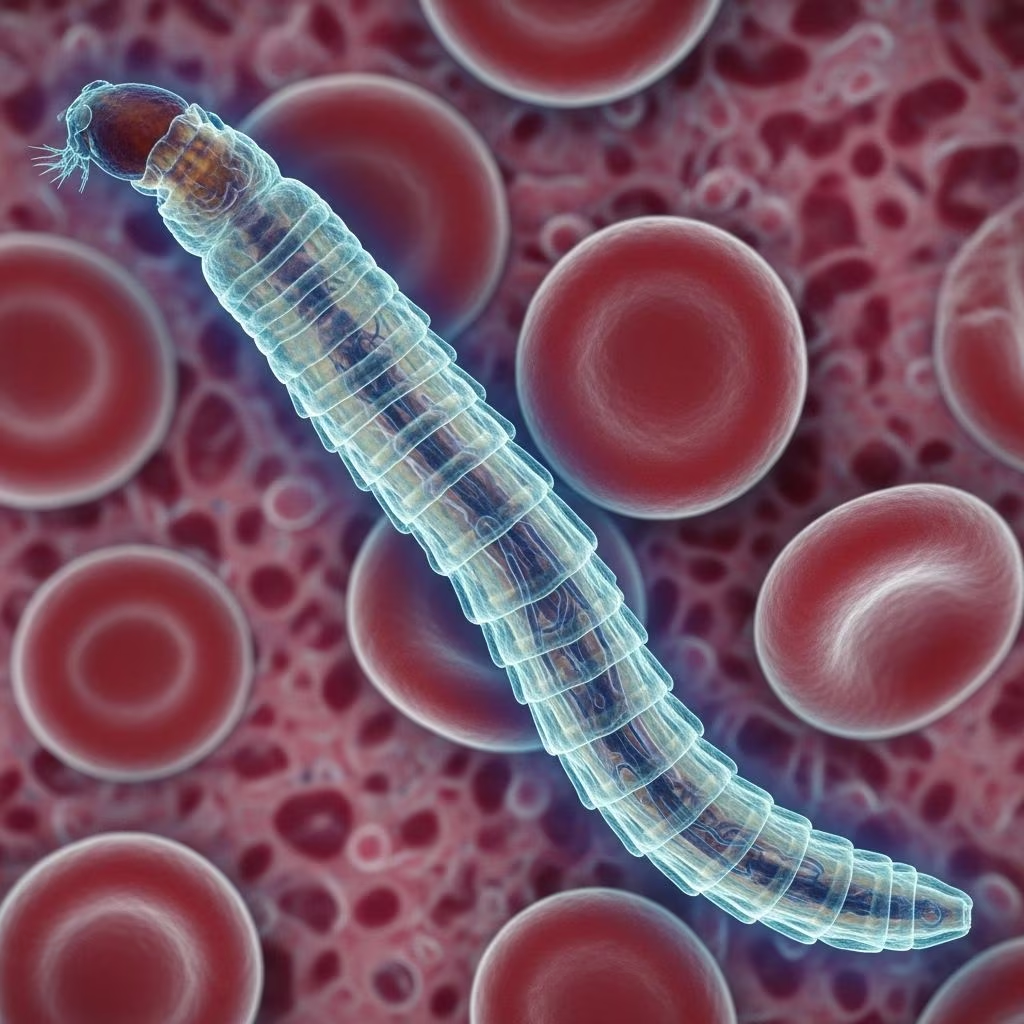
Heartworm disease poses a significant risk to pets, primarily dogs but also cats and ferrets, caused by the parasitic worm Dirofilaria immitis. Transmitted exclusively through mosquito bites, this condition can lead to severe cardiovascular and pulmonary damage if left unchecked. Pet owners must prioritize awareness and proactive measures to safeguard their animals’ health.
The Biology and Transmission Cycle of Heartworms
The heartworm lifecycle begins in an infected host where adult female worms release microfilariae into the bloodstream. A mosquito feeding on this host ingests the microfilariae, which then develop into infective third-stage larvae (L3) over 10-14 days inside the mosquito, provided suitable temperatures prevail.
When the mosquito bites a new host, these L3 larvae enter through the bite wound, migrating through subcutaneous tissues. They molt into fourth-stage larvae (L4) within 1-3 days and reach the heart and pulmonary arteries in about 3-4 months. Full maturity into adult worms, capable of reproducing, takes 6-7 months. In dogs, adults can live 5-7 years; in cats, 2-3 years.
- Microfilariae production: Occurs only after maturation, perpetuating the cycle via mosquitoes.
- Environmental dependence: Warmer climates extend transmission seasons, making year-round prevention essential.
- Host specificity: Dogs are natural hosts; cats and ferrets suffer atypical, often more acute effects.
Clinical Manifestations Across Species
Symptoms vary by species, infection stage, and worm burden. Early infections are often asymptomatic, complicating timely detection.
Dogs: The Primary Victims
In dogs, mild signs include persistent cough, exercise reluctance, fatigue post-activity, appetite loss, and weight reduction. Advanced disease leads to heart failure, abdominal fluid accumulation (ascites), and caval syndrome—a fatal blockage causing labored breathing, pale gums, and dark urine.
Pulmonary changes include endothelial damage, vessel thickening, and hypertension, reducing cardiac output and prompting right heart enlargement.
Cats: Atypical and Insidious
Cats host fewer worms, but immature larvae trigger heartworm-associated respiratory disease (HARD), mimicking asthma with coughing, rapid breathing, and vomiting. Adults cause pulmonary artery issues, thromboembolism, and sudden death.
Ferrets: Highly Vulnerable
Ferrets face rapid deterioration with low worm numbers, showing coughing, wheezing, dyspnea, weakness, anorexia, hind limb paralysis, abdominal enlargement, and bilirubinuria. Immune-mediated effects amplify severity, often culminating in sudden death.
| Species | Common Early Signs | Advanced Complications |
|---|---|---|
| Dogs | Cough, fatigue, weight loss | Heart failure, caval syndrome |
| Cats | Cough, respiratory distress | HARD, thromboembolism |
| Ferrets | Wheezing, weakness | Paralysis, sudden death |
Risk Factors and Geographic Hotspots
Heartworm prevalence surges in warm, humid regions with standing water fostering mosquito populations. Even indoor pets risk exposure via open windows or outdoor time. Factors like travel to endemic areas, lack of prevention, and untested status heighten vulnerability.
Climate change expands mosquito habitats northward, diminishing seasonal protection reliance. All pets in at-risk zones require continuous safeguards.
Veterinary Diagnosis Methods
Annual screening is paramount. The antigen test detects female worm proteins in blood, ideal post-6-month prepatent period. Microfilariae checks via blood smear or concentration confirm active shedding.
Imaging like echocardiography visualizes worms; radiology reveals pulmonary changes. For cats and ferrets, multi-modal approaches compensate for antigen test limitations.
- Dogs: Dual antigen/microfilariae testing yearly.
- Cats: Antibody tests for larvae; imaging essential.
- Ferrets: Clinical signs, radiology, ultrasound prioritized.
Effective Treatment Protocols
Treatment targets adulticide and microfilaricide elimination under strict veterinary oversight. Exercise restriction prevents emboli from dying worms.
Dogs: Phased Melarsomine Therapy
For mild cases (Stages 1-2), two 2.5 mg/kg intramuscular melarsomine doses 24 hours apart, followed by doxycycline and macrocyclic lactones, achieve >90% efficacy. Repeat if needed.
Severe Stage 3: Single dose, then two more after 1+ month. Post-treatment monitoring and restriction for 1-2 months critical.
Cats and Ferrets: Supportive Care
No FDA-approved adulticides for cats; management focuses on symptom relief, steroids, and supportive therapy. Ferrets similarly lack tailored drugs, relying on adulticide trials and palliation.
Prevention: The Gold Standard Defense
Monthly preventives (ivermectin, milbemycin, etc.) kill larvae before maturity. Year-round use recommended, starting at 8 weeks age. Annual vet testing confirms compliance.
Additional Strategies:
- Mosquito repellents safe for pets.
- Eliminate standing water.
- Screened enclosures for outdoor time.
Common Queries on Heartworm Management
Frequently Asked Questions
Can indoor pets get heartworms?
Yes, mosquitoes enter homes easily. Prevention remains vital regardless of lifestyle.
How often should I test my dog?
Annually for antigen and microfilariae, per CAPC guidelines.
Is heartworm preventable in kittens?
Start preventives at 8 weeks; cats need tailored protocols due to HARD risks.
What if my ferret tests positive?
Expect aggressive symptoms; consult a specialist for imaging and supportive care.
Are natural preventives effective?
Veterinary-approved products outperform unproven alternatives; stick to labeled options.
Long-Term Prognosis and Owner Responsibilities
With prompt treatment, most dogs recover fully, though permanent lung scarring may persist. Prevention averts irreversible damage entirely. Owners must commit to schedules, recognizing subtle signs early.
Consult veterinarians for personalized plans, especially in high-risk areas. Vigilance ensures pets thrive heartworm-free.
References
- Heartworm Basics — American Heartworm Society. Accessed 2026. https://www.heartwormsociety.org/pet-owner-resources/heartworm-basics
- Heartworm Guidelines for Dogs — Companion Animal Parasite Council. 2020-07-28. https://capcvet.org/guidelines/heartworm/
- The Facts about Heartworm Disease — U.S. Food and Drug Administration. Accessed 2026. https://www.fda.gov/animal-veterinary/animal-health-literacy/keep-worms-out-your-pets-heart-facts-about-heartworm-disease



