

Heartworm Disease in Dogs: A Comprehensive Guide
Heartworm disease, medically known as dirofilariasis, is a serious and potentially fatal disease that affects dogs worldwide. This condition is caused by a blood-borne parasite known as Dirofilaria immitis, which can cause severe complications affecting the heart, lungs, and other vital organs. Understanding this disease is crucial for every dog owner, as prevention and early detection can save your pet’s life.
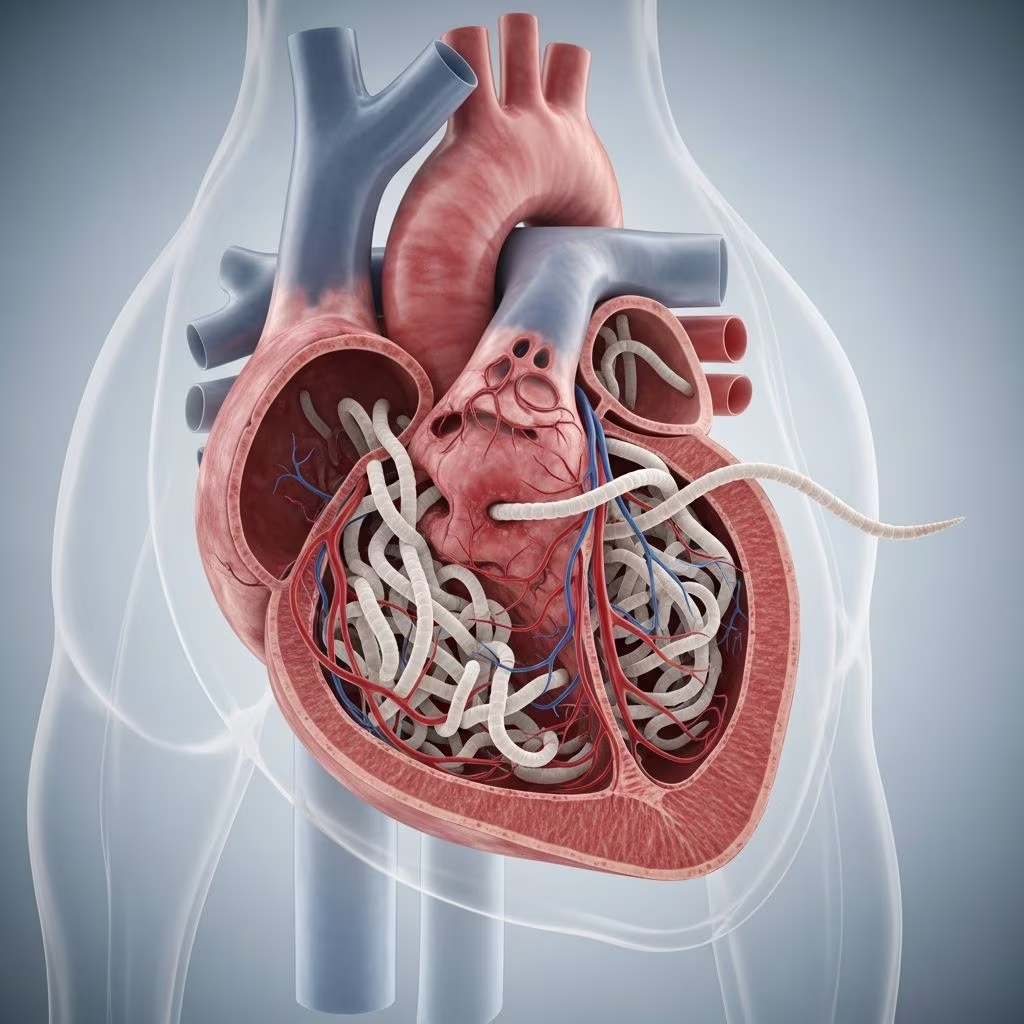
The disease primarily affects the pulmonary arteries and heart, causing inflammation and structural changes that compromise cardiovascular function. Without proper prevention and treatment, heartworm disease can progress to life-threatening stages, making it one of the most serious parasitic infections in dogs.
What Causes Heartworm Disease?
Heartworm disease is transmitted through mosquito bites, specifically when infected female mosquitoes transmit heartworm larvae to dogs during feeding. The parasite develops in the dog’s body over several months, eventually reaching the heart and blood vessels where it matures into adult worms.
The infection process begins when a mosquito carrying heartworm larvae (called microfilariae) bites a dog. These larvae enter the bloodstream and migrate through the body, eventually settling in the heart chambers and the large blood vessels attached to the heart. The disease cannot be transmitted directly from dog to dog; mosquitoes are the essential vector for transmission.
Geographic location plays a significant role in heartworm risk, with warmer climates and areas with prolonged mosquito seasons having higher infection rates. Dogs that spend time outdoors, particularly in endemic areas, face greater exposure risk.
Symptoms and Clinical Signs of Heartworm Disease
The severity of heartworm disease symptoms depends on several factors, including the number of worms (worm burden), the duration of infection, how the dog’s body responds to the parasites, and the dog’s activity level. Dogs with low worm burdens or recent infections may show no obvious symptoms, while those heavily infected or with prolonged infections often display significant clinical signs.
Mild Signs (Early Stage)
In the early stages of infection, many dogs remain subclinically affected, meaning they show no obvious symptoms despite harboring the parasite. When symptoms do appear, the most common initial sign is a persistent dry cough. This cough may be mild and intermittent, especially in dogs with low activity levels.
Moderate to Severe Signs
As the disease progresses, dogs may develop:
- Exercise intolerance and fatigue
- Labored or difficult breathing (dyspnea)
- Weakness and lethargy
- Abdominal distention due to fluid accumulation
- Syncope (fainting or collapse)
- Signs of congestive heart failure
- Coughing up blood
- Fever and loss of appetite
Active dogs tend to show symptoms earlier than sedentary ones, as increased physical activity places greater demands on the compromised cardiovascular system. In severe cases, the disease can lead to organ damage affecting the kidneys, liver, and lungs.
How Is Heartworm Disease Diagnosed?
Early diagnosis is critical for successful treatment outcomes. Heartworm infection should be identified through serological testing before clinical signs appear, ideally through annual veterinary examinations.
Diagnostic Tests
Veterinarians use multiple diagnostic approaches to confirm heartworm infection:
- Antigen Testing: Detects proteins produced by adult female heartworms in the bloodstream. This is the most common initial test.
- Microfilariae Testing: Identifies larval forms of heartworms circulating in the blood. This test may be negative in some infected dogs that lack circulating microfilariae.
- Thoracic Radiography (Chest X-rays): Provides crucial information about disease severity, showing the condition of the heart, lungs, and blood vessels. This imaging is particularly important in dogs showing clinical signs.
- Echocardiography: Ultrasound imaging of the heart provides detailed information about cardiac structure and function.
It’s important to note that heartworm antigenemia and microfilaremia do not appear until approximately 5 and 6.5 months after infection, respectively. This window period means recently infected dogs may test negative despite harboring parasites.
All dogs, including those on heartworm prevention, should be tested annually using both antigen and microfilariae tests to ensure prevention is effective and to detect any breakthrough infections.
Treatment Options for Heartworm Disease
Treatment of heartworm disease involves eliminating adult heartworms and managing complications. The specific treatment protocol depends on the disease classification and the dog’s overall health status.
Pre-Treatment Preparation
Before beginning adulticide therapy, veterinarians typically recommend:
- Complete blood count (CBC)
- Serum biochemistry panel
- Urinalysis
- Thoracic radiographs
These baseline tests establish the dog’s health status and screen for concurrent systemic disease or complications that might affect treatment safety.
Macrocyclic Lactone Preventatives and Doxycycline
The American Heartworm Society recommends initiating a macrocyclic lactone preventative and doxycycline (10 mg/kg orally every 12 hours for 4 weeks) at the time of diagnosis, regardless of disease severity. Doxycycline is effective at killing migrating tissue-phase heartworms and helps prevent microfilariae from maturing into infective larvae within mosquitoes.
Adulticide Therapy
Treatment to kill adult heartworms requires an injectable drug called melarsomine (brand names Immiticide® or Diroban®). Melarsomine is an organic arsenic compound that effectively eliminates adult heartworms residing in the heart and adjacent blood vessels.
The specific injection schedule varies based on disease classification. Most dogs receive an initial injection, followed by a 30-day rest period, then two additional injections administered 24 hours apart. The entire treatment protocol typically spans 2-3 months.
Treatment Protocols by Disease Stage
| Disease Stage | Clinical Signs | Treatment Approach | Efficacy |
|---|---|---|---|
| Class I (Mild) | No clinical signs or mild cough | Three-dose protocol with activity restriction | Kills up to 99% of heartworms |
| Class II (Moderate) | Cough, exercise intolerance, abnormal lung sounds | Three-dose protocol with extended rest period | Kills 90-99% of heartworms |
| Class III (Severe) | Severe respiratory signs, heart failure, organ damage | Single initial dose, extended rest, then two-dose follow-up | Kills up to 98% of heartworms |
Post-Treatment Care and Activity Restriction
Activity restriction is critically important during and after heartworm treatment. The first week after injections is critical because this is when the worms are dying. Strenuous activity can cause dead worms to lodge in blood vessels, potentially causing life-threatening complications.
Dogs should be confined to small areas, kept on a leash during bathroom breaks, and prevented from running, jumping, or engaging in strenuous play. This strict rest protocol typically continues for 1-2 months after the final injection, depending on the treatment protocol used.
Managing Post-Treatment Symptoms
A persistent cough is noticeable for seven to eight weeks after treatment in many heavily infected dogs. This cough typically resolves as the body reabsorbs dead worms and inflammation subsides. If the cough is severe, contact your veterinarian for additional treatment options.
Prompt treatment is essential if your dog shows signs of severe reaction following the initial treatment. Contact your veterinarian immediately if your dog exhibits loss of appetite, shortness of breath, severe coughing, coughing up blood, fever, or depression. Treatment with anti-inflammatories, antibiotics, cage rest, supportive care, and intravenous fluids is usually effective in managing these complications.
Prevention Strategies
Prevention is far more effective and less costly than treatment of heartworm disease. The American Heartworm Society recommends protecting all dogs from heartworm infection by using preventives year-round.
Preventive Medications
Several highly effective preventive options are available, including:
- Topical treatments applied monthly
- Oral tablets administered monthly
- Injectable preventives administered by veterinarians
- Combination products that prevent multiple parasites
Consistent administration of preventatives containing macrocyclic lactones is crucial for preventing heartworm infection. Year-round prevention ensures continuous protection, as mosquito seasons can vary by geographic location and may extend longer than expected.
Environmental Measures
While preventive medications are essential, you can reduce mosquito exposure by:
- Eliminating standing water around your home
- Using mosquito repellents in outdoor areas
- Limiting outdoor time during peak mosquito hours (dawn and dusk)
- Keeping your dog indoors when possible during high-risk periods
Frequently Asked Questions About Heartworm Disease
Q: How often should my dog be tested for heartworm?
A: All dogs should be tested annually for heartworm, including those on preventive medication. Annual testing ensures that preventatives are working effectively and detects any breakthrough infections early.
Q: Can heartworm disease be cured?
A: Yes, heartworm disease can be treated successfully, particularly when diagnosed early. Treatment involves killing adult worms with melarsomine and managing complications. Success rates vary based on disease stage, with Class I and II infections having higher cure rates than Class III.
Q: What is the cost of heartworm treatment?
A: Treatment costs vary considerably based on the dog’s size, disease severity, and geographic location. Costs typically range from $500 to $2,500, making prevention significantly more cost-effective than treatment.
Q: Can my dog die from heartworm disease?
A: Yes, heartworm disease can be fatal if left untreated or if treatment complications occur. However, with proper treatment and management, survival rates are excellent.
Q: Is heartworm disease painful for dogs?
A: While heartworm disease may not cause acute pain, it causes significant discomfort and suffering as the heart and lungs become compromised, leading to difficulty breathing and exercise intolerance.
Q: Can my dog get heartworms even while on prevention?
A: Breakthrough infections are rare but possible, particularly if doses are missed or medications are not administered correctly. Consistent administration and annual testing help ensure maximum protection.
The Importance of Veterinary Oversight
Working closely with your veterinarian is essential for both prevention and treatment of heartworm disease. Your veterinarian can assess your dog’s individual risk factors, recommend appropriate preventive strategies, and provide professional monitoring throughout treatment if infection occurs.
Regular veterinary visits allow for early detection of infection before symptoms develop, enabling treatment at stages with better prognosis and fewer complications.
References
- Heartworm Disease in Dogs, Cats, and Ferrets — Merck Veterinary Manual. 2025. https://www.msdvetmanual.com/circulatory-system/heartworm-disease/heartworm-disease-in-dogs-cats-and-ferrets
- Heartworm Guidelines — American Heartworm Society. 2025. https://www.heartwormsociety.org/veterinary-resources/american-heartworm-society-guidelines
- Heartworm — Companion Animal Parasite Council. July 2020. https://capcvet.org/guidelines/heartworm/
- The Facts about Heartworm Disease — U.S. Food and Drug Administration. https://www.fda.gov/animal-veterinary/animal-health-literacy/keep-worms-out-your-pets-heart-facts-about-heartworm-disease
- Heartworm Disease Fact Sheet — College of Veterinary Medicine, Ohio State University. January 2020. https://vet.osu.edu/



