

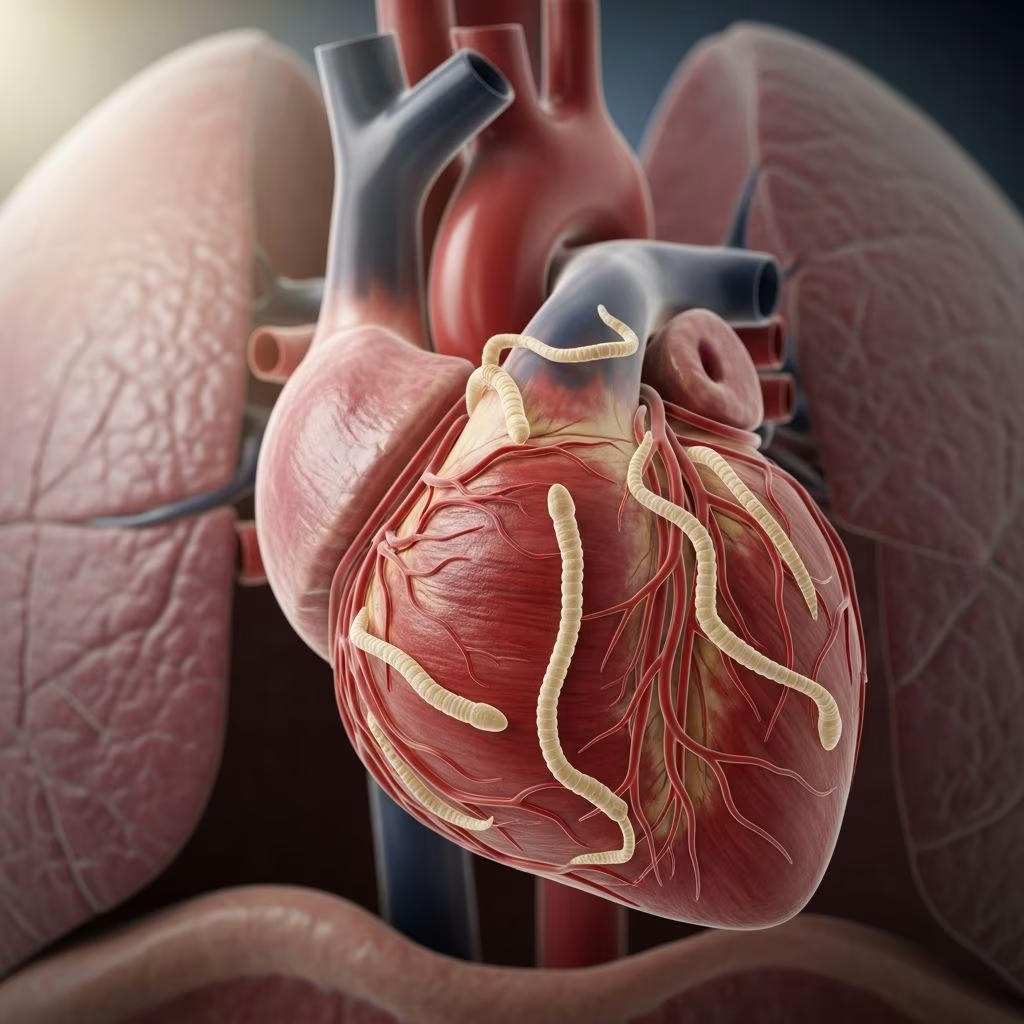
Heartworm disease poses a significant risk to dogs, caused by the parasitic worm Dirofilaria immitis, which is spread through mosquito bites. This condition can lead to devastating effects on the heart, lungs, and other organs if left unchecked. Adult worms reside in the pulmonary arteries and can multiply, causing inflammation, blockages, and eventual organ failure. Early detection and consistent prevention are key to safeguarding canine companions from this preventable yet potentially lethal illness.
The Lifecycle of Heartworms and Transmission Risks
Heartworms begin their journey when an infected mosquito bites a dog, depositing infective larvae, known as L3 stage larvae, under the skin. These larvae migrate through the tissues and enter the bloodstream, reaching the heart and lungs over several months where they mature into adults. The entire maturation process from larva to reproducing adult takes about six months. Female worms then produce microfilariae, which circulate in the blood and are picked up by mosquitoes during subsequent bites, perpetuating the cycle.
Geographic areas with warm, humid climates see higher prevalence due to prolonged mosquito seasons, but no region is immune, especially with traveling pets and changing climates. Dogs of any age, breed, or lifestyle can be affected, though those outdoors frequently face greater exposure. Indoor dogs are not fully protected, as mosquitoes can enter homes.
Recognizing the Warning Signs of Infection
Symptoms vary based on worm burden, infection duration, dog’s immune response, and activity level. Mild cases may show no obvious signs, especially in low-burden or early infections. As the disease advances, common indicators emerge:
- Persistent coughing, particularly after exercise
- Reduced stamina and reluctance to play or walk
- Rapid or labored breathing
- Weight loss despite normal appetite
- Swollen belly from fluid buildup
- In severe cases, bloody sputum, fainting, or pale/blue gums
Heavy infestations can lead to caval syndrome, where worms block heart blood flow, causing sudden weakness, collapse, and high mortality without immediate intervention. Small breeds often suffer more due to limited vascular capacity.
How Veterinarians Diagnose Heartworm Infections
Diagnosis starts with a thorough history and physical exam. Key tests include:
| Test Type | Purpose | Details |
|---|---|---|
| Antigen Test | Detects adult female worms | Most common; highly accurate for infections over 6 months |
| Microfilariae Test | Checks for larvae in blood | Confirms active reproduction; often paired with antigen |
| Chest X-rays | Assesses organ damage | Reveals lung patterns, heart enlargement |
| Echocardiogram | Visualizes worms in vessels | Used in complex cases |
For dogs over 7 months starting prevention, initial and follow-up antigen tests ensure no pre-existing infection. Positive results may require retesting with different methods for confirmation.
Comprehensive Treatment Strategies for Affected Dogs
Treatment aims to eliminate adult worms and larvae while minimizing complications from dying parasites, which can cause pulmonary thromboembolism. The American Heartworm Society (AHS) outlines a multi-step protocol:
- Stabilization: Manage symptoms with rest, anti-inflammatories, and supportive care for severe cases.
- Antibacterial Therapy: Doxycycline targets Wolbachia bacteria symbiotic with heartworms, weakening them and reducing inflammation (typically 30 days).
- Adulticide Injections: Melarsomine dihydrochloride, given intramuscularly. Preferred 3-dose regimen: one initial shot, then two more 30 days later, 24 hours apart, for higher efficacy and safety.
- Microfilaricide: Preventive meds post-adulticide to kill larvae.
Dogs must remain strictly confined for 4-6 weeks post-treatment to prevent clots from dislodged worms. Re-testing at 6-9 months verifies clearance; additional rounds may be needed. Surgery is reserved for caval syndrome. Success rates exceed 90% with adherence.
Prevention: The Best Defense Against Heartworms
Prevention is straightforward, safe, and nearly 100% effective with monthly administration. Options include:
- Monthly oral chewables or topicals killing larvae before maturation
- Injectable preventives lasting 6-12 months
- Year-round use regardless of mosquito season
Start puppies at 6-8 weeks without testing; adults require antigen screening first. Even post-treatment dogs need lifelong prevention, as immunity does not develop. Consult vets for tailored choices based on lifestyle and health.
Factors Influencing Disease Severity and Outcomes
Severity correlates with worm numbers: light (1-3 worms) often asymptomatic; heavy (>50) devastating. Active dogs show symptoms sooner due to increased vascular stress. Co-existing conditions like obesity or respiratory issues worsen prognosis. Small dogs tolerate fewer worms. Prompt treatment improves survival, but untreated cases progress to heart failure and death.
FAQs About Heartworm Disease in Dogs
Can indoor dogs get heartworms?
Yes, mosquitoes enter homes, so all dogs need prevention.
How long does treatment take?
Full protocol spans 2-3 months, with re-tests up to 9 months later.
Is heartworm preventable in all climates?
Yes, year-round meds protect everywhere mosquitoes exist.
What if my dog misses a preventive dose?
Test immediately; gaps increase infection risk.
Are there natural preventives?
Vet-approved meds are safest; consult professionals before alternatives.
Long-Term Management and Monitoring
Post-treatment, monitor for complications like chronic lung disease. Annual antigen testing and preventives are essential. Lifestyle adjustments, like controlled exercise during recovery, aid healing. Educating owners on mosquito control—removing standing water, screens—complements meds.
Heartworm disease underscores the importance of routine veterinary care. By prioritizing prevention, owners can avert heartache and ensure their dogs thrive.
References
- Heartworm Disease in Dogs – Dog Owners – Merck Veterinary Manual — Merck & Co., Inc. 2023. https://www.merckvetmanual.com/dog-owners/heart-and-blood-vessel-disorders-of-dogs/heartworm-disease-in-dogs
- My Dog Has Been Diagnosed with Heartworm Disease. Now What? — PetMD. 2023. https://www.petmd.com/dog/general-health/my-dog-diagnosed-with-heartworms-now-what
- Heartworm Disease Fact Sheet — Ohio State University College of Veterinary Medicine. 2020-01-23. https://vet.osu.edu/sites/default/files/documents/Heartworm%20Fact%20Sheet%2020200123.pdf
- Keep Worms Out of Your Pet’s Heart: Facts about Heartworm Disease — U.S. Food and Drug Administration. 2023. https://www.fda.gov/animal-veterinary/animal-health-literacy/keep-worms-out-your-pets-heart-facts-about-heartworm-disease
- Canine Guidelines Summary — American Heartworm Society. 2014 (updated guidelines referenced 2025). https://www.heartwormsociety.org/images/pdf/Canine-Guidelines-Summary.pdf
- Heartworm disease — American Veterinary Medical Association. 2023. https://www.avma.org/resources-tools/pet-owners/petcare/heartworm-disease



