

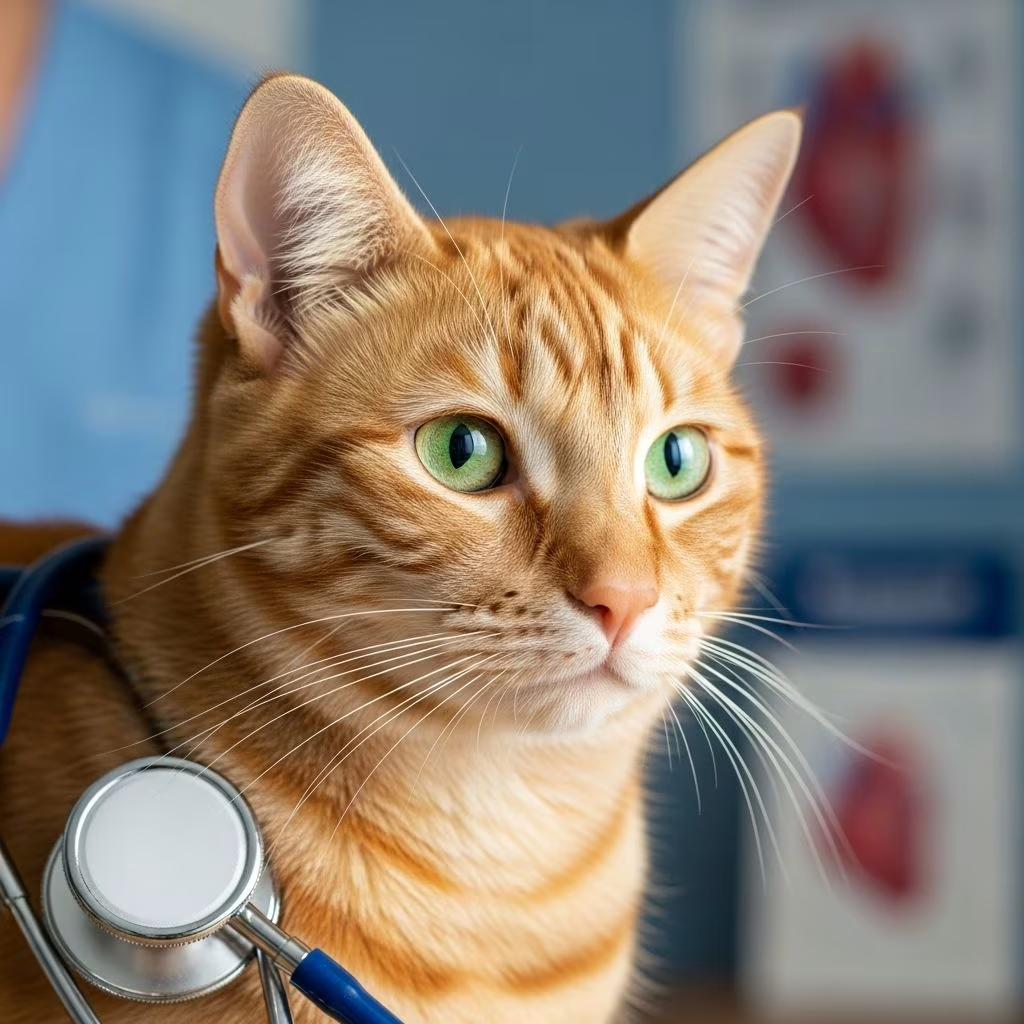
Understanding Heartworm Disease in Cats
Heartworm disease is a serious and potentially life-threatening condition that affects cats through parasitic infection. Unlike dogs, where heartworm disease is relatively common and well-established as a significant health concern, feline heartworm disease remains less frequently discussed yet equally dangerous. This comprehensive guide provides cat owners with essential information about heartworm disease, its transmission, clinical manifestations, diagnostic approaches, and available treatment options.
What is Heartworm Disease?
Heartworm disease is caused by a parasitic worm called Dirofilaria immitis. These parasites are transmitted to cats through mosquito bites. When an infected mosquito bites a cat, it deposits microscopic larvae into the bloodstream. Over a period of six to seven months, these larvae mature into adult worms that reside in the heart, lungs, and associated blood vessels. Unlike dogs, where multiple worms can coexist, cats typically harbor only one to three worms, making detection and diagnosis more challenging.
How is Heartworm Transmitted?
The transmission cycle of heartworm disease involves specific environmental and biological factors. Mosquitoes become infected when they bite an infected animal and ingest microfilariae (immature worms) from the bloodstream. The larvae develop within the mosquito for approximately two weeks before becoming infective. When the mosquito subsequently bites another animal, including a cat, the larvae are transmitted into the new host. This transmission cycle emphasizes the critical role of mosquitoes in disease spread, particularly in warm, humid climates where mosquito populations thrive year-round.
Clinical Signs of Heartworm Disease in Cats
Heartworm disease in cats presents with highly variable clinical manifestations. Some infected cats may display no apparent symptoms, while others experience severe respiratory and systemic complications. The variability in symptoms stems from the immune response triggered by the parasites and the severity of worm burden.
Common Symptoms Include:
Respiratory symptoms: Coughing, difficulty breathing, rapid breathing, and open-mouth breathing represent the most frequently observed clinical signs. These respiratory manifestations often mimic feline asthma, leading to potential misdiagnosis.
Gastrointestinal symptoms: Periodic vomiting, loss of appetite, and weight loss are commonly reported in affected cats. Vomiting may occasionally contain blood.
Systemic symptoms: Exercise intolerance, lethargy, and general weakness indicate the systemic impact of heartworm infection on cardiovascular function.
Neurological symptoms: Difficulty walking, ataxia (loss of coordination), and seizures occur when worms migrate abnormally or cause emboli in cerebral blood vessels.
Acute symptoms: In some cats, the first observable sign is sudden collapse or sudden death, particularly when adult worms die and trigger a severe inflammatory response in the pulmonary arteries.
Diagnosis of Heartworm Disease
Diagnosing heartworm disease in cats presents unique challenges compared to canine heartworm diagnosis. Several diagnostic approaches may be employed, either individually or in combination, to establish a definitive diagnosis.
Diagnostic Methods:
Antigen testing: Blood tests designed to detect heartworm antigens can identify adult female worms. Heat treatment of serum samples increases test sensitivity, particularly beneficial for cats at high risk or those suspected of infection.
Antibody testing: These tests detect the cat’s immune response to heartworm infection and may indicate exposure even when adult worms are not present.
Microfilaremia testing: Direct blood smear examination or concentration techniques can identify circulating microfilariae, though many infected cats have no detectable microfilariae.
Radiography: Chest X-rays often reveal characteristic changes in the lungs and pulmonary arteries, including enlargement of pulmonary arteries and pulmonary infiltrates suggestive of heartworm-associated respiratory disease.
Echocardiography: Ultrasound imaging of the heart can visualize adult worms within cardiac chambers and assess heart function, providing valuable prognostic information.
Treatment Options for Heartworm Disease in Cats
Treatment of feline heartworm disease presents significant challenges due to the absence of FDA-approved drugs specifically for cats and the serious complications associated with available medications. Veterinarians must carefully evaluate each case and select the most appropriate management strategy based on disease severity, clinical signs, and individual patient factors.
Treatment Approaches:
Melarsomine Administration: Melarsomine (Immiticide®), the standard adulticide treatment for dogs, has been used experimentally in cats. However, this approach carries substantial risks. The drug can cause severe side effects in felines, including acute pulmonary failure and death. When adult heartworms die during treatment, they pass through pulmonary arteries to the lungs, triggering a potentially fatal inflammatory reaction. For these reasons, the American Heartworm Society does not recommend melarsomine treatment in cats, and this approach is not considered standard care.
Supportive Management and Slow Kill Method: The most commonly recommended approach involves symptomatic treatment while relying on the cat’s natural ability to outsurvive the worms. Since heartworms live in cats for two to three years (compared to five to seven years in dogs), this strategy requires several months of management. During acute crises, cats receive immediate supportive care including oxygen therapy and corticosteroids to reduce pulmonary inflammation. Long-term management includes continuous or periodic corticosteroid administration to control clinical signs.
Medication Management: Several medications can support this approach. Ivermectin, administered over extended periods (two years or more), can reduce worm loads but carries risks of allergic reactions. Prednisolone or prednisone steroids decrease the inflammatory response associated with lung disease and respiratory symptoms. Doxycycline, an antibiotic targeting bacteria within heartworms, helps reduce associated inflammation. Additional medications such as terbutaline, theophylline, or albuterol may address respiratory distress.
Surgical Removal: Surgical extraction of heartworms is currently the recommended treatment for cats presenting with severe disease signs and poor prognosis without intervention. This specialized procedure must be performed by a veterinary specialist, often at a veterinary teaching hospital. Success rates vary, with studies showing that approximately 40% of cats may die during or immediately after the procedure. Surgical removal is therefore typically reserved for severely affected cats where the risks of surgery are justified by the severity of clinical disease.
Prognosis and Long-Term Management
The prognosis for cats with heartworm disease varies considerably based on disease severity, treatment approach selected, and individual patient factors. Without medical intervention or surgery, the median survival time ranges from one and a half to four years. Many cats managed with supportive therapy experience reduction in clinical signs and improved quality of life, though they remain vulnerable to acute crises or sudden death from worm complications.
Cats with milder symptoms and no clinical evidence of lung disease may be candidates for monitoring without immediate aggressive intervention, with veterinarians cautiously declaring recovery once blood tests become negative and clinical and radiological signs resolve.
Prevention of Heartworm Disease
Given the serious nature of heartworm disease and the limitations of treatment options, prevention represents the most effective strategy for protecting cats. Year-round preventive medication is recommended for all cats, including those living exclusively indoors, particularly in regions where the disease is endemic.
Preventive Medications:
Macrocyclic lactones: These medications, including ivermectin, selamectin, and milbemycin, are highly effective at preventing heartworm infection when administered regularly. These agents also provide protection against other parasites including fleas and intestinal worms, offering comprehensive parasite control.
Administration frequency: Most preventive medications are administered monthly, though some formulations may have different schedules. Consistent administration is critical for maintaining protection throughout the year.
Indoor versus outdoor cats: While indoor cats have lower exposure risk, veterinary experts recommend preventive medication for all cats due to the possibility of mosquito entry into homes.
When to Seek Veterinary Care
Cat owners should contact their veterinarian immediately if their pet exhibits respiratory symptoms such as coughing, difficulty breathing, or open-mouth breathing. Similarly, sudden onset of exercise intolerance, lethargy, vomiting, or appetite loss warrants prompt evaluation. Any cat with suspected exposure to heartworm should undergo diagnostic testing regardless of symptom presence.
Frequently Asked Questions
Q: Can cats get heartworm disease?
A: Yes, cats can contract heartworm disease through mosquito bites. While less common than in dogs, heartworm disease in cats is a serious condition that requires veterinary attention.
Q: Is heartworm disease contagious between cats?
A: No, heartworm disease is not transmitted directly between cats. Transmission occurs exclusively through infected mosquitoes.
Q: Can heartworm disease in cats be cured?
A: Currently, there is no FDA-approved drug cure for heartworm disease in cats. Treatment focuses on managing symptoms and supporting the cat’s survival until the worms naturally die.
Q: How long can a cat live with heartworm disease?
A: With appropriate supportive management, cats with heartworm disease typically survive one and a half to four years after diagnosis. Some cats may live longer with diligent care.
Q: Should indoor cats receive heartworm prevention?
A: Yes, veterinarians recommend heartworm prevention for all cats, including indoor cats, as mosquitoes can enter homes and pose an infection risk.
Q: What is the cost of heartworm treatment in cats?
A: Treatment costs vary depending on the approach selected and severity of disease. Supportive management typically costs less than surgical intervention, which may require referral to specialty facilities.
Conclusion
Heartworm disease represents a significant health threat to feline companions, with limited treatment options and potentially serious complications. The absence of safe, effective drugs for treating heartworm disease in cats emphasizes the critical importance of prevention. Cat owners should discuss heartworm prevention strategies with their veterinarians, ensuring year-round protection appropriate for their geographic location and lifestyle. Regular veterinary examinations allow early detection of potential heartworm infection, enabling timely intervention and improved outcomes. By understanding transmission routes, recognizing clinical signs, and implementing consistent prevention strategies, cat owners can effectively protect their pets from this serious parasitic disease.
References
- How to Treat Heartworm Disease in Cats — VCA Animal Hospitals. Accessed 2025-11-28. https://vcahospitals.com/know-your-pet/heartworm-disease-in-cats-treatment
- Heartworm Disease in Cats: Symptoms, Treatment, and Prevention — PetMD. Accessed 2025-11-28. https://www.petmd.com/cat/conditions/infectious-parasitic/c_ct_heartworm_disease
- Heartworm in Cats — American Heartworm Society. Accessed 2025-11-28. https://www.heartwormsociety.org/heartworms-in-cats
- Heartworm in Cats — Cornell University College of Veterinary Medicine. Accessed 2025-11-28. https://www.vet.cornell.edu/departments-centers-and-institutes/cornell-feline-health-center/health-information/feline-health-topics/heartworm-cats
- Heartworm Disease in Cats – Cat Owners – Merck Veterinary Manual — Merck Veterinary Manual. Accessed 2025-11-28. https://www.merckvetmanual.com/cat-owners/heart-and-blood-vessel-disorders-of-cats/heartworm-disease-in-cats
- The Facts about Heartworm Disease — U.S. Food and Drug Administration. Accessed 2025-11-28. https://www.fda.gov/animal-veterinary/animal-health-literacy/keep-worms-out-your-pets-heart-facts-about-heartworm-disease



