

Understanding Heartworm Disease Treatment in Dogs
Heartworm disease is a serious parasitic infection that affects the heart, lungs, and blood vessels of infected dogs. When diagnosed with heartworm disease, pet owners often feel anxious about their dog’s future health and survival. However, modern veterinary medicine has made significant advances in treating this condition successfully. Today, more than 95% of dogs with heartworm disease can be treated successfully using newer medications that carry fewer side effects than older treatment options.
The treatment process for heartworm disease is comprehensive and requires careful planning, multiple medications, and strict adherence to post-treatment protocols. Understanding each phase of treatment helps pet owners make informed decisions and ensures their dogs receive the best possible care throughout the recovery process.
How Is Heartworm Disease Treated?
Heartworm disease treatment involves a multi-phase approach designed to eliminate both adult heartworms and microfilariae (heartworm larvae) while minimizing complications. While treatment does carry some risks, fatalities are rare when dogs are treated according to established guidelines from the American Heartworm Society. Your veterinarian will develop a treatment plan tailored to your dog’s specific condition and stage of infection.
Many dogs are not diagnosed with heartworm disease until the infection is advanced. Advanced heartworm disease means the parasites have been present long enough to cause substantial damage to the heart, lungs, blood vessels, kidneys, and liver. In rare cases where the disease is so advanced that treatment poses greater risks than benefits, veterinarians may recommend comfort care and management of organ damage instead of aggressive treatment. Dogs in this condition typically have a lifespan of only a few weeks or months.
Pre-Treatment Evaluation and Preparation
Before beginning heartworm treatment, your veterinarian will conduct a thorough evaluation of your dog’s condition. This assessment is crucial for determining the appropriate treatment protocol and identifying any complications from advanced disease. Depending on your dog’s symptoms and disease severity, your veterinarian may recommend thoracic radiographs (chest X-rays), ultrasonography, and echocardiography to assess damage to the heart and lungs.
During this evaluation phase, your veterinarian will discuss the treatment options available and explain the risks and benefits of each approach. The American Heartworm Society recommends using protocols that have been proven effective and safe. Your veterinarian’s recommendations will be based on the latest evidence-based guidelines to ensure your dog receives the most appropriate care.
Treatment Phase One: Microfilariae Elimination
Before administering the drug that kills adult heartworms, your dog will receive medication to eliminate microfilariae—the immature heartworm larvae circulating in the bloodstream. This preliminary treatment is essential because killing the microfilariae before treating adult heartworms reduces the risk of serious complications.
Your dog may need to remain in the hospital for observation on the day this medication is administered. This microfilariae treatment may be performed before or after the injections for adult heartworms, depending on your dog’s specific condition and your veterinarian’s assessment.
Many dogs also receive the antibiotic doxycycline (Vibramycin®, Vibra-Tabs®) during this phase to combat potential infection with Wolbachia, bacteria that inhabit heartworms. The doxycycline course typically lasts 4 weeks and is started at the time of diagnosis.
Treatment Phase Two: Adult Heartworm Elimination
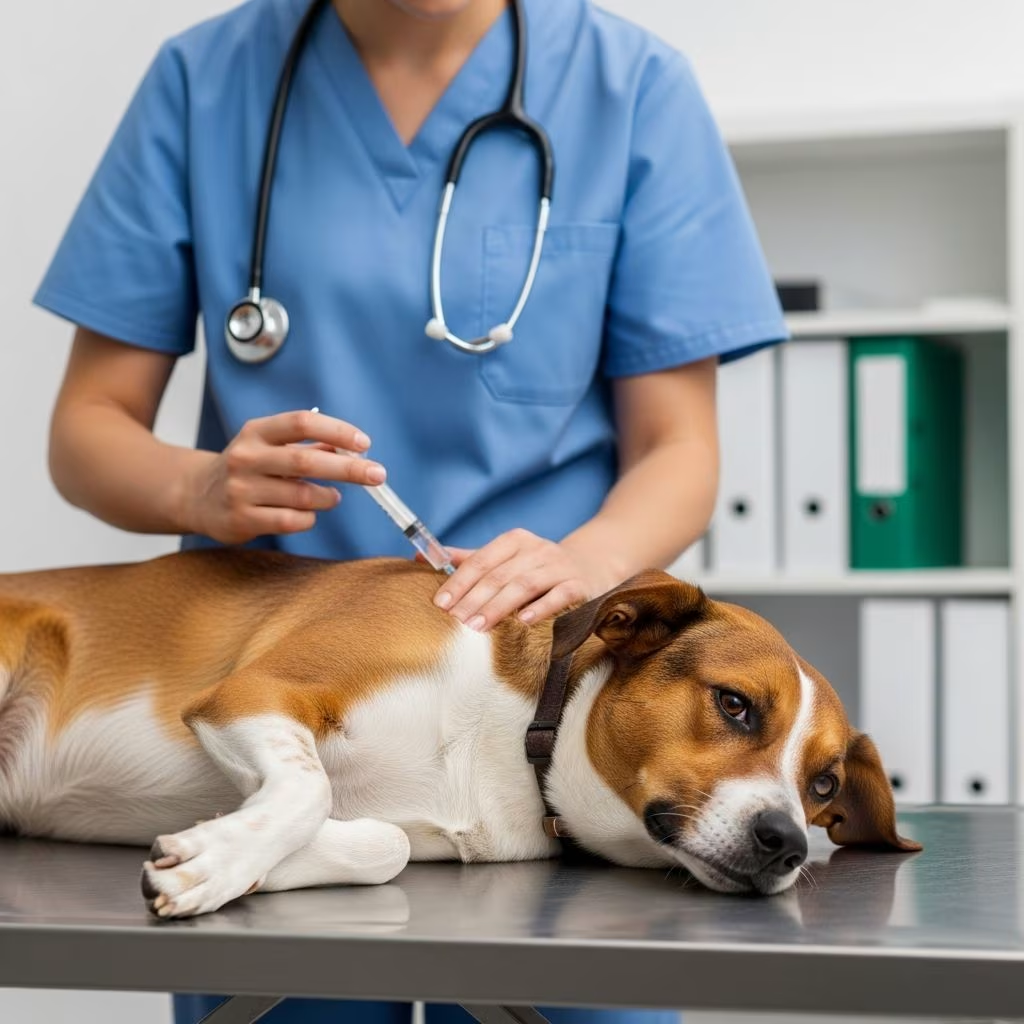
The primary medication used to kill adult heartworms is melarsomine (Immiticide®), an injectable drug administered directly into muscle tissue. Melarsomine works by killing adult heartworms located in the heart and adjacent blood vessels. This medication is considered the gold standard for heartworm treatment and is administered according to specific protocols.
The most commonly recommended protocol is the three-dose split-dose approach, which renders approximately 99% of heartworm-positive dogs antigen-negative after treatment. Under this protocol, your dog typically receives an initial injection, followed by a 30-day rest period, and then two additional injections given 24 hours apart. Your veterinarian will determine the specific injection schedule based on your dog’s individual condition.
Because melarsomine can cause muscle pain at injection sites, dogs often receive pain medication during and after treatment. Your veterinarian may prescribe prednisone or another corticosteroid to minimize inflammation and complications from dying heartworms.
The Critical Recovery Period
Complete rest is absolutely essential during treatment and recovery. This cannot be overstated—exercise restriction is one of the most important factors in ensuring successful treatment outcomes and preventing serious complications.
After melarsomine injection, adult worms die within a few days and begin to decompose. As they fragment, these dead worm pieces are carried through the bloodstream to the lungs, where they lodge in small blood vessels. The body gradually reabsorbs these fragments over several weeks to months. Most post-treatment complications result from these dead worm fragments, making strict rest protocols critical during this period.
Dogs must be kept as quiet as possible and should not be allowed to exercise until at least one month after the final melarsomine injection. Quiet confinement in a small area is recommended throughout the entire treatment period. This includes limiting activity during the 30-day rest period between injections and continuing strict rest for 6-8 weeks after the final injection.
Post-Injection Monitoring and Potential Complications
The first week after each injection is the most critical period, as this is when active worm death occurs. A persistent cough is common and noticeable for 7-8 weeks after treatment, particularly in heavily infected dogs.
While serious reactions to treatment are rare, pet owners should watch carefully for signs of complications. Contact your veterinarian immediately if your dog shows any of the following symptoms during the weeks following treatment:
– Loss of appetite- Shortness of breath or labored breathing- Severe coughing- Coughing up blood- Fever- Depression or lethargy
If your dog experiences a significant reaction, prompt treatment is essential. Treatment typically includes anti-inflammatory medications, antibiotics, cage rest, supportive care, and intravenous fluids. These interventions are usually effective in managing complications when caught early.
Additional Medications and Supportive Care
Dogs with severe or advanced heartworm disease often require additional medications beyond the core treatment protocol to manage damage from the parasites and optimize recovery.
Prednisone (Deltasone®, Meticorten®), a corticosteroid, is frequently used to minimize inflammation and complications from dying microfilariae and adult heartworms. Dogs with severe heartworm disease may require:
– Antibiotics to prevent secondary infections- Pain relief medications for discomfort- Special low-sodium diets to reduce fluid retention- Diuretics to remove fluid accumulation in the lungs- Cardiac medications to improve heart function
These supportive treatments may be necessary before, during, and after the adulticide treatment to optimize your dog’s condition and ensure the best possible outcome.
Long-Term Management and Monitoring
Even after adult heartworms have been successfully eliminated, some dogs require lifelong treatment for heart failure or other complications from the infection. Long-term management may include:
– Diuretics for fluid management- Heart medications such as ACE inhibitors, beta-blockers, or cardiac glycosides- Special low-sodium diets- Activity restrictions
Your veterinarian will conduct follow-up testing to confirm successful treatment. Your dog will be tested for microfilariae and adult heartworm antigens at approximately one month and again at nine months after the final melarsomine injection. If results are positive, indicating incomplete parasite elimination, your veterinarian will modify the treatment protocol accordingly.
Treatment Protocol Comparison
The American Heartworm Society recommends comparing treatment protocols based on efficacy, practicality, and individual dog needs:
| Treatment Protocol | Efficacy Rate | Advantages | Considerations |
|---|---|---|---|
| Three-Dose Split-Dose Protocol (Recommended Standard) | 99% efficacy | Highest success rate; recommended for all dogs; best for all disease stages; most reliable clearance | Requires most veterinary visits; longer treatment timeline |
| Two-Dose Protocol (Alternative) | 90% efficacy | Shorter protocol; fewer veterinary visits; lower cost | Higher risk of respiratory complications; lower individual dog clearance rates; not recommended for advanced disease |
Starting Heartworm Prevention Immediately
An important component of treatment that begins on Day 0 of the treatment protocol is initiating a heartworm preventative medication. Macrocyclic lactone preventatives (such as ivermectin-based products) should be started immediately upon diagnosis and continued throughout treatment and for the remainder of your dog’s life.
These preventatives work by killing microfilariae before they can develop into adult worms. Starting prevention early in the treatment process helps ensure that any new infections are prevented while existing worms are being eliminated. Your veterinarian will recommend the most appropriate preventative for your dog based on their individual needs and health status.
Activity Restrictions Throughout Treatment
Activity restriction is not a minor recommendation—it is critical to treatment success. Your dog should be confined to a very small area throughout the entire treatment period. This means:
– No running, playing, or jumping- Controlled leash walks only for bathroom breaks- No interaction with other pets that may encourage play- Minimized climbing of stairs- Rest periods throughout the day- Continued restriction for 6-8 weeks after the final injection
These restrictions prevent the movement of dead worm fragments through the circulation and reduce the risk of emboli (blockages) in the lungs and other complications. Pet owners should create a comfortable rest area where their dog can recuperate safely.
Heartworm Prevention for the Future
The Best Defense: Prevention
Once your dog has been successfully treated for heartworm disease, preventing future infection becomes critically important. The best prevention against heartworm infection is administering a heartworm preventative medication combined with reducing your dog’s exposure to mosquitoes.
The American Heartworm Society recommends using FDA- or EPA-approved insecticides designed specifically for use on dogs to minimize mosquito exposure. Additional preventative measures include:
– Eliminating standing water around your home where mosquitoes breed- Limiting outdoor activities during peak mosquito times of dawn and dusk- Using mosquito repellents when appropriate- Maintaining year-round prevention even in cold climates
Monthly heartworm preventative medications should be continued indefinitely to protect your dog from reinfection. Once a dog has been diagnosed with heartworm disease, the risk of reinfection makes prevention non-negotiable.
Frequently Asked Questions About Heartworm Treatment
Q: Is heartworm treatment dangerous?
A: While heartworm treatment does carry some risks, fatalities are rare with modern treatment protocols. Today’s medications are much safer than older arsenical compounds. More than 95% of dogs with heartworms are successfully treated. The risks of not treating heartworm disease are significantly greater than the risks of treatment.
Q: Why must my dog remain completely rested during treatment?
A: Complete rest is essential because exercise increases blood circulation and can move fragments of dead heartworms throughout the lungs and heart, potentially causing life-threatening complications. Rest minimizes these risks and allows your dog’s body to safely absorb dead worm material.
Q: How long does heartworm treatment take?
A: The standard three-dose protocol takes approximately 12 weeks from diagnosis to final injection, with an additional 6-8 weeks of strict rest after the final injection. However, doxycycline treatment begins immediately and continues for 4 weeks before the first adulticide injection, so the total treatment and recovery period extends several months.
Q: What should I do if my dog shows signs of complications during treatment?
A: Contact your veterinarian immediately if your dog shows loss of appetite, shortness of breath, severe coughing, coughing up blood, fever, or depression. Prompt treatment with anti-inflammatories, antibiotics, and supportive care is usually effective in managing complications.
Q: Will my dog need treatment after the heartworms are eliminated?
A: Many dogs recover completely and require only heartworm prevention going forward. However, some dogs with severe disease may require lifelong treatment for heart failure or cardiac complications using heart medications, diuretics, and special diets.
Q: Can my dog go back to normal activity after treatment?
A: Activity should be gradually reintroduced only after the full recovery period (at least one month after the final injection, often 6-8 weeks total). Your veterinarian will advise when it is safe to gradually increase activity levels.
References
- How to Treat Heartworm Disease in Dogs — VCA Animal Hospitals. Accessed November 2025. https://vcahospitals.com/know-your-pet/heartworm-disease-in-dogs—treatment
- Guidelines for Canine Heartworm Disease: Updated Recommendations — American Heartworm Society. Accessed November 2025. https://www.heartwormsociety.org/veterinary-resources/american-heartworm-society-guidelines
- Guide to Choosing a Heartworm Treatment Protocol — Merck Veterinary Manual. Accessed November 2025. https://www.merckvetmanual.com/multimedia/table/guide-to-choosing-a-heartworm-treatment-protocol
- Heartworm Disease in Dogs, Cats, and Ferrets — MSD Veterinary Manual. Accessed November 2025. https://www.msdvetmanual.com/circulatory-system/heartworm-disease/heartworm-disease-in-dogs-cats-and-ferrets
- Heartworm Treatment Guidelines for the Pet Owner — American Heartworm Society. Accessed November 2025. https://www.heartwormsociety.org/images/pdf/Canine-Guidelines-Summary.pdf
- Heartworm Disease Management — Best Friends Animal Society. Accessed November 2025. https://bestfriends.org/network/resources-tools/heartworm-disease-management
- Heartworm Disease Fact Sheet — College of Veterinary Medicine, Ohio State University. Accessed November 2025. https://vet.osu.edu/sites/default/files/documents/Heartworm%20Fact%20Sheet%2020200123.pdf



