

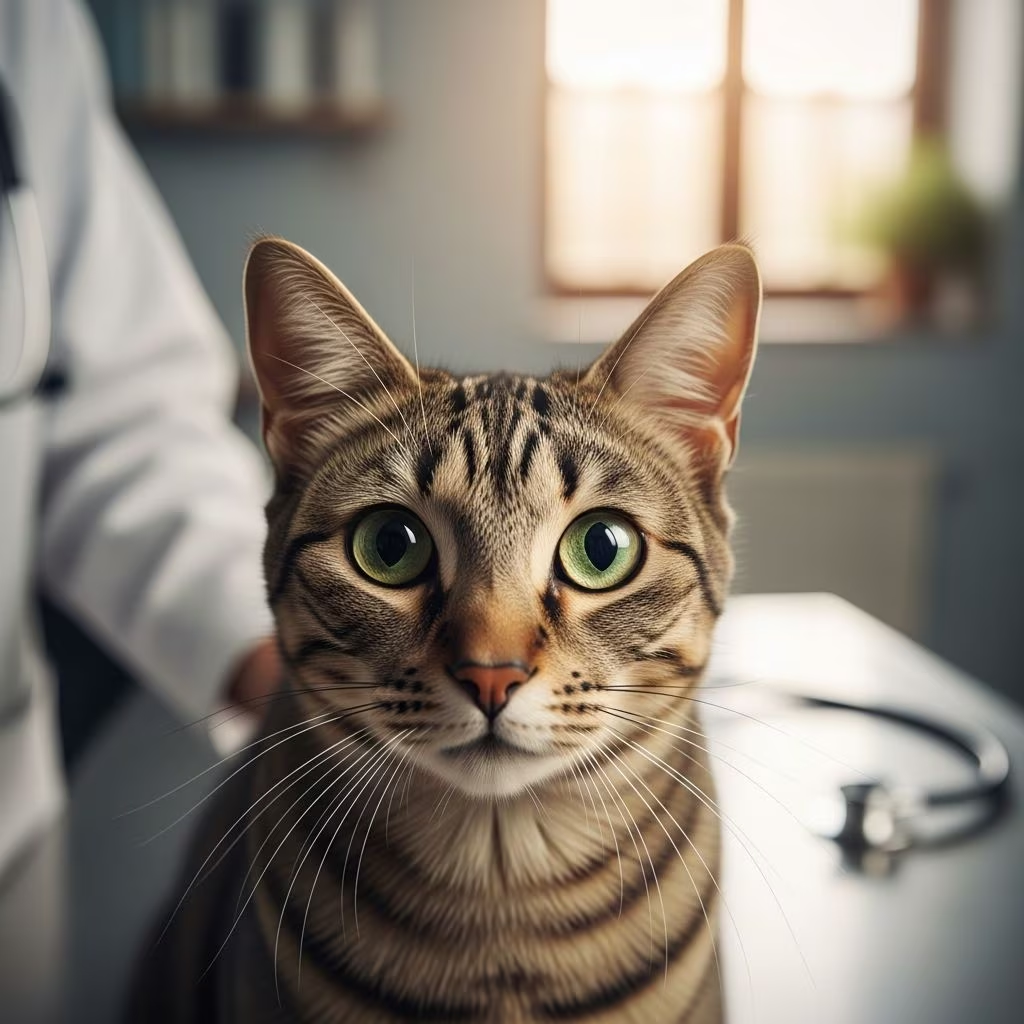
Heartworm Disease in Cats: Treatment Options and Management
Heartworm disease in cats remains one of the most challenging parasitic infections that veterinarians face today. Unlike dogs, where established treatment protocols have been developed over decades, feline heartworm disease presents unique complications that require specialized knowledge and careful management strategies. Understanding the available treatment options, their risks, and their benefits is essential for cat owners dealing with this serious condition.
Understanding Heartworm Disease in Cats
Heartworm disease is caused by parasitic worms transmitted through mosquito bites. The infection primarily affects the heart, lungs, and blood vessels of infected cats. While dogs can harbor multiple adult heartworms living for five to seven years, cats typically have fewer worms that survive for approximately two to three years. This difference in worm burden and lifespan significantly influences treatment approaches and prognosis in cats compared to canine patients.
The challenge with treating feline heartworm disease stems from the lack of FDA-approved medications specifically designed for cats. Many conventional treatments used successfully in dogs are toxic to cats, making the management of this disease substantially more complex and requiring a tailored approach for each individual patient.
Recognizing Heartworm Symptoms in Cats
Identifying heartworm disease in cats can be difficult because clinical signs vary dramatically in severity and often mimic other feline conditions such as asthma or bronchial disease. Some infected cats may display no noticeable symptoms at all, while others show progressive deterioration.
Common clinical signs of heartworm infection include:
– Coughing, wheezing, or gagging- Difficulty breathing or rapid breathing- Open-mouth breathing patterns- Exercise intolerance and lethargy- Weight loss and poor appetite- Intermittent vomiting (sometimes containing blood)- Diarrhea- Neurological abnormalities including difficulty walking and seizures- Sudden death
The unpredictability of feline heartworm disease is particularly concerning because sudden death can occur without prior warning signs. In some cases, infected cats may survive an extended period before succumbing to the disease or another concurrent feline disorder. This variability makes regular veterinary monitoring essential for early detection and intervention.
Diagnosis of Feline Heartworm Disease
Accurate diagnosis of heartworm disease in cats requires multiple diagnostic tools because no single test is completely reliable. Veterinarians typically employ a combination of approaches including blood tests for heartworm antibodies and antigens, chest radiographs (X-rays), ultrasound imaging, and sometimes additional specialized testing. The complexity of diagnosis means that heartworm disease is frequently misdiagnosed as feline asthma or other respiratory conditions, delaying appropriate treatment and management.
Treatment Options for Heartworm Disease in Cats
The treatment approach for feline heartworm disease depends significantly on the cat’s clinical presentation and the severity of the infection. Veterinarians must carefully weigh the risks and benefits of each treatment option while considering the individual cat’s overall health status.
Monitoring Without Treatment
For cats diagnosed with heartworm but showing no clinical signs, a conservative approach may be appropriate. Since cats’ immune systems can sometimes naturally clear heartworm infections without treatment—a phenomenon called spontaneous cure—veterinarians may recommend a monitoring protocol rather than immediate intervention. This approach involves:
– Regular blood tests to monitor antibody and antigen levels- Periodic chest radiographs to assess lung changes- Close observation for any development of clinical signs- Documentation of disease progression or resolution
The rationale for this approach is that given the limited effective medications available and the significant side effects associated with treatment, allowing the cat’s immune system to naturally eliminate the infection may result in better outcomes with fewer complications. However, this strategy requires owner commitment to regular monitoring and veterinary visits.
Symptomatic and Supportive Treatment
When cats develop clinical signs of heartworm disease, treatment focuses on managing symptoms and providing supportive care rather than directly killing adult worms. This approach aims to keep the cat comfortable and symptom-free while allowing time for the worms to naturally die. Several medications may be employed in this strategy:
Prednisolone (Corticosteroid): This anti-inflammatory medication is commonly prescribed to reduce the cat’s inflammatory response and manage respiratory symptoms. Prednisolone helps diminish breathing difficulties and lung inflammation associated with heartworm disease. Cats with evidence of lung disease on radiographs are particularly good candidates for this therapy. Treatment typically involves small, gradually decreasing doses rather than high-dose therapy.
Doxycycline (Antibiotic): This medication targets the Wolbachia bacteria that live inside heartworms. By eliminating this symbiotic bacteria, doxycycline may help reduce inflammation and the cat’s inflammatory response. Some clinicians recommend this treatment to improve outcomes, though studies are still ongoing to determine its full effectiveness.
Respiratory Support Medications: Drugs such as terbutaline, theophylline, or albuterol may be recommended to help manage respiratory distress and improve breathing in cats with significant pulmonary symptoms.
Emergency Crisis Management: Cats experiencing acute heartworm-related crises require immediate intensive care. Treatment in these situations includes oxygen therapy, intravenous fluids, corticosteroids (such as prednisolone or dexamethasone), diuretics to remove excess fluid from the lungs, cardiovascular support medications, and comprehensive nursing care. Many cats require hospitalization during acute episodes to survive the crisis and transition to long-term management.
Ivermectin Treatment
Ivermectin is a medication that can reduce heartworm loads when administered over extended periods—typically two years or longer. However, this long-term therapy carries risks including allergic shock and inflammatory reactions in cats. Because of these potential serious side effects, ivermectin use must be carefully considered and monitored. Ivermectin is also a common ingredient in heartworm prevention medications, which further complicates its use in treatment scenarios.
Surgical Removal
Surgical removal of adult heartworms represents an alternative treatment option when heartworms are visible on ultrasound imaging. This direct approach involves interventional radiologists or specialized surgeons using imaging-guided techniques to remove the worms from the heart and blood vessels. While this provides a definitive removal of the parasites, surgery carries inherent risks including bleeding, cardiac arrhythmias, and complications from anesthesia. Surgical removal is typically reserved for cases where medications have failed or where the worm burden is clearly visualized and technically removable.
Comparison of Treatment Approaches
| Treatment Approach | Best For | Advantages | Disadvantages |
|---|---|---|---|
| Monitoring Only | Asymptomatic cats | Avoids medication side effects; allows natural immune clearance | Risk of sudden death; requires consistent follow-up; disease may progress |
| Symptomatic Management | Cats with clinical signs | Improves quality of life; reduces breathing difficulties | Does not eliminate worms; requires long-term medication; ongoing symptom management |
| Surgical Removal | Visualized worm burden | Definitive worm removal; eliminates source of inflammation | Surgical risks; requires specialized expertise; high cost |
| Ivermectin Therapy | Long-term worm load reduction | Gradual reduction of parasites | Extended treatment duration (2+ years); risk of allergic reactions; side effects |
Important Limitations and Considerations
Unlike dogs, where merbromin (Immiticide) has been used to kill adult heartworms for decades, this medication is not recommended for cats due to serious side effects resulting from rapid worm death. The American Heartworm Society, the leading authority on heartworm management, currently does not recommend therapies designed to kill adult heartworms in cats because of the severe complications these medications can cause.
Without medication therapy or surgery, there is no cure for heartworm disease in cats. The goal of treatment is to keep the infected cat symptom-free and improve quality of life for as long as possible, ideally until the cat outlives the worms naturally. The median survival time for cats with heartworm disease ranges from one and a half to four years, depending on the severity of infection and the cat’s overall health status.
Long-Term Prognosis and Recovery
Veterinarians cautiously declare a cat “recovered” from heartworm disease only after blood tests return negative and clinical signs completely resolve along with radiological evidence of healing. This recovery process may take considerable time and requires consistent monitoring.
For cats with lung disease confirmed through radiographic changes, prednisolone may be recommended even if the cat shows no clinical symptoms to prevent progressive scarring and inflammation. The threat of acute crisis or sudden death always exists for heartworm-positive cats, making ongoing veterinary care and owner vigilance essential components of long-term management.
Managing Heartworm-Positive Cats Successfully
Successful management of heartworm-positive cats requires several key elements:
– Close collaboration with a veterinarian experienced in heartworm management- Regular monitoring appointments and diagnostic testing- Clear communication about risks and treatment options- Owner understanding of warning signs requiring emergency care- Commitment to prescribed medication protocols- Appropriate emergency preparedness for acute crises- Environmental modifications to reduce mosquito exposure
Each cat’s treatment plan must be individualized based on clinical presentation, diagnostic findings, and owner preferences. What works well for one cat may not be appropriate for another, making personalized veterinary assessment crucial.
Frequently Asked Questions About Heartworm Treatment in Cats
Q: Can the same heartworm treatment used for dogs be used for cats?
A: No. The most common canine heartworm treatment, merbromin (Immiticide), is toxic to cats and can cause serious side effects. The American Heartworm Society does not currently recommend using adult heartworm-killing therapies in cats due to safety concerns.
Q: What should I do if my cat shows no symptoms of heartworm?
A: If your cat is diagnosed with heartworm but shows no clinical signs, your veterinarian may recommend a monitoring approach involving regular blood tests and chest X-rays to track the infection. Some cats may naturally clear the infection without treatment.
Q: How long do heartworms survive in cats?
A: Heartworms typically survive in cats for approximately two to three years, which is shorter than the five to seven years they live in dogs. This affects treatment planning and prognosis.
Q: What is the average survival time for a cat with heartworm disease?
A: The median survival time for cats with heartworm disease ranges from one and a half to four years, depending on infection severity and overall health status.
Q: Can heartworm disease in cats be cured?
A: Without medication therapy or surgery, there is no cure for heartworm disease in cats. Treatment focuses on managing symptoms and improving quality of life while the worms naturally die over time.
Q: Are there emergency treatments if my cat has an acute heartworm crisis?
A: Yes. Cats experiencing acute crises require immediate hospitalization with oxygen therapy, intravenous fluids, corticosteroids, and other supportive medications to stabilize their condition.
References
- Heartworm in Cats: Symptoms, Treatment, and Prevention — Dyer Animal Clinic. 2024. https://dyeranimalclinic.com/blog/heartworm-in-cats/
- Heartworm Disease in Cats: Symptoms, Treatment, and Prevention — PetMD. 2024. https://www.petmd.com/cat/conditions/infectious-parasitic/c_ct_heartworm_disease
- Heartworm Disease in Cats — VCA Animal Hospitals. 2024. https://vcahospitals.com/know-your-pet/heartworm-disease-in-cats
- Heartworm in Cats — American Heartworm Society. 2024. https://www.heartwormsociety.org/heartworms-in-cats
- Heartworm in Cats — Cornell University College of Veterinary Medicine. 2024. https://www.vet.cornell.edu/departments-centers-and-institutes/cornell-feline-health-center/health-information/feline-health-topics/heartworm-cats
- The Facts about Heartworm Disease — U.S. Food and Drug Administration. 2024. https://www.fda.gov/animal-veterinary/animal-health-literacy/keep-worms-out-your-pets-heart-facts-about-heartworm-disease
- Heartworm Disease in Cats: Signs, Treatment, and Prevention — Just Cats Clinic. 2024. https://justcatsclinic.com/heartworm-disease-in-cats-signs-treatment-and-prevention/



