
Heartworm Disease in Cats: Symptoms, Diagnosis, and Treatment
Complete guide to feline heartworm disease: recognition, diagnosis methods, and effective treatment options.
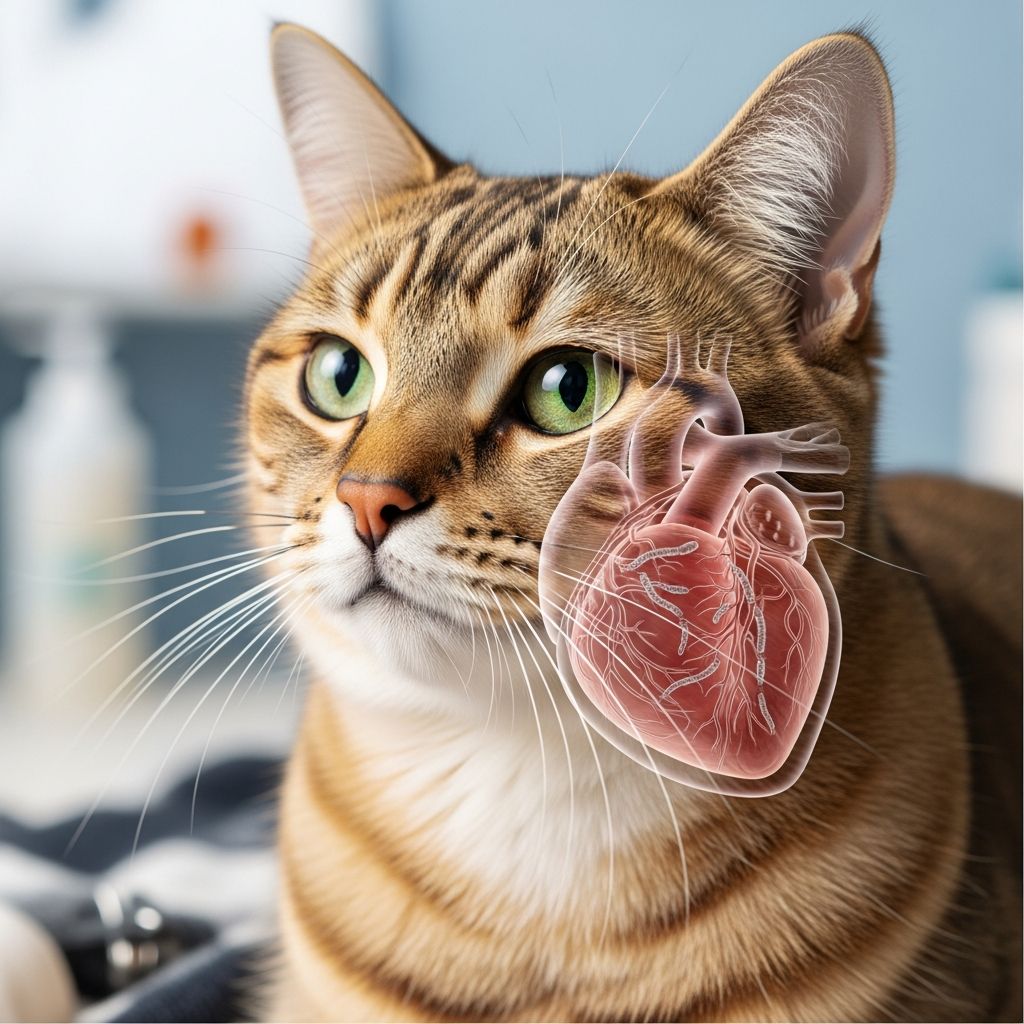
Understanding Heartworm Disease in Cats
Heartworm disease is a serious parasitic infection that affects cats, though it is often underdiagnosed and misunderstood by pet owners. This condition, transmitted through mosquito bites, can cause severe respiratory complications and even sudden death in infected felines. Unlike dogs, which commonly develop heartworm disease, cats are considered “atypical hosts” for the heartworm parasite, meaning the infection manifests differently and presents unique diagnostic challenges. Understanding the symptoms, diagnostic methods, and treatment options is crucial for any cat owner seeking to protect their beloved companion.
The heartworm parasite completes its life cycle when an infected mosquito transmits larvae to a cat. These larvae migrate through the bloodstream and eventually reach the pulmonary arteries and heart. Many of these immature worms die during this migration, triggering an intense inflammatory response in the cat’s respiratory system. This hypersensitivity reaction is often the primary cause of clinical signs in infected cats and can be life-threatening.
Recognizing Symptoms of Heartworm Disease
One of the most challenging aspects of feline heartworm disease is that symptoms can vary dramatically from cat to cat. Some infected cats may show no clinical signs whatsoever, while others experience severe respiratory distress or sudden death. This variability makes early detection difficult for pet owners and veterinarians alike.
Common Clinical Signs
When symptoms do appear, they typically relate to respiratory and gastrointestinal systems. The most frequently observed clinical signs include:
- Sudden onset of coughing
- Rapid or labored breathing
- Open-mouth breathing
- Weight loss
- Periodic vomiting
- Lethargy and decreased activity
- Decreased appetite
- Exercise intolerance
- Difficulty breathing or shortness of breath
Acute and Severe Presentations
In some cases, heartworm disease manifests as a medical emergency. Cats may experience sudden respiratory distress, collapse, or shock when adult worms die. These acute presentations can be fatal if immediate veterinary intervention is not provided. In other instances, a cat that appears completely healthy may die suddenly, with heartworm disease only discovered during a post-mortem examination. This unpredictability underscores the importance of regular veterinary check-ups and preventive measures.
Stages of Heartworm Disease
The American Heartworm Society recognizes distinct stages of feline heartworm infection. Stage 1 occurs when immature L5 worms arrive in the pulmonary arteries, with many of them dying in the process. This stage causes a severe, acute inflammatory reaction that is often misdiagnosed as feline asthma or bronchitis. The body’s hypersensitivity response during this phase can be more dangerous than the adult worm infection itself. Stage 2 involves mature worms that have successfully established themselves in the heart and lungs, potentially causing chronic respiratory and gastrointestinal signs.
Diagnostic Challenges in Feline Heartworm Disease
Diagnosing heartworm disease in cats presents significant challenges that distinguish feline cases from canine heartworm infections. The lack of specific clinical signs means that diagnosis cannot be based on symptoms alone. Additionally, cats often have very low worm burdens, may harbor only male worms, or may abort immature infections entirely, making parasites difficult or impossible to detect through standard testing methods.
Blood Testing Methods
Several blood tests are available to detect heartworm infection, each with different advantages and limitations:
Antigen Tests: These tests detect proteins produced by female heartworms. While antigen tests are considered the gold standard for diagnosing heartworm disease in dogs, they have limited effectiveness in cats. Because many cats have low worm burdens or may be infected exclusively with male worms, antigen tests frequently produce false-negative results in infected felines. A positive antigen test in a cat is highly suggestive of heartworm infection, but a negative result does not rule out the disease.
Antibody Tests: These tests detect the cat’s immune response to heartworm larvae. Cats begin producing antibodies when exposed to migrating larvae (L3 and L4 stages), even if the infection does not progress to maturity. A positive antibody test indicates exposure to heartworms but does not confirm active infection, as many immature worms die before developing into adults. When combined with a positive antigen test, however, antibody testing provides strong evidence of current or recent heartworm infection.
Microfilariae Tests: Some cats with heartworms have microfilariae (baby worms) circulating in their blood, which can be detected through blood examination. However, microfilariae are present in very few infected cats and only remain detectable for one to four weeks. While a positive microfilariae test is diagnostic, a negative result provides little useful information, making this test generally unreliable for feline heartworm diagnosis.
Imaging Studies
Chest Radiographs (X-rays): Radiographs play an important role in feline heartworm diagnosis and monitoring. Changes in lung tissue and enlargement of the pulmonary arteries are suggestive of heartworm disease. Common radiographic findings appear in approximately half of infected cats, making this test helpful but not definitive for diagnosis. Radiographic evidence of lung disease may also guide treatment decisions, as cats with visible lung changes are more likely to benefit from anti-inflammatory therapy.
Echocardiography (Ultrasound): Cardiac ultrasound can visualize live worms directly in the pulmonary artery and right side of the heart. Echocardiography also helps determine if pulmonary pressures are abnormal and can exclude or confirm other cardiac diseases. This imaging modality is particularly valuable for assessing the severity of heartworm infection and the cat’s overall cardiac status.
Diagnostic Confirmation
Because no single test is perfect for feline heartworm diagnosis, veterinarians rely on a combination of tests and clinical findings. Ideally, both antibody and antigen blood tests should be performed along with chest radiographs and possibly echocardiography. A diagnosis of feline heartworm infection is most confidently confirmed when both antibody and antigen tests are positive, along with compatible clinical signs and imaging findings.
Treatment Options for Heartworm Disease
Treatment of heartworm disease in cats differs significantly from canine heartworm treatment. Because treatment with heartworm adulticidal drugs can be life-threatening in cats and heartworm infection often resolves spontaneously, most infected cats are managed with supportive and symptomatic therapy rather than direct worm elimination.
Supportive Care Approach
The cornerstone of feline heartworm treatment involves managing clinical signs and supporting the cat through the infection until the worms die naturally. Heartworms typically survive for two to three years in cats (compared to five to seven years in dogs), so ongoing management may be necessary for an extended period.
Corticosteroids: Prednisolone or dexamethasone are frequently recommended to reduce the intense inflammatory response occurring in the pulmonary arteries and lungs. These medications can significantly improve clinical signs and quality of life. Cats with radiographic evidence of lung disease or those displaying respiratory or gastrointestinal signs are often prescribed prednisone in diminishing doses to manage inflammation.
Oxygen Therapy: When cats experience acute respiratory distress, supplemental oxygen is provided to ensure adequate oxygenation and stabilize their condition.
Diuretics: Medications that remove excess fluid from the lungs may be administered to cats with severe respiratory compromise.
Bronchodilators and Additional Medications: Terbutaline, theophylline, or albuterol may be recommended to help relieve respiratory distress and improve breathing. Anti-emetic medications can help control vomiting in affected cats.
Antimicrobial Therapy
Some veterinarians recommend treating cats with doxycycline, an antibiotic that targets the Wolbachia bacteria that live inside heartworms. This treatment may help reduce inflammation and has shown promise in some cases, though studies to determine its overall effectiveness are still ongoing. Doxycycline can help reduce worm loads and may decrease the inflammatory burden on the cat’s respiratory system.
Ivermectin Therapy
Ivermectin, a medication that can reduce worm loads over an extended period (two years or more), is occasionally used in feline heartworm treatment. However, this medication carries risks of allergic shock or inflammatory reactions in cats, making it a less preferred option compared to corticosteroid therapy.
Surgical Intervention
For cats with severe disease or those not responding to medical management, surgical removal of heartworms through cardiac catheterization or open-heart surgery may be considered. Because of the difficulty associated with medical management of heartworm disease in cats, surgical intervention is sometimes the preferred treatment method when feasible.
Monitoring and Long-Term Management
All heartworm-positive cats require ongoing monitoring to assess disease progression and treatment response. Veterinarians typically recommend serologic testing, echocardiograms, and chest radiographs every six to 12 months, ideally including both antibody and antigen tests to gather comprehensive information about the infection status. Cats diagnosed with heartworm disease but showing no clinical signs may require only monitoring with periodic antibody and antigen testing and regular chest radiographs while the infection naturally resolves.
Prevention of Heartworm Disease
Prevention is substantially more effective and safer than treating heartworm disease in cats. Consistent administration of preventative medications containing macrocyclic lactones is crucial for protecting cats from infection. Monthly heartworm prevention products are available in multiple formulations, including oral and topical medications. Consulting with a veterinarian about the most appropriate preventative regimen for your cat is essential, as recommendations may vary based on geographic location, lifestyle, and individual health factors.
Prognosis and Quality of Life
The prognosis for cats diagnosed with heartworm disease varies widely depending on the severity of infection, the cat’s immune response, and the effectiveness of treatment. Many cats can maintain reasonable quality of life with appropriate symptomatic therapy and monitoring. However, the threat of acute crisis or sudden death always exists, even in cats receiving treatment. Some infected cats may survive the infection naturally, while others experience progressive disease or acute deterioration.
Frequently Asked Questions About Feline Heartworm Disease
Q: Can indoor cats get heartworm disease?
A: Yes, indoor cats can contract heartworm disease if mosquitoes enter the home. While outdoor cats have higher risk due to greater mosquito exposure, no cat is completely protected from heartworm infection without preventative medication.
Q: How is feline heartworm disease different from canine heartworm disease?
A: Cats are atypical hosts for heartworms, meaning many larvae and immature worms die during migration. Cats typically have lower worm burdens, different clinical presentations, and different diagnostic and treatment protocols compared to infected dogs.
Q: What should I do if my cat is diagnosed with heartworm disease?
A: Work closely with your veterinarian to develop a management plan appropriate for your cat’s specific condition. This may include supportive medications, monitoring with periodic testing and imaging, and potentially more aggressive interventions depending on disease severity.
Q: Can heartworm disease in cats be cured?
A: While some cats naturally eliminate heartworm infections over time, there is no reliably safe medication to eliminate adult worms in cats. Treatment focuses on managing symptoms and supporting the cat until the infection resolves naturally or through surgical intervention.
Q: How often should my cat be tested for heartworm disease?
A: Discuss a testing schedule with your veterinarian based on your geographic location and your cat’s lifestyle. Cats on regular preventative medication typically require annual testing, while cats with known exposure or those not receiving prevention may need more frequent screening.
References
- Heartworm Disease in Cats — VCA Animal Hospitals. 2025. https://vcahospitals.com/know-your-pet/heartworm-disease-in-cats
- Feline heartworm disease: A clinical review — PubMed Central. 2024. https://pmc.ncbi.nlm.nih.gov/articles/PMC10911211/
- Diagnosing Feline Heartworms — Texas A&M Veterinary Medical Diagnostic Laboratory. 2025. https://tvmdl.tamu.edu/case-studies/diagnosing-feline-heartworms/
- Heartworm Disease in Dogs, Cats, and Ferrets — MSD Veterinary Manual. 2024. https://www.msdvetmanual.com/circulatory-system/heartworm-disease/heartworm-disease-in-dogs-cats-and-ferrets
- Heartworm Disease in Cats — Merck Veterinary Manual. 2024. https://www.merckvetmanual.com/cat-owners/heart-and-blood-vessel-disorders-of-cats/heartworm-disease-in-cats
- Heartworm Disease in Cats: Symptoms, Treatment, and Prevention — PetMD. 2024. https://www.petmd.com/cat/conditions/infectious-parasitic/c_ct_heartworm_disease
- Heartworms in Cats — American Heartworm Society. 2025. https://www.heartwormsociety.org/heartworms-in-cats
Similar Articles








Read full bio of Sneha Tete




