

Heart Murmurs in Cats: A Comprehensive Guide to Diagnosis and Management
A heart murmur is an abnormal heart sound, usually heard with a stethoscope, caused by turbulent blood flow within the heart. While this condition can sound alarming to cat owners, it’s important to understand that not all heart murmurs indicate serious disease. Some are benign and require only monitoring, while others may signal underlying health conditions that need treatment. This guide explores what heart murmurs are, their causes, how they’re diagnosed, and the available treatment options to help you better care for your feline companion.
What Causes Heart Murmurs in Cats?
Heart murmurs in cats can develop for various reasons, ranging from temporary functional causes to serious cardiac disease. Understanding the underlying cause is essential for determining the appropriate treatment plan.
Cardiac Causes
Heart murmurs that originate from actual structural or functional heart problems are considered cardiac causes. These include:
- Congenital heart disease: Heart defects present at birth, such as ventricular septal defects (holes between heart chambers) or patent ductus arteriosus (PDA), where a blood vessel fails to close properly after birth.
- Hypertrophic cardiomyopathy (HCM): A disease where the heart muscle becomes abnormally thick, reducing the heart’s ability to pump blood efficiently.
- Dilated cardiomyopathy: A condition where the heart chambers become enlarged and weakened, impairing heart function.
- Heart valve disease: Damage or malfunction of the mitral, tricuspid, or aortic valves, allowing blood to leak backward through the valves.
- Age-related heart failure: As cats age, the heart can develop functional problems that create murmurs.
Extracardiac Causes
Some heart murmurs result from conditions outside the heart itself. These are called “functional” or “innocent” murmurs and may be caused by changes in blood viscosity or flow rate.
- Anemia: Low levels of red blood cells cause thinner blood that creates turbulent flow, producing audible murmurs.
- Hypoproteinemia: Low protein levels in the blood can reduce blood viscosity, leading to functional murmurs.
- Hyperthyroidism: This common condition in older cats causes increased heart rate and metabolic changes, creating secondary heart murmurs and potentially leading to hypertrophic cardiomyopathy.
- Fever or infection: These conditions increase heart rate and can temporarily produce murmurs.
- Pregnancy: Increased blood volume during pregnancy can cause temporary murmurs in female cats.
- Obesity: Extra weight increases the workload on the heart, potentially causing murmurs.
- Emaciation or extreme weight loss: Severe weight loss can lead to low protein levels and functional murmurs.
- Parasite infestations: In young kittens, heavy infestations of intestinal worms, blood parasites, fleas, or ticks can cause anemia, leading to murmurs.
- Heartworm disease: Though rare in cats, this parasitic infection can cause murmurs.
- High blood pressure: Systemic hypertension can contribute to murmur development.
Types and Grading of Heart Murmurs
Heart murmurs are classified based on several factors, with grading being the most common system used by veterinarians. The grade indicates the loudness or intensity of the murmur when heard through a stethoscope. Murmurs can range from barely audible to very loud sounds. Understanding the grade helps veterinarians assess severity and determine whether further investigation is needed.
Additionally, murmurs may be classified by when they occur during the heartbeat (systolic or diastolic) and whether they’re innocent or pathological. Innocent or physiologic murmurs are typically low-grade, may come and go, and don’t indicate underlying heart disease. Pathologic murmurs, conversely, suggest structural or functional cardiac abnormalities requiring veterinary attention.
Symptoms and Clinical Signs
Many cats with heart murmurs show no symptoms at all, and the murmur is discovered incidentally during a routine veterinary examination. However, when symptoms are present, they may include:
- Poor appetite or reduced food intake
- Weight loss or failure to gain weight appropriately
- Lethargy and decreased activity levels
- Weakness, particularly in the hind limbs
- Difficulty breathing or rapid breathing, especially during activity
- Pale gums or mucous membranes
- Abnormal pulse patterns
- Coughing or wheezing
- Blue-tinged lips or tongue (cyanosis) in severe cases
Young kittens with congenital defects may appear sluggish and underweight compared to littermates. If your cat develops any of these symptoms or you notice changes in behavior or breathing patterns, prompt veterinary evaluation is essential.
Diagnosis of Heart Murmurs
Diagnosing heart murmurs and their underlying causes involves several steps and may require specialized testing.
Physical Examination
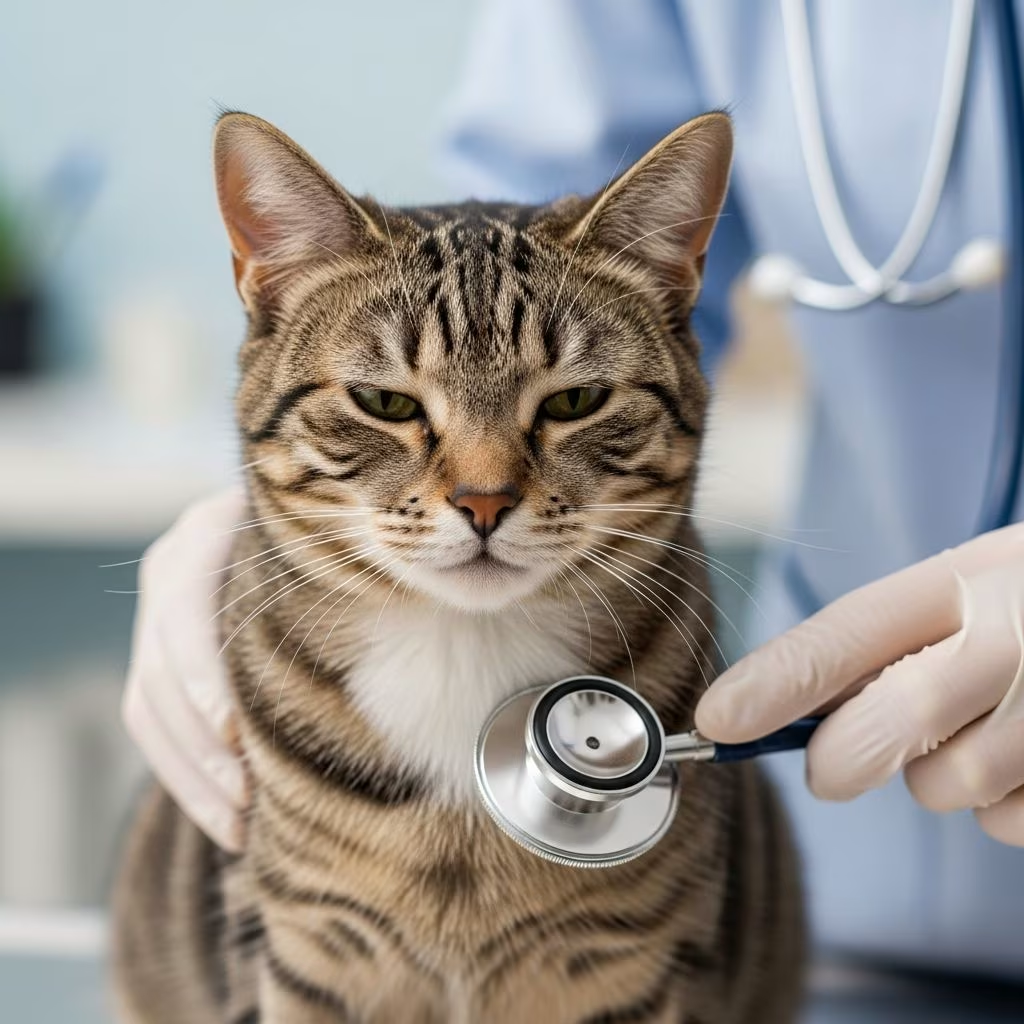
The first step is a thorough physical examination by your veterinarian, during which they listen carefully to your cat’s heart with a stethoscope. They will also assess your cat’s overall health, body condition, respiratory rate, and mucous membrane color. Your veterinarian will ask about your cat’s medical history, symptoms, and any changes you’ve noticed in behavior or health.
Echocardiogram
An echocardiogram (ultrasound of the heart) is the gold standard for diagnosing the underlying cause of a heart murmur. This non-invasive imaging technique allows veterinarians to visualize the heart’s structure and function, identifying any structural abnormalities, valve problems, or chamber enlargement. An echocardiogram can definitively diagnose conditions like hypertrophic cardiomyopathy, dilated cardiomyopathy, congenital defects, and valve disease.
Your primary care veterinarian may refer you to a veterinary cardiologist, a specialist in heart disease, for performing and interpreting the echocardiogram. This specialist training ensures accurate diagnosis and appropriate treatment recommendations.
Additional Diagnostic Tests
Depending on the findings, your veterinarian may recommend additional tests, including:
- Blood work: To check for anemia, protein levels, thyroid hormone, and kidney function
- Chest X-rays: To assess heart size and look for signs of heart failure or fluid in the lungs
- Blood pressure measurement: To identify hypertension that may contribute to heart disease
- Electrocardiogram (ECG): To evaluate the heart’s electrical activity and rhythm
Treatment Options for Heart Murmurs
Treatment for heart murmurs depends entirely on the underlying cause and severity of the condition. The murmur itself is not treated directly; rather, the focus is on addressing the condition causing it.
Physiologic Murmurs
Physiologic or innocent heart murmurs do not require any treatment. However, regular monitoring is advised to ensure that no other problems develop. These murmurs may resolve on their own, particularly in young kittens as they grow.
Murmurs from Systemic Conditions
When heart murmurs result from non-cardiac conditions, treating the underlying disease often resolves or significantly improves the murmur:
- Anemia: Treatment depends on the cause and may include blood transfusions, nutritional support, or treatment of underlying parasites or infections
- Hyperthyroidism: Medications (such as methimazole), radioactive iodine therapy, or surgical thyroidectomy can normalize thyroid function and prevent or improve cardiac changes
- Parasitic infections: Appropriate anti-parasitic medications can eliminate infections and allow anemia to resolve
- Weight management: Weight loss programs for obese cats or nutritional support for emaciated cats can help normalize cardiovascular function
Cardiac Disease Treatment
When heart murmurs result from actual cardiac disease, treatment options may include:
- Medications: ACE inhibitors, diuretics, beta-blockers, and other cardiac medications can help manage heart failure, reduce blood pressure, and improve heart function
- Specialized diet: Prescription diets formulated for cardiac patients, often with restricted sodium content, support heart health and may slow disease progression
- Surgery: Congenital defects like PDAs or septal defects may be surgically corrected, particularly if they significantly impact the cat’s quality of life
- Monitoring and supportive care: Some cardiac conditions may not require immediate treatment, with veterinarians recommending regular monitoring and supportive care
Congestive Heart Failure Management
When heart murmurs progress to congestive heart failure (CHF), more aggressive treatment becomes necessary. CHF often requires hospitalization, oxygen therapy, diuretics to remove excess fluid, and cardiac medications. In cases where fluid accumulates around the lungs (pleural effusion), a procedure called thoracocentesis may be needed to remove the fluid and allow normal breathing. While CHF cannot be cured, these treatments can effectively control signs and improve quality of life.
Prognosis and Long-Term Management
The prognosis for cats with heart murmurs varies widely depending on the underlying cause, severity of disease, and the cat’s overall health. Innocent murmurs carry an excellent prognosis and typically don’t affect a cat’s lifespan. Murmurs from treatable conditions like anemia or hyperthyroidism often improve dramatically with appropriate treatment.
For cats with primary cardiac disease, individual cases vary significantly. Some cats live for years with minimal symptoms, while others may progress more rapidly to heart failure. Your veterinarian will work with you to develop an individualized management plan, discuss prognosis based on your cat’s specific condition, and adjust treatment as needed over time.
Regular veterinary monitoring is crucial for cats with known heart murmurs. Scheduled check-ups allow your veterinarian to assess your cat’s condition, adjust medications if needed, and catch any complications early. Consistent medication administration, as prescribed, significantly impacts outcomes and quality of life for cats with cardiac disease.
Frequently Asked Questions About Heart Murmurs in Cats
Q: Does my cat need treatment if they have a heart murmur?
A: Not necessarily. Many innocent murmurs require no treatment, just regular monitoring. However, if the murmur results from an underlying disease, treatment will focus on addressing that specific condition. Your veterinarian will determine whether treatment is needed based on the cause and severity.
Q: Can heart murmurs in cats be cured?
A: This depends on the cause. Functional murmurs caused by anemia, hyperthyroidism, or other treatable conditions often resolve completely once the underlying problem is addressed. Congenital defects may be surgically corrected. Primary cardiac diseases like cardiomyopathy cannot be cured but can often be managed effectively with medication and lifestyle modifications.
Q: How often should a cat with a heart murmur be examined by a veterinarian?
A: The frequency depends on the type and severity of the murmur. Innocent murmurs may need checking once yearly during routine exams. Cats with diagnosed cardiac disease typically need more frequent monitoring, often every 3-6 months, or more frequently if they’re receiving new medications or showing symptoms.
Q: Is a heart murmur an emergency?
A: A heart murmur itself is not an emergency, but certain complications can be. Seek emergency care if your cat shows signs of respiratory distress, severe lethargy, fainting, or other acute symptoms. These could indicate congestive heart failure or other serious complications requiring immediate veterinary attention.
Q: Can my indoor cat get a heart murmur from stress?
A: While stress can temporarily increase heart rate and cause functional murmurs in some cases, it doesn’t cause permanent heart damage. However, chronic stress may contribute to the development of certain cardiac conditions. Providing a calm, enriching environment supports overall cardiovascular health.
Q: What should I feed a cat with a heart murmur?
A: If your cat has cardiac disease, your veterinarian may recommend a specialized prescription diet formulated for heart health, often with reduced sodium, added taurine, and other beneficial nutrients. If the murmur is innocent or from a non-cardiac cause, standard quality cat food is typically appropriate. Always consult your veterinarian before making dietary changes.
References
- Heart Murmur in Cats: What It Is, Symptoms and Treatment — Willow Glen Pet Hospital. 2025. https://willowglenpethospital.com/heart-murmur-in-cats/
- How heart murmurs in cats are treated — Vetster. 2025. https://vetster.com/en/wellness/how-heart-murmurs-in-cats-are-treated
- Heart Murmurs in Cats — VCA Animal Hospitals. 2025. https://vcahospitals.com/know-your-pet/heart-murmurs-in-cats
- Heart Murmur in Cats: What It Is and How to Manage — PetMD. 2025. https://www.petmd.com/cat/conditions/cardiovascular/c_ct_heart_murmur
- Heart Murmur in Cats: Symptoms and Best Treatment — Veteris. 2025. https://veteris.co.uk/petcare-advice/heart-murmur-in-cats
- Heart Murmurs in Cats — PVESC Specialty Care. 2025. https://www.pvesc.com/specialty-care/cardiology/heart-murmurs-in-cats/
- What to Know About Heart Murmur in Cats — WebMD Pets. 2025. https://www.webmd.com/pets/cats/what-to-know-about-heart-murmur-in-cats



