
Heart Murmurs in Cats: Diagnosis, Treatment & Management
Complete guide to understanding heart murmurs in cats: causes, symptoms, diagnosis, and treatment options.
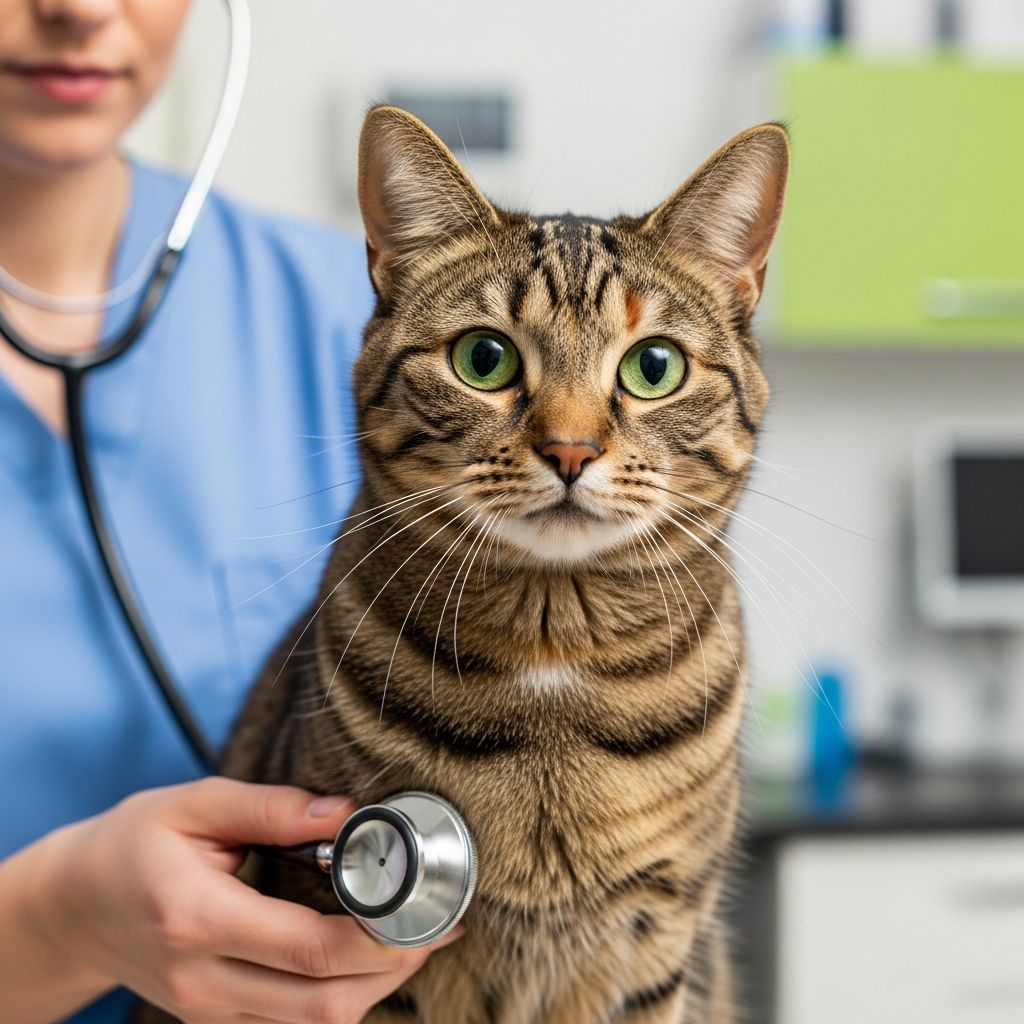
Understanding Heart Murmurs in Cats
A heart murmur in cats is an abnormal sound that veterinarians detect when listening to a cat’s heart with a stethoscope. This whooshing or swishing sound indicates turbulent blood flow within the heart chambers or across the heart valves. Not all heart murmurs are serious, as some cats may have benign murmurs that cause no health problems, while others may indicate underlying cardiac disease that requires immediate attention and management.
Heart murmurs can be classified into two main categories: physiologic (innocent) murmurs and pathologic murmurs. Physiologic murmurs are typically benign and do not require treatment, though regular monitoring is recommended. Pathologic murmurs, on the other hand, often indicate an underlying heart condition that may need intervention.
What Causes Heart Murmurs in Cats?
Several factors can lead to the development of heart murmurs in cats. Understanding these causes is essential for proper diagnosis and treatment planning.
Acquired Heart Diseases
Acquired cardiac diseases develop over time and are among the most common causes of heart murmurs in cats. Hypertrophic cardiomyopathy (HCM) is the most prevalent acquired heart disease in felines. This condition involves the thickening of the heart muscle, which restricts the heart’s ability to pump blood effectively. Acquired heart diseases can also develop secondarily to other health conditions. For example, hyperthyroidism, a common endocrine disorder in older cats, can contribute to the development of heart murmurs and cardiac complications.
Congenital Heart Defects
Congenital murmurs develop due to structural heart defects that cats are born with. These defects may include ventricular septal defects (holes between the heart’s chambers) or pulmonic stenosis (narrowing of the pulmonary valve). While less common than acquired diseases, congenital heart defects can cause significant complications if left untreated.
Extracardiac Causes
In rare cases, heart murmurs in cats can develop in association with heartworm disease, though this is uncommon in feline populations. Additionally, systemic conditions such as anemia can cause secondary murmurs due to changes in blood viscosity and flow dynamics.
Recognizing Symptoms of Heart Murmurs
Many cats with heart murmurs do not display obvious symptoms, particularly in the early stages of disease. Cats naturally hide signs of illness, and symptoms may only become apparent when the disease becomes advanced. However, when a cat develops a clinically significant heart murmur, certain warning signs should prompt immediate veterinary evaluation.
Common Clinical Signs
The most frequently observed symptoms in cats with significant heart murmurs include:
- Poor appetite or decreased food intake
- Weight loss or stunted growth in kittens
- Breathing problems or difficulty breathing
- Pale gums or mucous membranes
- Lethargy or decreased activity levels
- General weakness or fatigue
When to Seek Emergency Care
Certain situations require immediate emergency veterinary attention. If your cat experiences respiratory distress, signs of congestive heart failure, or shows signs of blood clots, emergency stabilization and hospitalization may be necessary.
How Heart Murmurs Are Classified
Veterinarians grade heart murmurs on a scale from Grade 1 to Grade 6, based on the intensity and characteristics of the abnormal sound.
| Grade | Characteristics |
|---|---|
| Grade 1 | Soft and often difficult to hear |
| Grade 2 | Soft and may still be difficult to hear |
| Grade 3 | Easily heard when placing stethoscope over the heart |
| Grade 4 | Audible across the heart and both sides of the chest |
| Grade 5 | Loud murmur with vibrations felt on the chest wall |
| Grade 6 | The loudest murmur, detectable without a stethoscope |
Generally, higher-grade murmurs (Grades 4-6) are more likely to indicate serious underlying heart disease and warrant more aggressive diagnostic evaluation and treatment.
Diagnostic Procedures for Heart Murmurs
Accurate diagnosis is crucial for determining the underlying cause of a heart murmur and developing an appropriate treatment plan. Your veterinarian may recommend several diagnostic tests to evaluate your cat’s cardiac health.
Physical Examination
The diagnostic process begins with a thorough physical examination. Your veterinarian will listen to your cat’s heart and lungs with a stethoscope, assess gum color and capillary refill time, evaluate pulse quality, and observe for other clinical signs of heart disease. Additional signs such as an abnormal rhythm or weak pulses suggest underlying cardiac disease requiring further investigation.
Echocardiogram (Ultrasound of the Heart)
An echocardiogram that includes a Doppler examination is considered the gold standard for diagnosing heart murmurs and determining their underlying cause. During this non-invasive procedure, ultrasound imaging allows visualization of the beating heart, enabling evaluation of the heart’s size, structure, and movement. The Doppler component measures the speed and direction of blood flow across the heart valves and within the chambers, pinpointing the location of turbulence causing the murmur. Many veterinarians refer cats to board-certified veterinary cardiologists for this specialized imaging, as cardiologists have advanced training and expertise in interpreting these results.
Blood Tests
Comprehensive blood work is often recommended as part of the diagnostic workup. Blood tests can help identify underlying systemic diseases that may contribute to heart murmurs, such as hyperthyroidism or anemia. A cardiac proBNP (B-type natriuretic peptide) test provides a quantifiable measurement of stretch on the heart muscle itself, helping to assess the severity of heart disease.
Chest X-rays
Chest radiographs are frequently recommended to assess the size of the heart, evaluate blood vessels entering and leaving the heart, and check the lungs for fluid or signs of congestive heart failure.
Electrocardiogram (EKG)
An electrocardiogram may be recommended if an abnormal heart rhythm is detected during the physical examination or if arrhythmias are suspected.
Additional Diagnostic Tests
Depending on your cat’s specific situation, additional tests may include:
- Holter monitors to record cardiac activity over 24 hours
- Blood pressure measurements to detect hypertension
- Specialized cardiac imaging as recommended by your cardiologist
Treatment Options for Heart Murmurs
Treatment approaches vary significantly depending on the underlying cause of the murmur and its severity. Not all heart murmurs require active treatment.
Benign Murmurs
Physiologic or innocent heart murmurs typically require no treatment at all. However, regular monitoring through periodic veterinary examinations is advised to ensure that no other problems develop over time.
Monitoring Without Treatment
For some heart conditions causing murmurs, a “wait and watch” approach may be appropriate, particularly in the early stages of disease. Your veterinarian may recommend ongoing monitoring instead of immediately initiating heart medications or other interventions.
Medical Management
When treatment is necessary, medical management often forms the cornerstone of therapy. Treatment options may include:
- Cardiac medications such as diuretics (furosemide) and ACE inhibitors (benazepril)
- Special therapeutic diets formulated for heart disease
- Supportive care and oxygen therapy when needed
Congestive Heart Failure Management
Congestive heart failure (CHF) is a serious complication that requires intensive management. Depending on severity, CHF may necessitate hospitalization, diuretic therapy to reduce fluid accumulation, cardiac medications to improve heart function, and oxygen therapy. In cases where pleural effusion (fluid buildup around the lungs) develops, a procedure called thoracocentesis may be performed to remove excess fluid and allow the lungs to expand properly.
Surgical Intervention
Surgery is rarely indicated in cats with heart disease, but certain congenital conditions may benefit from surgical correction. For instance, a patent ductus arteriosus (PDA) or small septal defects may require surgical closure. Notably, some congenital heart murmurs, particularly small holes in the heart walls, may resolve spontaneously within six months as the animal grows.
Treatment of Underlying Conditions
Managing underlying health conditions is essential for improving heart murmur symptoms. Treating hyperthyroidism, anemia, or other systemic diseases can sometimes help improve or resolve secondary heart murmurs.
Prognosis and Long-Term Management
The prognosis for cats with heart murmurs varies widely depending on the underlying cause, severity of disease, and responsiveness to treatment. Some cats live normal lifespans with well-managed cardiac disease, while others may face more serious complications. Several factors influence outcomes, including your cat’s age, overall health status, and the cost and feasibility of recommended therapy.
Early detection and diagnosis significantly improve long-term outcomes. Cats that receive prompt evaluation and appropriate treatment often enjoy longer, healthier lives compared to those diagnosed after severe heart disease develops. Many cardiac conditions in cats can be effectively managed long-term with appropriate medications, dietary modifications, and regular monitoring.
When to Contact Your Veterinarian
If your veterinarian detects a heart murmur during a routine examination, further evaluation is typically recommended to determine whether the murmur is benign or indicates underlying disease. If your cat displays symptoms such as poor appetite, weight loss, lethargy, breathing difficulties, or pale gums, contact your veterinarian promptly. Additionally, if an abnormal heart rhythm or weak pulses are noted, more likely indicates a murmur caused by underlying problems requiring immediate diagnostic testing.
Working With Veterinary Cardiologists
For complex cases or when specialized expertise is needed, your primary care veterinarian may refer your cat to a board-certified veterinary cardiologist. Cardiologists have completed four years of specialized training beyond veterinary college and have passed comprehensive board certification examinations, making them experts in diagnosing and managing heart murmurs and other cardiac diseases. During a cardiology consultation, you will typically remain with your cat while specialized, non-invasive diagnostic procedures are performed, and a treatment plan tailored specifically to your cat’s condition is developed.
Frequently Asked Questions About Cat Heart Murmurs
Q: What does it mean if my cat has a heart murmur?
A: A heart murmur indicates abnormal blood flow in the heart. While some murmurs are benign and cause no health problems, others may indicate underlying cardiac disease. A thorough veterinary evaluation is necessary to determine the significance of your cat’s murmur.
Q: Is a heart murmur in cats curable?
A: It depends on the underlying cause. Some congenital murmurs may resolve as the cat grows, while acquired heart diseases are typically managed long-term with medications and monitoring rather than cured. Treatment focuses on managing symptoms and slowing disease progression.
Q: How often should my cat be examined if diagnosed with a heart murmur?
A: The frequency of examinations depends on the severity and type of murmur. Benign murmurs may require annual check-ups, while cats with significant heart disease may need more frequent evaluations—sometimes every few months or as recommended by your veterinarian.
Q: Can a kitten outgrow a heart murmur?
A: Some congenital heart murmurs, particularly innocent murmurs or small structural defects, may resolve spontaneously as the kitten grows and matures. However, this must be confirmed through follow-up echocardiograms rather than assumed.
Q: What should I do if my cat is showing signs of congestive heart failure?
A: Contact your veterinarian immediately or seek emergency veterinary care. Signs such as respiratory distress, severe lethargy, or pale gums require urgent evaluation and treatment, which may include hospitalization and intensive medical management.
Q: Are there special diets for cats with heart murmurs?
A: Yes, therapeutic diets formulated for cardiac health may be recommended as part of your cat’s treatment plan. Your veterinarian or veterinary cardiologist can recommend the most appropriate diet for your cat’s specific condition.
References
- How heart murmurs in cats are treated — Vetster. 2024. https://vetster.com/en/wellness/how-heart-murmurs-in-cats-are-treated
- What to Know About Heart Murmur in Cats — WebMD. 2024. https://www.webmd.com/pets/cats/what-to-know-about-heart-murmur-in-cats
- Heart Murmur in Cats: What It Is and How to Manage — PetMD. 2024. https://www.petmd.com/cat/conditions/cardiovascular/c_ct_heart_murmur
- Heart Murmur in Cats — CVCA Cardiac Care for Pets. 2024. https://www.cvcavets.com/patient-resources/cardiac-conditions/heart-murmur-in-cats
- Heart Murmurs in Cats — VCA Animal Hospitals. 2024. https://vcahospitals.com/know-your-pet/heart-murmurs-in-cats
- Heart Disease – Cats — Cummings School of Veterinary Medicine at Tufts University. 2024. https://vet.tufts.edu/foster-hospital-small-animals/specialty-services/cardiology/heartsmart/heart-disease-cats
- Heart murmurs and heart disease — Cats Protection. 2024. https://www.cats.org.uk
Similar Articles








Read full bio of Sneha Tete




