

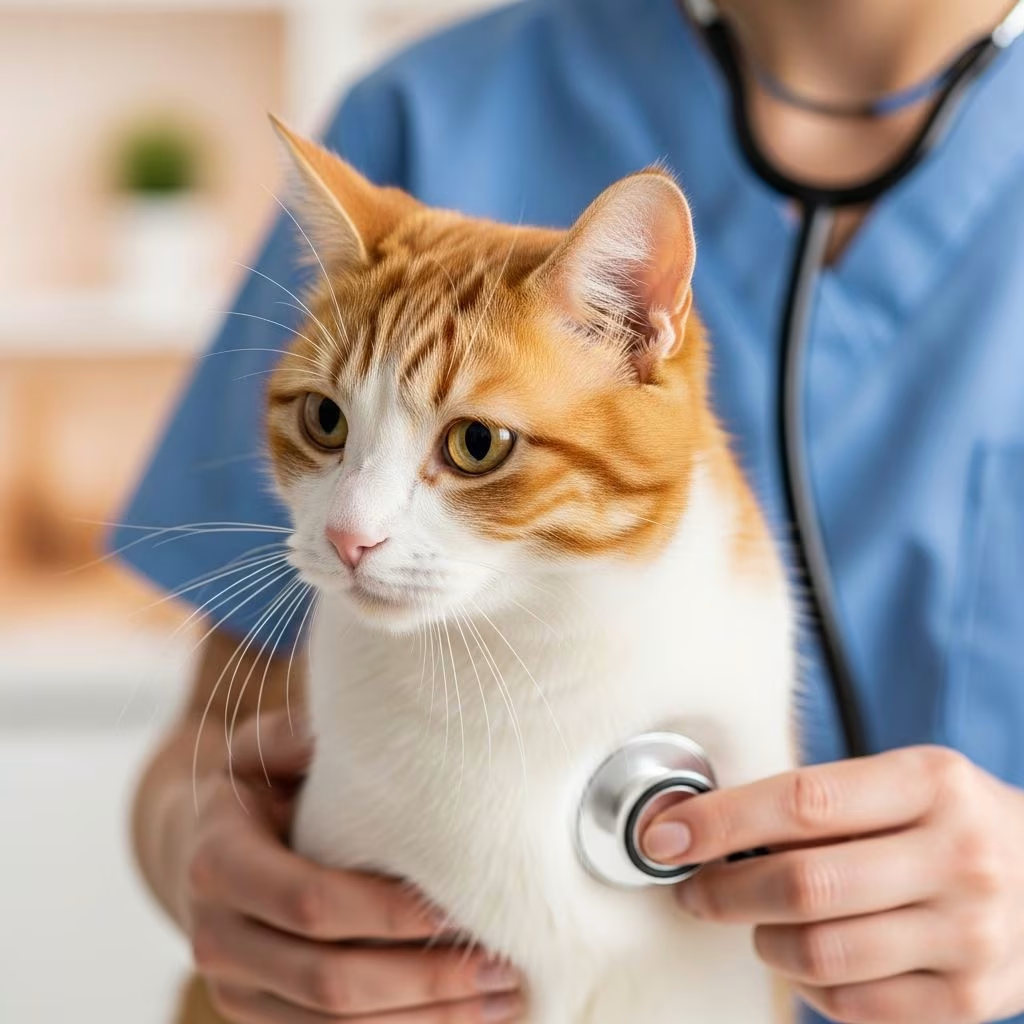
Heart disease is a common yet often silent condition in cats, affecting their quality of life if not managed properly. As a veterinarian, I’ve seen countless cases where early detection through routine exams makes all the difference. This guide covers everything from types of feline heart disease to symptoms, diagnosis, treatment options, and prognosis, drawing on established veterinary practices.
What Is Heart Disease in Cats?
Heart disease in cats refers to structural or functional abnormalities of the heart muscle, valves, or blood vessels. Unlike dogs, cats rarely show obvious signs until the disease is advanced, earning it the nickname ‘silent killer.’ The most prevalent form is **hypertrophic cardiomyopathy (HCM)**, where the heart muscle thickens abnormally, impairing its ability to pump blood efficiently. Other types include dilated cardiomyopathy (DCM), restrictive cardiomyopathy (RCM), and congenital defects. HCM accounts for the majority of cases in adult cats, often linked to genetics in breeds like Maine Coons, Ragdolls, and Sphynx.
Risk factors include age (common in cats over 7 years), breed predispositions, hypertension, hyperthyroidism, and taurine deficiency (now rare due to commercial diets). While not curable, heart disease can be managed to extend life and improve comfort.
Types of Heart Disease in Cats
- Hypertrophic Cardiomyopathy (HCM): Thickened heart walls reduce chamber size, leading to poor filling and output. Prevalent in 15-20% of apparently healthy cats via screening echoes.
- Dilated Cardiomyopathy (DCM): Thinned, stretched heart muscle with weak contractions. Often taurine-related in the past; now less common.
- Restrictive Cardiomyopathy (RCM): Stiff heart muscle impairs relaxation and filling. Associated with fibrosis.
- Other Forms: Arrhythmogenic right ventricular cardiomyopathy (ARVC), congenital defects like ventricular septal defects (VSD).
Symptoms of Heart Disease in Cats
Cats mask illness well, so symptoms often appear late. Watch for:
- **Respiratory Changes:** Rapid, shallow, or labored breathing (>30 breaths/min at rest), open-mouth breathing, panting.
- **Activity Decline:** Lethargy, exercise intolerance, reluctance to jump or play.
- **Physical Signs:** Heart murmur (detected by stethoscope; not always problematic), weak pulse, pale/blue gums, abdominal swelling (ascites), weight loss.
- **Severe Indicators:** Collapse, fainting, hind limb paralysis (saddle thrombus from clots).
These signs warrant immediate vet attention, as congestive heart failure (CHF) can develop rapidly.
Causes and Risk Factors
Primary causes are idiopathic (unknown, genetic in many HCM cases). Secondary triggers include:
- Hyperthyroidism, hypertension, kidney disease.
- Nutritional deficiencies (taurine for DCM).
- Breed genetics: Maine Coon (A31P mutation), Ragdoll.
- Age: Seniors more prone.
Regular screening via echocardiogram is advised for at-risk breeds even without symptoms.
How Is Heart Disease in Cats Diagnosed?
Diagnosis starts with a thorough history and physical exam, listening for murmurs, gallops, or arrhythmias. Key tests include:
- Echocardiogram (Echo): Gold standard; measures wall thickness, chamber sizes, function.
- Chest X-rays: Detect fluid, enlarged heart.
- Bloodwork: NT-proBNP for heart stress, taurine levels, kidney/thyroid panels.
- ECG: For arrhythmias.
- Blood Pressure: Hypertension common.
Thoracic ultrasound aids dyspneic cats safely. Early diagnosis via screening prevents crises.
Treatment for Heart Disease in Cats
Treatment focuses on symptom control, preventing clots and CHF. No cure, but meds extend life.
Medications
| Medication | Purpose | Examples |
|---|---|---|
| Diuretics | Reduce fluid buildup | Furosemide (Lasix) 1-2mg/kg BID |
| Positive Inotropes | Strengthen contractions | Pimobendan |
| ACE Inhibitors | Lower blood pressure, ease workload | Benazepril |
| Anti-clotting | Prevent thrombi | Clopidogrel (1/4 75mg tab daily) |
| Beta-blockers | Control rate/arrhythmias | Atenolol |
Cats with CHF may need 3-5 meds; doses adjusted via monitoring. Aspirin alternative if clopidogrel not tolerated. For acute ATE: hospitalization, pain meds (opioids), anticoagulants.
Other Therapies
- Low-sodium diet, taurine supplements if deficient.
- Oxygen therapy, thoracocentesis for pleural effusion.
- Sirolimus for HCM hypertrophy (newer).
Lifestyle Management
- Stress reduction, weight control.
- Home monitoring: Resting respiratory rate (normal <30/min).
Prognosis for Cats with Heart Disease
Varies by type/stage. Mild HCM: years with monitoring. Advanced CHF: months, but treatment improves survival. Clopidogrel reduces ATE risk. Regular vet check-ups essential; many cats live comfortably long-term.
Prevention and Screening
Annual exams for seniors/at-risk breeds. Echo screening for genetics. Manage underlying conditions like hyperthyroidism. Low-stress environments aid heart health.
Frequently Asked Questions (FAQs)
What are the early signs of heart disease in cats?
Early signs include lethargy, reduced activity, rapid breathing, and heart murmurs detected by vets.
Can heart disease in cats be cured?
No, but managed effectively with medications to control symptoms and prevent complications.
How is HCM diagnosed in cats?
Primarily via echocardiogram showing thickened walls.
What medications are used for feline heart failure?
Common ones: furosemide, pimobendan, ACE inhibitors, clopidogrel.
Is a heart murmur always serious in cats?
Not always; low-grade may be innocent, but grade ≥III/VI needs investigation.
Can diet help cats with heart disease?
Yes, low-sodium diets and taurine supplementation if needed reduce strain.
References
- Heart disease and cardiomyopathy in cats — PDSA. 2023. https://www.pdsa.org.uk/pet-help-and-advice/pet-health-hub/conditions/heart-problems-in-cats
- Heart Disease – Cats — Cummings School of Veterinary Medicine at Tufts University. 2024. https://vet.tufts.edu/foster-hospital-small-animals/specialty-services/cardiology/heartsmart/heart-disease-cats
- Managing heart disease in cats – part 2 — Veterinary Practice. 2016. https://www.veterinary-practice.com/article/managing-heart-disease-in-cats-part-2
- Congestive Heart Failure In Cats — Paws at Peace. 2023. https://pawsatpeace.com/congestive-heart-failure-cats/
- Treatment of Cardiovascular Disease in Cats — Merck Veterinary Manual. 2024. https://www.merckvetmanual.com/cat-owners/heart-and-blood-vessel-disorders-of-cats/treatment-of-cardiovascular-disease-in-cats



