

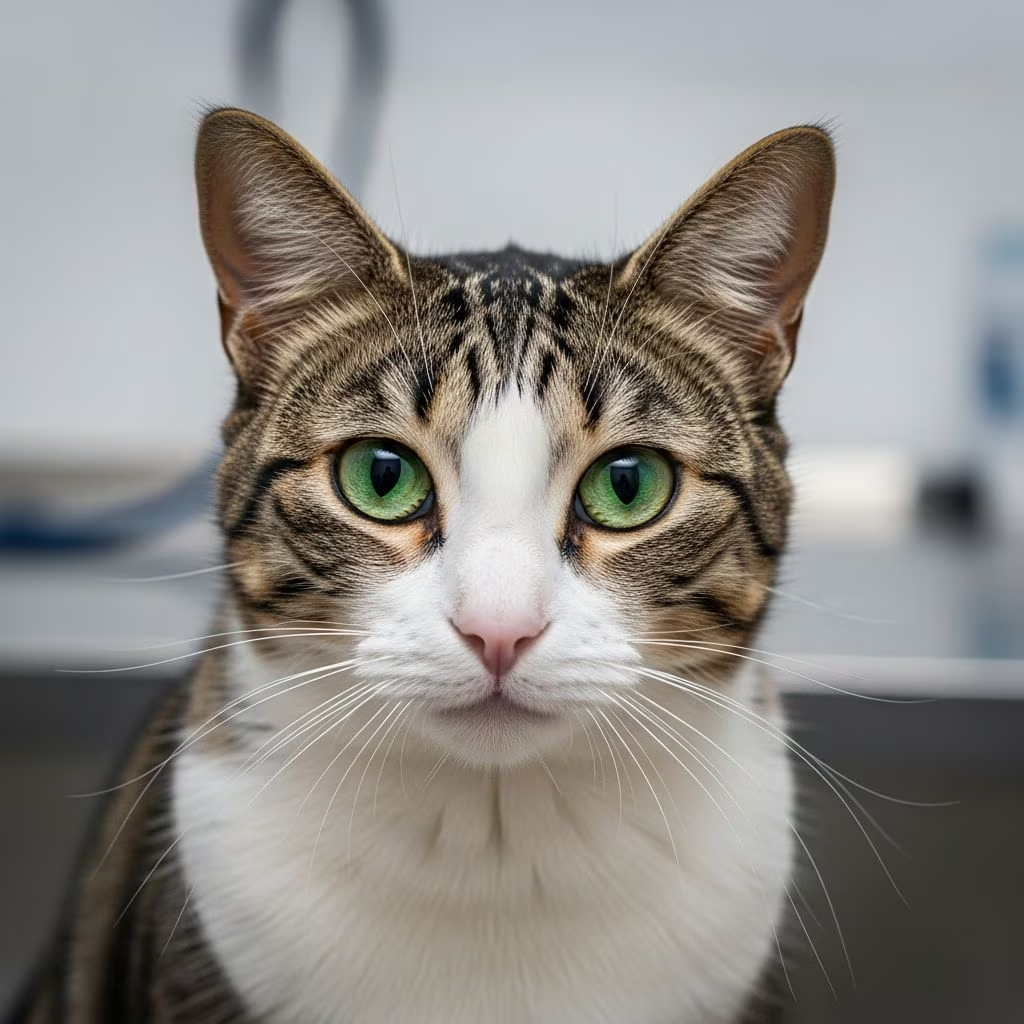
Heart disease is a common yet often silent killer in cats, affecting thousands annually. As a veterinarian with years of experience treating feline cardiac issues, I often see owners blindsided by symptoms that appear suddenly. This guide breaks down everything from causes and symptoms to diagnosis, treatment, and long-term management of **heart disease in cats**.
Unlike dogs, cats mask illness well, making early detection challenging. Conditions like **hypertrophic cardiomyopathy (HCM)**—the most prevalent form—can progress undetected until heart failure or clots strike. Early intervention via meds like diuretics and anticoagulants can extend life significantly.
What Is Heart Disease in Cats?
**Heart disease in cats** encompasses structural or functional abnormalities impairing the heart’s pumping ability. Unlike congenital defects common in puppies, feline cases are mostly **acquired**, developing over time.
The heart’s primary job is circulating oxygen-rich blood. When diseased, it leads to **congestive heart failure (CHF)** (fluid buildup in lungs/abdomen) or **thromboembolism** (blood clots blocking arteries).
- Prevalence: Up to 15% of cats over 7 years have murmurs indicating potential issues.
- Breeds at Risk: Maine Coon, Ragdoll, Sphynx (genetic HCM predisposition).
- Age Factor: HCM peaks in middle-aged to seniors, but can strike young cats.
Types of Heart Disease in Cats
Cats suffer several cardiac pathologies. Here’s a breakdown:
| Type | Description | Key Features |
|---|---|---|
| Hypertrophic Cardiomyopathy (HCM) | Thickened heart walls reduce chamber size, impairing fill/empty cycles. | Most common (90% of cases); genetic in some breeds; leads to arrhythmias/clots. |
| Dilated Cardiomyopathy (DCM) | Thin, stretched walls weaken contractions; taurine deficiency linked historically. | Rare now due to commercial diets; poor prognosis without early tx. |
| Restrictive Cardiomyopathy (RCM) | Stiff ventricles resist filling; fibrosis common. | Often secondary to inflammation; fluid overload frequent. |
| Arrhythmogenic Right Ventricular Cardiomyopathy (ARVC) | Fat/fibrosis replaces right ventricle muscle. | Less common; arrhythmias dominant. |
**Secondary Causes:** Hyperthyroidism, hypertension, anemia exacerbate primary disease.
Symptoms of Heart Disease in Cats
Symptoms are subtle until advanced. Watch for:
- **Rapid, labored breathing** (>30 breaths/min at rest) or **open-mouth panting**—early CHF sign.
- **Lethargy/exercise intolerance**—cats skip jumps, tire quickly.
- **Heart murmur**—vet detects via stethoscope; not always problematic.
- **Weight loss/poor appetite** despite normal eating.
- **Swollen abdomen** (ascites) or **cyanotic gums** (bluish tint).
- **Sudden collapse/hind leg paralysis**—aortic thromboembolism (ATE/saddle thrombus).
Cats hide pain, so monitor resting respiratory rate (normal <30/min). Emergency: labored breaths, fainting.
Causes and Risk Factors of Feline Heart Disease
**Primary HCM** often genetic (sarcomere gene mutations in breeds). Other triggers:
- Nutritional: Past taurine deficiency caused DCM; now rare.
- Systemic: Hyperthyroidism speeds heart rate; hypertension strains vessels.
- Idiopathic: Unknown in most cases.
- Infectious/Toxic: Rare (e.g., heartworm, doxorubicin chemo).
Males slightly more affected; obesity/stress worsen outcomes.
How Is Heart Disease in Cats Diagnosed?
Vets use multi-modal approach:
- Physical Exam: Auscultation for murmurs, gallops, arrhythmias; blood pressure check.
- Bloodwork: NT-proBNP (heart stress marker), taurine levels, thyroid panel.
- Imaging:
- Echocardiogram (echo): Gold standard—measures wall thickness, chamber size, ejection fraction.
- Chest X-rays: Detects enlargement, fluid, vessel issues.
- Ultrasound: Quick lung edema check (B-lines).
- ECG: Rhythm abnormalities.
Thoracocentesis removes chest fluid for breathing relief/diagnosis. Early screening vital for at-risk breeds.
Treatment Options for Heart Disease in Cats
No cure, but management improves quality/length of life. Tailored to stage:
Acute CHF/ATE Emergency
- Oxygen therapy/sedation: Stabilize breathing.
- Diuretics (furosemide): 1-2mg/kg BID; reduces pulmonary edema. Titrate to lowest effective dose.
- Pain relief: Opioids (buprenorphine, methadone) for ATE agony.
Chronic Management
| Drug Class | Examples | Purpose |
|---|---|---|
| ACE Inhibitors | Enalapril, benazepril | Lower BP, reduce workload. |
| Anticoagulants/Antiplatelets | Clopidogrel (1/4 tab daily), aspirin, heparin | Prevent clots; clopidogrel superior. |
| Beta Blockers | Atenolol | Control rate/arrhythmias. |
| Calcium Channel Blockers | Diltiazem | Relaxation, rate control. |
| Diuretics | Furosemide | Fluid removal. |
| Inotropes | Pimobendan | Boost contractions. |
| Other | Sirolimus (HCM-specific) | Reduce hypertrophy. |
**Supportive:** Low-sodium diet (e.g., Royal Canin Renal), taurine supp if deficient, hypertension tx (amlodipine). Hyperthyroidism: methimazole/radioiodine. Fluid taps as needed.
Aortic Thromboembolism (ATE)
Life-threatening; 50% mortality. Tx: pain control, heparin/clopidogrel, thrombolytics rarely. Prognosis guarded; recurrences common.
Prognosis for Cats with Heart Disease
Varies by type/stage:
- Pre-clinical HCM: Normal lifespan with monitoring.
- CHF: Months to years with meds; median survival 6-12 months post-diagnosis.
- ATE: Poor; survivors face re-thrombosis risk.
Clopidogrel extends survival in LAE cats. Regular echoes guide adjustments.
Preventing Heart Disease in Cats
Not fully preventable, but:
- Annual vet checks: Especially seniors/breeds.
- Balanced diet: Taurine-rich, low-sodium.
- Weight control/stress reduction: Ideal BMI, calm environment.
- Screen hyperthyroidism/BP: Common triggers.
- Genetic testing: For at-risk breeds.
Living with a Cat with Heart Disease
Monitor RR daily (app like CardiCat), med compliance, weight. Avoid stressors (travel, multi-cat homes). Comfortable bedding, easy-access litter. Discuss euthanasia humanely if refractory pain/distress.
Frequently Asked Questions (FAQs)
What are the early signs of heart disease in cats?
Lethargy, rapid breathing (>30/min), reduced activity, murmurs.
Can heart disease in cats be cured?
No, but managed effectively with meds to extend quality life.
Is HCM genetic in cats?
Yes, especially breeds like Maine Coon; screening recommended.
What meds treat cat heart failure?
Furosemide (diuretic), enalapril (ACEi), clopidogrel (anti-clot).
How long do cats with HCM live?
Pre-clinical: normal span; CHF: 6-24+ months with tx.
References
- Heart disease and cardiomyopathy in cats — PDSA. 2023. https://www.pdsa.org.uk/pet-help-and-advice/pet-health-hub/conditions/heart-problems-in-cats
- Heart Disease in Cats — PetMD. 2024-05-15. https://www.petmd.com/cat/conditions/cardiovascular/heart-disease-cats
- Managing heart disease in cats – part 2 — Veterinary Practice. 2023. https://www.veterinary-practice.com/article/managing-heart-disease-in-cats-part-2
- Treatment of Cardiovascular Disease in Cats — Merck Veterinary Manual. 2024. https://www.merckvetmanual.com/cat-owners/heart-and-blood-vessel-disorders-of-cats/treatment-of-cardiovascular-disease-in-cats
- Recognizing Feline Heart Disease — Stack Veterinary Hospital. 2024. https://stackvethospital.com/recognizing-feline-heart-disease-early-warning-signs-and-effective-treatments/
- Hypertrophic Cardiomyopathy — Cornell Feline Health Center. 2024. https://www.vet.cornell.edu/departments-centers-and-institutes/cornell-feline-health-center/health-information/feline-health-topics/hypertrophic-cardiomyopathy



