

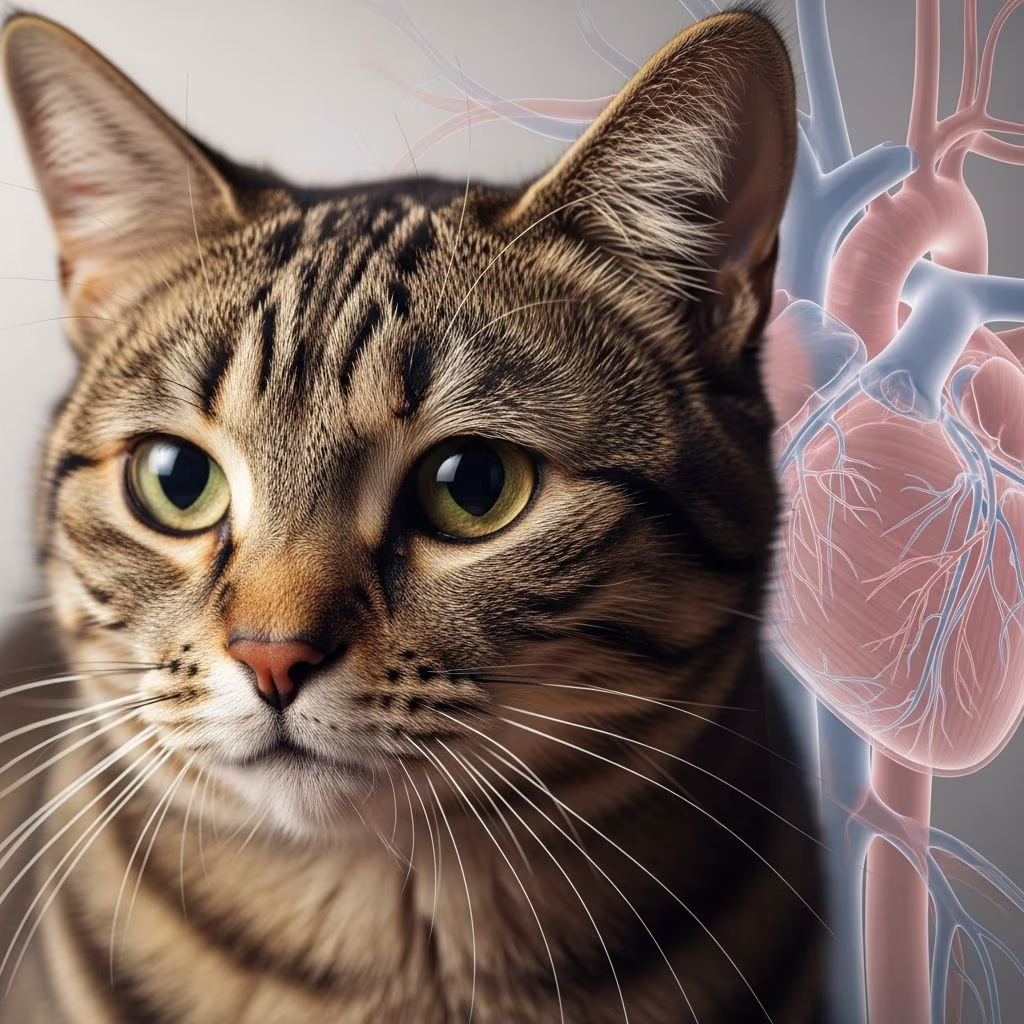
Heart Disease and Cardiomyopathy in Cats
Heart disease is a serious health concern that affects many cats, yet it often goes undetected because cats naturally hide signs of illness. Cardiomyopathy, which refers to disease of the heart muscle, represents one of the most prevalent cardiac conditions in felines. Understanding this condition is essential for cat owners who want to maintain their pet’s health and quality of life. Unlike some other feline diseases, cardiomyopathy can develop silently, making regular veterinary check-ups crucial for early detection and management.
What is Cardiomyopathy?
Cardiomyopathy is a condition affecting the heart muscle itself, distinct from other types of heart disease that may affect valves or blood vessels. The condition involves structural and functional changes to the myocardium, the muscular wall of the heart. When the heart muscle becomes diseased, it cannot pump blood efficiently throughout the body. This inefficiency can lead to reduced oxygen delivery to organs and tissues, potentially triggering a cascade of complications. The severity of cardiomyopathy varies widely among cats, ranging from asymptomatic disease detected incidentally to severe, life-threatening cardiac failure.
Types of Feline Cardiomyopathy
Three primary types of cardiomyopathy affect cats, each with distinct characteristics and management approaches:
Hypertrophic Cardiomyopathy (HCM)
Hypertrophic cardiomyopathy is the most common heart disease in cats, affecting approximately 1 in 7 cats at some point in their lives. In HCM, the walls of the left ventricle become abnormally thickened and enlarged, a process called hypertrophy. This muscular thickening narrows the inner chamber of the left ventricle, preventing it from filling properly and decreasing its efficiency. The narrowed chamber reduces the volume of oxygen-rich blood that can be distributed throughout the body. Additionally, the thickened heart wall becomes stiff and cannot relax normally, further impairing the heart’s ability to fill with blood. The heart compensates by beating faster than normal, increasing oxygen demand on heart muscle cells. This oxygen deprivation can cause death of heart muscle cells, progressively worsening heart function and leading to arrhythmias.
Dilative Cardiomyopathy (DCM)
Dilative cardiomyopathy involves enlargement of the heart chambers with thinning of the ventricular walls. In DCM, the left ventricle becomes progressively dilated and weakened, losing its ability to contract effectively. This results in reduced cardiac output and poor circulation. Taurine deficiency has been identified as a significant factor in feline DCM, and supplementation can sometimes reverse the condition if caught early. DCM is less common in cats than HCM but tends to progress more rapidly when it develops.
Restrictive Cardiomyopathy (RCM)
Restrictive cardiomyopathy is characterized by stiff ventricular walls that restrict normal filling of the heart chambers. The heart muscle becomes fibrotic and loses elasticity, preventing adequate blood accumulation during diastole. This leads to elevated pressures in the heart chambers and backing up of fluid into the lungs and abdomen. RCM often develops as the heart attempts to compensate for other forms of cardiomyopathy and may represent an intermediate stage between HCM and end-stage heart disease.
Symptoms and Clinical Signs
Many cats with early-stage cardiomyopathy show no symptoms, which is why the condition often goes undiagnosed until it becomes advanced. As the disease progresses, cats may develop various clinical signs. Common symptoms include:
- Difficulty breathing or rapid breathing at rest
- Lethargy and decreased activity levels
- Weakness and fatigue, particularly during play or exercise
- Fainting or collapse episodes
- Loss of appetite or decreased food intake
- Weight loss
- Vomiting
- Abnormal heart sounds detected on physical examination
- Pale, gray, or blue gums indicating poor circulation
- Blue foot pads and nailbeds
- Weak or unstable pulse
More serious complications can develop as the disease advances. Fluid accumulation in the lungs (pulmonary edema) causes crackles and wheezes during breathing. Some cats develop fluid in the abdomen (ascites), resulting in visible abdominal swelling. Arrhythmias or abnormal heart rhythms may cause the heart to beat too rapidly, too slowly, or irregularly. Blood clots can form within the heart chambers, potentially dislodging and traveling to peripheral arteries. When clots lodge in the femoral artery, they can cause severe pain, paralysis of the rear limbs, vocalization, difficulty walking, vomiting, and breathing problems. In the most severe cases, sudden cardiac death can occur without warning.
Diagnosis of Cardiomyopathy
Veterinarians employ several diagnostic tools to identify and characterize cardiomyopathy in cats. During the physical examination, the veterinarian listens to the heart with a stethoscope, listening for murmurs, arrhythmias, or abnormal lung sounds. Cats with heart disease often have a systolic murmur caused by blood flowing backward through an insufficient mitral valve.
Echocardiography (cardiac ultrasound) is the gold standard diagnostic tool for cardiomyopathy. This non-invasive imaging technique provides detailed information about heart chamber size, wall thickness, function, and blood flow patterns. Echocardiography can definitively classify the type of cardiomyopathy present and assess its severity. Chest radiographs (X-rays) can reveal cardiac enlargement, pulmonary edema, or pleural effusion. Electrocardiography (ECG) records the electrical activity of the heart and can detect arrhythmias. Blood tests may reveal elevated cardiac biomarkers such as NT-proBNP, which indicate heart strain, though these are used more for monitoring than diagnosis.
Genetic testing is now available for certain inherited forms of HCM, particularly in predisposed breeds like Maine Coon cats, Ragdolls, and Bengal cats. Identifying the genetic mutation in affected cats can help inform breeding decisions and screen related animals.
Management and Treatment Approaches
Unfortunately, there is currently no cure for hypertrophic cardiomyopathy in cats. Damage caused to the heart muscle structure is irreversible. However, in cases where heart disease is secondary to a treatable condition, such as hyperthyroidism or severe hypertension, addressing the underlying condition may alleviate symptoms. For primary cardiomyopathy, treatment focuses on managing clinical signs and preventing progression of the disease.
Medications for HCM Management
Cats with heart failure and HCM typically require multiple medications working together to control symptoms and prevent complications. The specific drug regimen depends on the cat’s clinical status and response to therapy.
Diuretics (Furosemide/Lasix): Diuretics are often the most critical medication for cats experiencing fluid accumulation in the lungs or abdomen. Furosemide is highly effective and can be lifesaving for cats with congestive heart failure. It increases urine production, reducing fluid overload and easing breathing difficulties. Dosing is adjusted based on the cat’s respiratory rate and breathing effort, with the lowest effective dose used to minimize side effects.
Beta-Blockers (Atenolol): Beta-blockers help cats with severe HCM by slowing the heart rate in cats with tachycardia (abnormally fast heart rate). They also correct abnormal heart rhythms and improve the function of valves between heart chambers. Beta-blockers decrease blood pressure in cats with concurrent hypertension. Atenolol is more effective than diltiazem for treating tachycardia and reducing systolic anterior motion (SAM) of the mitral valve.
Calcium Channel Blockers (Diltiazem): Diltiazem can prevent some fluid buildup and reduce the thickness of the left ventricular wall in some cats. It works through a different mechanism than beta-blockers and may be used when beta-blockers are contraindicated or ineffective.
ACE Inhibitors (Benazepril): ACE inhibitors are often prescribed to cats with HCM who have heart failure. These medications reduce blood pressure and improve blood flow. However, clinical evidence shows that early use of ACE inhibitors in asymptomatic cats with HCM may not be warranted.
Anticoagulants (Clopidogrel and Aspirin): Blood clots represent a serious complication of cardiomyopathy. Clopidogrel is a medication that helps prevent blood clot formation in cats with HCM. Aspirin is used to thin blood and prevent clotting, though it should only be given under veterinary guidance. Cats hospitalized with acute heart failure are treated with anticoagulants to prevent additional clot formation and help break down existing clots.
Inotropic Agents (Pimobendan): Pimobendan increases the contractile function of the left atrium and left ventricle during the pumping phase of the cardiac cycle. This helps the heart push blood more effectively to the body. Pimobendan is particularly useful in cats with acute or worsening heart disease and is often included in the medication regimen for cats with heart failure.
Nitroglycerin Ointment: In cases of severe fluid buildup, nitroglycerin ointment can be applied inside the cat’s ears to treat pulmonary edema when administered along with furosemide. It works by relaxing the ventricles and arteries, allowing them to accommodate more blood and reducing pressure in the lungs.
Non-Medication Treatments
Beyond medications, veterinarians may recommend additional therapeutic approaches. A low-sodium diet can help reduce fluid retention and decrease the workload on the heart. Taurine supplementation is particularly important for cats with DCM, as taurine deficiency is a known cause of this form of cardiomyopathy. Some cats may need routine pleurocentesis, a procedure that removes excess fluid from around the lungs, providing temporary relief from breathing difficulties. Cats with severe, acute HCM and heart failure may require hospitalization for oxygen therapy and respiratory support. In emergency situations where respiratory failure develops, cats may be intubated and mechanically ventilated. Anxious cats may be given sedatives such as acepromazine to keep them calm, as stress can exacerbate breathing difficulties and increase the risk of heart failure.
Prognosis and Long-Term Outlook
The prognosis for cats with cardiomyopathy is variable and depends on several factors. Cats that do not display any clinical signs are often able to survive for years with only mildly compromised heart function. Many asymptomatic cats live normal lifespans without significant cardiac complications. However, once clinical signs develop, the prognosis becomes more guarded. Cats with overt heart failure have a more limited survival time, though with proper medical management, many can maintain an acceptable quality of life for months to years. Sudden cardiac death remains a risk in cats with advanced disease or significant arrhythmias.
Emerging research suggests that rapamycin therapy has the potential to significantly improve the prognosis and quality of life for cats diagnosed with HCM, representing an exciting and potentially transformative prospect for the future. Current research efforts continue to identify therapeutic targets that might slow or reverse myocardial remodeling.
Living with a Cat with Heart Disease
Managing a cat with cardiomyopathy requires ongoing commitment from pet owners. Regular veterinary check-ups are essential to monitor heart function, adjust medications as needed, and watch for complications. Owners should observe their cats closely for changes in breathing patterns, activity levels, appetite, or behavior. Stress should be minimized, as it can trigger acute decompensation. Providing a calm, quiet environment helps reduce anxiety. Maintaining medication compliance is critical, as missing doses can result in rapid deterioration. Indoor housing protects cats from environmental stressors and allows close observation of health status.
Frequently Asked Questions
Q: How common is cardiomyopathy in cats?
A: Hypertrophic cardiomyopathy is the most common heart disease in cats, affecting approximately 1 in 7 cats at some point in their lives. Many affected cats show no symptoms initially.
Q: Is there a cure for feline cardiomyopathy?
A: Unfortunately, there is no cure for cardiomyopathy in cats. However, medications can manage symptoms and improve quality of life. Research into rapamycin therapy shows promise for potentially improving outcomes.
Q: What medications are typically prescribed for cats with HCM?
A: Common medications include diuretics (furosemide), beta-blockers (atenolol), calcium channel blockers (diltiazem), ACE inhibitors (benazepril), anticoagulants (clopidogrel), and inotropic agents (pimobendan).
Q: Can cardiomyopathy be prevented in cats?
A: While genetic forms of HCM cannot be prevented, ensuring adequate taurine intake can prevent taurine-deficiency related DCM. Regular veterinary screening is important for early detection.
Q: How long can a cat live with cardiomyopathy?
A: Asymptomatic cats can live for years with minimal complications. Once clinical signs develop, lifespan varies but proper medical management can maintain quality of life for months to years.
References
- Feline Hypertrophic Cardiomyopathy (HCM) in Cats — PetMD. 2024. https://www.petmd.com/cat/conditions/cardiovascular/feline-hypertrophic-cardiomyopathy-hcm-cats
- Hypertrophic Cardiomyopathy — Cornell Feline Health Center, College of Veterinary Medicine. 2024. https://www.vet.cornell.edu/departments-centers-and-institutes/cornell-feline-health-center/health-information/feline-health-topics/hypertrophic-cardiomyopathy
- Heart Disease – Cats — Cummings School of Veterinary Medicine, Tufts University. 2024. https://vet.tufts.edu/foster-hospital-small-animals/specialty-services/cardiology/heartsmart/heart-disease-cats
- Heart Disease in Cats – Types, Symptoms & Treatments — Carolina Veterinary Specialists. 2021. https://www.matthews.carolinavet.com/site/pet-health-blog/2021/07/15/heart-disease-cats-types-symptoms-treatments
- Caring for Cats with Cardiomyopathies — DVM360. 2024. https://www.dvm360.com/view/caring-cats-with-cardiomyopathies
- Feline Heart Disease — Pennsylvania Veterinary Specialty & Emergency Center. 2024. https://www.pvesc.com/specialty-care/cardiology/feline-heart-disease/



