

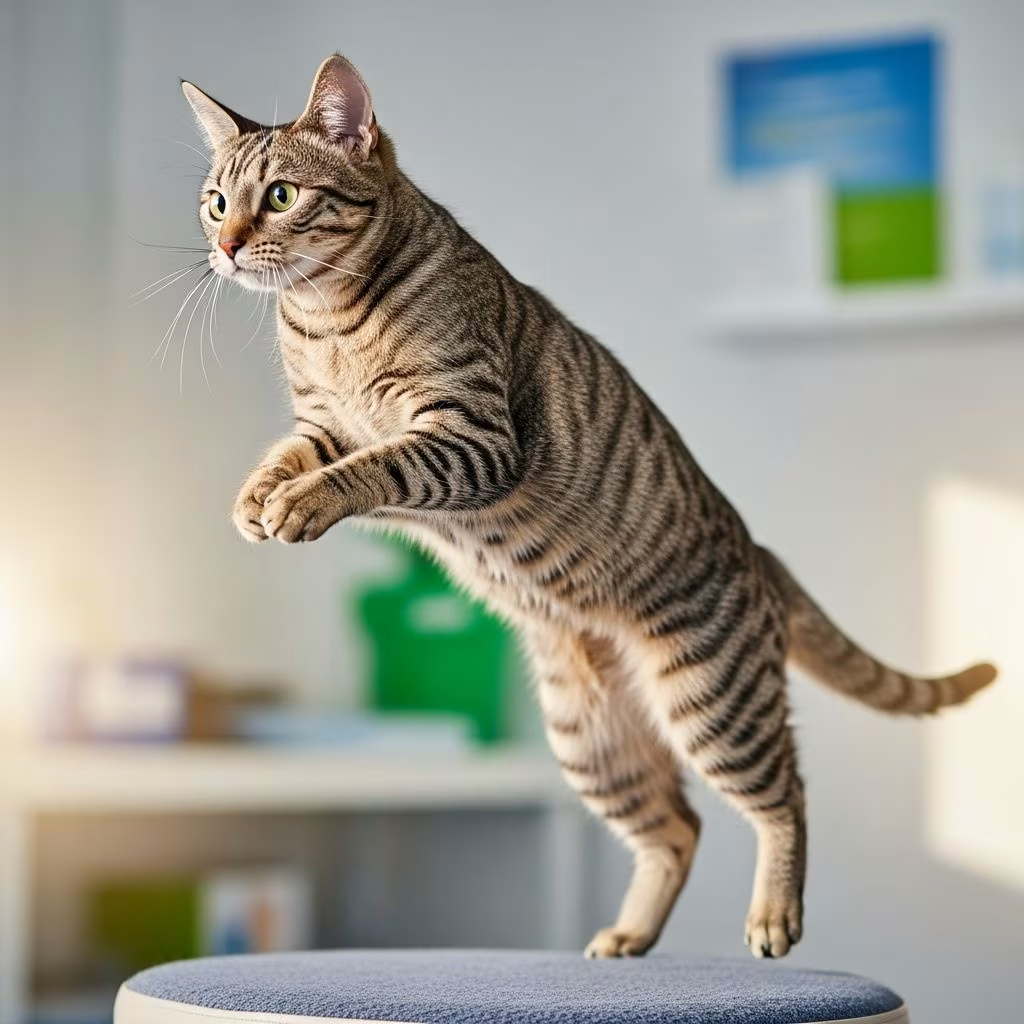
Keeping your cat at a healthy weight is fundamental to preventing diseases like diabetes, arthritis, and heart issues while promoting vitality and longevity. Obesity affects a significant number of household cats, often due to overfeeding, lack of activity, and post-neutering metabolic shifts. This guide explores assessment methods, nutritional strategies, exercise ideas, and ongoing monitoring to support your cat’s well-being.
Recognizing Ideal Feline Body Composition
The first step in weight management involves accurately evaluating your cat’s physical condition. Rather than relying solely on scale readings, experts recommend using the Body Condition Score (BCS), a standardized 9-point scale where 5 represents optimal leanness. On this scale, an ideal cat displays a visible waistline from above, a slight abdominal tuck when viewed from the side, and palpable ribs covered by a thin fat layer without protrusion.
To perform a BCS check at home:
- Run your hands along the ribcage; you should feel ribs easily with minimal fat padding.
- Observe from above: a gentle hourglass shape between chest and hips indicates good form.
- Check the abdomen: it should curve upward slightly rather than sag.
Veterinarians often refine this with tools like the Muscle Condition Score to detect hidden fat or muscle loss. Regular weigh-ins, ideally monthly, track subtle changes, as indoor cats averaging 9-11 pounds may require under 200 kcal daily for maintenance. Neutered cats, with 25-30% reduced energy needs post-surgery, demand vigilant oversight.
Nutritional Foundations for Weight Control
Diet forms the cornerstone of feline weight management. Cats, as obligate carnivores, thrive on high-protein regimens exceeding 45% metabolizable energy (ME) to preserve muscle during calorie cuts while enhancing fat metabolism and insulin sensitivity. Low-fat, low-carbohydrate formulas prevent excess energy storage as fat, unlike high-carb options that lower metabolic rates.
Prescription weight-loss foods feature:
- Reduced calorie density: Fewer kcal per volume, enabling larger portions for satisfaction.
- Elevated protein: Maintains lean mass amid restriction.
- Added fiber blends: Soluble and insoluble types promote fullness and digestion.
- Nutrient fortification: Concentrated vitamins/minerals offset lower intake volumes.
- Functional additives: L-carnitine aids fat burning, antioxidants bolster immunity.
Canned varieties often excel, delivering 165-190 kcal per 5.5-oz can with superior protein profiles and satiety over dry kibble. Transition gradually over 7-10 days to avoid gastrointestinal upset.
Calorie Calculation and Portion Strategies
Precise feeding trumps free-choice access, especially for multi-cat homes or grazers. Calculate Resting Energy Requirement (RER) as 30 x (ideal body weight in kg) + 70, then multiply by 0.8 for weight loss (aiming 1-2% body weight monthly to avert hepatic lipidosis). An average 10-lb cat targets 140-180 kcal/day[10].
| Cat Profile | Daily kcal Maintenance | Weight Loss Target |
|---|---|---|
| Indoor Neutered (9-11 lbs) | <200 kcal | 140-150 kcal |
| Active Outdoor | 35 kcal/lb | Adjust per BCS |
| Post-Neuter | Reduce 25-30% | Monitor closely |
Implement measured meals 2-4 times daily; smaller, frequent servings enhance satiety for some cats. Deduct treat calories (max 10% total) from mains, favoring low-cal options like fish bits. Food puzzles extend eating time, mimicking hunting to boost mental engagement and calorie burn.
Incorporating Activity to Burn Excess Energy
Sedentary lifestyles exacerbate weight gain, so integrate play mimicking predatory instincts. Aim for 10-15 minute sessions 3-4 times daily using wand toys, laser pointers, or balls to elevate heart rates and build muscle.
Effective enrichment tactics include:
- Hunter feeders dispensing kibble after ‘hunts’.
- Vertical spaces like shelves for climbing.
- Interactive apps or battery-free chasers.
For multi-cat dynamics, separate feeding/play to curb competition stress. Consistency across household members ensures adherence.
Potential Health Risks of Feline Overweight
Excess weight strains joints, leading to osteoarthritis, and heightens diabetes risk via insulin resistance. Hepatic lipidosis, a fatal liver condition, looms if rapid loss occurs without supervision. High-carb diets worsen glucose tolerance, while protein-rich ones mitigate this. Early intervention via vet exams detects issues like hypothyroidism, rare but impactful.
Customizing Plans with Professional Input
Consult vets for tailored prescriptions addressing co-conditions like urinary issues. Recheck weight every 4-12 weeks, adjusting as BCS improves. Post-loss, sustain with maintenance formulas preventing rebound.
Frequently Asked Questions
How fast should my cat lose weight?
Safe rate: 1-2% body weight monthly to minimize risks like liver disease.
Is wet food better for weight control?
Yes, often higher protein/lower carb, aiding satiety with portion control.
Can treats fit in a weight-loss plan?
Limit to 10% calories; use food from daily ration or low-cal alternatives.
What if my cat resists diet changes?
Gradual transitions, added toppers, or vet-prescribed palatants help.
How do I handle multiple cats, one overweight?
Scheduled separate meals, microchipping bowls for accuracy.
Long-Term Prevention Blueprint
Sustain health via routine BCS/weight logs, life-stage diets, and active lifestyles. Post-neuter calorie cuts and indoor enrichment prevent creep. Annual vet nutrition reviews adapt to aging metabolisms.
References
- Weight Control Food for Cats: Key Features and Feeding Tips — Hill’s Pet. Accessed 2026. https://www.hillspet.com/cat-care/healthcare/cat-weight-management
- Feline nutrition: Understanding how to feed cats for obesity prevention and weight management — dvm360. 2023-10-01. https://www.dvm360.com/view/feline-nutrition-understanding-how-feed-cats-obesity-prevention-and-weight-management-sponsored-ne-0
- Your Guide to Understanding Cat Weight, Diet, and Exams — Cat Clinic. Accessed 2026. https://www.catclinic.net/your-guide-to-understanding-cat-weight-diet-and-exams
- Creating a Weight Reduction Plan for Cats — VCA Animal Hospitals. Accessed 2026. https://vcahospitals.com/know-your-pet/creating-a-weight-reduction-plan-for-cats
- Cat Weight Loss Information | Start Healthy Weight Loss Today — Pet Obesity Prevention. Accessed 2026. https://www.petobesityprevention.org/weight-loss-cats
- Feeding Your Cat — Cornell University College of Veterinary Medicine. Accessed 2026. https://www.vet.cornell.edu/departments-centers-and-institutes/cornell-feline-health-center/health-information/feline-health-topics/feeding-your-cat



