

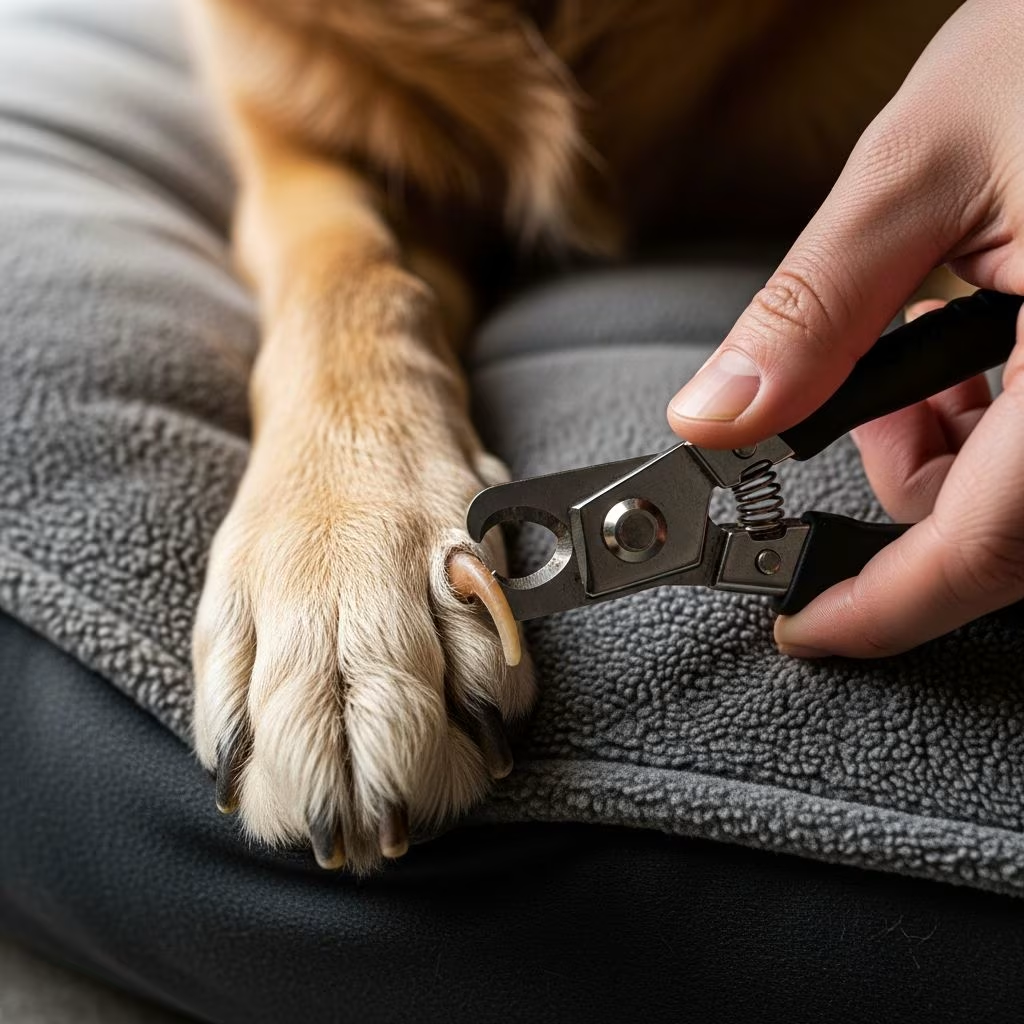
Dog nails play a crucial role in mobility, balance, and overall paw health. When they become unhealthy, it can lead to pain, infections, and movement issues. This guide explores how to detect problems early, perform proper maintenance, and address complications effectively.
Why Dog Nail Health Matters
Proper nail length supports a dog’s natural gait, preventing joint strain and injury. Overgrown or damaged nails force unnatural posture, potentially causing arthritis or tendon damage over time. Regular checks ensure nails stay functional and pain-free.
Nails consist of a hard outer shell, a softer inner layer, and the quick—a sensitive core with blood vessels and nerves. Cutting into the quick causes bleeding and pain, making routine care essential.
Common Indicators of Nail Troubles
Observe your dog’s paws during walks or play. Key warning signs include:
- Brittle or splitting nails: Frequent breaks or cracks during activity signal weakness.
- Abnormal textures: Soft, crumbly, or rough surfaces deviate from smooth norms.
- Discharge or odor: Pus, oiliness, or bleeding at the base suggests infection.
- Color shifts: Darkening, whitening, or uneven hues indicate issues.
- Growth irregularities: Curved, sideways, or rapid changes in shape or speed.
- Behavioral cues: Excessive licking, chewing, limping, or reluctance to walk.
These symptoms often stem from neglect, poor diet, or underlying conditions. Early detection prevents escalation.
Root Causes Behind Unhealthy Nails
Several factors contribute to nail deterioration:
| Cause | Description | Impact |
|---|---|---|
| Overgrowth | Nails not trimmed regularly, especially in inactive dogs. | Curling into pads, pain, infection risk. |
| Nutrition Deficits | Lack of balanced diet affects keratin production. | Brittle, slow-growing nails; improves with proper feeding. |
| Infections | Bacteria or fungi from dirt, moisture, or injuries. | Swelling, pus, foul smell. |
| Trauma | Snags on objects or rough play. | Splits, breaks, embedded growth. |
| Age or Breed | Older dogs or certain breeds prone to long quicks. | Harder to trim short safely. |
Rescue dogs may show temporary abnormalities from prior poor care, resolving in 1-2 months with good nutrition and trims.
Building a Nail Care Routine at Home
Consistency is key. Check nails bi-weekly by lifting paws and inspecting closely. Trim when you hear clicking on floors or see ground contact while standing.
Frequency Guidelines:
- Active dogs on pavement: Every 4-6 weeks.
- Inactive or soft-surface walkers: Every 2-3 weeks.
- Puppies: Weekly small trims to train quick recession.
Make paw handling daily: Gently massage feet during pets or meals to build tolerance.
Safe Trimming Techniques Step-by-Step
Gather tools: Sharp clippers sized for your dog, grinder for smooth edges, styptic powder for mishaps, treats for positivity.
- Position comfortably: Sit dog calmly; have a helper hold if needed.
- Expose nail: Press toe pad to extend it fully.
- Locate quick: Pink in light nails; trim conservatively on dark ones (1-2mm per cut).
- Cut at 45 degrees: Mimic natural curve, avoiding straight across.
- File edges: Smooth sharpness post-trim.
- Reward lavishly: Treats after each paw.
For anxious dogs, start with one nail per session, progressing gradually over days.
Quick! What to Do If You Cut Too Far
Apply styptic powder firmly; it clots blood fast. Comfort dog, restrict rough play 24-48 hours, monitor for swelling.
Advanced Home Treatments for Mild Issues
For minor brittleness, soak paws in warm Epsom salt water (10 minutes daily) to strengthen. Moisturize with pet-safe balm post-soak.
Overgrown quicks recede with persistent short trims every 1-2 weeks. Diet rich in biotin and omega-3s supports recovery.
Avoid human products; they irritate paws. If splits occur, clean with saline, bandage loosely, and limit activity.
When to Consult a Veterinarian
Seek professional care for:
- Painful paws, limping, or refusal to bear weight.
- Persistent discharge, odor, or swelling.
- Nails growing abnormally sideways or into flesh.
- Non-healing breaks or color changes lasting weeks.
- Multiple affected nails suggesting systemic issues.
Vets may sedate for trims, test for infections, or X-ray for embedded fragments. Conditions like onychomycosis (fungal) require meds.
Preventive Strategies for Lifelong Paw Wellness
Daily Habits:
- Wipe paws after walks to remove debris.
- Provide chew toys to redirect licking.
- Ensure balanced nutrition via AAFCO-approved food.
Professional Help: Use groomers for difficult cases. Train with positive reinforcement for stress-free sessions.
Breeds with dewclaws (e.g., many hounds) need extra attention to prevent snags.
FAQs on Dog Nail Care
What if my dog’s nails are black and I can’t see the quick?
Trim tiny amounts (1mm) frequently; the quick shortens over time with consistency.
Is grinding better than clipping?
Grinders suit anxious dogs or dark nails, filing gradually without sudden cuts.
Can diet alone fix brittle nails?
It helps but pair with trims; improvements take 4-8 weeks as new nail grows.
How do I trim a puppy’s nails?
Start young, tiny clips weekly, always rewarding to build positive association.
What breeds have nail issues?
Any, but brachycephalics or giants with less activity are prone to overgrowth.
Maintaining vigilant paw care enhances your dog’s quality of life, preventing small issues from becoming major concerns. Integrate checks into routines for proactive health.
References
- Nail Care 101: Keeping Your Dog Comfortable and Healthy — Wag ‘n Tails. 2024-11-07. https://wagntails.net/2024/11/07/nail-care-101-keeping-dog-comfortable-healthy/
- Recognizing and Treating Unhealthy Dog Nails — Whole Dog Journal. N/A. https://www.whole-dog-journal.com/care/recognizing-and-treating-unhealthy-dog-nails/
- Dog Nail Care: A Guide to Stress-Free Nail Trimming — Spark Paws. N/A. https://www.sparkpaws.com/blogs/community/dog-nail-care
- How To Trim Dog Nails — PetMD. N/A. https://www.petmd.com/dog/general-health/how-to-trim-dog-nails
- Dog Toenail Anatomy 101 — ToeGrips for Dogs. N/A. https://toegrips.com/dog-toenail-anatomy/
- How to Trim a Dog’s Nails — VCA Animal Hospitals. N/A. https://vcahospitals.com/know-your-pet/how-to-trim-a-dogs-nails



