

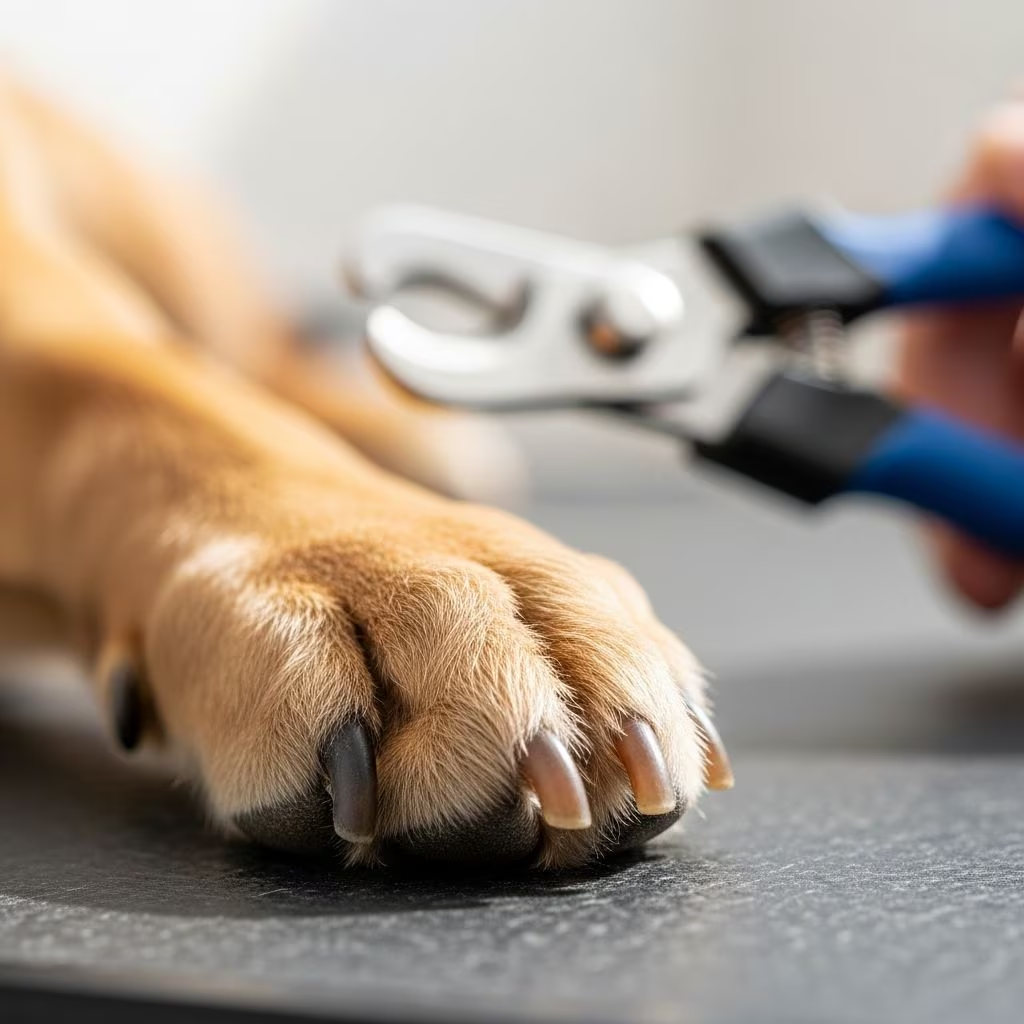
Proper nail maintenance is a cornerstone of canine wellness, directly impacting mobility, comfort, and overall foot condition. Overgrown or poorly managed nails can lead to pain, gait abnormalities, and increased injury risk, making routine care essential for every dog owner.
Why Nail Health Matters for Your Dog
Dogs rely on their paws for nearly every activity, from playful romps to essential navigation. Nails that extend beyond the toe pads alter weight distribution, forcing joints into unnatural positions and potentially causing long-term orthopedic issues. Active dogs on abrasive surfaces like concrete may naturally file their nails, but indoor pets or those on soft ground often require intervention to prevent overgrowth.
Neglecting this aspect of grooming invites complications such as embedded nails, infections, or chronic discomfort. Regular attention ensures nails remain short, promoting natural movement and reducing strain on tendons and ligaments.
Assessing When Trims Are Needed
Observe your dog’s walk: audible clicking on hard floors signals excessive length, as nails should not contact the ground when standing squarely. Visually inspect for curling tips or nails protruding past pads. Frequency varies by breed, activity, and surface exposure—typically every 3-6 weeks for most, though some need attention biweekly.
- Listen for nail taps on flooring during movement.
- Check if nails touch ground in a standing position.
- Monitor growth in less active or small breeds.
Essential Tools for Effective Trimming
Invest in quality equipment sized for your dog’s paw scale. Guillotine-style clippers suit smaller breeds, while scissor or plier types work for larger ones. Rotary grinders offer gradual filing, ideal for anxious pets or dark nails.
| Tool Type | Best For | Pros | Cons |
|---|---|---|---|
| Guillotine Clippers | Small to medium dogs | Quick cuts, affordable | May crush thick nails |
| Plier Clippers | Large breeds | Strong grip, precise | Requires more force |
| Nail Grinder | All sizes, fearful dogs | Smooth edges, no quick risk | Noisier, time-consuming |
Always have styptic powder or cornstarch ready to staunch accidental bleeding.
Building Positive Paw Handling Habits
Desensitization prevents resistance. From puppyhood, gently massage paws daily, rewarding calm behavior with treats. Gradually introduce tools by letting your dog sniff them, pairing with praise to create positive associations.
- Touch each toe and pad for 10-15 seconds multiple times weekly.
- Simulate clipping motions without cutting.
- Progress to brief sessions with actual tools over weeks.
Safe Trimming Techniques Step-by-Step
Position your dog comfortably, perhaps on a non-slip surface with a helper if needed. Extend the nail by pressing the toe pad.
For light nails, clip 2-3mm before the pink quick. Dark nails demand conservative snips of 1-2mm, checking for moisture indicating proximity. Angle cuts at 45 degrees for natural shape.
- Hold paw steadily but gently.
- Trim tips first, assessing after each cut.
- Don’t forget dewclaws on inner legs.
If the quick is long from neglect, consistent short trims will encourage recession over time.
Addressing Common Trimming Mishaps
Cutting the quick causes bleeding and pain—apply styptic firmly. Pause trimming, comfort your dog, and resume later if stressed. Limit activity on rough terrain until healed.
Spotting and Managing Nail Abnormalities
Beyond length, watch for irregularities signaling health concerns. Routine checks during trims reveal issues early.
- Brittle or splitting: Possible nutritional gaps or fungal issues.
- Discharge or pus: Infection requiring vet antibiotics.
- Color shifts or uneven growth: Systemic disease indicators.
- Excessive licking: Itch or pain from embedded nails.
Overgrown nails may curve into pads, fostering bacteria. Seek veterinary care for persistent changes.
Preventive Strategies for Lasting Paw Wellness
Integrate paw checks into daily routines. Promote exercise on varied surfaces for natural wear. Balanced diets with biotin support nail strength.
For resistant dogs, professional groomers provide sedation-free options, but home practice builds tolerance.
Frequently Asked Questions
How often should I trim my dog’s nails?
Every 3-8 weeks, depending on lifestyle; trim when clicking occurs on floors.
What if I cut the quick?
Apply styptic powder and monitor for infection; consult a vet if bleeding persists.
Can I use human nail clippers on dogs?
No—dog nails are thicker; use pet-specific tools to avoid splitting.
Why are my dog’s nails dark and hard to trim?
Dark nails hide the quick; grind or clip minimally, building length gradually.
Do all dogs have dewclaws?
Front legs yes; some breeds have rear ones needing separate trimming.
Long-Term Benefits of Consistent Care
Dedicated nail routines enhance joint health, prevent injuries, and boost confidence in handling. Dogs with well-maintained paws move fluidly, enjoying life without discomfort.
Expand your knowledge with these authoritative resources on canine podiatry and grooming fundamentals.
References
- How To Trim Dog Nails — PetMD. 2023-05-15. https://www.petmd.com/dog/general-health/how-to-trim-dog-nails
- Recognizing and Treating Unhealthy Dog Nails — Whole Dog Journal. 2024-02-20. https://www.whole-dog-journal.com/care/recognizing-and-treating-unhealthy-dog-nails/
- Dog Nail Care: A Guide to Stress-Free Nail Trimming — Spark Paws. 2024-08-10. https://www.sparkpaws.com/blogs/community/dog-nail-care
- Caring for Your Dog’s Nails — ASPCA Pet Health Insurance. 2023-11-05. https://www.aspcapetinsurance.com/resources/caring-for-dog-nails/
- Dog Toenail Anatomy 101 — ToeGrips for Dogs. 2024-01-12. https://toegrips.com/dog-toenail-anatomy/
- How to Trim a Dog’s Nails — VCA Animal Hospitals. 2023-09-18. https://vcahospitals.com/know-your-pet/how-to-trim-a-dogs-nails



