

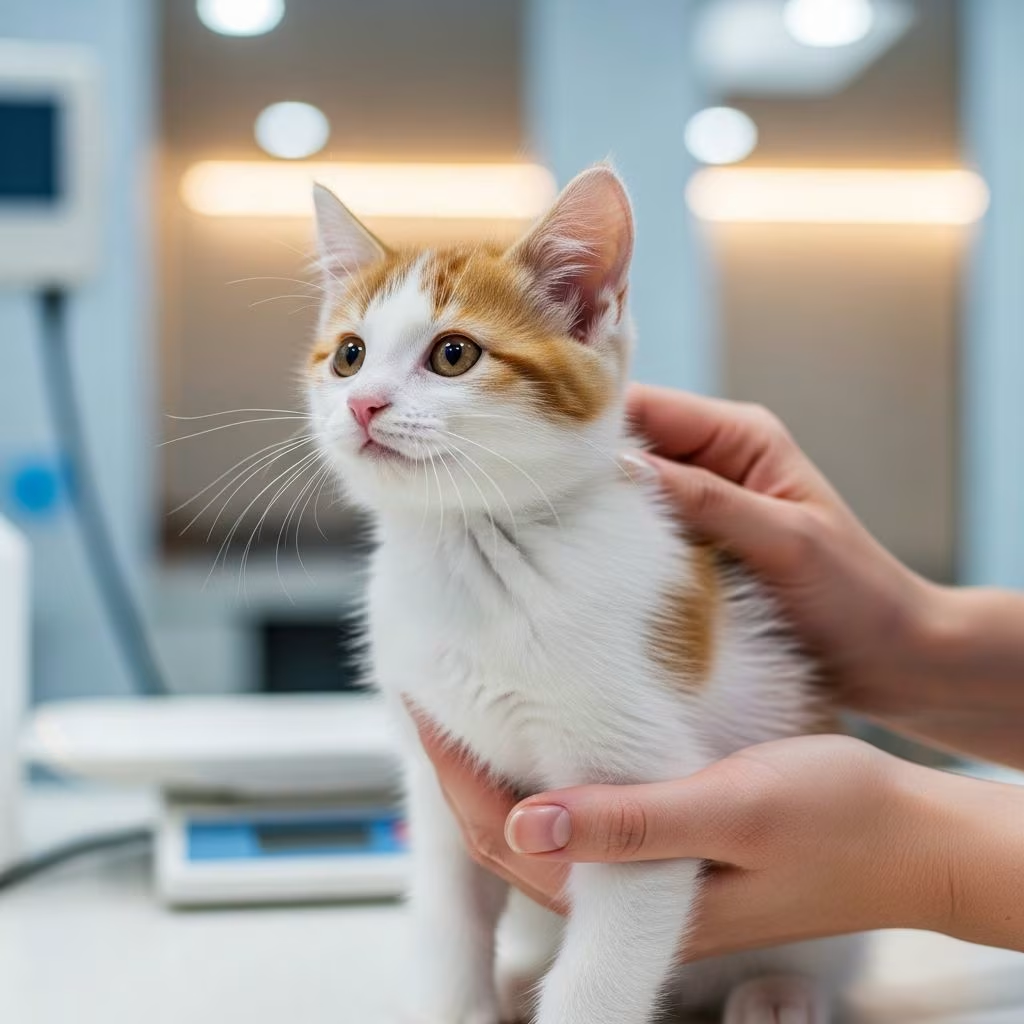
Keeping your kitten at a healthy weight is fundamental to their growth, energy levels, and long-term well-being. From birth through the first year, kittens experience rapid development that demands precise nutrition and monitoring to avoid underweight fragility or obesity risks.
Understanding Ideal Weight Ranges by Age
Kittens grow quickly, doubling or tripling their birth weight in the first few weeks. Tracking progress against standard charts helps ensure they’re thriving. Factors like breed, gender, and genetics influence these ranges, so consult your vet for personalized benchmarks.
| Age | Average Weight Range (grams) | Weekly Gain Expectation |
|---|---|---|
| Birth (Week 1) | 50-150 | 10-15g/day |
| Week 2 | 150-250 | 15-20g/day |
| Week 3 | 250-350 | 15-20g/day |
| Week 4 | 350-450 | 20-25g/day |
| Weeks 5-6 | 450-550 | 20-30g/day |
| Weeks 6-9 | 550-850 | ~100g/week |
| 4 Months | 1,500-2,000 | Steady muscle build |
| 6 Months | ~3,000 (6.5 lbs) | Slower gain |
These figures provide a general roadmap; larger breeds like Maine Coons start heavier, while smaller ones like Munchkins may lag at the lower end. By 10 weeks, expect high energy needs around 200 kcal per kg of body weight daily, dropping to 80 kcal/kg by 10 months.
Nutritional Foundations for Steady Growth
Kitten-specific formulas outperform adult foods due to elevated protein, fat, and calorie content tailored for rapid tissue development. High-digestible proteins fuel muscle and bone growth during peak phases.
- Weaning Phase (3-8 Weeks): Transition from mother’s milk or kitten milk replacer (KMR) to gruel—softened kibble or wet food mixed with warm water or broth. Start at 4-6 meals daily, reducing to 3 by week 6.
- Post-Weaning (2-4 Months): Introduce balanced dry and wet combos. Aim for 100g weekly gains with portioned high-protein kibble.
- 6+ Months: Maintain mix but reduce frequency to 2-3 meals as adult teeth emerge and metabolism shifts.
A hybrid approach—measured dry kibble available part-day with wet food meals—boosts hydration and controls intake. Always follow packaging guidelines, adjusted by vet input for your kitten’s profile.
Smart Feeding Schedules and Portion Control
Frequent, measured meals match small stomachs and high metabolisms. Avoid free-feeding to prevent overconsumption, especially in multi-pet homes.
- Birth-4 weeks: Nurse on demand or bottle-feed every 2-3 hours.
- 4-12 weeks: 4-6 small meals/day.
- 3-6 months: 3-4 meals/day.
- 6-12 months: 2-3 meals/day, transitioning toward adult patterns.
Weigh portions meticulously; an 8-week-old at 2 pounds needs ~162 calories daily. Use puzzle feeders for mental engagement and slower eating, mimicking natural hunting. Offer fresh water always, prioritizing it over extra food for begging behaviors.
Recognizing and Assessing Body Condition
Weight alone doesn’t tell the full story—body condition scoring (BCS) gauges fat coverage. Feel the ribs: they should be palpable without excess padding, with a visible waist and abdominal tuck.
- Underweight: Prominent ribs, spine, hips; lethargy, poor coat.
- Ideal: Ribs felt with slight fat layer; active, shiny fur.
- Overweight: Ribs hard to feel; no waist, round belly.
Weigh weekly early on, then biweekly. Sudden stalls or surges warrant vet checks for parasites, thyroid issues, or dietary shortfalls.
Physical Activity and Play for Weight Management
Exercise burns calories, builds muscle, and prevents boredom-eating. Kittens naturally play-hunt, so capitalize with 15-30 minute sessions 3-4 times daily.
- Interactive toys: Wand teasers, laser pointers for chasing.
- Climbing structures: Scratch posts, cat trees for vertical exploration.
- Obstacle courses: Boxes, tunnels to encourage agility.
Short, frequent bursts suit attention spans better than long sessions. Play doubles as bonding and stress relief, key for routine establishment.
Dodging Common Weight Gain Traps
Overfeeding tops the list, turning energetic kittens into obese adults prone to diabetes, joint strain, and shorter lifespans. Treats should cap at 10% of calories—use kibble bits or veggies like cucumber.
- Measure everything; eyeballing leads to 20-50% excess.
- Multi-cat homes: Feed separately to curb competition.
- Stress feeding: Quiet, consistent meal spots reduce anxiety eating.
Human scraps sabotage nutrition; stick to vet-approved options.
Role of Veterinary Guidance in Weight Optimization
Regular checkups track growth curves and tweak plans. Vets calculate precise caloric needs (e.g., 1-2% monthly loss goal if overweight, avoiding hepatic lipidosis). Baseline bloodwork rules out metabolic issues.
Household consistency ensures success—align family on portions and schedules.
Transitioning to Adult Maintenance
Around 10-12 months, switch to adult food gradually over 7-10 days to match slowing metabolism. Monitor for 80 kcal/kg needs; continue BCS checks quarterly.
Puzzle feeders and play persist as lifelong tools against sedentary gain.
Frequently Asked Questions
How often should I weigh my kitten?
Weekly until 4 months, then monthly. Plot on charts for trends.
Can I free-feed dry food?
Limited measured amounts yes, but scheduled meals prevent obesity better.
What if my kitten won’t eat wet food?
Mix with warm water or broth initially; persistence pays off for hydration benefits.
Is my kitten overweight at 6 months?
Over 3.5kg signals check—vet BCS confirms.
Best treats for weight control?
Low-cal options like freeze-dried meat or kibble portions, under 10% daily intake.
Long-Term Benefits of Early Weight Habits
Instilling balance now yields lean, agile adults with fewer health woes. Proactive monitoring fosters deeper pet-owner bonds through shared routines.
(Word count: 1687)
References
- Nutrition and Weight: Kittens – AAHA — American Animal Hospital Association. 2021. https://www.aaha.org/resources/2021-aaha-aafp-feline-life-stage-guidelines/nutrition-and-weight-kittens/
- Kitten weight chart in kg—your kitty should weigh THIS much — Untamed. Recent access 2026. https://untamed.com/blogs/nutrition/kitten-weight-chart-kg
- Cat Weight Loss Information | Start Healthy Weight Loss Today — Pet Obesity Prevention. Recent access 2026. https://www.petobesityprevention.org/weight-loss-cats
- The Can’t-Miss Guide to Optimal Kitten Nutrition — Hudson Animal Hospital. Recent access 2026. https://www.hudsonanimalhospitalnyc.com/services/cats/blog/cant-miss-guide-optimal-kitten-nutrition/
- Creating a Weight Reduction Plan for Cats — VCA Animal Hospitals. Recent access 2026. https://vcahospitals.com/know-your-pet/creating-a-weight-reduction-plan-for-cats



