

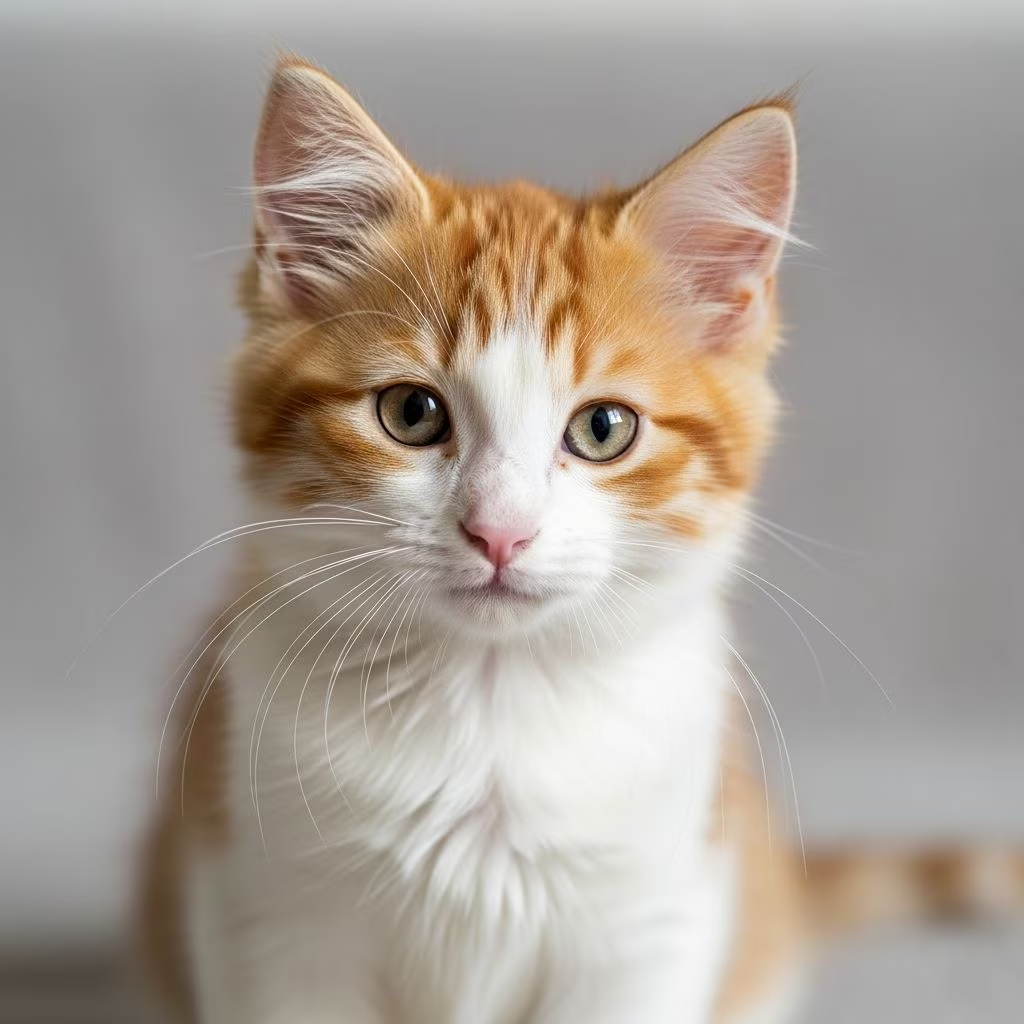
A kitten’s coat is more than just adorable—it’s a vital indicator of their overall wellness. Soft, glossy fur reflects good nutrition, hygiene, and comfort, while dullness or bald patches signal potential problems. This guide explores practical steps to foster vibrant fur from early kittenhood, drawing on grooming routines, dietary support, and health monitoring to ensure your pet thrives.
Understanding Kitten Coat Types
Kittens display diverse fur varieties, each demanding specific care approaches. Short-haired breeds like the Domestic Shorthair feature sleek, close-lying coats that shed minimally but still benefit from weekly maintenance. Medium-length furs, common in breeds such as the American Shorthair variants, require moderate attention to avoid loose hair buildup. Long-haired kittens, including Persians or Maine Coons, possess dense, flowing locks prone to tangling, necessitating daily intervention.
- Short-haired: Smooth texture; weekly brushing suffices to remove debris and oils.
- Medium-haired: Slightly thicker; bi-weekly sessions prevent minor knots.
- Long-haired: Luxurious but mat-prone; daily detangling essential in high-risk zones.
Recognizing your kitten’s coat type guides tool selection and frequency, promoting efficiency and comfort during sessions.
Essential Grooming Tools for Kittens
Equipping yourself with the right implements simplifies fur care and minimizes stress for your kitten. Opt for kitten-safe options with rounded tips to avoid skin scratches.
| Tool Type | Best For | Usage Tips |
|---|---|---|
| Slicker Brush | Removing loose fur and dirt | Gentle strokes on mid-to-long coats; weekly for shorts. |
| Bristle Brush | Smoothing and oil distribution | Finish short-haired sessions; adds shine. |
| Wide-Tooth Comb | Detangling mats | Start at ends, work toward skin on long fur. |
| Grooming Glove | Comfort petting-style removal | Ideal for shy kittens; silicone nubs capture shed hair. |
| Pin Brush | Thick, long coats | Prevents pulling in dense areas like belly. |
Introduce tools gradually, allowing sniffing to build positive associations. Store in a dedicated spot for easy access during routines.
Step-by-Step Brushing Routines
Brushing not only enhances appearance but stimulates skin circulation and reduces hairball risks by expelling dead strands. Tailor sessions to coat length for optimal results.
Short-Haired Kittens
Once weekly, use a grooming mitt for massage-like action against fur growth to lift debris, followed by a soft bristle brush along the grain. Focus on back, sides, and tail; sessions last 5 minutes.
Medium and Long-Haired Kittens
Daily for longs, twice weekly for mediums. Employ conditioning spray on dense breeds to ease passage. Prioritize behind ears, under chin, paws, and legs—mat hotspots. Divide fur into sections, combing from tips inward while holding base to prevent pulls.
Always end with praise and treats. Consistent handling fosters trust, turning grooming into bonding time.
Nutrition’s Role in Fur Vitality
Diet forms the foundation of a lustrous coat. Proteins supply amino acids for keratin production, while omega-3 and omega-6 fatty acids combat dryness and inflammation. High-quality kitten formulas with fish oils or flaxseed promote hydration and sheen.
- Ensure 30-40% protein from animal sources.
- Incorporate moist foods for skin moisture.
- Supplements only under vet guidance to avoid imbalances.
Fresh water via fountains encourages intake, maintaining supple skin beneath the fur. Stable home humidity via humidifiers curbs environmental dryness.
Bathing Basics for Kittens
Baths are occasional—reserve for greasy, soiled, or flea-infested coats. Over-bathing strips protective oils, causing dryness.
- Prepare lukewarm water, non-slip mat, and kitten shampoo.
- Wet thoroughly, avoiding head; lather gently, rinse until clear.
- Towel pat-dry starting from belly; air-dry or low-heat dryer at distance, skipping face.
For face, use damp cloth. Conditioners aid detangling post-bath on longs.
Spotting and Addressing Coat Problems
Monitor for changes: excessive shedding signals seasonal shifts or allergies; dandruff indicates poor hydration or diet; bald spots or itching suggest parasites, fungi, or nutrition gaps.
- Mats: Comb gently; severe cases need pro groomers.
- Dandruff: Brush often, boost omegas, humidify air.
- Shedding Surges: Daily brush during spring/fall.
Hairless kittens need oil-wipe downs instead of brushing. Sudden issues warrant vet visits promptly.
Seasonal and Lifestyle Adjustments
Adapt care to life stages. Overweight or elderly kittens groom less effectively, requiring assisted sessions. Pain or illness reduces self-maintenance, so step in gently.
Seasonally, ramp up brushing during molts. Trim fur around sanitary areas with blunt scissors for hygiene, preventing urine clumping.
FAQs
How often should I brush my kitten?
Weekly for short coats, daily for long ones to prevent mats and hairballs.
Can I use human shampoo on kittens?
No—pH differs, risking irritation. Choose cat-specific formulas.
What if my kitten hates grooming?
Start slow with gloves for pet-like feel; use treats for positivity.
Does wet food help coat health?
Yes, boosts hydration for elastic skin and reduced flaking.
When to see a vet for fur issues?
For persistent itching, baldness, or dandruff despite home care.
References
- The Basics of Kitten Grooming — Royal Canin. Accessed 2026. https://www.royalcanin.com/ae/cats/kitten/the-basics-of-kitten-grooming
- The Ultimate Guide to Cat Grooming: Tips for a Healthy Coat — Elspet. Accessed 2026. https://www.elspet.com/blogs/all/ultimate-guide-cat-grooming-tips
- Maintaining a Healthy Kitten Coat — Hill’s Pet Nutrition. Accessed 2026. https://www.hillspet.com/cat-care/routine-care/maintaining-healthy-kitten-coat
- Cat Coat Care 101 — AKC Pet Insurance. Accessed 2026. https://www.akcpetinsurance.com/blog/cat-coat-care-grooming
- Tools for Your Kitten’s Beauty Parlor — Cat Fanciers’ Association. Accessed 2026. https://cfa.org/cat-talk/tools-for-your-kittens-beauty-parlor/



