
Healthy Foods Your Bird Should Stop Eating Today
Discover which 'healthy' foods are secretly harmful to your pet bird's health and nutrition.
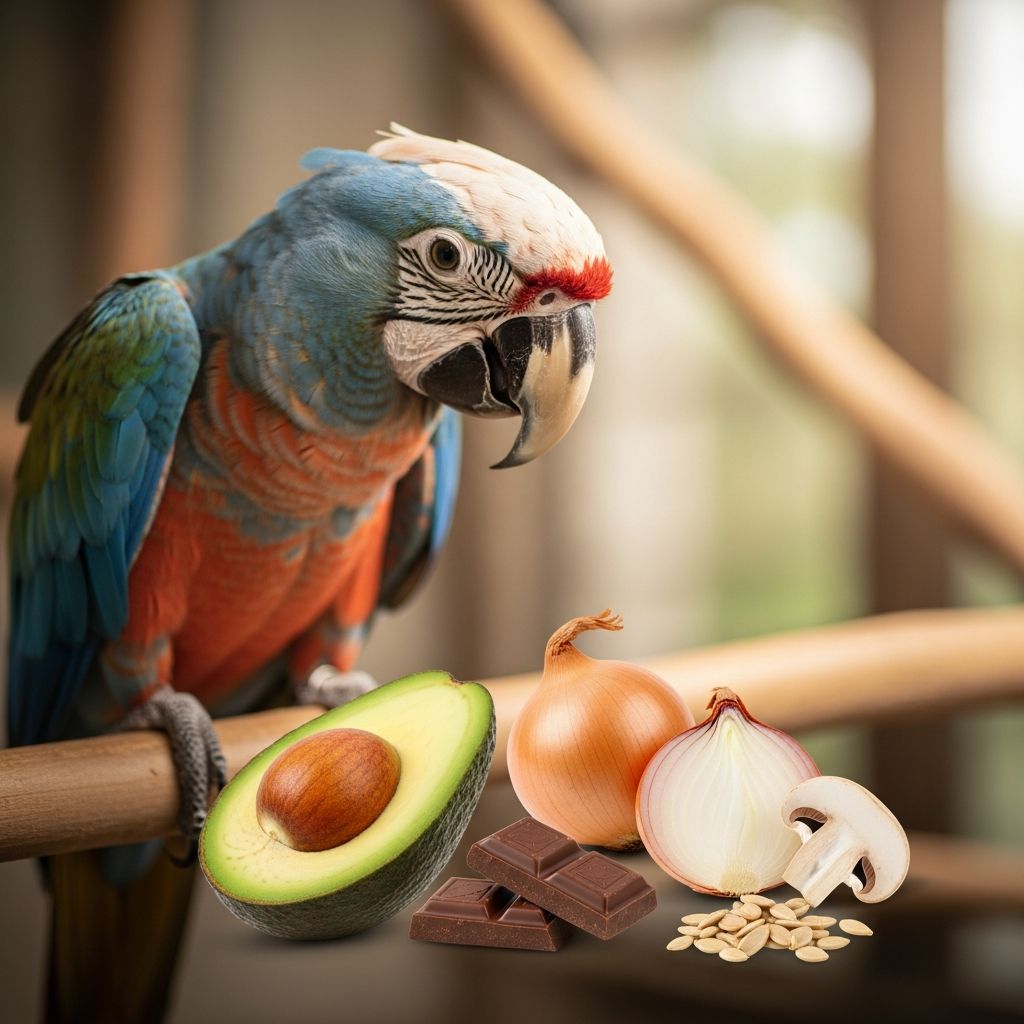
Understanding Your Bird’s Nutritional Needs
Pet birds require carefully balanced diets tailored to their specific species and size. Unlike humans, birds have significantly different metabolic rates and caloric requirements. Their bodies are measured in grams, which means that foods appropriate for human consumption can represent dangerously high quantities of sugar, salt, or fat for our feathered companions. Many well-intentioned bird owners unknowingly offer foods they believe to be healthy, not realizing these items can cause serious health complications, obesity, malnutrition, and even organ damage over time.
The challenge for bird owners is distinguishing between genuinely nutritious options and foods marketed as healthy that may actually harm their pets. This article explores several seemingly wholesome foods that birds should avoid, along with better alternatives to support optimal avian health.
Sugary Cereal: A Breakfast Trap
Breakfast cereals present a common pitfall for bird owners. Many of us enjoy starting our day with a bowl of cereal, and when our birds show interest in the crunching sounds and colorful pieces, it seems harmless to share a bite. However, most commercial cereals designed for human consumption contain extraordinarily high sugar content relative to a bird’s body composition.
A single piece of frosted cereal may not seem significant to us, but when considered as a percentage of a small bird’s total daily caloric and nutritional intake, it represents far too much refined sugar. Regular consumption of sugary cereals can lead to obesity, diabetes, liver disease, and nutritional deficiencies. Birds fed these cereals may experience energy crashes, behavioral problems, and reduced lifespan.
Better alternatives: Offer your bird unsweetened whole grain cereals in moderation, or better yet, provide fresh vegetables, legumes, and specially formulated pellets designed for avian nutrition.
Microwave Popcorn: Hidden Hazards Beyond the Crunch
While regular popcorn can be a relatively low-calorie treat, microwave popcorn presents significant concerns for bird health that extend beyond simple nutrition. Research has revealed that microwave popcorn generates ultra-fine particles during the heating process, with studies showing that a three-minute microwave session can produce particle emissions 560 times greater than microwaving water alone.
These ultra-fine particles, primarily composed of diacetyl and other chemical compounds used in artificial butter flavoring, can be inhaled by your bird and may accumulate in their respiratory system. Birds possess unique respiratory structures, including air sacs that extend throughout their bodies, making them particularly susceptible to airborne pollutants and particles. Additionally, microwave popcorn typically contains excessive salt and artificial flavorings inappropriate for avian diets.
The buttery coating, the salt content, and the potential chemical inhalation hazards make microwave popcorn unsuitable for pet birds despite its lower caloric profile compared to other snacks.
Better alternatives: If you want to offer your bird popcorn, pop kernels in an air popper or stovetop method without added butter, salt, or seasonings. Even better options include whole grains, seeds prepared without processing, and fresh fruits.
Granola: Misleading Marketing and Hidden Sugars
Granola occupies a unique position in the human health food landscape—often considered nutritious by consumers despite frequently containing substantial quantities of added sugars, honey, and oils. This marketing paradox creates confusion for pet owners who may assume granola’s reputation as a healthy human snack extends to their birds.
Most commercial granolas combine oats, nuts, and dried fruits with sweeteners like sugar, honey, or maple syrup, along with oils for binding and flavor enhancement. While the base ingredients contain nutritional value, the processing and additives transform granola into a high-calorie, high-sugar product unsuitable for birds. A small portion of granola can quickly exceed a bird’s recommended daily sugar intake.
Furthermore, granola often contains additives, preservatives, and artificial flavors that provide no nutritional benefit to birds and may cause digestive or behavioral issues.
Better alternatives: Offer your bird the individual components of granola in their raw or minimally processed forms—unsweetened oats, plain nuts (appropriately sized for your bird species), and fresh fruits without added sugars.
Dried Fruits: Concentrated Sugars and Preservatives
Dried fruits represent another category of foods marketed as healthy that require careful reconsideration for avian diets. While fresh fruits are indeed packed with vitamins, minerals, and fiber, the drying process concentrates sugars dramatically. A handful of fresh grapes contains far less sugar than the equivalent weight of raisins, for example.
Beyond the sugar concentration issue, dried fruits typically contain sulfur dioxide, a preservative used to extend shelf life and maintain color. This additive is particularly common in raisins, dried apricots, and prunes. Manufacturers sometimes add additional sugars to dried fruits, especially tart varieties like cranberries, creating products containing double or triple the sugar content of the original fresh fruit.
Repeated consumption of dried fruits can lead to:
- Obesity and metabolic dysfunction
- Diabetes and pancreatic stress
- Dental problems and crop impaction
- Nutritional imbalances from excessive sugar calories
- Liver and kidney strain from processing excess sugars and additives
Better alternatives: Provide your bird with fresh fruits appropriate to their species. Offer berries, pieces of apple (with seeds removed), melon, and other fresh produce in appropriate portion sizes—typically no more than 10-15% of daily diet.
“Wheat” Bread: Understanding Deceptive Labeling
Bread selection for birds requires careful attention to labeling practices. Many manufacturers employ marketing strategies that mislead consumers about whole grain content. A package labeled simply as “wheat” bread may contain primarily refined white flour with only token amounts of whole wheat flour added for color and marketing appeal.
The word “wheat” on a label does not guarantee nutritional value—it may merely indicate that some wheat is present without specifying what percentage or what part of the wheat grain was used. This distinction matters significantly because refined wheat flour lacks the bran and germ layers containing most fiber, vitamins, and minerals.
For birds, refined bread offers mostly empty calories and carbohydrates with minimal nutritional benefit. Additionally, commercial breads often contain added sugars, salt, preservatives, and sometimes artificial ingredients inappropriate for avian consumption.
What to look for: When selecting bread for your bird, search for packaging that explicitly states “100-percent whole wheat” with a minimum of 2 grams of fiber per serving. Offer bread in moderation—a small piece of unbuttered, toasted 100-percent whole wheat bread can be an occasional treat, but should never constitute a significant portion of your bird’s diet.
Better alternatives: Instead of bread, offer your bird sprouted seeds, cooked legumes, fresh vegetables, and commercial pellets formulated specifically for avian nutrition.
Additional Foods to Reconsider
Beyond these primary examples, several other foods commonly offered to birds deserve attention:
High-fat seeds: While birds enjoy sunflower seeds and other oil-rich seeds, these foods are equivalent to avian fast food—extraordinarily high in fat and calories. Excessive consumption leads to obesity, fatty liver disease, and reduced lifespan.
Salted snacks: Any food with added salt exceeds birds’ sodium requirements and can cause kidney and liver damage with regular consumption.
Processed “bird treats”: Many commercial bird treats contain excessive sugars, artificial colors, and preservatives despite marketing claims of nutritional value.
Creating a Balanced Avian Diet
The foundation of proper bird nutrition should include:
- High-quality commercial pellets formulated for your bird species
- Fresh vegetables including leafy greens, carrots, peppers, and squash
- Fresh fruits in appropriate portions
- Nuts and seeds in moderation and appropriate sizes
- Cooked legumes and grains prepared without salt or sugar
- Fresh, clean water available constantly
Treats should constitute no more than 10-15% of your bird’s total daily intake, with the majority of nutrition coming from formulated pellets and fresh produce.
Frequently Asked Questions
Q: Can my bird ever have cereal or bread?
A: Yes, in moderation. Unsweetened whole grain cereals and 100-percent whole wheat bread can be offered occasionally as treats, but should never replace proper pelleted diet and fresh produce.
Q: What should I do if my bird accidentally eats something harmful?
A: Monitor your bird closely for signs of distress including lethargy, vomiting, difficulty breathing, or behavioral changes. Contact an avian veterinarian immediately if any symptoms develop. Having eaten a small amount of an inappropriate food once typically causes no harm, but regular consumption is problematic.
Q: Are there any “healthy” human foods completely safe for birds?
A: Yes, fresh vegetables like kale, spinach, carrots, and peppers are excellent for birds. Fresh berries, melons, and apples (without seeds) are also nutritious. The key is offering these foods unseasoned and in appropriate portions.
Q: How can I tell if my bird is overweight from poor diet?
A: An overweight bird may appear rounded, have difficulty perching or flying, breathe heavily during minimal activity, or show reduced feather quality. Consult an avian veterinarian for proper assessment and dietary recommendations.
Q: What percentage of my bird’s diet should be pellets versus fresh food?
A: Most avian veterinarians recommend 60-70% formulated pellets with the remaining 30-40% consisting of fresh vegetables, fruits, and occasional healthy treats.
Conclusion: Making Informed Dietary Choices
Proper nutrition is fundamental to your bird’s health, longevity, and quality of life. While it’s tempting to share foods we enjoy with our feathered companions, especially when those foods are marketed as healthy, critical thinking about ingredient lists and nutritional content is essential. Understanding that foods appropriate for human consumption may be unsuitable for birds—due to differences in metabolism, body composition, and nutritional requirements—enables better decision-making.
The foods discussed in this article exemplify how marketing and human nutritional guidelines can mislead pet owners into offering inappropriate foods. By recognizing these pitfalls and replacing them with genuinely nutritious alternatives, you can support your bird’s optimal health, prevent obesity-related diseases, and potentially extend your feathered friend’s lifespan by years.
References
- Unsafe Foods For Birds — LaFeber Vet. 2019. https://lafeber.com/vet/wp-content/uploads/2019/10/Unsafe-Foods-Oct-2019.pdf
- The Best Parrot Diet (and Toxic Foods to Avoid) — Best Friends Animal Society. https://bestfriends.org/pet-care-resources/best-parrot-diet-and-toxic-foods-avoid
- Toxic Foods for Birds — PetMD. https://www.petmd.com/bird/foods-are-toxic-birds
- Toxic Foods — NW Parrot Rescue. https://nwparrotrescue.org/important-documents/toxic-foods
- Healthy Foods Your Bird Should Stop Eating Today — LaFeber Pet Birds. https://lafeber.com/pet-birds/healthy-foods-your-bird-should-stop-eating-today/
Similar Articles








Read full bio of medha deb


