

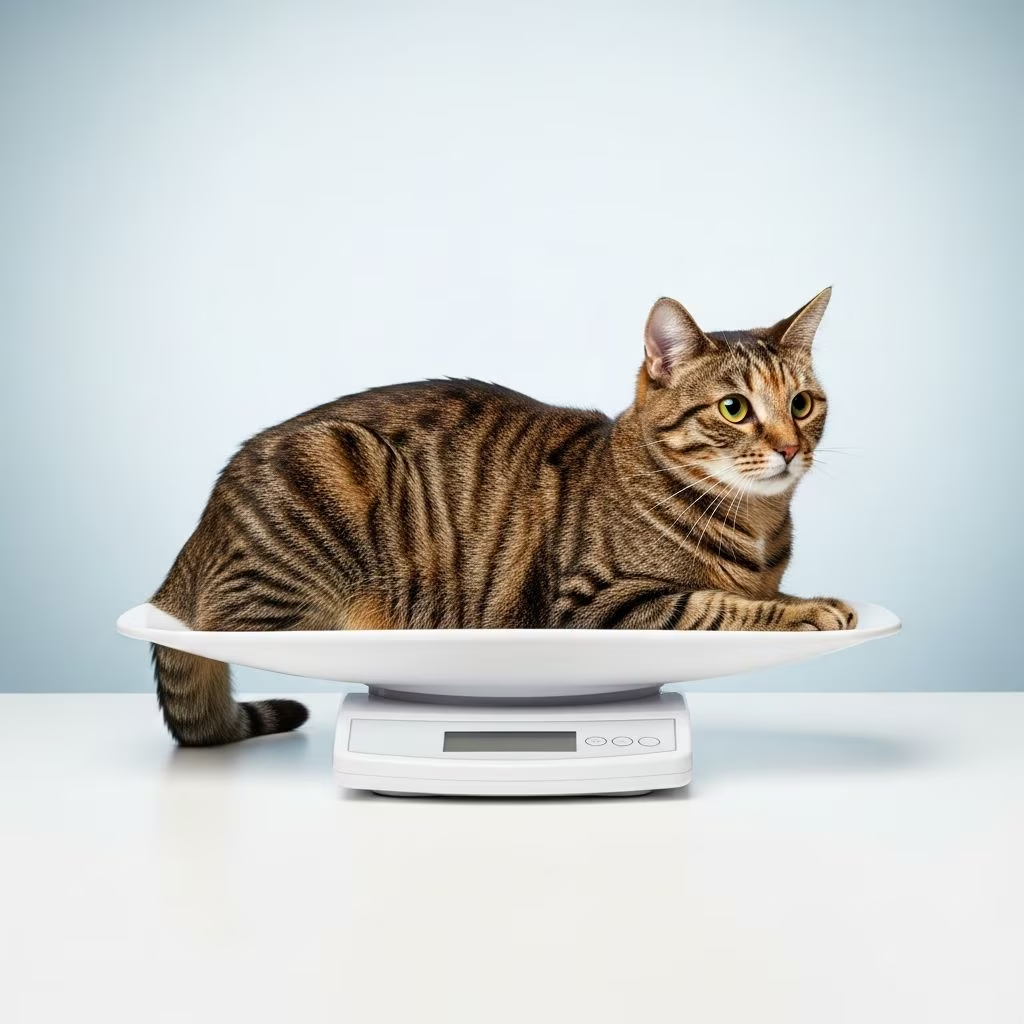
Understanding the right weight for your cat is essential for preventing health issues like diabetes, arthritis, and heart disease. While many domestic cats maintain a healthy range of 8 to 12 pounds, individual factors such as breed, age, sex, and lifestyle play crucial roles in determining what constitutes an optimal weight. This guide breaks down these elements, offers assessment tools used by veterinarians, and provides practical advice for weight management.
Defining Optimal Feline Body Mass
A healthy adult cat typically weighs between 8 and 12 pounds, with an average around 10 pounds for most domestic shorthairs. However, this is not a universal standard. Smaller breeds may thrive at 6 to 8 pounds, while larger ones can exceed 20 pounds without being overweight. The key is not just the number on the scale but the cat’s overall body composition, including muscle mass and fat distribution.
Veterinarians emphasize that weight alone doesn’t tell the full story. A muscular Maine Coon at 18 pounds might be perfectly fit, whereas a sedentary Siamese at the same weight could be obese. Regular weigh-ins at home, combined with professional evaluations, help track changes over time.
Influences on Cat Weight Variations
Several variables determine a cat’s ideal weight, making personalized assessment vital.
Breed-Specific Ranges
Different breeds have genetically predisposed sizes. Large breeds like Maine Coons often weigh 12 to 20 pounds for males and 10 to 14 for females, reflecting their robust frames. In contrast, slender breeds such as Abyssinians stay lighter at 6 to 10 pounds.
| Breed | Male Weight (lbs) | Female Weight (lbs) |
|---|---|---|
| Maine Coon | 12-20+ | 10-14 |
| Persian | 9-14 | 7-11 |
| Siamese | 8-12 | 5-8 |
| Abyssinian | 7-10 | 6-8 |
| Bengal | 9-15 | 6-12 |
| Domestic Shorthair | 8-12 | 8-12 |
This table summarizes typical ranges based on veterinary data. Note that individual cats within breeds can vary.
Age and Developmental Stages
Kittens grow rapidly, reaching about half their adult weight by four months and full size by one year. Adult weights peak around 8 years for domestic cats, with neutered individuals often heavier due to metabolic changes. Senior cats may lose muscle mass, requiring adjusted expectations.
Sex and Sterilization Effects
Males generally weigh more than females across breeds. Spaying or neutering can increase weight by 20-30% due to reduced activity and hormonal shifts, making post-procedure monitoring essential.
Lifestyle and Neutering Status
Indoor cats tend to gain weight from lower activity levels compared to outdoor explorers. Neutered cats face higher obesity risks, as studies show weight increases post-surgery.
Assessing Your Cat’s Body Condition
Vets use a 9-point Body Condition Score (BCS) to evaluate health beyond scales. Scores of 4-5 indicate ideal condition: ribs palpable without excess fat, visible waist tuck from above and side profile.
- 1-3 (Underweight): Prominent bones, no fat covers, poor health.
- 4-5 (Ideal): Ribs felt easily, waist and abdominal tuck visible.
- 6-9 (Overweight/Obese): Hard to feel ribs, no waist definition, fat accumulation.
To check at home: Run hands over ribs—if they feel like the knuckles of a closed fist under a thin layer of fat, your cat is likely ideal. From above, an hourglass shape should appear; from the side, a rounded abdomen sloping upward.
Risks of Weight Imbalances
Overweight cats, comprising 60% in the US, face shortened lifespans and conditions like joint issues and diabetes. A cat 10-19% over ideal is overweight; 20%+ is obese—for example, 13 pounds when 10 is ideal. Underweight cats risk organ failure and weakened immunity. Maintaining balance extends life and vitality.
Strategies for Weight Maintenance
Achieving and sustaining healthy weight involves diet, exercise, and monitoring.
Dietary Adjustments
Feed measured portions of high-quality, calorie-controlled food. Obese cats may need prescription diets; gradual reductions prevent hepatic lipidosis. One excess pound equals 14-15 pounds on a human, underscoring portion control.
Exercise and Enrichment
Encourage play with toys, laser pointers, or climbing trees to burn calories. Aim for 15-20 minutes daily. Puzzle feeders promote mental stimulation and slower eating.
Regular Vet Checkups
Annual exams with BCS scoring guide adjustments. Vets can set target weights and monitor progress.
Common Scenarios and Solutions
Is 15 pounds too heavy? Often yes for average frames, but check BCS—consult a vet.
12 pounds for a domestic cat? Borderline; depends on frame, but often overweight without muscle.
Frequently Asked Questions
What is the average weight for a healthy cat?
Typically 8-12 pounds, averaging 10 pounds for adults.
How can I tell if my cat is overweight?
Ribs hard to feel, no waist tuck, excess belly fat—use BCS 6+.
Does breed affect ideal weight?
Yes, large breeds like Maine Coons reach 20 pounds healthily.
Why do neutered cats gain weight?
Hormonal changes slow metabolism; increase activity to counter.
At what age do cats reach adult weight?
Around 1 year, peaking at 8 years.
Long-Term Health Benefits
Cats at healthy weights live longer, move better, and suffer fewer chronic diseases. Owners investing in monitoring and lifestyle tweaks report happier, more playful pets. Track monthly, adjust as needed, and partner with your vet for tailored plans.
References
- Average Cat Weight: What’s Healthy and How To Tell — PetMD. 2023. https://www.petmd.com/cat/general-health/average-weight-cats
- How Heavy Should My Cat Be – A Guide for Cat Owners — Sirius Vets. 2024. https://siriusvets.com/how-heavy-should-my-cat-be/
- Average Cat Weight: How Heavy Should Your Cat Be? — Rover.com. 2023. https://www.rover.com/blog/how-heavy-should-my-cat-be/
- Finding a Healthy Weight for Your Cat — Stella & Chewy’s. 2024. https://www.stellaandchewys.com/blogs/articles/managing-your-cats-weight
- How Heavy Should My Cat Be? Healthy Cat Weight — Whisker. 2023. https://www.whisker.com/blog/average-cat-weight-vs-healthy-cat-weight
- How Heavy Should My Cat Be? — MetLife Pet Insurance. 2024. https://www.metlifepetinsurance.com/blog/pet-care/how-heavy-should-my-cat-be/



