

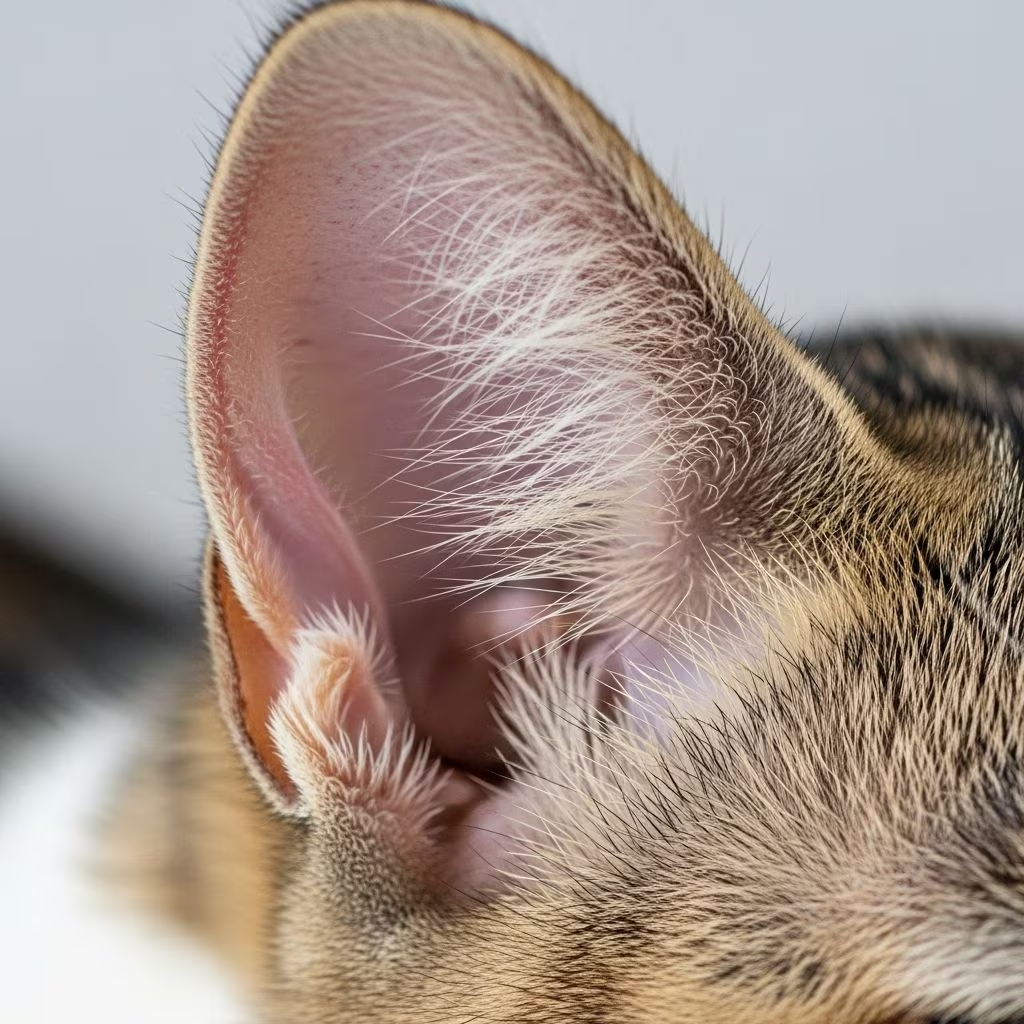
Healthy cat ears are vital for your feline’s overall well-being, enabling sharp hearing, balance, and communication. Understanding what constitutes normal ear appearance and function empowers cat owners to detect issues early, preventing discomfort and serious conditions like infections or mites. This guide covers identifying healthy ears, safe cleaning practices, common problems, and prevention strategies, drawing from veterinary expertise to keep your cat’s ears in top condition.
What Do Healthy Cat Ears Look Like?
Healthy cat ears exhibit distinct characteristics that owners should recognize during routine checks. They are pale pink in color, clean, with minimal wax buildup, and free from odor or discharge. The ear canal should appear smooth without redness, swelling, or excessive debris. No scratching, head shaking, or sensitivity when touched indicates normal health.
- Pale pink inner ear: Indicates good circulation and absence of inflammation.
- Minimal wax: A light dusting is normal; heavy buildup signals potential issues.
- No odor: Foul smells suggest bacterial or yeast overgrowth.
- Clean and dry: Absence of moist discharge or crusting.
Regular inspection reveals these traits. Gently lift the ear flap weekly to peer inside using good lighting. Cats with light-colored ears may show subtle changes more easily, but vigilance applies to all breeds.
Why Are Cat Ears Important?
Cat ears serve multiple critical functions beyond hearing. They facilitate balance via the inner ear’s vestibular system, aid in body temperature regulation through extensive blood vessels, and act as communication tools with expressive movements. The L-shaped ear canal traps debris efficiently but can harbor infections if uncleaned. Maintaining ear health prevents pain, hearing loss, and behavioral changes like irritability or hiding.
Ear disorders affect quality of life significantly. Infections cause intense itching, leading to self-trauma and secondary issues. Polyps or mites disrupt balance, causing head tilting. Proactive care preserves these functions, ensuring your cat remains alert and playful.
Signs of Unhealthy Cat Ears
Unhealthy ears deviate noticeably from the healthy baseline. Watch for these red flags:
- Redness or swelling: Suggests inflammation from infection or allergy.
- Discharge: Black, brown, yellow, or bloody indicates mites, bacteria, or yeast.
- Foul odor: Common in bacterial or yeast infections.
- Head shaking or scratching: Signals irritation or pain.
- Ear mites: Tiny dark spots like coffee grounds in the canal.
- Hearing loss or balance issues: Head tilting, circling, or deafness.
These symptoms warrant immediate veterinary attention. Cats mask pain, so subtle changes like reduced grooming or appetite loss accompany ear problems.
How To Clean Your Cat’s Ears at Home: Step-by-Step Guide
Ear cleaning suits cats prone to wax buildup or infections but isn’t routine for all. Consult your vet first, especially if inflammation exists. Use vet-recommended cleaners like Epi-Optic or gentle antimicrobial solutions. Never use Q-tips, alcohol, or hydrogen peroxide, as they damage the canal or eardrum.
Supplies needed:
- Vet-approved ear cleaner
- Cotton balls or gauze squares
- Towel for wrapping
- Treats for positive reinforcement
Step-by-step process:
- Prepare your cat: Choose a quiet area. Wrap in a towel (burrito-style) leaving head exposed. Spray towel with Feliway for calm if needed. Have a helper hold if fidgety.
- Inspect first: Check for mites (red/brown spots), discharge, odor, or sores. Stop and call vet if present.
- Straighten ear: Grasp ear tip, pull upward and back gently to open canal.
- Apply cleaner: Fill canal with solution (several drops). Avoid bottle tip contact; wipe with alcohol if touched.
- Massage base: Gently rub ear base 30 seconds to loosen debris. Expect head shaking—it’s normal.
- Wipe exterior: Use cotton ball to clean visible canal and pinna. Never probe deep.
- Reward and repeat: Praise, treat. Do other ear. Frequency: Weekly or per vet advice.
If medicating post-clean, wait 10-15 minutes as cleaners may inactivate drops. Stop if cat shows pain; seek professional help.
Common Cat Ear Problems and Infections
Ear issues stem from mites, bacteria, yeast, allergies, or polyps. Healthy cats rarely suffer; recurrent cases signal underlying allergies or immune issues.
| Problem | Symptoms | Treatment |
|---|---|---|
| Ear Mites | Coffee-ground discharge, itching | Antiparasitic drops like selamectin |
| Bacterial Infection | Yellow discharge, odor, redness | Topical antibiotics |
| Yeast Infection | Brown discharge, greasy feel | Antifungal meds |
| Allergies | Chronic inflammation, scratching | Allergy testing, hypoallergenic diet |
| Polyps | Head tilt, discharge | Surgical removal |
Vets diagnose via otoscope for eardrum integrity and cytology for pathogens. Self-treatment risks worsening, like ruptured drums causing hearing loss.
Preventing Ear Infections in Cats
Prevention outperforms cure. Key strategies:
- Weekly checks: Monitor for early changes.
- Indoor living: Reduces mites/parasite exposure.
- Parasite control: Monthly preventives for outdoor cats.
- Gentle routine cleaning: For prone cats, using antimicrobial drops.
- Allergy management: Hypoallergenic food, flea control.
- Clean environment: Vacuum to minimize dust mites.
Avoid sunlight excess on light-eared cats to prevent solar dermatitis.
When to See a Vet for Cat Ear Issues
Seek vet care for any unhealthy signs, pain, or failed home care. Recurrent infections need allergy/blood tests. Chronic cases may require diet changes, environmental tweaks, or surgery. Early intervention prevents complications like hematomas or deafness.
Frequently Asked Questions (FAQs)
Q: How often should I clean my cat’s ears?
A: Most cats need no routine cleaning. Clean weekly if prone to buildup, or per vet recommendation. Over-cleaning irritates.
Q: Can I use Q-tips on my cat’s ears?
A: No. Q-tips risk eardrum puncture and push debris deeper. Use cotton balls only.
Q: What causes black stuff in cat ears?
A: Often ear mites. Dark, crumbly discharge like coffee grounds requires vet-prescribed treatment.
Q: Why is my cat shaking its head a lot?
A: Indicates ear irritation from infection, mites, or allergies. Check ears and consult vet promptly.
Q: Are ear infections common in cats?
A: Less common than dogs but signal underlying issues like allergies if recurrent.
Q: How do I know if my cat’s eardrum is ruptured?
A: Vets check with otoscope. Symptoms include pain, discharge, hearing loss. Never medicate without confirmation.
References
- Ear Cleaning and Administering Ear Medication in Cats — VCA Animal Hospitals. 2023. https://vcahospitals.com/know-your-pet/instructions-for-ear-cleaning-in-cats
- Feline Ear Disorders — Cornell University College of Veterinary Medicine. 2024. https://www.vet.cornell.edu/departments-centers-and-institutes/cornell-feline-health-center/health-information/feline-health-topics/feline-ear-disorders
- How to Clean Your Cat’s Ears: A Complete Guide — PetMD. 2024-01-15. https://www.petmd.com/cat/general-health/how-to-clean-your-cats-ears
- Cat Hearing & Ear Care — ASPCA Pet Health Insurance. 2023. https://www.aspcapetinsurance.com/resources/cat-hearing-ear-care/
- Understanding and Treating Cat Ear Infections: A Veterinarian’s Guide — Wire2Wire Vet Products. 2024. https://wire2wirevetproducts.com/blogs/healthy-tails/understanding-and-treating-cat-ear-infections-a-veterinarians-guide



