

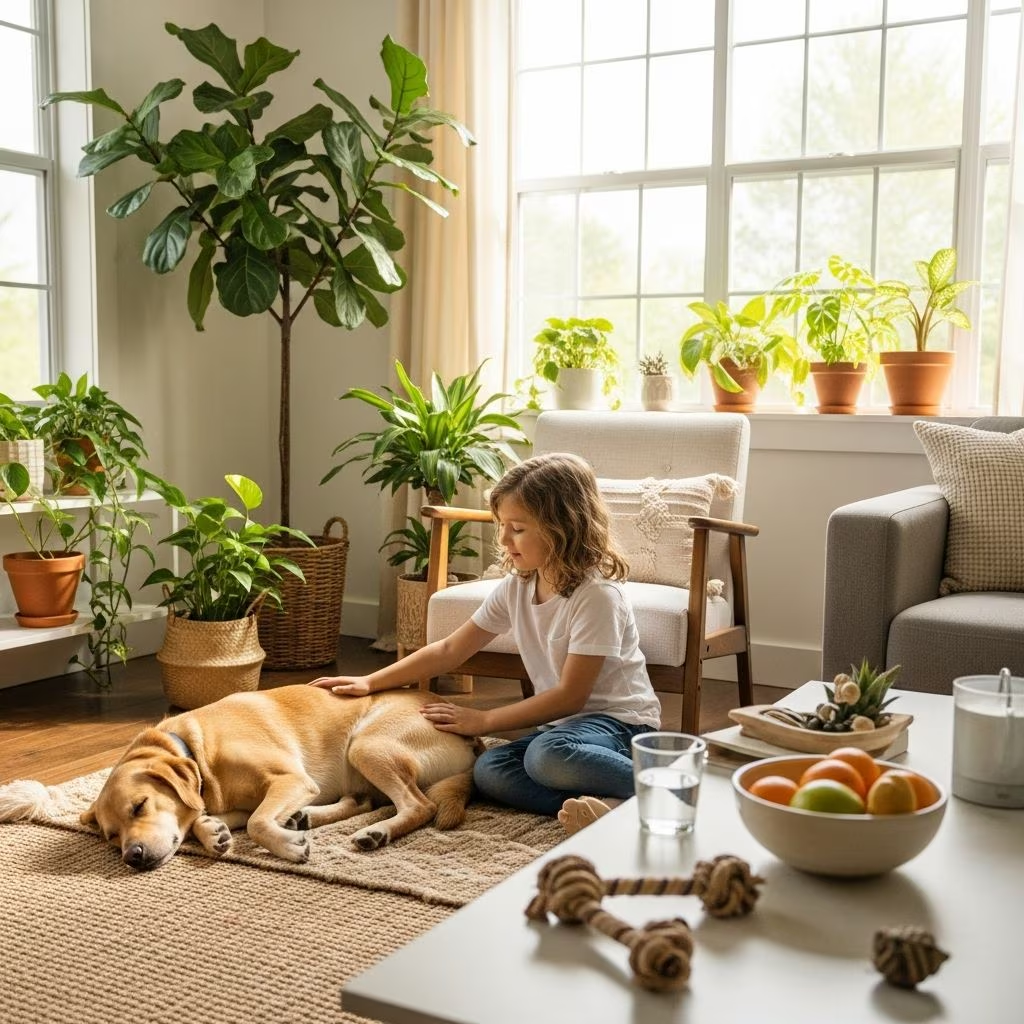
Our homes serve as sanctuaries for both human family members and beloved animal companions. However, the typical modern household often contains numerous substances and design choices that may compromise the health and wellbeing of both species. By understanding which materials, products, and environmental factors affect household health, pet owners can make informed decisions that benefit everyone under their roof. This comprehensive guide explores evidence-based strategies for transforming your living space into a genuinely healthy environment.
Understanding the Health Risks in Standard Homes
Most conventional homes present several hidden health challenges that affect pets differently than they affect humans. Pets spend significantly more time in close contact with floors, furniture, and household products, and their smaller body mass means they are often more susceptible to chemical exposure. Additionally, pets cannot communicate subtle symptoms of toxin exposure or environmental stress, making prevention particularly important.
Common household hazards include volatile organic compounds (VOCs) released from paints and finishes, particulate matter from poor air circulation, and chemical residues from cleaning products. Many pet owners remain unaware that their choices in these areas directly impact their animals’ respiratory health, skin condition, and overall vitality.
Selecting Non-Toxic Materials and Finishes
The foundation of a healthy home begins with careful material selection. When renovating or furnishing your space, prioritizing non-toxic options protects both human lungs and sensitive pet airways.
- Paint and Coatings: Choose low-VOC or zero-VOC paints specifically formulated to minimize harmful emissions. Traditional paints release toxic chemicals during application and for months afterward, creating respiratory irritation in pets with sensitive systems.
- Flooring Materials: Opt for natural materials like certified sustainable bamboo, cork, or linoleum rather than synthetic options that off-gas harmful chemicals. If installing tile or stone, use non-toxic adhesives and grout formulated without formaldehyde.
- Adhesives and Sealants: Products used to install flooring and cabinetry often contain toxic compounds. Specify non-toxic formulations during any home improvement project.
- Furniture and Textiles: Look for furniture made with natural, untreated materials. Avoid heavily chemically treated fabrics and instead choose pieces made from organic cotton, wool, or natural fibers.
Durable and Health-Conscious Flooring Choices
Flooring represents one of the most important decisions in creating a pet-friendly, healthy home. Unlike hardwood floors, which can harbor bacteria in scratches and are damaged by pet nails and moisture, alternative options provide superior hygiene and longevity.
Luxury vinyl tile (LVT) and waterproof laminates offer excellent durability while resisting moisture absorption, which prevents mold and bacterial growth. These materials are also significantly easier to sanitize than porous surfaces. Tile and stone provide natural, non-toxic alternatives that are inherently antimicrobial and can be cleaned thoroughly without chemical residues.
For pet owners concerned about their animals’ comfort on hard surfaces, carpet tiles offer a compromise solution. Premium carpet tiles can be removed individually for deep cleaning or replacement if damaged, and they provide traction for older pets or those with mobility challenges.
Air Quality and Ventilation Systems
Indoor air quality profoundly affects respiratory health in both humans and animals. Stagnant air accumulates dust, pet dander, and environmental contaminants that can trigger allergies and respiratory issues.
- Mechanical Ventilation: Install or upgrade ventilation systems that exchange indoor air with filtered outdoor air, diluting indoor contaminants.
- Air Filtration: HEPA filters capture particles as small as 0.3 microns, removing pet dander, dust mites, and other allergens. Consider whole-home filtration rather than relying on room-level filters.
- Humidity Control: Maintain humidity between 30-50% to prevent mold growth and inhibit dust mites. Dehumidifiers and proper ventilation help achieve this balance.
- Plant-Based Air Purification: Non-toxic indoor plants naturally filter air while adding aesthetic value to living spaces.
Pet-Specific Design Features for Health and Comfort
Beyond material selection, thoughtful design features enhance both pet wellbeing and household cleanliness. Integrated feeding stations keep food and water containers in designated areas, reducing scattered debris and simplifying sanitation routines.
Dedicated pet washing stations in mudrooms or laundry areas prevent mud and outdoor contaminants from being tracked throughout the home. These spaces allow for thorough cleaning before pets enter living areas, maintaining overall household hygiene.
Window perches and observation areas fulfill pets’ psychological needs for mental enrichment. Cats and dogs experience reduced stress when they can safely observe outdoor activities. This mental stimulation contributes to overall wellbeing and behavioral health.
Cleaning Protocols for a Healthy Household
Even with optimal material choices, regular cleaning remains essential. However, conventional cleaning products introduce chemical risks that undermine your health improvement efforts.
- Replace harsh chemical cleaners with plant-based, non-toxic alternatives approved for use around animals
- Establish weekly deep-cleaning schedules for high-traffic areas where pets spend significant time
- Use microfiber cloths that capture allergens without requiring chemical cleaners
- Avoid scented air fresheners; instead, ensure proper ventilation and open windows regularly
- Never use pesticides or insecticides indoors; opt for physical pest control methods
Food Storage and Nutrition Considerations
Pet food quality directly impacts health outcomes. Dedicated storage solutions protect food from contamination and humidity while keeping it organized and accessible. Sealed containers prevent exposure to moisture and pests while maintaining nutritional integrity.
Consult with veterinary professionals about optimal nutrition for your specific pets, considering factors like age, activity level, and any existing health conditions. High-quality proteins and limited ingredient diets often support better health outcomes than mass-produced alternatives containing fillers and artificial additives.
Creating Sanctuary Spaces
Pets require dedicated areas where they can retreat from household activity and noise. Comfortable dens or nooks lined with washable, non-toxic bedding provide essential stress relief. These spaces should be quiet, easily accessible, and contain familiar items that offer security and comfort.
For multi-pet households, individual retreat spaces prevent territorial conflicts and allow each animal to decompress independently. These designated zones contribute significantly to behavioral and emotional wellbeing.
Natural Light and Circadian Rhythm Support
Both humans and animals benefit from exposure to natural light, which regulates circadian rhythms and supports mental health. Maximize natural light through strategically placed windows and skylights while ensuring pets have access to shaded areas when needed.
Frequently Asked Questions
What is the most important step in creating a healthier home for pets?
Selecting non-toxic materials and finishes provides the foundation. The chemicals released from conventional products create ongoing exposure that no other intervention can fully overcome. Prioritizing low-VOC paints and natural flooring materials addresses the most pervasive health risk.
How do I transition to non-toxic cleaning products?
Begin by replacing products your pets contact most frequently. Gradually substitute harsh cleaners with plant-based alternatives. Many effective natural cleaners cost less than conventional options and work equally well.
Are carpet tiles truly pet-friendly?
Premium carpet tiles designed for commercial use offer excellent durability and can be individually replaced if damaged. Their non-woven backings resist moisture and microbial growth better than traditional carpet, though they require regular vacuuming and professional cleaning.
What ventilation improvements provide the greatest benefit?
Installing or upgrading HEPA filtration paired with mechanical ventilation that exchanges indoor air with filtered outdoor air provides comprehensive improvement. This combination removes both particulates and volatile organic compounds.
How often should I deep clean my home?
Weekly deep cleaning of areas where pets spend the most time helps maintain air quality and prevents allergen accumulation. Monthly deep cleaning of other areas supports ongoing health improvement.
References
- Pet-Friendly Remodeling Ideas — Lennar Mortgage. 2024. https://www.lennarmortgage.com/Blog/Article/pet-friendly-remodeling-ideas
- Pet-Friendly Home Renovation Guide — BOWA. 2024. https://www.bowa.com/pet-friendly-home-renovation/
- 8 Ideas for Home Improvement With Your Pet in Mind — Best Pick Reports. 2024. https://www.bestpickreports.com/blog/post/8-ideas-for-home-improvement-with-your-pet-in-mind/
- Pet-Proof Your Home | Pet-Friendly Home Improvement & Decor Ideas — Ballantyne Veterinary Hospital. 2024. https://www.ballantynevet.com/blog/creating-a-pet-friendly-home/
- Everything You Need to Know About Designing A Dog-Friendly Home — Style by Emily Henderson. 2024. https://stylebyemilyhenderson.com/dog-friendly-design



