

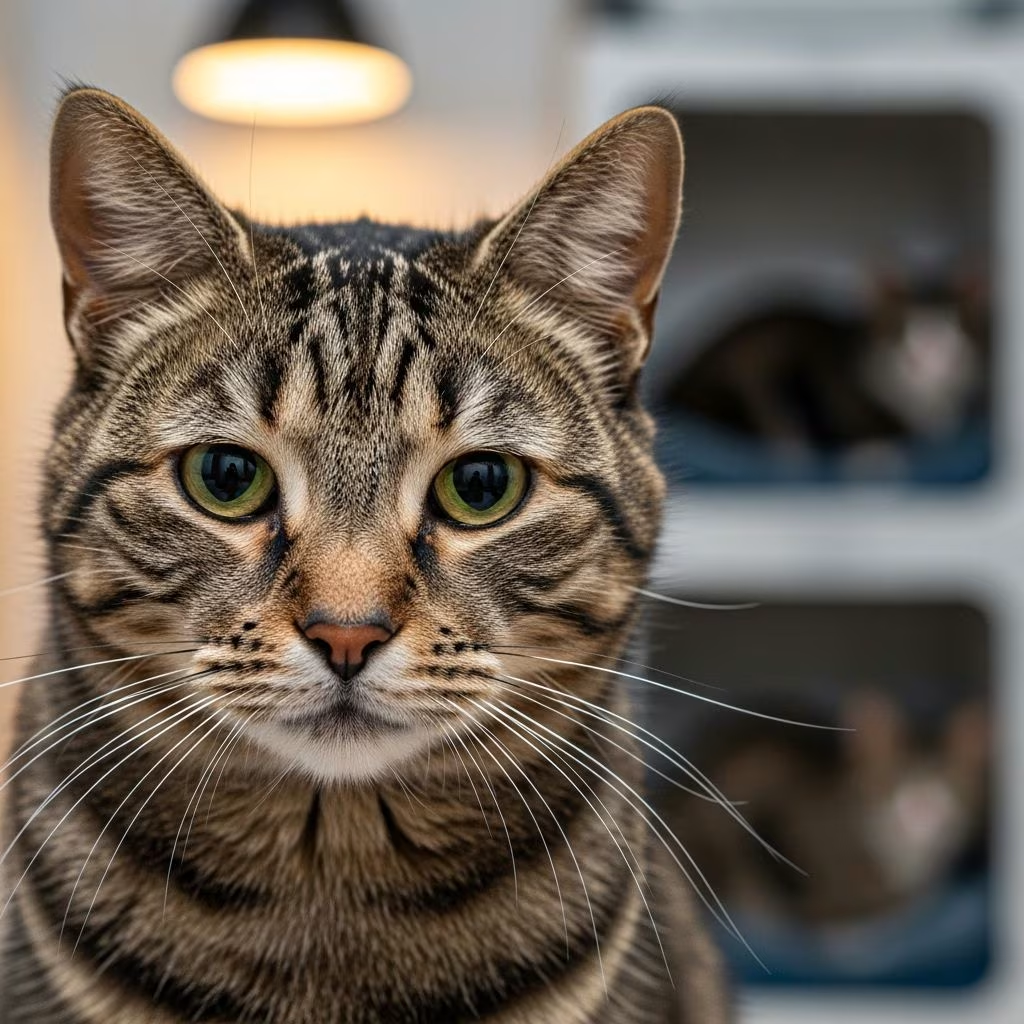
Bringing a cat home from a shelter offers immense joy, but these animals frequently arrive with underlying health concerns due to crowded conditions, stress, and prior neglect. Understanding these risks empowers owners to act swiftly, potentially extending their pet’s life and improving quality.
Why Shelter Cats Face Unique Challenges
Shelter environments, while dedicated to rescue, can foster disease spread through close quarters and shared resources. Malnutrition, parasites, and stress weaken immune systems, making cats prone to infections that might otherwise be mild. New adopters should schedule a vet check within 24-48 hours to baseline health and catch issues early.
Respiratory Infections: A Leading Concern
Upper respiratory infections (URIs) top the list of problems in shelter cats, often stemming from viruses like feline herpesvirus or calicivirus, exacerbated by bacteria. These mimic human colds but can escalate quickly in felines.
- Symptoms to watch: Sneezing, nasal/eye discharge, coughing, lethargy, and appetite loss.
- Risks: Dehydration or secondary infections if untreated; carriers may relapse under stress.
- Treatment: Vets often prescribe antibiotics for bacteria, antivirals, or lysine supplements. Supportive care includes steam therapy and syringe feeding if eating stops for over 48 hours.
Breeds with flat faces, like Persians, are especially vulnerable due to anatomy. Isolate affected cats to prevent spread.
Viral Threats: FIV and FeLV Explained
Feline Immunodeficiency Virus (FIV) and Feline Leukemia Virus (FeLV) compromise immunity, leading to chronic issues. Shelters test for these, but positives require committed care.
| Condition | Key Symptoms | Transmission | Management |
|---|---|---|---|
| FIV | Fever, weight loss, oral inflammation, poor coat, recurrent infections | Bites from infected cats | Indoor living, regular vet checks, treat secondaries |
| FeLV | Anemia, lymph node swelling, jaundice, respiratory issues | Close contact, saliva, grooming | Vaccine for at-risk cats, avoid unknowns |
FeLV hits young cats hardest, causing cancers like lymphosarcoma. No cure exists, but indoor lifestyles and monitoring extend life. Discuss with vets before adopting positives.
Gastrointestinal Distress and Diarrhea
Diarrhea plagues many shelter cats, from dietary shifts to parasites like coccidia or worms. Kittens dehydrate fastest, risking fatality.
- Common causes: Food changes, antibiotics, malnutrition, infections.
- Signs: Loose stools, foul odor, blood, straining.
- Actions: Maintain shelter diet initially, transition slowly. Vet fecal tests for parasites; meds like metronidazole help.
Coccidia diarrhea may appear watery or bloody; treat presumptively in young ones.
Parasites and Skin Problems
Ringworm, a fungal issue, causes bald patches, red skin, and crusts on face, ears, or paws. Highly contagious, it needs medicated shampoos and environmental cleaning.
External parasites like fleas/mange or internals like heartworms add woes. Heartworm signs include coughing, breathing trouble, and lethargy; HARD can mimic asthma. Prevention year-round via meds is key.
Chronic Conditions: Diabetes and Dental Disease
Malnourished strays develop diabetes from insulin issues, managed with diet, insulin, and monitoring. Dental woes like gingivitis cause drooling, bad breath; regular brushing and cleanings prevent.
Prevention Strategies for New Owners
Proactive steps mitigate risks:
- Quarantine new cats 2-4 weeks.
- Vaccinate core series (rabies, FVRCP).
- Indoor-only policy curbs FIV/FeLV/heartworm.
- High-quality diet, parasite preventives monthly.
- Annual bloodwork for early detection.
Stress reduction via pheromones or hiding spots aids recovery.
Eye and Dental Care Essentials
URI-related eye issues like conjunctivitis demand saline wipes or vet ointments to avert corneal scars. Dental checks prevent abscesses.
Heartworm and Other Overlooked Risks
Heartworm damages lungs/hearts subtly; symptoms mimic asthma. Even indoor cats risk via mosquitoes. Annual antigen tests and preventives advised.
FAQs on Shelter Cat Health
What if my new cat has a cough?
Could be URI or heartworm; vet exam rules out.
Is FeLV vaccine mandatory?
Not for all; assess risk with vet.
How to handle diarrhea?
Blanch diet, probiotics, vet for parasites.
Can FIV cats live long?
Yes, with care, many reach 10+ years.
Prevent ringworm spread?
Clip fur, disinfect, treat all pets.
Long-Term Wellness Plan
Beyond acute issues, focus on weight management, spay/neuter, and mental health. Shelters save lives; informed owners ensure thriving futures.
References
- Common Cat Diseases — ASPCA. Accessed 2026. https://www.aspca.org/pet-care/cat-care/common-cat-diseases
- The Top 7 Health Issues that Rescue Cats Experience — Pet Wellbeing. Accessed 2026. https://petwellbeing.com/blogs/news/the-top-7-health-issues-that-rescue-cats-experience
- Identifying Common Ailments In Cats Adopted From Animal Shelters — The Cat Site. Accessed 2026. https://thecatsite.com/c/identifying-common-ailments-in-cats-adopted-from-animal-shelters-and-rescue-groups/
- Essential Medical Information for Your New Cat — Humane Society of Huron Valley. 2018-07. https://www.hshv.org/wp-content/uploads/2018/07/Essential_Medical_Information_for_Your_New_Cat.pdf
- Health Tips for Shelter Cat Adopters — American Heartworm Society. 2016-06. https://www.heartwormsociety.org/images/Think_12_PDFs/Think12_FactSheet_June2016.pdf



