

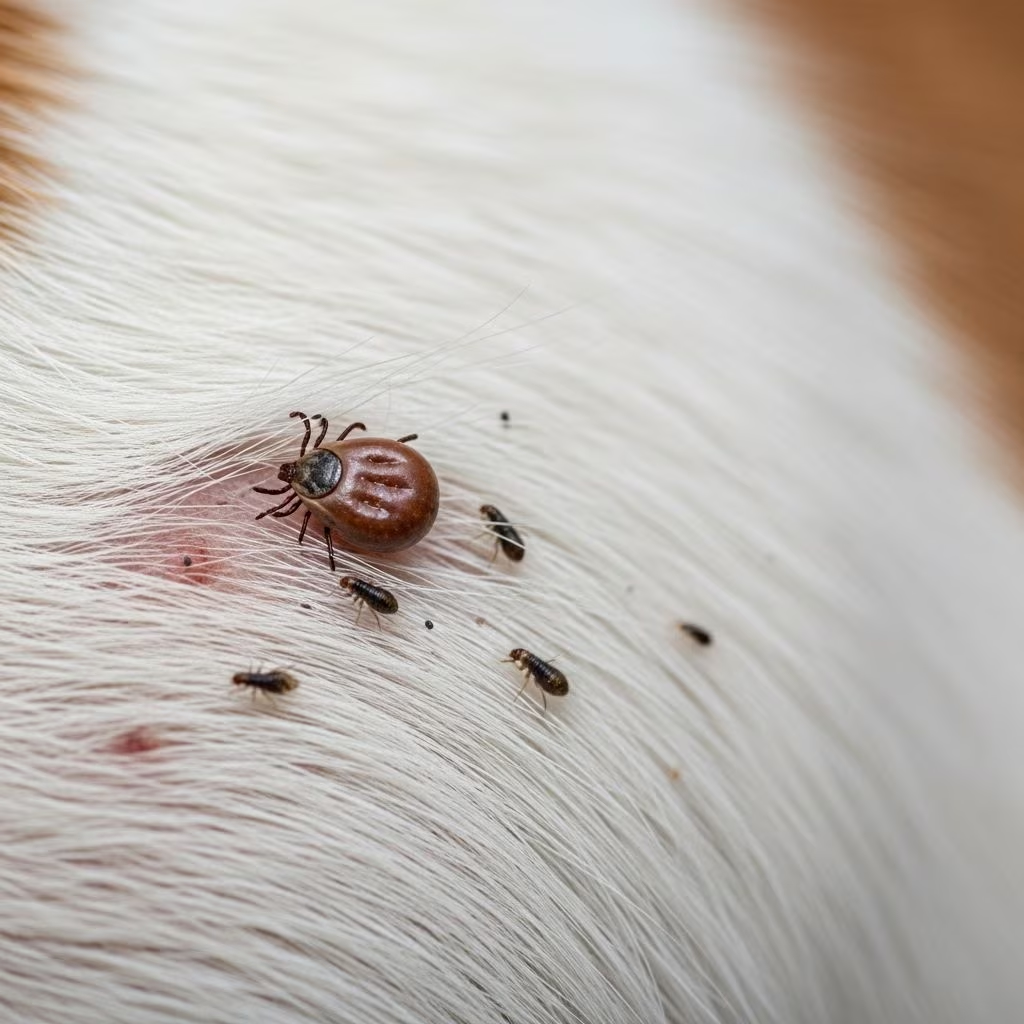
Health Problems Caused by Fleas and Ticks in Dogs
Fleas and ticks are more than just nuisances that cause itching and discomfort in dogs. These parasitic insects are vectors for serious diseases and health complications that can significantly impact your dog’s quality of life and longevity. Even brief exposure to fleas or ticks can result in severe health consequences, and indoor dogs are equally susceptible to these parasites as their outdoor counterparts. Understanding the health risks associated with fleas and ticks is essential for responsible pet ownership and ensuring your dog receives prompt medical attention when needed.
Flea-Related Health Problems
Flea Allergy Dermatitis (FAD)
Flea Allergy Dermatitis is one of the most common conditions resulting from flea infestations in dogs. Rather than being simply annoyed by flea bites, dogs with FAD experience an allergic reaction to flea saliva, which triggers intense itching and skin inflammation. Affected dogs often exhibit extreme scratching, licking, chewing, and biting, particularly around the tail base, inner thighs, and abdomen. This constant localized trauma leads to hair loss, red and inflamed skin, open wounds, and scabbing. The damaged skin becomes highly susceptible to secondary bacterial or fungal infections, which can cause additional discomfort and further health complications that require veterinary intervention.
Flea Anemia
Flea anemia occurs when fleas consume enough of a dog’s blood to cause clinically significant blood loss. This condition is particularly dangerous in puppies, senior dogs, and animals with compromised immune systems. The signs of flea anemia include lethargy, weakness, pale gums (mucous membranes), and cold extremities due to poor circulation. In severe cases, flea anemia represents a medical emergency requiring immediate veterinary attention, which may include blood transfusions to stabilize the pet alongside aggressive flea eradication and supportive care during recovery.
Tapeworm Infestation
Fleas can transmit tapeworms to dogs when the dog ingests an infected flea while grooming. While most dogs can survive a tapeworm infestation without major complications, the invading worms deprive pets of valuable nutrients, potentially leading to weight loss. Geriatric dogs, puppies, and immune-compromised animals face additional risks of serious intestinal problems. Dogs with tapeworms often scoot their bottom along the floor due to anal itching and irritation. Your veterinarian can prescribe medications to eliminate tapeworms and restore your dog’s comfort and nutritional status.
Canine Bartonellosis
Bartonellosis is a bacterial infection transmitted through flea bites. Dogs with this disease may show symptoms including coughing, diarrhea, vomiting, fever, eye and nose irritation, and lameness. The disease can cause diverse problems such as arthritis, lymph node inflammation, liver and spleen swelling, and even seizures. If you suspect your dog has Bartonellosis, immediate veterinary evaluation and antibiotic treatment are essential to prevent serious complications and long-term organ damage.
Tick-Related Health Problems
Lyme Disease
Lyme disease, transmitted by deer ticks, is one of the most common and concerning tick-borne illnesses affecting dogs. Typical symptoms include swollen joints and lameness, fever, and loss of appetite. Unfortunately, later-stage symptoms may not appear until weeks or months after a tick bite. These delayed symptoms include irregular heartbeat and heart palpitations, arthritis (usually seen as pain and swelling in large joints, especially the knee), and nervous system abnormalities. When left untreated, the bacterial infection can spread to the joints, heart, and nervous system, causing permanent damage. In some cases, dogs with Lyme disease occasionally develop serious kidney disease that can be fatal if not properly managed and treated.
Tick Paralysis
Tick paralysis is a potentially life-threatening condition caused by a neurotoxin secreted by certain tick species. Signs typically begin as progressive weakness and loss of coordination, often starting in the hind limbs and gradually ascending to affect all four limbs, causing complete paralysis. Pets may also experience changes in vocalization, difficulty swallowing, and respiratory distress as the paralysis impacts the diaphragm. This condition is a medical emergency requiring immediate veterinary attention. Treatment involves a thorough search and removal of all ticks from the pet’s body, followed by supportive care, which may include respiratory support if the pet’s breathing is compromised. Prognosis is generally good if ticks are removed promptly before escalation to severe respiratory problems.
Anaplasmosis
Anaplasmosis, also called dog fever or dog tick fever, is transmitted by deer ticks or brown dog ticks. Common signs in dogs include fever, lethargy, joint pain, loss of appetite, and bleeding disorders due to low platelet counts. Dogs may also experience vomiting and diarrhea. In extreme cases, dogs may suffer seizures. Prompt diagnosis through blood tests and immediate antibiotic treatment are crucial for managing this disease and preventing serious complications.
Ehrlichiosis
Canine Ehrlichiosis, found worldwide and caused by the brown dog tick, is the most common and one of the most dangerous tick-borne disease organisms known to infect dogs. Symptoms may not surface for months after transmission, which makes prevention especially critical. Common signs include fever, loss of appetite, depression, weight loss, runny eyes and nose, nosebleeds, and swollen limbs. In severe cases, ehrlichiosis can affect multiple organ systems, requiring aggressive antibiotic therapy and supportive veterinary care.
Rocky Mountain Spotted Fever (RMSF)
Rocky Mountain Spotted Fever is transmitted by the American dog tick, wood tick, and lone star tick. Symptoms include fever, stiffness, neurological problems, and skin lesions. Typically, the illness lasts about two weeks, but serious cases could result in death if left untreated. Diagnosis requires blood tests, and prompt treatment with specific antibiotics is crucial for managing this serious disease.
Babesiosis
Canine Babesiosis is typically transmitted by the American dog tick and brown dog tick. This disease is caused by protozoa that infect red blood cells, leading to anemia, pale gums, weakness, fever, jaundice, and an enlarged spleen. While both cats and dogs can be infected, the condition requires blood smears or PCR testing for diagnosis and specific antiprotozoal drugs for treatment. Early intervention is important to prevent severe complications.
Hepatozoonosis
Canine Hepatozoonosis is thought to be transmitted by the brown dog tick and Gulf Coast ticks. Dogs can become infected if they eat one of these disease-carrying ticks. Symptoms include fever, runny eyes and nose, muscle pain, and diarrhea with the presence of blood. This disease requires veterinary diagnosis and specialized treatment to manage symptoms and prevent progression.
Comparing Flea-Borne and Tick-Borne Diseases
| Disease Type | Parasite Vector | Primary Symptoms | Severity Level |
|---|---|---|---|
| Flea Allergy Dermatitis | Flea saliva | Intense itching, hair loss, open wounds | Moderate to High |
| Flea Anemia | Flea blood feeding | Lethargy, pale gums, weakness | High (Medical Emergency) |
| Tapeworm Infestation | Infected flea ingestion | Weight loss, anal irritation, scooting | Moderate |
| Lyme Disease | Deer tick | Joint pain, fever, kidney disease | High |
| Tick Paralysis | Tick neurotoxin | Progressive paralysis, respiratory distress | Critical (Medical Emergency) |
| Ehrlichiosis | Brown dog tick | Fever, organ damage, nosebleeds | High |
| Rocky Mountain Spotted Fever | American dog tick | Fever, stiffness, neurological problems | High (Potentially Fatal) |
Risk Factors and Vulnerable Populations
Certain dogs are at higher risk for developing severe complications from fleas and ticks. Puppies and kittens are especially susceptible to flea anemia due to their smaller blood volume. Senior pets and dogs with underlying health conditions or compromised immune systems also face significantly higher risks. Dogs that spend considerable time outdoors, particularly in wooded areas or regions with high tick populations, are more exposed to these parasites. Even indoor dogs can contract fleas and ticks through brief outdoor exposure or contact with infested animals or environments.
Prevention and Treatment Strategies
The most effective approach to protecting your dog from flea and tick-related health problems is consistent prevention. Your veterinarian can recommend appropriate year-round or seasonal pest prevention routines tailored to your dog’s specific needs, lifestyle, and geographic location. Regular flea and tick checks, especially during warmer months, help identify infestations early before serious health complications develop. Keeping your dog away from areas where fleas and other carriers roam minimizes exposure risk. If your dog develops symptoms suggestive of flea or tick-related illness, prompt veterinary evaluation and treatment are essential for achieving the best outcomes.
When to Seek Veterinary Care
Certain flea and tick-related conditions constitute medical emergencies requiring immediate veterinary attention. Signs of flea anemia, tick paralysis, or severe allergic reactions warrant emergency care. Dogs showing symptoms of tick-borne diseases such as fever, lethargy, joint pain, neurological abnormalities, or respiratory distress should be evaluated immediately. Even if symptoms are mild, early intervention can prevent progression to life-threatening complications and significantly improve prognosis and recovery outcomes.
Frequently Asked Questions
Q: Can indoor dogs get fleas and ticks?
A: Yes, indoor dogs can contract fleas and ticks through brief outdoor exposure, contact with infested animals, or even through open windows and doors. Even minimal exposure can result in infestation and disease transmission.
Q: How quickly can fleas and ticks transmit diseases?
A: Disease transmission can occur within hours of a tick bite for some conditions, while others may take weeks or months to manifest symptoms. Some diseases show no symptoms for extended periods, making prevention essential.
Q: What are the early warning signs of tick-borne illness?
A: Early signs include fever, lethargy, loss of appetite, joint stiffness or swelling, and lameness. Any combination of these symptoms warrants immediate veterinary evaluation, particularly if your dog has recent tick exposure.
Q: Is Lyme disease fatal in dogs?
A: Lyme disease is rarely fatal, but if left untreated, it can become chronic and cause permanent joint and kidney damage. Some dogs may develop fatal kidney disease as a complication, emphasizing the importance of prompt treatment.
Q: How often should I check my dog for fleas and ticks?
A: During peak season (warmer months), check your dog daily, especially after outdoor activities. Year-round prevention is recommended in many regions, with regular checks even during cooler months for complete protection.
Q: Can flea and tick prevention products cause side effects?
A: Some dogs may experience mild side effects from flea and tick preventatives, including excessive drooling, scratching, or ear twitching. Serious toxicity is rare when products are used as directed, but always follow veterinary guidance.
Q: What should I do if I find a tick on my dog?
A: Remove the tick carefully with fine-tipped tweezers, pulling straight out without twisting or crushing it. Place the tick in a container for identification if needed. Clean the area with antiseptic and monitor your dog for symptom development over the following weeks.
References
- The Health Risks of Fleas and Ticks — American Animal Hospital Association (AAHA). 2024. https://www.aaha.org/resources/the-health-risks-of-fleas-and-ticks/
- Health Problems Fleas Can Create for Your Dog — 1st Pet Vet. 2024. https://1stpetvet.com/4-health-problems-fleas-can-create-for-your-dog/
- Canine Tick-Borne Disease — AKC Canine Health Foundation (AKC CHF). 2024. https://www.akcchf.org/disease-history/canine-tick-borne-disease/
- Ticks and Lyme Disease: Symptoms, Treatment, and Prevention — U.S. Food and Drug Administration (FDA), Center for Veterinary Medicine. 2024. https://www.fda.gov/consumers/consumer-updates/ticks-and-lyme-disease-symptoms-treatment-and-prevention
- About Ticks and Tickborne Disease — Centers for Disease Control and Prevention (CDC). 2024. https://www.cdc.gov/ticks/about/index.html
- Fleas and Ticks in Dogs — Green Valley Animal Hospital. 2024. https://www.greenvalleyah.com/services/dogs/flea-and-tick-dogs
- Fleas, Ticks, Pets and What to Do — WebMD Pets. 2024. https://www.webmd.com/pets/ss/slideshow-flea-and-tick-overview



