
Health Challenges In Potbellied Pigs: Essential Care Guide
Comprehensive guide to recognizing, preventing, and treating common disorders in pet potbellied pigs for optimal care.
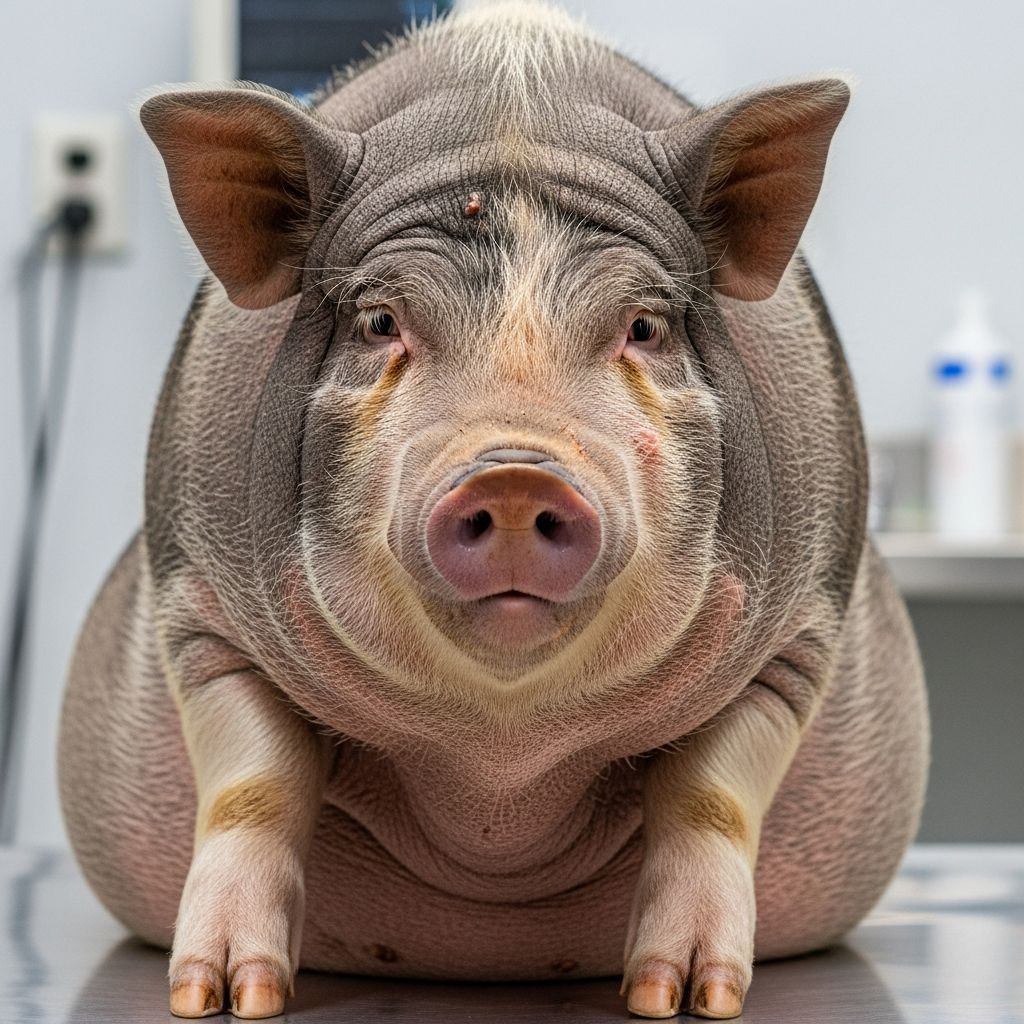
Potbellied pigs have gained popularity as unique pets due to their intelligence and affectionate nature. However, their health can be impacted by a range of disorders influenced by their compact anatomy, such as limited lung capacity, and environmental factors like diet and sanitation. Understanding these challenges is crucial for owners to provide proactive care and extend their pet’s lifespan, which can reach 12-20 years with proper management.
Respiratory Conditions: A Primary Concern
Respiratory issues top the list of health problems in potbellied pigs, largely because of their smaller lung size compared to larger breeds. This makes them particularly vulnerable to infections that impair breathing and overall vitality.
Upper respiratory infections often start with bacteria like Bordetella and Pasteurella, leading to atrophic rhinitis. Symptoms include sneezing, nasal discharge that may turn bloody, and eye irritation, especially in young pigs kept in unclean conditions. If untreated, these can distort the snout permanently.
Lower respiratory diseases, such as pneumonia, arise from mycoplasma, viruses including influenza, or secondary bacterial invasions. Signs encompass coughing, fever, lethargy, and breathing difficulties. In severe cases, pigs show joint swelling, skin discoloration, or sudden death. Prompt antibiotics like penicillin or ceftiofur are vital, though survivors may suffer lasting lung damage.
- Prevention Tips: Maintain clean bedding, ensure good ventilation, and vaccinate against key pathogens.
- Early Detection: Watch for coughing or nasal issues and consult a vet immediately.
Digestive Disorders and Nutritional Pitfalls
Gastrointestinal problems frequently plague potbellied pigs, stemming from infections, parasites, or improper feeding. Diarrhea, vomiting, and appetite loss signal potential emergencies, particularly in piglets.
Bacterial culprits like E. coli and Clostridium cause severe diarrhea in newborns, often fatal without colostrum intake and rapid intervention with electrolytes and meds. Viral threats include rotavirus and transmissible gastroenteritis, producing watery, foul diarrhea leading to dehydration.
Stomach ulcers are prevalent, triggered by finely ground feed, manifesting as bloody vomit or stools, pain, and reduced eating. Parasitic worms like roundworms, whipworms, and coccidia exacerbate intestinal woes, causing bloating, weight loss, or potbellied looks in weanlings.
| Condition | Symptoms | Common Causes | Treatment Approach |
|---|---|---|---|
| Diarrhea (Neonatal) | Watery stools, dehydration | E. coli, rotavirus, coccidia | Electrolytes, antibiotics, sanitation |
| Ulcers | Bloody vomit/stools, pain | Fine feed particles | Diet change, antacids, vet meds |
| Parasitic Infestation | Weight loss, bloating | Roundworms, whipworms | Dewormers, fecal tests |
Owners should schedule regular fecal exams, especially annually for adults and more for young pigs, to catch parasites early.
Urinary and Reproductive Health Risks
Potbellied pigs face urinary tract vulnerabilities, including cystitis, urolithiasis (bladder stones), and nephritis. Dark, concentrated urine, straining, or blood signals trouble. Leptospirosis often underlies nephritis, damaging kidneys post-cystitis.
Annual urinalysis aids early detection. Reproductive issues in females include dystocia from poor breeding, while males risk urinary blockages from obesity-related stones. Hypoglycemia and seizures can arise in poorly bred “teacup” pigs.
- Monitor urine color and frequency.
- Vaccinate against leptospirosis to curb spread.
Parasitic Threats: Internal and External
Parasites thrive in potbellied pigs, with internal types like nodular worms causing the most harm. External pests add discomfort but less severity. Routine deworming and hygiene prevent infestations that lead to anemia, poor growth, or organ damage.
Preventive Vaccinations: Building Immunity
Vaccinations form the cornerstone of potbellied pig health. Core shots target mycoplasma hyopneumoniae (at 3 and 6 weeks), atrophic rhinitis (same schedule), erysipelas (6 and 9 weeks), and leptospirosis (same). Boosters every 6 months from 6 months old protect against endemic threats.
These vaccines address lung compromise, snout deformities, arthritis, and reproductive failures, essential given cross-species transmission risks.
Obesity and Musculoskeletal Problems
Obesity plagues many potbellied pigs from overfeeding, sparking joint issues, kidney strain, and heart disease. Foot abnormalities like overgrown hooves or arthritis arise from excess weight and confinement.
Maintain ideal weight via measured, low-calorie diets rich in veggies, limited pellets, and exercise. Trim hooves regularly and provide soft bedding.
Neurological and Infectious Emergencies
Central nervous disorders from Streptococcus suis, Glasser’s disease, or hypoglycemia present as seizures, circling, or weakness, hitting young pigs hardest. Erysipelas causes skin lesions, fever, and lameness; vaccinate to prevent.
Prompt antibiotics save lives if caught early.
General Wellness Monitoring
Track changes like lethargy, appetite shifts, or discharges. Yearly vet checkups with fecal, urine, and blood work catch issues.
Frequently Asked Questions (FAQs)
What are the first signs of illness in potbellied pigs?
Lethargy, appetite loss, coughing, diarrhea, or abnormal urine.
How often should potbellied pigs be vaccinated?
Initial series at 3-9 weeks, then boosters every 6 months.
Can potbellied pigs get parasites from dogs?
Yes, atrophic rhinitis spreads across species.
Why do potbellied pigs get pneumonia easily?
Their small lungs offer less reserve against infections.
How to prevent obesity in pet pigs?
Controlled feeding, daily exercise, and vet-recommended diets.
References
References
- Diseases Of The Intestinal Tract, Parasites In Pot Bellied Pigs — Safari Veterinary Care Centers. 2023. https://www.safarivet.com/care-topics/pot-bellied-pigs/diseases-intestinal-tract/
- Pet Potbellied Pigs: Health and Diseases — Best Friends Animal Society. 2024. https://bestfriends.org/pet-care-resources/pet-potbellied-pigs-health-and-diseases
- Potbellied Pigs In Particular: Addressing Their Unique Needs — Open Sanctuary Project. 2023. https://opensanctuary.org/pot-bellied-pigs-versus-large-breed-pigs-differences-in-care/
- Common Health Problems Affecting Mini-Pigs – Part 1 — VCA Animal Hospitals. 2024. https://vcahospitals.com/know-your-pet/common-health-problems-affecting-mini-pigs—part-1
- Swine Diseases and Disorders — National Center for Biotechnology Information (PMC). 2020-04-07. https://pmc.ncbi.nlm.nih.gov/articles/PMC7152483/
- Diseases of Miniature Pet Pigs — MSD Veterinary Manual. 2024. https://www.msdvetmanual.com/exotic-and-laboratory-animals/miniature-pet-pigs/diseases-of-miniature-pet-pigs
Similar Articles








Read full bio of Sneha Tete


